Where to Watch the Indianapolis Colts vs. Kansas City Chiefs Sunday Night Football Game Online

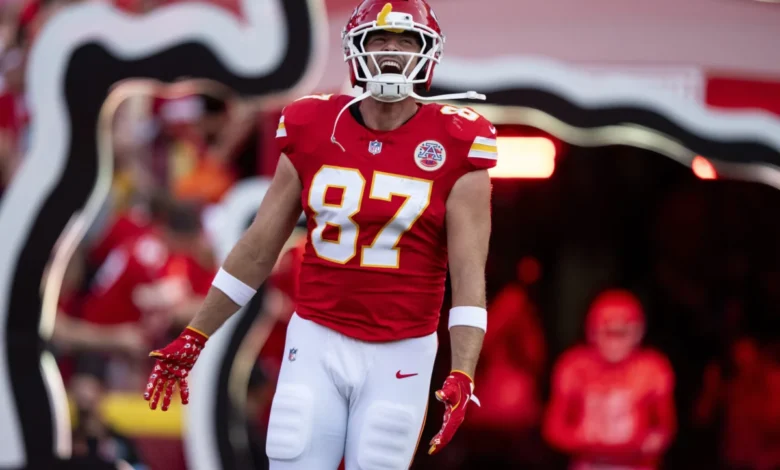
The Indianapolis Colts are set to face the Kansas City Chiefs in a high-stakes Sunday Night Football showdown on September 20, with kickoff scheduled for 5:20 p.m. PT/8:20 p.m. ET. As the NFL season intensifies, this matchup represents a critical juncture for both franchises as they look to solidify their standings within their respective conferences. The game will be broadcast nationally on NBC, making it accessible to a wide audience through traditional cable, satellite, and an array of digital streaming platforms. For viewers who have moved away from legacy television packages, services like Sling TV provide a streamlined, cost-effective method to access live NFL broadcasts without the burden of long-term contracts.
Background and Historical Context of the Matchup
The rivalry between the Indianapolis Colts and the Kansas City Chiefs carries significant historical weight within the American Football Conference (AFC). Over the past decade, these two teams have met in both the regular season and the postseason, often producing contests that hinge on late-game heroics and high-scoring offensive drives. The Chiefs, led by their perennial Pro Bowl quarterback, continue to operate under the expectations of a championship contender. Conversely, the Colts arrive in Kansas City with a renewed focus on defensive discipline and an offensive scheme designed to control the clock and neutralize the explosive play-making ability of the Chiefs’ receiving corps.
For the Chiefs, this Sunday night appearance serves as a platform to demonstrate their dominance at home, a venue known for its formidable atmosphere and impact on visiting teams. For the Colts, the challenge is two-fold: overcoming the hostile environment of Arrowhead Stadium and proving that they can execute efficiently against a top-tier defensive front. Analysts note that both teams have spent the preseason and early weeks of the current campaign refining their rosters, making this game a barometer for their postseason viability.
Game Logistics and Viewing Information
The Sunday night broadcast is one of the most anticipated slots in the NFL schedule, typically drawing millions of viewers globally. The game will take place on September 20 at 8:20 p.m. ET. Because the event is broadcast on NBC, it is subject to the network’s comprehensive distribution agreements. Fans who reside in areas where NBC affiliates are carried on streaming platforms will have the most seamless experience.
For those looking to stream the game, the primary requirement is a service that includes access to local network affiliates. Sling TV has emerged as a leader in this space, offering a "skinny" bundle approach that allows users to pay for only the channels they want. By providing access to NBC, ABC, and Fox in select markets, along with the NFL Network, Sling TV bridges the gap between traditional sports broadcasting and the modern digital landscape.
Streaming Options: A Strategic Breakdown
Navigating the ecosystem of sports streaming can be daunting, but the current market offers several tiers of service tailored to different user preferences.
Sling Select: The Entry-Level Option
For fans seeking a straightforward, budget-conscious solution, the Sling Select package starts at $19.99 per month. This package is designed for the casual viewer who requires access to major networks like NBC, Fox, and ABC in major metropolitan areas, while also including niche sports coverage through the NFL Network and FS1. It serves as an ideal entry point for the Sunday night broadcast.
Sling Blue: The Comprehensive Choice
The Sling Blue package is geared toward users who desire a wider variety of entertainment, news, and sports. Starting at $45.99 per month—with a potential surcharge for local network availability—it provides over 40 channels, including CNN, Bravo, and multiple news outlets. This option is frequently chosen by households that want to combine their NFL viewing with daily news and lifestyle programming.

The Orange & Blue Bundle
For those who refuse to compromise on content, the Orange & Blue plan offers a robust lineup of over 50 channels. Priced at $60.99 per month, this tier is the most comprehensive, ensuring that viewers have access to the maximum number of sports and entertainment options available on the platform.
Value-Driven Prepayment: The Season Pass
Recognizing the seasonal nature of football, Sling TV offers a "Season Pass" for dedicated fans. This initiative allows users to prepay for five months of service at a discounted rate, effectively locking in their access for the duration of the NFL regular season. The bundle, which includes the Essentials & Select plan along with the Sports Extra add-on, costs $199.99 for five months or $139.99 for a three-month commitment. This model is particularly beneficial for viewers who prioritize sports-centric programming without the month-to-month fluctuation of subscription costs.
Analytical Implications for the 2024-2025 Season
The shift toward streaming for live NFL games represents a broader transformation in how media conglomerates and the NFL interact with their audience. Industry data suggests that a significant percentage of viewers under the age of 45 have opted for streaming over traditional cable. This migration has prompted networks and leagues to prioritize digital accessibility.
The implications for the Indianapolis Colts and Kansas City Chiefs are clear: the visibility provided by a Sunday Night Football slot, combined with the ease of access via streaming, ensures that these teams remain at the forefront of the national sports conversation. For the Chiefs, success in these primetime slots strengthens their brand as a cultural icon, while for the Colts, it provides the exposure necessary to build a wider, younger fan base.
From a tactical perspective, both coaching staffs have emphasized the importance of high-percentage completions and minimizing turnovers in these high-pressure, nationally televised games. Statistical models suggest that the team that wins the turnover battle and maintains a positive field position ratio will likely secure a victory. Observers expect the Chiefs to rely on their established passing game, while the Colts are likely to lean on a balanced attack to limit the number of possessions for their opponents.
Official Perspectives and Future Outlook
While neither team has released specific, unconventional game-day strategies, spokespersons for both organizations have expressed confidence in their preparation. Coaches often highlight the importance of "execution in the margins," referring to the minor errors that often decide the outcome of closely contested games.
For the NFL, the goal remains the expansion of its digital footprint. By partnering with services like Sling TV and other streaming providers, the league is effectively future-proofing its revenue streams. This ensures that even as the hardware used to watch the game evolves—from televisions to tablets and smartphones—the connection between the game and the viewer remains uninterrupted.
As the kickoff approaches on September 20, fans are encouraged to verify their local channel availability and test their streaming connections in advance. Whether choosing the budget-friendly Sling Select or the comprehensive Orange & Blue bundle, the objective is to ensure that the viewing experience is as high-quality as the on-field competition. With the stakes rising as the season progresses, this Colts-Chiefs matchup stands as a defining moment in the early stages of the NFL calendar, promising a high-octane encounter that will undoubtedly influence the trajectory of both teams for the remainder of the year.
Related posts: