The Betrayal and the Rebound: Scott Kirby’s Ouster from American Airlines and the Transformation of United Airlines

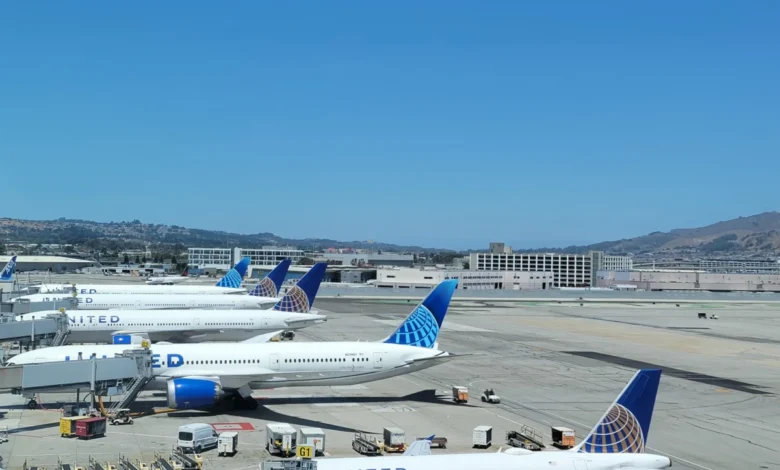
The corporate landscape of the American aviation industry is defined by high-stakes power dynamics, but few episodes are as illustrative of shifting leadership fortunes as the 2016 dismissal of Scott Kirby from American Airlines. For years, the narrative surrounding Kirby’s departure from the carrier was shrouded in executive-suite ambiguity. However, recent revelations from the current United Airlines CEO have provided a granular, firsthand account of the events leading up to his exit, painting a picture of broken promises, shifting loyalties, and a strategic miscalculation by the American Airlines board that arguably altered the trajectory of two major carriers.
The Dinner in the Design District: A Promise Unkept
In a recent interview, Scott Kirby provided a startlingly specific account of the final months of his tenure at American Airlines. According to Kirby, the transition of power was not merely discussed; it was formalized during an intimate dinner meeting with then-CEO Doug Parker in Dallas’s Design District. Kirby claims that Parker explicitly stated his intention to retire on a pre-determined date, with the clear understanding that Kirby would be his successor.
This consensus, however, evaporated with astonishing speed. Only three months after this high-level assurance, the internal climate shifted. Parker, in a move that blindsided his president, reversed his decision. As Kirby recounts, Parker stood in the doorway of his office and abruptly ended the arrangement, stating, “I’ve changed my mind, and you and I can’t work together anymore.” This sudden pivot effectively terminated a partnership that had been instrumental in the post-merger integration of US Airways and American Airlines.
A Chronology of Leadership Transitions
To understand the gravity of this event, one must look at the timeline of the American Airlines executive suite. Following the merger of US Airways and American Airlines, the company was led by a triumvirate of key decision-makers: Doug Parker, Robert Isom, and Scott Kirby.
- 2013-2016: The integration phase of the American Airlines merger, during which Kirby served as President and was widely viewed as the heir apparent.
- 2016 (Summer): The "Design District" dinner where, according to Kirby, the succession plan was finalized.
- 2016 (August): Kirby is abruptly fired. Robert Isom is elevated to the position of President, effectively taking over the role previously held by Kirby.
- 2016 (Fall): Kirby joins United Airlines as President.
- 2017 (April): The United Airlines passenger-dragging incident involving Dr. David Dao creates a period of intense public relations crisis for United, which reportedly delays the planned transition of Oscar Munoz to the role of Chairman, thereby impacting the timeline of Kirby’s path to the CEO seat.
- 2020 (May): Scott Kirby officially assumes the role of CEO at United Airlines.
- 2022: Robert Isom finally succeeds Doug Parker as the CEO of American Airlines.
The Financial and Strategic Cost of the Dismissal
The decision to remove Kirby was not merely a management reshuffle; it was a significant financial and strategic investment by American Airlines. The company paid approximately $13 million in severance to an executive who possessed an intimate, high-level understanding of their internal operations. Crucially, the board and Parker opted against including a robust non-compete clause in the separation agreement.
By failing to secure a non-compete, American Airlines effectively financed the transition of a top-tier executive to their most direct competitor. From a business analysis perspective, this decision is often cited as a failure of executive retention and risk management. Kirby, driven by a desire to prove his worth, arrived at United Airlines with a mandate for aggressive growth and a deep understanding of the competitive landscape he had just vacated.
Comparative Performance: United vs. American
The divergent paths of the two airlines in the years following 2016 serve as a focal point for industry analysts. During his time at American, Kirby was associated with cost-cutting measures, such as the reduction of in-flight meal services in 2014 and the installation of high-density seating configurations that lacked seatback entertainment.

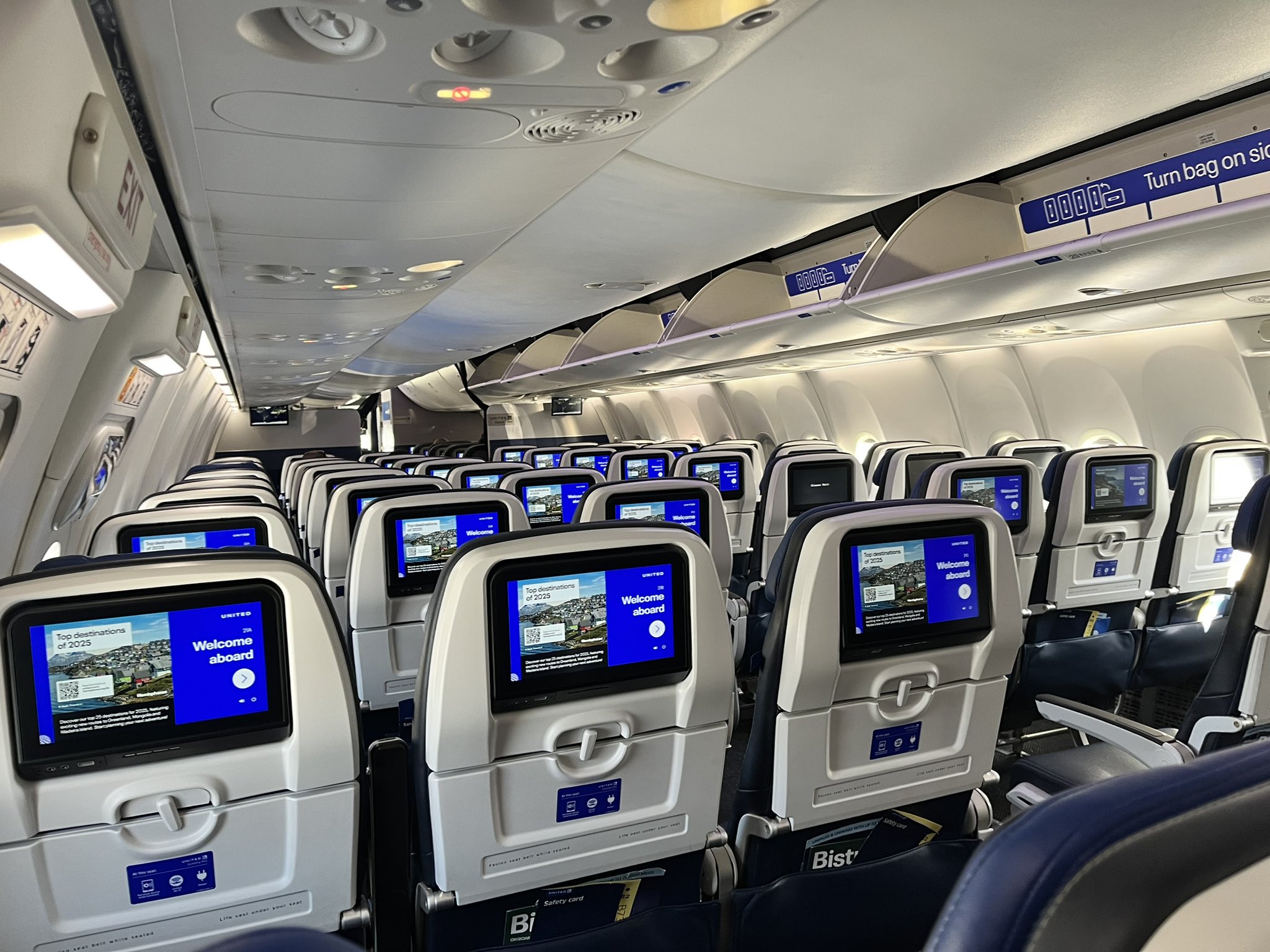
However, since taking the helm at United, Kirby has pivoted toward a "United Next" strategy, characterized by significant investment in passenger amenities, including large-screen in-flight entertainment, expanded overhead bin capacity, and a focus on premium cabin experiences. The financial results highlight the difference: while American Airlines has struggled with debt loads and operational consistency, United has successfully carved out a market position that prioritizes long-haul international dominance and a modernized fleet.
Organizational Culture and the "Legacy" Factor
The internal culture at American Airlines under Doug Parker faced further scrutiny during the 2020 social justice movements. Reports indicate that when staff members suggested Parker relinquish his Chairman title to a Black board member to foster diversity and define his legacy, those staff members were terminated. This incident suggests a pattern of leadership that prioritized centralized control, a sharp contrast to the more outward-facing, growth-oriented leadership style Kirby adopted at United.
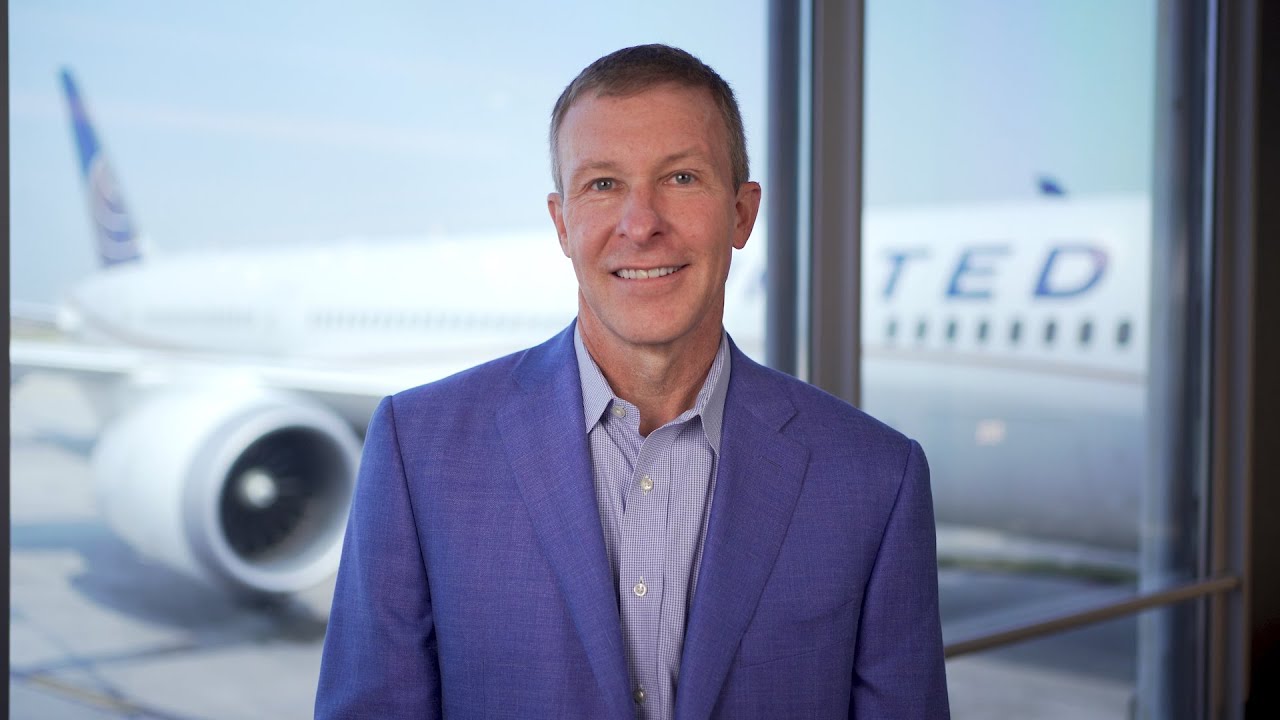
Kirby himself has reflected on the lessons learned from his firing. He maintains that the experience of being pushed out was a catalyst for his professional evolution. “I’m a better CEO of United than I would have been CEO of American,” Kirby stated in recent interviews. He credits the adversity with teaching him the essential human-centric skills required to lead a massive workforce—skills he suggests he might not have prioritized had his career path remained linear and unchallenged.
The Broader Implications for Airline Governance
The fallout from the 2016 executive shakeup serves as a case study in corporate governance and the dangers of "founder’s trap"—a scenario where a long-serving leader finds it difficult to relinquish power, even when a clear successor is ready. The fact that Kirby, years later, attempted to explore a merger between United and the company that fired him adds a layer of irony to an already complex corporate narrative.
Today, while Kirby maintains that he has reconciled with Parker and views Robert Isom as a friend, the divergence in the two airlines’ fortunes remains a matter of public record. For American Airlines, the dismissal of Scott Kirby represents a lost opportunity to retain a leader who possessed a unique blend of operational expertise and strategic vision. For United, it represented an accidental windfall that allowed the airline to overhaul its brand identity and financial performance.
As the industry continues to navigate post-pandemic recovery and shifting passenger demands, the "Kirby vs. American" story remains a stark reminder that in the executive suite, a single decision regarding succession can echo for a decade or more. The transition from the austerity-focused management style of the mid-2010s to the current, more product-focused competition underscores that leadership is not just about the numbers on a balance sheet, but about the ability to adapt, learn, and, in some cases, thrive after being shown the door.