Flock Safety Offers Lucrative Voluntary Buyouts Amid Severe Backlash Over License Plate Recognition Technology and Plummeting Internal Morale

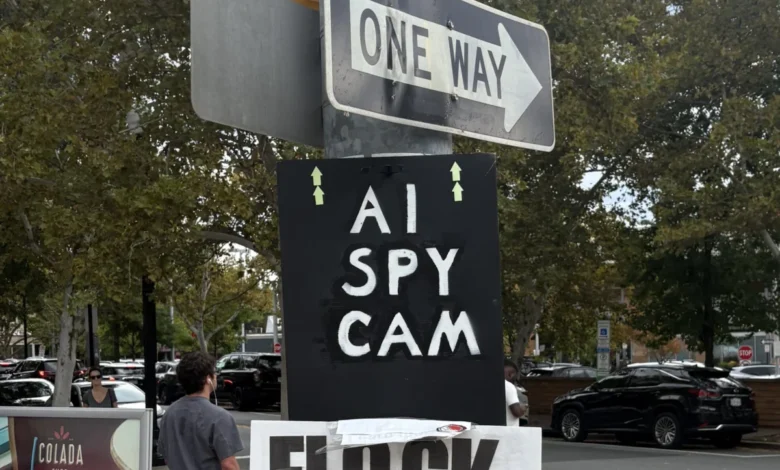
Surveillance technology provider Flock Safety is facing a pivotal crossroads in its corporate trajectory. On Friday, September 19, 2026, the embattled company announced a sweeping voluntary buyout program, offering what internal communications described as the most generous severance packages in the enterprise’s history to its approximately 1,500 employees. According to reports leaking from the firm, leadership anticipates a substantial portion of the workforce to express interest and has indicated that a majority of those who apply will be granted the departure package.
This strategic maneuver serves a dual purpose for Flock Safety. Primarily, it provides an off-ramp for employees deeply demoralized by months of intense public scrutiny, legislative crackdowns, and a cascade of municipal contract terminations. Furthermore, industry analysts point out that without this voluntary reduction in headcount, the company would almost certainly have been forced to execute sweeping, involuntary layoffs to align its operational costs with a rapidly shrinking client base and sliding revenues.
The Roots of the Controversy: A Summer of Surveillance Scandals
The severe headwinds currently battering Flock Safety trace back to a compounding series of investigative reports and public policy shocks that began intensifying over the summer of 2026. For years, Flock Safety built a booming business model by selling automated license plate recognition (ALPR) cameras and advanced optical surveillance networks to both private neighborhoods and municipal law enforcement agencies. The pitch was simple: heightened community safety through frictionless, automated data capture.
However, the illusion of foolproof security began to shatter in August 2026. A landmark investigative report published by The Washington Post exposed a deeply alarming trend of systematic abuse. The publication identified at least 46 distinct cases where police officers across various jurisdictions allegedly weaponized Flock’s vast network of cameras to spy on their personal acquaintances, including estranged wives, girlfriends, and ex-partners. Instead of tracking stolen vehicles or violent fugitives, the technology was routinely exploited for domestic stalking and unauthorized personal surveillance.
The fallout was immediate and catastrophic for the startup’s public relations and political standing. Privacy advocacy groups and civil liberties organizations amplified their warnings regarding the unchecked aggregation of citizen movement data. What followed was an unprecedented wave of municipal pushback. According to data compiled by anti-surveillance watchdogs, approximately 90 cities officially dropped or terminated their contracts with Flock Safety in the single month of August alone—representing a staggering fourfold increase compared to the attrition rate observed just one month prior.
State-Level Legislative Blockades
The backlash quickly transcended municipal boundaries, escalating to high-stakes state-level legislative and executive actions. As public outcry mounted over civil liberties violations and inadequate safeguards against abuse, major states began cutting ties with the tech firm.

Both Florida and Texas—traditionally massive markets for municipal public safety technologies—announced aggressive measures to block and ban the deployment of Flock cameras over mounting privacy concerns. Lawmakers in these states argued that the potential for constitutional overreach and the severe lack of accountability mechanisms outweighed the ostensible utility of the camera networks. The loss of these key regional markets dealt a severe blow to Flock’s long-term growth projections and valuation assumptions.
Internal Morale and Leadership Response
While the public relations disaster and the loss of municipal contracts present existential threats to Flock’s balance sheet, executive leadership has openly admitted that the most corrosive damage has occurred internally.
In a recent appearance on the All-In podcast, Flock Safety CEO Garrett Langley addressed the crisis head-on. Langley conceded that the "biggest damage" inflicted by the relentless media scrutiny and political backlash has been absorbed by "internal morale." Employees who joined the company believing they were contributing to public safety found themselves on the defensive, working for an enterprise increasingly cast in the role of a privacy violator.
By initiating the voluntary buyout program, executive management is attempting to cauterize the internal bleeding. Permitting disillusioned workers to leave with a financial cushion allows the company to curate a leaner core team composed of individuals willing to weather the storm. Without this voluntary mechanism, the company risked a toxic internal environment marked by stagnation, low productivity, and a debilitating brain drain.
Industry Implications and the Future of Municipal Surveillance
The unfolding crisis at Flock Safety serves as a watershed moment for the broader GovTech and smart-city surveillance industry. For years, the proliferation of private-public surveillance partnerships outpaced the establishment of robust regulatory frameworks. Companies operated with minimal oversight, assuming that the promise of crime reduction would perpetually immunize them against privacy criticisms.
The events of August and September 2026 demonstrate a seismic shift in public and political sentiment. Cities and states are no longer willing to trade Fourth Amendment protections and civil liberties for automated convenience without stringent, enforceable guardrails. The rapid unravelling of Flock’s municipal partnerships underscores the reality that technological deployment must be matched by radical transparency, strict auditing protocols, and verifiable accountability mechanisms to prevent abuse by bad actors within law enforcement.
As Flock Safety navigates this turbulent transition, the coming months will determine whether the company can successfully pivot, rebuild its tarnished reputation, and implement ironclad security controls to prevent future misuse, or if it will stand as a cautionary tale of overzealous surveillance expansion meeting an immovable wall of public resistance.
Related posts: