Michigan Senate Candidate Abdul El-Sayed Faces Intense Town Hall Confrontation Over Iran Policy And Past Remarks

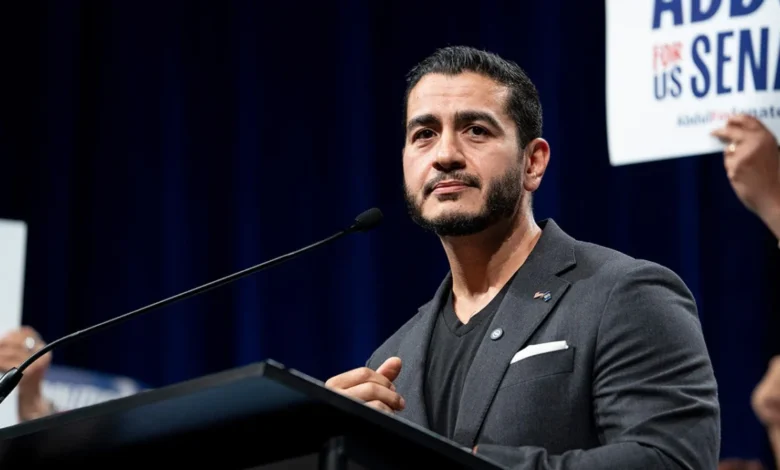
Michigan Democratic U.S. Senate candidate Abdul El-Sayed faced intense questioning regarding his foreign policy positions and previous statements during a campus town hall event at the University of Michigan. The confrontation, which quickly drew national attention, highlighted ongoing tensions within progressive and Democratic circles regarding Middle Eastern geopolitics, human rights abuses, and the boundaries of political solidarity.
The exchange centered on El-Sayed’s past commentary concerning the Iranian regime, U.S. foreign intervention, and the domestic political landscape in Michigan. For a campaign already navigating a high-stakes, closely watched race to succeed retiring Democratic Senator Gary Peters—where El-Sayed faces Republican former U.S. Representative Mike Rogers—the incident injected complex foreign policy debates directly into the local electoral arena.
The Town Hall Confrontation
The tense interaction occurred during a "Students vs. Billionaires" town hall meeting held at the University of Michigan, El-Sayed’s alma mater. Iman Dashti, a student who identified himself as of Persian descent, stepped up to the microphone to challenge the Democratic nominee directly. Dashti invoked his family’s personal history of severe persecution under the ruling government of the Islamic Republic of Iran to question El-Sayed’s commitment to Iranian dissidents.
"My cousin was hunted in the streets of Iran by the IRGC because her hijab wasn’t on right," Dashti told the candidate, referring to Iran’s Islamic Revolutionary Guard Corps. Dashti further alleged that another family member, an uncle, had been sentenced to death and subjected to 50 lashes by the regime’s judicial authorities.
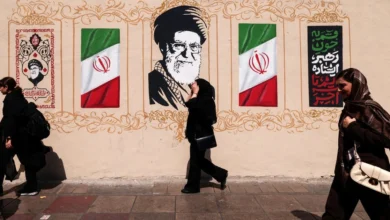
Dashti then turned his focus to leaked audio from earlier in the year. In the recording, El-Sayed stated that he declined to comment on the death of former Iranian Supreme Leader Ayatollah Ali Khamenei because "there are a lot of people in Dearborn who are sad today." Dearborn, Michigan, is home to one of the largest and most politically influential Arab and Muslim American communities in the United States.
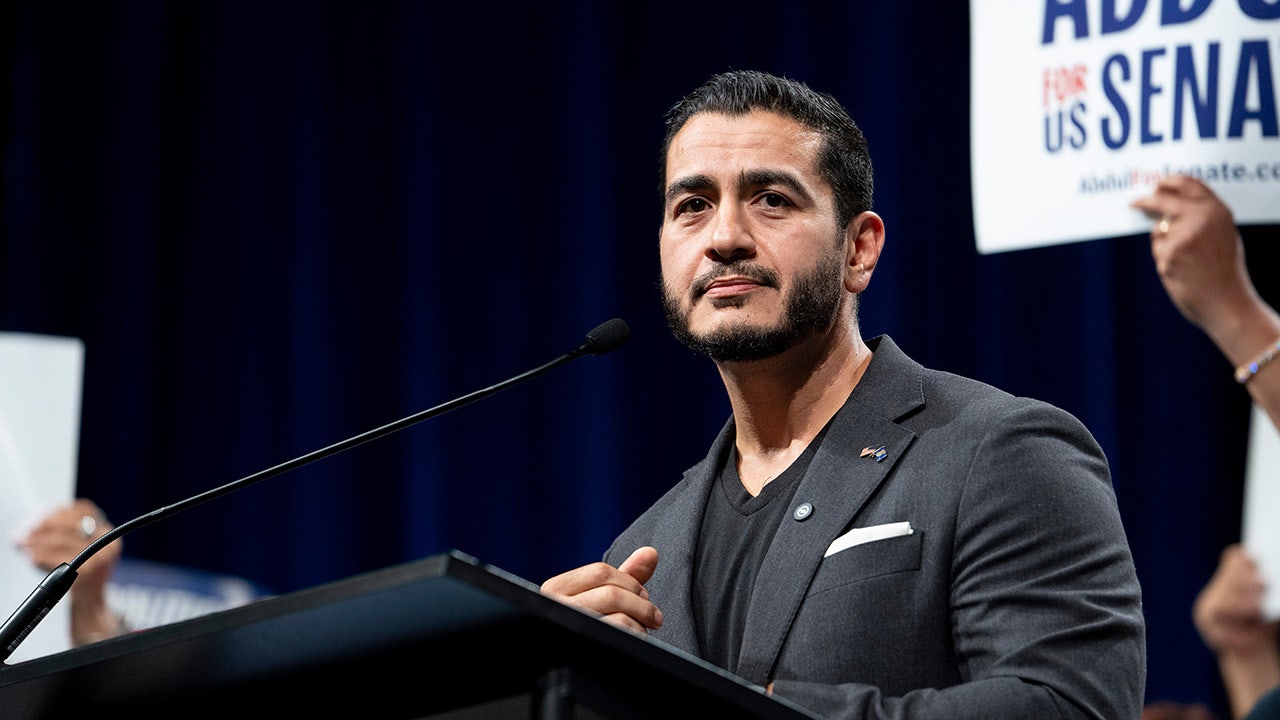
"That silence had a gaping hole in our community," Dashti told the candidate, pressing El-Sayed to clarify whether he regretted his cautious remarks, whether he would explicitly denounce individuals who held local vigils mourning Khamenei, and whether he stood unequivocally against the IRGC and the Islamic Republic.
El-Sayed’s Response on Foreign Policy
In his response, El-Sayed sought to distinguish between solidarity with domestic popular uprisings and opposition to foreign military intervention. He argued that the United States has historically overstepped its bounds by acting as "the world’s policeman," cautioning against U.S.-led regime change operations abroad.
"One can disagree with the governance of a foreign country. One can stand in solidarity with freedom and democracy movements," El-Sayed stated during the exchange. He expanded on this philosophy when pressed further on whether he stood with the Iranian people.
"I will always stand for and with democratic movements always," El-Sayed said. "But I also don’t believe that we were in the right to go to war to topple the government of Iran. It was not our responsibility to do. It is the responsibility of the people of Iran to decide what their leadership should look like."
When Dashti repeatedly demanded a definitive confirmation of solidarity—asking directly, "You stand with us?"—El-Sayed reiterated his support for broad democratic movements while maintaining his opposition to foreign military interference.
"I want freedom and democracy for the people of Iran, no question. But I want that to be done by the people of Iran, coming together as a community to decide how to create democratic change in their society," El-Sayed added.
Campaign Clarifications and Official Stances
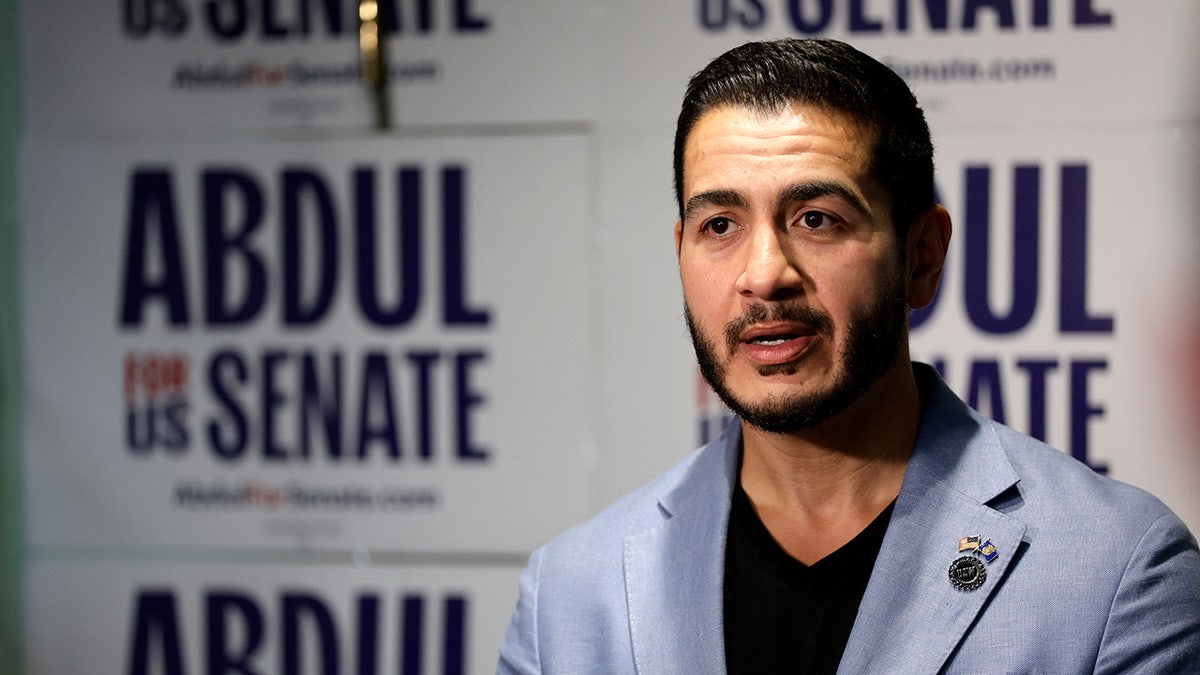
Following the conclusion of the town hall, media inquiries prompted formal clarifications from the El-Sayed campaign. Roxie Richner, a campaign spokesperson, issued a statement detailing the candidate’s core foreign policy and civil liberties principles.
"As he noted in his response, Abdul will always stand with movements for freedom and democracy, and he condemns government anti-free speech violence," Richner told reporters. "Abdul has also been clear that the United States should not be in the business of spending our tax dollars abroad on regime change wars that take our service members’ lives, waste our tax dollars, and raise our prices. He believes American taxpayer dollars are best spent here at home to invest in infrastructure, education, and healthcare."
The campaign’s framing attempts to bridge a difficult political divide: acknowledging human rights violations and expressing moral solidarity with oppressed populations overseas, while appealing to a progressive and working-class base that is frequently skeptical of foreign military entanglements, prolonged overseas conflicts, and interventionist foreign policies.
Broader Political Context in Michigan’s Senate Race
The confrontation at the University of Michigan occurs against the backdrop of a highly competitive midterm election cycle. Michigan’s open Senate seat is widely viewed as one of the premier battlegrounds that could determine the balance of power in the U.S. Senate. El-Sayed secured the Democratic nomination in August following a rigorous primary season and is now locked in a fierce contest with Republican nominee Mike Rogers.
The state’s diverse electorate—which includes substantial Arab American, Chaldean, Persian, and Jewish communities—makes foreign policy and Middle Eastern affairs a uniquely sensitive topic for candidates running statewide. Statements regarding foreign leaders, human rights, and diaspora politics are heavily scrutinized by local constituents, advocacy organizations, and national political committees alike.
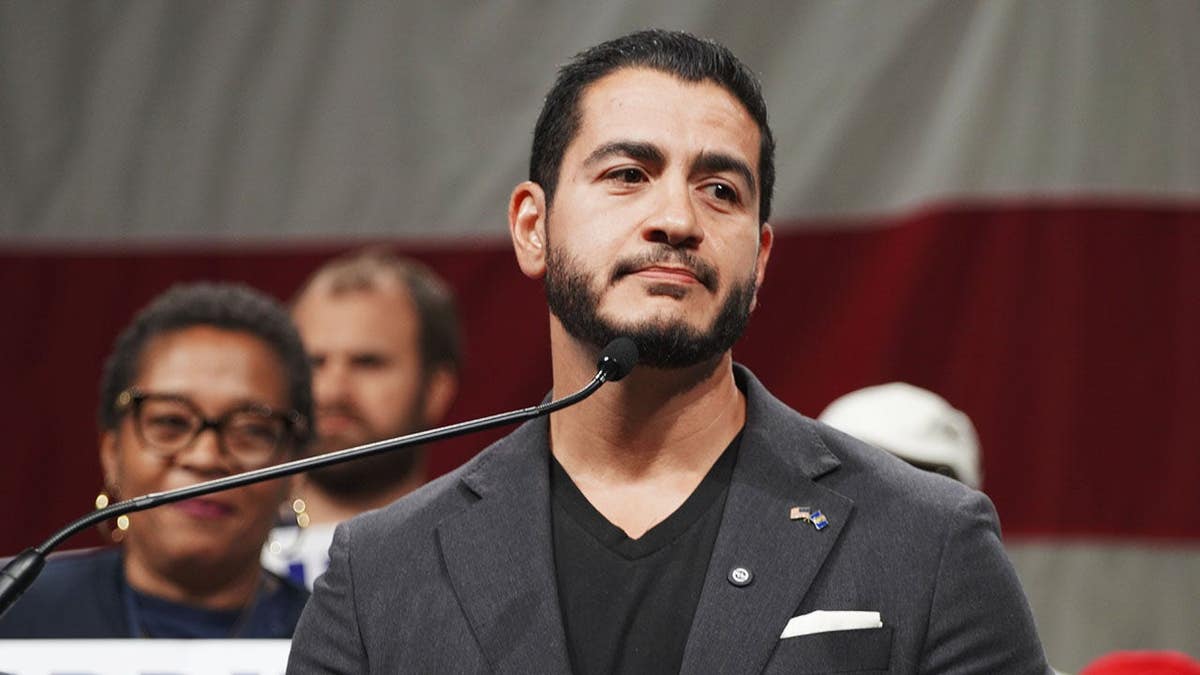
Beyond the exchange on Iran, the town hall featured several other notable moments that underscored the national profile of the event. During a discussion on public health infrastructure, El-Sayed discussed his policy priorities and made a forward-looking reference to national politics, stating his anticipation of working with the next Democratic administration when a female president takes office in January 2029.
The remark coincided with appearances by former Vice President Kamala Harris, the 2024 Democratic presidential nominee, who traveled to Michigan to campaign alongside El-Sayed and bolster down-ballot progressive momentum. Harris has maintained a prominent role on the national campaign trail while keeping potential future electoral plans unconfirmed.
Additionally, El-Sayed addressed ongoing criticisms from national Republican figures, including former President Donald Trump and Vice President JD Vance, who have frequently targeted the Michigan Democrat in campaign speeches. El-Sayed dismissed the attacks with characteristic campaign rhetoric, framing them as opportunities for political discourse.
Implications for the General Election
Analysts note that moments of unscripted confrontation—such as Dashti’s pressing questions regarding Iran—pose distinct challenges for candidates navigating complex cultural and geopolitical fault lines. For El-Sayed, the primary challenge lies in maintaining the enthusiasm of a diverse progressive coalition while reassuring constituents from various immigrant and diaspora communities that their specific histories of trauma and displacement are recognized and respected by their elected officials.
As the race moves toward its final weeks, both the El-Sayed and Rogers campaigns are expected to focus heavily on domestic economic concerns, healthcare access, and public infrastructure. However, as demonstrated on the Ann Arbor campus, international issues and their local reverberations remain potent factors capable of shaping the public discourse and challenging candidates to define their worldviews under direct pressure.