Medicare Part D Stand-Alone Prescription Drug Plan Premiums Projected to Surge 50 Percent in 2027

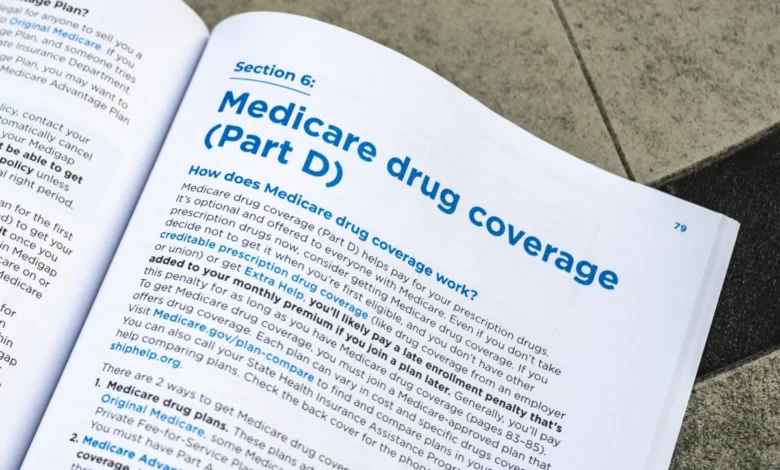
Millions of older adults and individuals with disabilities relying on Medicare stand-alone prescription drug plans face significant financial pressures heading into 2027, as a comprehensive new analysis reveals that average monthly premiums are projected to skyrocket by 50%. This sweeping increase highlights a critical period for beneficiaries, many of whom are already grappling with broader economic anxieties and cost-of-living challenges. While the nationwide average monthly premium for these stand-alone plans is expected to jump from $34 to $51, healthcare policy experts emphasize that active participation in the annual open enrollment period can shield many beneficiaries from the steepest financial hits.
The open enrollment window, which runs annually through December 7, offers a vital opportunity for enrollees to review their current coverage, compare alternative options on the official Medicare marketplace, and transition to more cost-effective plans. However, healthcare advocates and consumer protection groups worry that millions of policyholders—particularly seniors unfamiliar with digital comparison tools—will remain passive, effectively locking themselves into substantially higher expenses for the upcoming calendar year.
Real-World Impact on Beneficiaries
The dramatic scope of these premium hikes is already startling individual policyholders across the nation. For Robert Travis Scott, a resident of Abingdon, Virginia, a routine check of his upcoming mail delivered a shocking financial reality. Scott received an official notice informing him that his AARP-UnitedHealthcare Medicare prescription drug plan premium would surge from $39.60 per month in 2026 to an astonishing $121.90 per month for 2027.
Determined to mitigate the damage, Scott spent a brief amount of time navigating online pricing tools provided through the federal healthcare portal. By thoroughly examining the available alternatives, he successfully located a comparable Humana prescription drug plan priced at just $19.30 a month, maintaining a similar tier of benefits and medication coverage.
Reflecting on his discovery, Scott expressed cautious relief alongside broader apprehension for his peers. He noted that he was deeply stunned by the original plan’s aggressive trajectory and voiced genuine concern that countless other seniors might fail to shop around, ultimately absorbing thousands of dollars in unnecessary expenses. Through a proactive transition, Scott successfully insulated himself from an estimated $1,000 in added out-of-pocket costs for the following year.
The High Stakes of Open Enrollment
Scott’s experience underscores a warning issued by leading health policy organizations. Juliette Cubanski, vice president and director of the Program on Medicare Policy at KFF—a prominent health policy research nonprofit that includes KFF Health News—emphasized that consumer inaction carries severe monetary consequences this cycle.
"With some plans increasing premiums substantially, the stakes are higher this year for people with Medicare stand-alone drug coverage if they sit on the sidelines during open enrollment," Cubanski said.
According to data compiled by KFF, approximately 10.4 million Medicare enrollees—representing roughly 76% of all participants in stand-alone drug plans who do not receive low-income subsidies—will experience a mandatory monthly premium increase in 2027 if they choose to remain in their current policies. This vulnerable total includes approximately 4.1 million beneficiaries currently enrolled in zero-premium plans. These individuals will automatically transition to paying higher monthly fees next year because market shifts dictate that zero-premium stand-alone options will essentially cease to exist.
Broader Economic Context and Political Fallout
The timing of these escalating healthcare costs intersects directly with intense political scrutiny, emerging as a central flashpoint ahead of midterm elections. Rising pharmaceutical and healthcare expenses consistently rank among the primary domestic concerns driving voter sentiment.
Against this backdrop, political figures have sparred openly over the effectiveness of federal price-negotiation initiatives. President Donald Trump, whose national approval ratings in late 2026 dipped toward record lows in several tracking polls, has forcefully defended his administration’s legislative and executive efforts to drive down prescription costs. Speaking at a high-profile campaign rally in Chillicothe, Ohio, on October 28, Trump claimed substantial victories in reining in pharmaceutical spending.
"What we’re doing great with is pharmaceuticals, hundreds of billions," Trump told the rally crowd, pointing to the upcoming November 3 midterm elections. "You should win just on this, everybody running. We have the lowest drug prices anywhere in the world. We went from the highest drug prices, we now have the lowest drug prices, favored nations, anywhere in the world."
Despite such optimistic political rhetoric, consumer experiences vary drastically. The actual financial burden borne by individual patients depends heavily on their specific medication regimens, the structure of their chosen health plan, and regional market availability. Furthermore, political opponents and independent policy analysts frequently debate the true reach and immediate savings generated by federal price-setting policies versus the rising baseline premiums driven by broader insurance market dynamics.
Stand-Alone Plans Versus Medicare Advantage
A crucial structural divide defines the modern Medicare landscape: the divergence between traditional Medicare paired with stand-alone Part D plans, and private Medicare Advantage plans that bundle health and drug coverage into a single package.
While stand-alone plan participants face the daunting 50% average premium surge, beneficiaries who receive their prescription drug coverage through private Medicare Advantage plans are insulated from such aggressive hikes. KFF’s comprehensive market analysis indicates that Medicare Advantage enrollees will pay an average of just $9 for drug coverage as part of their broader monthly premiums in 2027, marking an increase of less than $2 per month.
This disparity heavily influences enrollment trends across the country. More than half of all Medicare beneficiaries now opt for Medicare Advantage health plans over traditional Medicare. Current enrollment figures illustrate this shift clearly: nearly 25 million Americans are enrolled in Medicare stand-alone prescription drug plans, while approximately 31 million secure their pharmaceutical benefits through private Medicare Advantage frameworks.
Expanding Deductibles and Coinsurance Pressures
Premiums represent only one facet of the compounding financial challenges facing Medicare participants in 2027. Beyond monthly subscription fees, policyholders across both stand-alone and Medicare Advantage structures must navigate rising annual deductibles and unpredictable cost-sharing designs.
The KFF analysis projects that the average annual deductible for stand-alone prescription drug plans will climb to $643 in 2027, up notably from $540 in 2026. For those receiving drug benefits via Medicare Advantage plans, the average annual deductible will rise to $489, compared to $360 in the previous year.
Compounding these fixed-cost increases is a structural shift in how beneficiaries pay for individual prescriptions. Most Medicare enrollees with drug coverage next year will transition away from traditional fixed copayments toward coinsurance models. Unlike a copayment—which requires a flat, predictable dollar amount for a given medication—coinsurance mandates that the patient pay a fixed percentage of the drug’s total negotiated cost. This mechanism frequently introduces financial unpredictability, as out-of-pocket expenses fluctuate directly with the underlying list price of the pharmaceuticals.
Chronology of Regulatory Shifts and Policy Debates
Understanding the roots of the 2027 premium surge requires examining recent regulatory decisions made by federal health agencies. A primary catalyst behind the projected cost increases appears to be the decision by the Centers for Medicare & Medicaid Services (CMS) in July to prematurely terminate a temporary three-year pilot program.
Originally established to stabilize the Part D marketplace, this federal subsidy program provided direct financial supports to stand-alone plans throughout 2025 and 2026. The explicit intent of the initiative was to artificially suppress premium growth and shield vulnerable beneficiaries from sudden cost shocks following the implementation of major sweeping structural reforms mandated by previous legislation.
However, the leadership of CMS adopted a sharply critical view of the pilot. CMS Administrator Mehmet Oz publicly characterized the subsidy program as an unnecessary and distortionary bailout of the private insurance industry, prompting the agency to halt the financial injections after only two years rather than letting the pilot run its full course.
Health policy researchers immediately warned that cutting the subsidies short would inevitably trigger sharp market corrections. KFF explicitly noted that CMS’s sudden termination of these temporary supports directly accounts for the pronounced premium spikes forecasted for 2027.
Divergent Projections: CMS Versus Independent Analysts
A notable tension exists between the dire forecasts published by independent research organizations and the official projections released by federal regulators.
While KFF’s rigorous review points to a national average stand-alone premium increase of 50%—shifting from $34 to $51—CMS issued an official press release projecting remarkable market stability. Federal calculations estimated that the national average premium for standard Medicare prescription drug plans would experience a negligible rise of just $1, moving from $35 to $36 based on preliminary enrollment data collected in September 2026.
This striking discrepancy has generated intense debate among healthcare economists. KFF publicly observed that CMS failed to transparently disclose the detailed mathematical formulas and calculation methodologies behind its $36 national average projection. Researchers hypothesize that the federal agency’s figures may rely heavily on the speculative assumption that a vast majority of consumers will actively migrate away from expensive legacy plans into newly introduced, highly discounted options during the enrollment window.
When approached for clarification regarding the divergent findings, representatives for CMS did not immediately issue a formal public comment responding to the specifics of the KFF analysis.
Implications for the Future of Senior Healthcare
As the December 7 open enrollment deadline approaches, the broader implications of the 2027 premium landscape extend far beyond individual budgeting. The situation places an extraordinary educational burden on family members, social workers, state health insurance assistance programs (SHIPs), and advocacy organizations to reach out to older Americans.
Without sustained educational campaigns and simplified digital navigation tools, millions of seniors risk absorbing thousands of dollars in avoidable expenses, squeezing fixed retirement budgets already strained by inflation, housing costs, and broader medical inflation. For policymakers, the friction between administrative policy shifts—such as the termination of Part D stabilization subsidies—and real-world consumer impacts promises to remain a dominant debate in federal health policy for years to come.