The Dallas-Fort Worth Metroplex has long served as a fertile breeding ground for musical innovation, birthing global icons such as Erykah Badu, Leon Bridges, and St. Vincent. However, the grassroots infrastructure that allows such talent to emerge—the independent live music venues and small performance spaces—is currently facing an existential crisis. In response to a wave of venue closures and the rising economic pressures on local creatives, the Mullen & Mullen Law Firm has launched a comprehensive cultural intervention known as the Mullen & Mullen Music Project. By establishing a free weeklong music festival, a significant cash prize for local recording artists, and mental health resources for the creative community, the personal injury firm is redefining the role of corporate philanthropy in the North Texas region.
The Economic Fragility of the North Texas Music Ecosystem
The cultural landscape of Dallas and Fort Worth is deeply rooted in its live performance history. From the historic Deep Ellum district to the burgeoning scenes in Fort Worth’s Near Southside, local stages have functioned as essential laboratories for artistic development. Recent years, however, have seen a troubling decline in the number of viable venues. According to industry data from the National Independent Venue Association (NIVA), independent venues across the United States have struggled with a 30% increase in operating costs since 2020, driven by rising insurance premiums, labor costs, and rent hikes.
In Dallas, this national trend has hit home with a series of high-profile closures of mid-sized rooms that once served as the primary "launchpads" for emerging acts. When these venues disappear, the "middle class" of the music industry—artists who have outgrown coffee shops but are not yet ready for arenas—finds itself without a place to play. It was this specific vacuum that caught the attention of Joe Morrison, a senior associate and managing attorney at Mullen & Mullen.
From Grief to Action: The Genesis of the Music Project
The catalyst for the Mullen & Mullen Music Project was personal. Joe Morrison, a lifelong advocate for the Dallas music scene, felt the loss of the local community acutely when a favorite venue he frequented failed to reopen following the pandemic-era lockdowns. Recognizing that the loss of a single venue can have a ripple effect on dozens of local bands, Morrison began drafting a strategy to provide more than just a one-time donation.
Morrison collaborated with music industry consultants to develop a multi-tiered action plan aimed at systemic support. When he presented the proposal to Shane Mullen, the owner of the firm, the response was immediate. Mullen, who manages a firm with five offices across North Texas, saw a direct parallel between the firm’s legal mission and the struggles of local artists.

"Jambaloo exists to support local artists and local venues—they’re the underdogs," Shane Mullen noted. He emphasized that as personal injury lawyers who spend their days litigating against massive insurance corporations, the firm naturally identifies with those fighting for a foothold in a competitive, often unforgiving, environment. This philosophical alignment allowed the project to move from the conceptual stage to its first festival in less than twelve months.
Jambaloo: A New Pillar for the Dallas Festival Calendar
The centerpiece of the firm’s initiative is Jambaloo, a free, weeklong music festival designed to drive foot traffic into local venues while providing high-profile performance opportunities for artists. In its most recent iteration, Jambaloo featured nearly 30 free performances hosted across 14 different venues throughout the Dallas-Fort Worth area.
By making the shows free to the public, the Mullen & Mullen Music Project removes the financial barrier for audiences, encouraging them to discover new local talent. Simultaneously, the firm ensures that the venues and artists are compensated, effectively subsidizing the local music economy for the duration of the event. The festival’s programming is diverse, reflecting the eclectic nature of the DFW scene, ranging from hip-hop and R&B to indie rock and avant-garde electronic music.
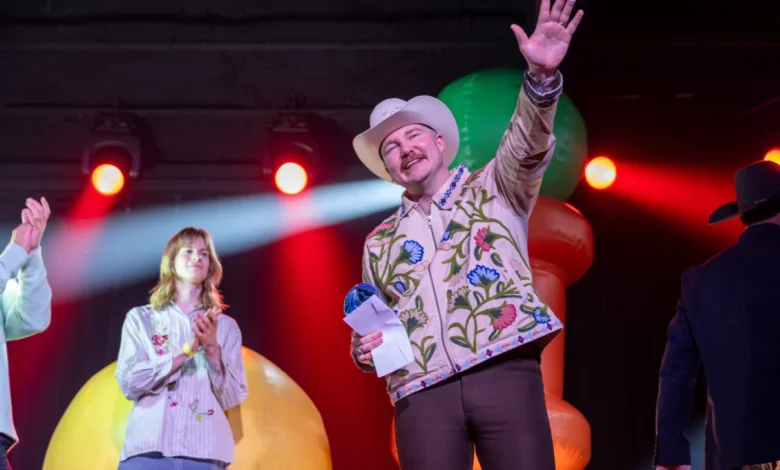
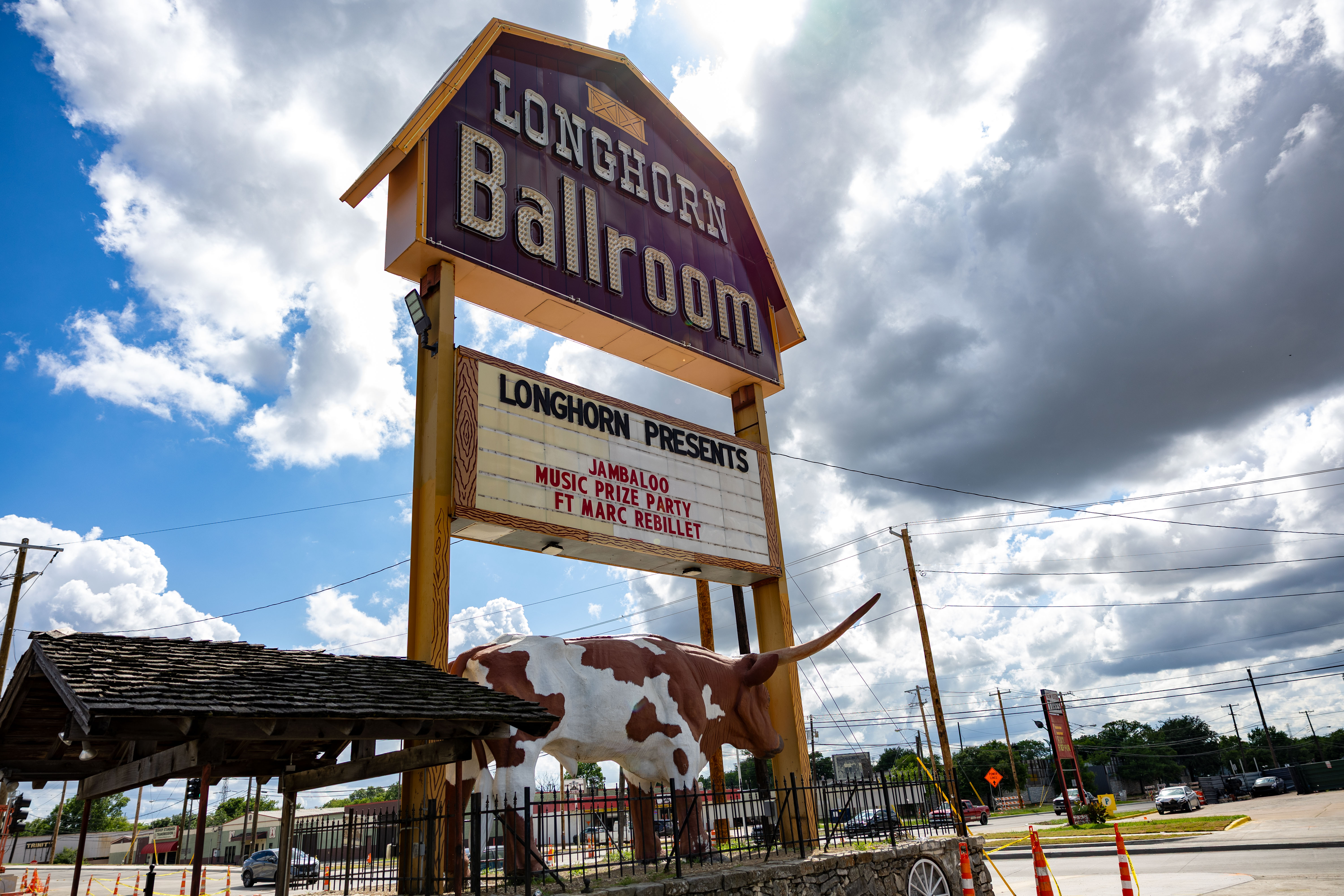
In June 2026, the project reached a new milestone with the hosting of the Jambaloo Music Prize showcase at the historic Longhorn Ballroom. The event featured a headline performance by Marc Rebillet, a Dallas native who achieved international fame as "Loop Daddy." The showcase served as the platform to award the inaugural $20,000 Jambaloo Music Prize, a grant intended to fund the career development of a local artist who released a standout album in the preceding year.
Supporting the Artist as a Whole: Grants and Mental Health
The $20,000 prize, recently awarded to Fort Worth musician Matthew McNeal, represents one of the largest unrestricted cash awards for musicians in the region. Unlike many arts grants that come with strict stipulations on how the money must be spent, the Jambaloo Music Prize acknowledges that artists often need capital for the most basic aspects of career sustainability, such as touring costs, equipment repair, or even living expenses while recording.
Beyond direct financial injections, the Mullen & Mullen Music Project has addressed the often-overlooked issue of mental health within the creative community. Music industry professionals are statistically more likely to experience depression, anxiety, and substance abuse issues compared to the general population, often exacerbated by financial instability and the high-pressure nature of performance.
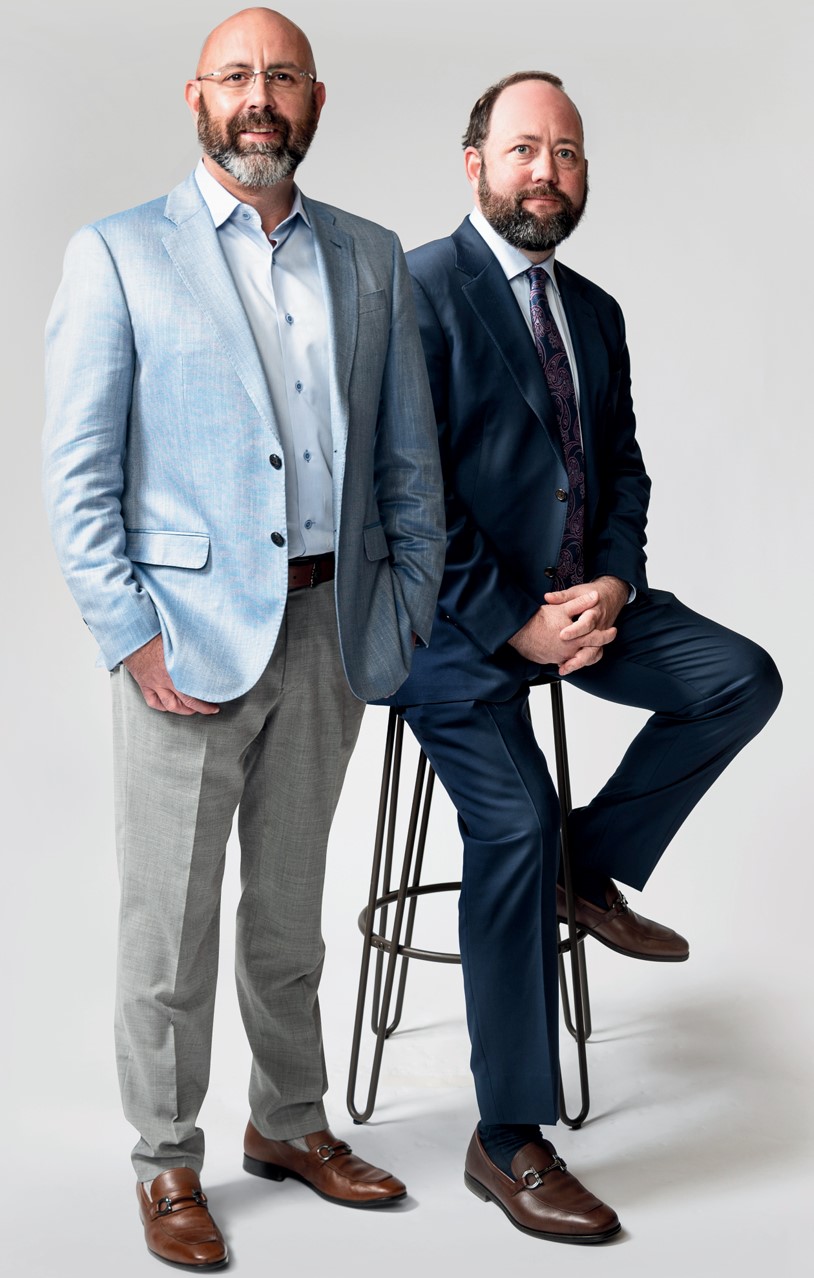
The firm has expanded its partnership with Amplified Minds, a local nonprofit dedicated to providing mental health support tailored to the needs of creatives. For Joe Morrison, this connection was a natural extension of his daily legal work. He noted that in personal injury law, the firm frequently assists clients dealing with post-traumatic stress disorder and other mental health challenges following accidents. Applying that same lens of care to the music community was a logical step in providing holistic support.
Dallas Sounds Amplified: Reclaiming the Streets
In addition to the festival and the prize, the project underwrites "Dallas Sounds Amplified," a formal busking initiative launched through the Dallas Music Office. Busking, or street performing, has historically been a primary way for musicians to hone their craft and build a following in cities like Austin or Nashville. However, navigating city ordinances and securing permits can often be a deterrent for young artists.
Dallas Sounds Amplified provides a structured framework for street performance, including professional development support and designated performance zones. By legitimizing and funding these efforts, Mullen & Mullen is helping to ensure that music remains a visible and audible part of the city’s daily life, even outside of traditional venue hours.
Strategic Philanthropy: The "Authenticity" Marketing Model
While the primary goal of the Mullen & Mullen Music Project is community support, the initiative has also sparked a conversation regarding the evolution of legal marketing. For decades, personal injury firms have relied on high-decibel television commercials, aggressive billboards, and sports sponsorships to maintain brand awareness.
Mullen & Mullen still utilizes traditional marketing—such as charity golf tournaments and transit advertisements—but the Music Project represents a shift toward "experiential branding." The firm’s efforts were recently recognized with an Obelisk Award from the Dallas Business Council for the Arts, an honor typically reserved for major corporations like banks or airlines that provide significant cultural funding.
Media strategist Jaé Joseph, founder of Miami-based Jaé Joseph Studio, suggests that this approach is the future of corporate branding. According to Joseph, the legal landscape is currently saturated with "generic billboards and predictable corporate sponsorships." He argues that true differentiation occurs when a firm connects with the culture of its community in a meaningful way.
"When a firm shows up authentically in spaces where people are experiencing joy and connection, they stop feeling like a cold corporate entity and become a vital part of the community fabric," Joseph stated. The theory is that by fostering an emotional connection during positive life experiences—like a free concert—the firm becomes the "natural" choice when a community member eventually requires legal services.
Analysis of Broader Implications
The success of the Mullen & Mullen Music Project offers a potential blueprint for other mid-sized businesses looking to make a social impact. By focusing on a specific, underfunded niche—local independent music—the firm has managed to generate a level of community goodwill that would be impossible to purchase through standard advertising channels.
Furthermore, the project addresses the "brain drain" often seen in regional music scenes. When local artists feel supported by their home city’s business community, they are less likely to relocate to established hubs like Los Angeles or New York. This retention of talent helps maintain the cultural vibrancy of the Dallas-Fort Worth area, which in turn attracts new residents and businesses, creating a positive economic feedback loop.
As Jambaloo continues to grow, it faces the challenge of sustainability. However, with the firm’s long-term commitment and the increasing involvement of local government entities like the Dallas Music Office, the project appears set to remain a permanent fixture of the North Texas arts scene.
In an era where local venues continue to face economic headwinds, the intervention of a local law firm has provided more than just financial relief; it has provided a sense of stability and validation for the artists who define the sound of Dallas. Through the combination of the Jambaloo festival, the $20,000 music prize, and vital mental health resources, Mullen & Mullen has demonstrated that the "underdogs" of the music world have a powerful ally in the legal community.