Park Hyatt Tokyo Commences Landmark Renovation Marking Three Decades of Influence in Global Hospitality

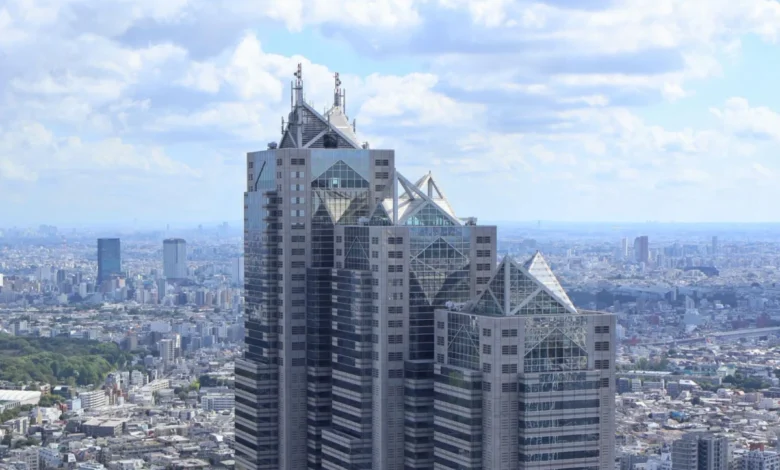
The Park Hyatt Tokyo, an architectural and cultural cornerstone of Japan’s capital, has officially entered a period of suspension to undergo its first comprehensive renovation since opening its doors in 1994. The decision to temporarily close the property follows its 30th anniversary, signaling a strategic pivot by Hyatt Hotels Corporation and the property’s owners, Tokyo Gas Co., Ltd., to modernize the facility while preserving the distinct aesthetic that defined luxury hospitality at the turn of the millennium. Occupying the top 14 floors of the 52-story Shinjuku Park Tower, the hotel has long served as a symbol of Tokyo’s transition into a global financial and cultural hub. The renovation, which began in earnest in May 2024, is scheduled to last approximately 18 months, with a projected reopening in late 2025 or early 2026.
The Architectural Legacy of Kenzo Tange and John Morford
To understand the significance of the current renovation, one must look back to the hotel’s inception. The Shinjuku Park Tower was designed by Kenzo Tange, a Pritzker Prize-winning architect often cited as the father of modern Japanese architecture. Tange’s vision for the building—a trio of interconnected towers with staggered heights—redefined the Shinjuku skyline. The Park Hyatt Tokyo was conceived as a "hotel within a building," occupying floors 39 through 52, a layout that ensured every guest room provided panoramic views of the city or, on clear days, the silhouette of Mount Fuji.
The interior design was spearheaded by the late John Morford, whose approach was revolutionary for the 1990s. Eschewing the traditional, often gaudy opulence of five-star hotels, Morford created a space that felt like a sophisticated private residence. His use of Hokkaido elm, green marble, and hand-tufted carpets created an atmosphere of "quiet luxury" long before the term became a marketing staple. The hotel’s layout, featuring a library with over 2,000 volumes and art installations by Satoru Sato and Mieko Yuki, prioritized intellectual stimulation and privacy over public spectacle.
A Cultural Phenomenon: The Lost in Translation Effect
The Park Hyatt Tokyo’s place in the global zeitgeist was cemented in 2003 with the release of Sofia Coppola’s Academy Award-winning film Lost in Translation. The film, starring Bill Murray and Scarlett Johansson, used the hotel not merely as a backdrop but as a central character. The New York Grill on the 52nd floor and the Peak Lounge on the 41st floor became pilgrimage sites for international travelers.
Industry analysts note that the "Coppola effect" provided the hotel with an unprecedented level of brand equity. For decades, the property maintained high occupancy rates and premium pricing based on its cinematic associations. However, as the global luxury market evolved, the physical infrastructure of the hotel began to show its age. While the service remained world-class, the technical requirements of modern travelers—ranging from integrated smart-room technology to sustainable energy systems—necessitated a deep-tissue overhaul of the 177-room property.
Chronology of an Icon: 1994 to 2024
The timeline of the Park Hyatt Tokyo reflects the broader trajectory of the Japanese economy and the evolution of the global travel industry:
- July 1994: The Park Hyatt Tokyo opens, introducing the "Park Hyatt" brand’s high-touch, intimate service model to Asia.
- 2003: The release of Lost in Translation transforms the hotel into a global cultural icon.
- 2011: Following the Great East Japan Earthquake, the hotel undergoes minor seismic retrofitting and updates its safety protocols while maintaining its status as a sanctuary for international residents in Tokyo.
- 2019: Amidst a surge in inbound tourism to Japan, the hotel records some of its highest average daily rates (ADR).
- 2020–2022: The COVID-19 pandemic leads to temporary closures and a shift toward domestic "staycation" markets.
- 2023: Hyatt announces plans for a full-scale renovation to coincide with the property’s 30th anniversary.
- May 7, 2024: The hotel officially ceases operations to begin the multi-year renovation project.
Strategic Objectives and the Renovation Scope
The renovation is being handled by Jouin Manku, a Paris-based design agency known for its work with luxury brands like Van Cleef & Arpels and Alain Ducasse. The selection of a French firm suggests a desire to maintain the hotel’s international, cosmopolitan identity while introducing contemporary European sensibilities.
According to statements from Hyatt, the renovation will cover all guest rooms and suites, public spaces, and dining facilities. A primary technical focus is the replacement of the building’s mechanical, electrical, and plumbing (MEP) systems, which have reached the end of their 30-year lifecycle.
Key areas of focus include:
- Guest Room Modernization: Enhancing digital connectivity, climate control efficiency, and acoustic insulation.
- Culinary Evolution: While the New York Grill and Bar are expected to retain their iconic layout, the kitchens and dining areas will be updated to meet modern culinary standards and sustainability practices.
- Wellness Facilities: The Club on the Park, the hotel’s renowned spa and fitness center on the 47th floor, will be expanded to include more comprehensive wellness programming, reflecting the post-pandemic shift toward health-focused travel.
Market Context: Competition in the Tokyo Luxury Sector
The timing of the renovation is strategically calculated. The Tokyo luxury hotel market has become increasingly crowded over the last decade. Since 2014, the city has seen the entry of major competitors including Aman Tokyo, The Peninsula, The Ritz-Carlton, and more recently, the Bulgari Hotel and the Janu Tokyo (the first sister brand of Aman).
Data from the Japan National Tourism Organization (JNTO) indicates that while luxury room supply has increased by over 25% in the last five years, demand for high-end accommodations remains robust. In early 2024, Tokyo’s luxury hotels reported average occupancy rates exceeding 75%, with ADRs often surpassing 150,000 JPY (approximately $1,000 USD). By renovating now, the Park Hyatt Tokyo aims to reclaim its position at the top of the market, ensuring it can compete with newer properties that offer more modern hardware.
Official Reactions and Economic Impact
The closure has elicited responses from both industry veterans and loyal patrons. "The Park Hyatt Tokyo is more than just a hotel; it’s a benchmark for the industry," said a representative from the Japan Hotel Association. "Its decision to undergo a total renovation rather than minor cosmetic updates shows a long-term commitment to the Tokyo market."
The economic impact of the closure is significant. During the 18-month hiatus, hundreds of staff members have been redeployed to other Hyatt properties across Japan or provided with professional development opportunities. This human capital strategy is essential in Japan’s tightening labor market, where skilled hospitality professionals are in high demand.
From a real estate perspective, the renovation is expected to increase the valuation of the Shinjuku Park Tower. As Shinjuku undergoes its own massive redevelopment—including the "Shinjuku Grand Terminal" project aimed at revitalizing the world’s busiest railway station—the Park Hyatt will serve as the western anchor of the district’s luxury corridor.
Broader Implications for the Hospitality Industry
The Park Hyatt Tokyo’s transformation serves as a case study for "legacy luxury" properties worldwide. It highlights the tension between maintaining a beloved brand identity and the necessity of technological and environmental updates. In an era where sustainability is a key driver for high-net-worth travelers, the overhaul of the hotel’s energy systems is not just a maintenance requirement but a competitive necessity.
Furthermore, the project underscores the resilience of the Japanese tourism sector. Despite the challenges of the past few years, the investment in a multi-million dollar renovation of a 30-year-old property demonstrates immense confidence in Tokyo’s status as a top-tier global destination.
Conclusion: Looking Toward 2026
As the black Japanese crows continue to circle the thermal updrafts of the Shinjuku Park Tower, the interior of the Park Hyatt Tokyo remains a hive of construction activity. The challenge for Jouin Manku and Hyatt management will be to capture the "lightning in a bottle" that made the original Morford design so successful—the sense of being suspended in time, high above the frantic pace of Tokyo—while delivering a product that meets the expectations of the 21st-century traveler.
When the hotel reopens its doors, it will do so in a Tokyo that looks vastly different from the city of 1994. Yet, the core appeal of the Park Hyatt—its anticipatory service, its panoramic isolation, and its status as a cultural touchstone—is expected to remain the foundation of its next thirty years. For the international travel community, the reopening will not just be the return of a hotel, but the restoration of a landmark.