
Elecciones El Salvador Incendios Chile
Elecciones El Salvador: Incendios Chile – A Convergence of Crises and Their Global Implications
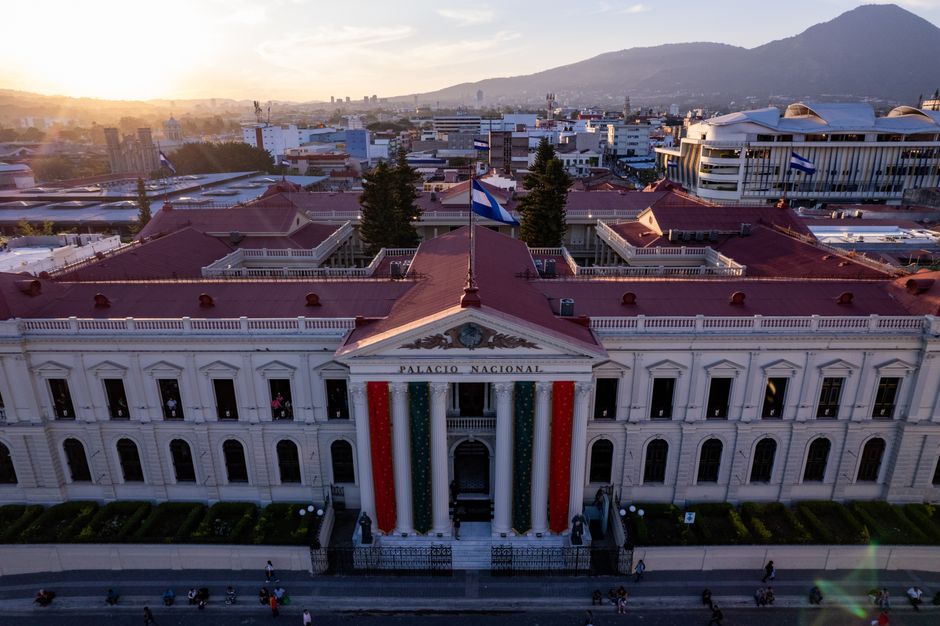
The intersection of political upheaval in El Salvador and devastating wildfires in Chile, while geographically distinct, presents a complex tapestry of interconnected global challenges. Understanding these events requires a deep dive into their respective contexts, the underlying causes, and the potential ripple effects on regional stability, international relations, and the broader discourse on climate change and governance. El Salvador, under the increasingly authoritarian leadership of Nayib Bukele, has undergone a significant political transformation. His administration’s focus on combating gang violence, while initially met with widespread public approval, has come at the cost of democratic erosion. The controversial suspension of constitutional rights, mass arrests, and the militarization of public spaces have fundamentally altered the nation’s political landscape. This shift has profound implications for human rights, the rule of law, and El Salvador’s standing on the international stage. The implications for future elections are stark: while Bukele’s popularity remains high, the legitimacy of electoral processes is increasingly questioned in the absence of robust democratic checks and balances. The concentration of power, the suppression of dissent, and the potential for electoral manipulation cast a long shadow over the democratic future of the nation. Foreign policy decisions, too, are increasingly viewed through the lens of Bukele’s “tough on crime” agenda, potentially impacting regional security cooperation and international aid.
Concurrently, Chile has been grappling with an unprecedented and devastating wildfire season. These infernos, exacerbated by a severe drought intensified by climate change and fueled by El Niño phenomena, have ravaged vast swathes of the country, particularly the Valparaíso region. The scale of destruction is immense, resulting in significant loss of life, displacement of thousands, and extensive damage to infrastructure, homes, and ecosystems. The socio-economic impact is profound, threatening agricultural livelihoods, tourism, and the delicate balance of Chile’s natural environment. The government, under President Gabriel Boric, has declared states of catastrophe and mobilized emergency services, but the sheer magnitude of the crisis has stretched resources thin. This natural disaster, amplified by environmental factors, raises critical questions about disaster preparedness, climate change mitigation strategies, and the resilience of infrastructure in vulnerable regions. The long-term consequences for biodiversity, water resources, and the psychological well-being of affected communities will be felt for years to come. The economic burden of reconstruction and recovery will undoubtedly strain national budgets, potentially impacting social programs and development initiatives.
The convergence of these distinct crises offers a powerful lens through which to examine the fragility of governance, the escalating impacts of climate change, and the interconnectedness of global issues. In El Salvador, the narrative of security and order has overshadowed concerns about democratic institutions, illustrating a broader trend in some nations where immediate, albeit often heavy-handed, solutions are prioritized over long-term democratic health. Bukele’s electoral victories, fueled by a promise of tangible results against gang violence, highlight a global phenomenon where populations, frustrated by prolonged instability, may be willing to accept authoritarian tendencies in exchange for perceived security. This presents a challenge for international bodies and democratic allies who advocate for human rights and due process. The suppression of independent media and the judiciary in El Salvador raises red flags for international observers and can lead to economic sanctions or diplomatic isolation, further complicating the nation’s development trajectory. The risk of backsliding on democratic norms is a significant concern for regional stability, as it can embolden similar authoritarian movements elsewhere.
Conversely, the Chilean wildfires serve as a stark and undeniable manifestation of climate change’s destructive power. The intensity and frequency of such events are projected to increase as global temperatures continue to rise. This crisis underscores the urgent need for robust climate action, including ambitious emissions reduction targets, investments in renewable energy, and the development of effective adaptation strategies. The economic cost of these fires, in terms of immediate relief, long-term recovery, and lost productivity, is staggering and will likely necessitate international assistance, further highlighting the global nature of climate-induced disasters. The Chilean experience emphasizes that even countries with relatively strong democratic institutions and advanced economies are not immune to the devastating consequences of a changing climate. The interconnectedness of environmental degradation and socio-economic stability is undeniable. The long-term impact on food security due to agricultural losses and the displacement of communities will require significant national and international efforts to address.
The implications of these parallel events for El Salvador’s electoral future are particularly noteworthy. While Bukele’s current popularity is undeniable, sustained erosion of democratic institutions and freedoms can, in the long run, breed resentment and instability. The upcoming electoral cycles in El Salvador will be closely watched by international observers to gauge the health of its democratic processes. Any perceived irregularities or lack of genuine competition could further alienate international partners and impact foreign investment. The narrative of progress and stability built on suppressing dissent is inherently fragile. The suppression of opposition voices and the control of information can create an illusion of consensus, but underlying grievances can fester and manifest in unpredictable ways. The international community’s response to El Salvador’s democratic backsliding will also play a crucial role. Sanctions, condemnation, or, conversely, tacit acceptance can all influence the trajectory of the nation’s political development and its future electoral outcomes.
The Chilean wildfires, on the other hand, highlight a different kind of electoral pressure. In the aftermath of such a devastating natural disaster, governments face immense scrutiny regarding their disaster preparedness, response capabilities, and long-term climate policies. President Boric’s administration will be judged on its ability to manage the immediate crisis, provide relief to affected populations, and implement effective strategies to mitigate future risks. The economic recovery process and the equitable distribution of resources for rebuilding will be key factors in public opinion and future electoral considerations. The long-term implications for Chilean agriculture and the sustainability of its export-oriented economy are significant, potentially leading to shifts in political priorities and voter concerns. The debate around climate change policy, resource management, and national resilience will likely intensify, shaping the political discourse for years to come. The government’s ability to demonstrate effective leadership and deliver tangible solutions will be crucial for its political future.
Globally, the juxtaposition of these events offers critical lessons. El Salvador’s trajectory serves as a cautionary tale about the allure of authoritarianism in the face of perceived disorder and the potential for democratic backsliding when security concerns eclipse fundamental rights. It underscores the importance of robust democratic institutions, an independent judiciary, and a free press as essential bulwarks against the erosion of liberty. The international community’s role in supporting democratic principles and holding leaders accountable for human rights violations remains paramount, even when faced with complex security challenges. The global rise of populist leaders who leverage fear and promise swift solutions requires a sustained commitment to promoting democratic values and empowering civil society.
Chile’s experience, meanwhile, is a visceral reminder of the undeniable and escalating impacts of climate change. It emphasizes that climate change is not a distant threat but a present reality that demands immediate and decisive action. The need for increased investment in climate adaptation and mitigation, the transition to sustainable energy sources, and international cooperation to address this global crisis has never been more urgent. The economic and social costs of inaction are simply too high. The global community must move beyond rhetoric and commit to ambitious, concrete actions to limit global warming and build resilience against its inevitable consequences. The interconnectedness of environmental degradation and human well-being necessitates a holistic approach that integrates climate action into all aspects of national and international policy.
Furthermore, the economic implications of both situations are significant and interconnected. In El Salvador, the perceived authoritarian shift and the associated risks to democratic norms can deter foreign investment, impacting economic growth and the nation’s ability to address social issues. International financial institutions and donor countries may impose conditions tied to democratic governance and human rights, influencing the nation’s economic policy. The focus on security spending, while understandable, can divert resources from essential public services and long-term development projects. In Chile, the immediate economic impact of the wildfires is devastating, with billions of dollars in damages. The long-term recovery will require substantial financial resources, potentially impacting the national debt and the government’s ability to fund other critical areas. The disruption to key industries, such as agriculture and tourism, will have a cascading effect on employment and economic stability. International aid and financial support will likely be crucial for Chile’s recovery.
The environmental consequences are equally profound. El Salvador’s focus on security has not necessarily translated into robust environmental protection policies, and continued environmental degradation could exacerbate social and economic vulnerabilities. In Chile, the widespread destruction of forests and natural habitats will have long-lasting impacts on biodiversity, water cycles, and the carbon sequestration capacity of the affected regions. The long-term ecological recovery will be a complex and challenging process, requiring significant conservation efforts and sustainable land management practices. The increased frequency of extreme weather events, driven by climate change, poses a constant threat to both countries, highlighting the need for proactive environmental stewardship and resilient infrastructure development.
The convergence of political instability in El Salvador and environmental catastrophe in Chile, therefore, transcends their geographical boundaries. They are powerful case studies that illustrate the complex interplay of governance, democracy, climate change, and socio-economic resilience in the 21st century. The lessons learned from these events, if heeded, can inform more effective policy-making, foster greater international cooperation, and ultimately contribute to a more stable, sustainable, and just global future. The ability of nations to navigate these multifaceted challenges will determine their long-term prosperity and the well-being of their citizens. The interconnectedness of global challenges demands a coordinated and multifaceted response that addresses both immediate crises and their underlying systemic causes.
