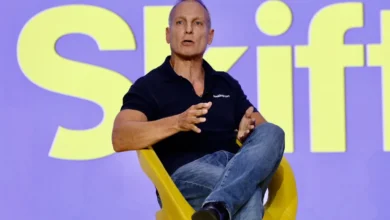
Hong Kong is widely considered one of the most challenging cities in the world to operate a restaurant, characterized by a roiling cauldron of shifting consumer tastes, cutthroat competition, and punishing economic realities. Amidst this high-stakes landscape, where real estate costs are among the highest globally and profit margins are perpetually squeezed, one individual has emerged as a central architect of culinary visibility: publicist Geoffrey Wu. With a decade of experience helming his consultancy, The Forks and Spoons, Wu has become the gatekeeper to the city’s most coveted tables, bridging the gap between world-class kitchens and a discerning, trend-sensitive dining public.
The complexity of the Hong Kong dining scene cannot be overstated. It is a market defined by rapid cycles of relevance, where the longevity of a dining destination often rests on the precision of its launch and the strength of its public narrative. Wu, who represents prestigious establishments like the two-Michelin-starred TATE Dining Room and the highly sought-after Ando, occupies a unique position. He is not merely a publicist; he is a strategic consultant who operates with the intensity of a high-performance coach, focusing on operational flow, menu engineering, and, most crucially, the human element of hospitality.
A Career Forged in the Crucible of F&B
Wu’s trajectory into the industry was unconventional. After his departure from the Hong Kong University of Science and Technology—a move he famously attributes to prioritizing card games at a local McDonald’s over his studies—he found his footing in the professional world within the high-pressure environment of Amber, the celebrated French restaurant led by Richard Ekkebus. His tenure there in 2005 provided a foundational understanding of the rigorous standards required to maintain a world-class reputation.
In the years following his stint at Amber, Wu navigated various marketing roles before officially launching The Forks and Spoons in 2012. Over the last ten years, the firm has evolved into a powerhouse, representing a portfolio of restaurants that consistently secure top-tier accolades and dominate social media discourse. His approach is markedly distinct from traditional public relations; he is known for a blunt, results-oriented methodology that prioritizes the health of the business over the ego of the client. He frequently engages in direct, sometimes heated, critiques of his clients’ operations to ensure that when the doors open, the guest experience is seamless.
The Economics of a High-Stakes Market
The necessity for such a rigorous approach is rooted in the harsh economic environment of Hong Kong. The city holds the title of the world’s most expensive rental market, and the cost of imported ingredients is significantly higher than in neighboring regions. According to data from the Census and Statistics Department, Hong Kong households spent an average of HKD 60,539 (approximately US$7,761) on meals out and takeaway food during the 2019-2020 fiscal period. This figure is double the average expenditure of households in the New York metropolitan area for the same period, underscoring the vital role dining out plays in the local lifestyle.

This high level of spending, however, comes with high expectations. Because the market is geographically condensed, news of a lackluster opening travels fast. If a restaurant fails to impress during its critical first few weeks, the probability of a second chance is slim, as diners have an abundance of alternatives. Wu’s strategy centers on ensuring that the "opening" is not merely an event, but a sustained launch that builds immediate, positive word-of-mouth momentum. A prime example is the recent debut of Bluhouse at the Rosewood Hotel, which, through meticulous pre-opening strategy and operational oversight, saw its reservation book filled months in advance.
The Evolution of the Chef’s Role
The landscape of the Hong Kong culinary scene has shifted dramatically since the arrival of the Michelin Guide in 2009. Historically, the role of a chef was confined to the kitchen; today, it is an integrated position that demands public engagement, relationship management, and social media presence. Wu emphasizes that modern diners, bloggers, and influencers are looking for a "human connection."
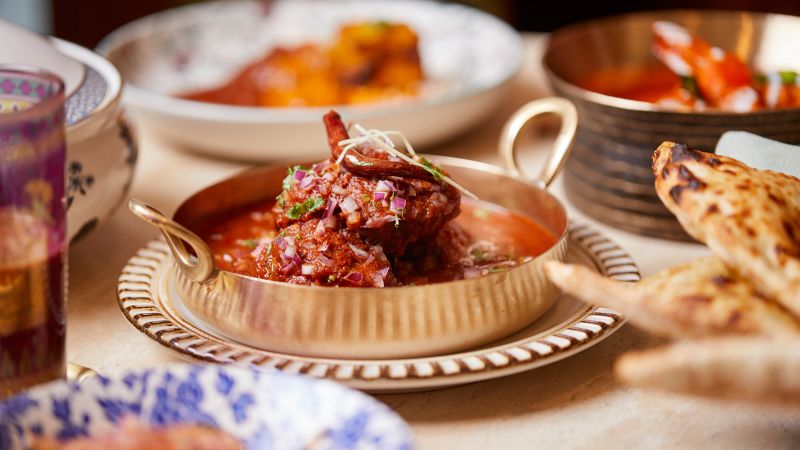
This shift has required chefs to step out from behind the pass. Wu’s role involves coaching chefs—some of whom are naturally introverted—to interact with guests, take photographs, and build a narrative around their culinary identity. He cites the success of Chef Manav Tuli of the restaurant Chaat as a benchmark. When Tuli arrived in Hong Kong, he was relatively unknown in the local market. Through a partnership with The Forks and Spoons, Tuli was integrated into the city’s social and professional culinary fabric. Today, Chaat is one of the most difficult tables to secure in the city, having earned a Michelin star within two years of operation. The success is attributed to both Tuli’s innovative menu—which features a unique fusion of Indian cuisine with local seafood influences—and a service team that is expertly trained to articulate the stories behind the food.

The "Chief Entertainment Officer" Approach
Wu’s methodology extends to his off-duty hours, which are frequently spent organizing exclusive lunches for critics, journalists, and fellow chefs. These gatherings often take place at restaurants outside his direct portfolio, serving as a neutral ground for industry networking and idea exchange. These sessions are rarely just social; they serve as a testing ground for new menu concepts.
For instance, at a recent lunch at the three-Michelin-starred Forum Restaurant, executives and chefs utilized the meal to solicit feedback on a new, unreleased dessert concept. By inviting industry gatekeepers to witness the preparation of these dishes—such as the tableside caramelization of apple fritters—Wu facilitates a collaborative atmosphere that generates buzz long before a new item is officially added to a menu. He describes this as "chief entertainment officer" work, noting that authentic relationships are built through consistent, meaningful engagement rather than the transactional nature of press releases or cold-calling.
Strategic Refinement and Longevity
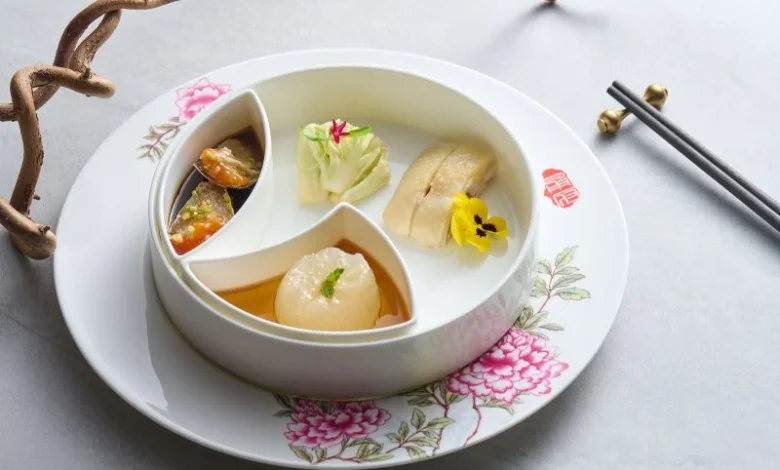
Despite his success, Wu remains cognizant of the "shelf life" inherent in the restaurant industry. He frequently warns clients that being the trendiest spot in the city is a temporary state, and failure to innovate leads to inevitable obsolescence. His current work with the Michelin-starred Ningbo restaurant, Yong Fu, highlights his focus on strategic refinement.

Recognizing that many local diners confuse Ningbo cuisine with the more ubiquitous Shanghai style, Wu has worked with the restaurant to curate a tasting menu that highlights the region’s distinct "savory, umami, and sticky" flavor profiles. By trimming an overly extensive, confusing menu into a focused tasting experience and deploying staff to explain the cultural significance of dishes like wax gourd and yellow croaker, he is helping the establishment reach a broader, more appreciative audience.
Broader Implications for the Industry
The work of Geoffrey Wu and The Forks and Spoons underscores a wider trend in global luxury dining: the professionalization of the public-facing aspects of the culinary arts. In a city where the barriers to entry are high and the margin for error is non-existent, the role of a specialized consultant has transitioned from a luxury to a necessity. The success of the restaurants in his portfolio provides a blueprint for how establishments can navigate the volatility of the post-pandemic market.
By treating the restaurant as a living, breathing entity that requires constant refinement—from the flow of the dining room to the narrative delivered by the staff—Wu’s approach highlights the necessity of adaptability. As the culinary industry continues to face economic headwinds and changing consumer behaviors, the integration of public relations, operational consulting, and relationship management appears to be the most effective strategy for survival. For Wu, the objective remains clear: to continue pushing, refining, and supporting his clients until they reach the "finishing line"—even if that line is constantly moving. His morning runs through the quiet, waking streets of Hong Kong serve as both his personal discipline and a metaphor for his professional philosophy: the work is endless, the city is unforgiving, and the only path to staying ahead is to keep moving forward.