Paving the BR-319: Brazil’s High-Stakes Dilemma Over the Amazon’s Final Frontier

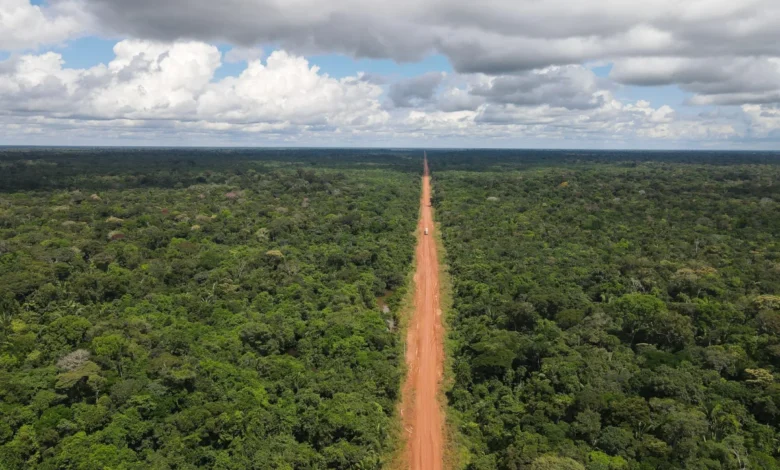
The battle over Brazil’s BR-319 highway encapsulates the fundamental tension of modern conservation: balancing the economic survival of millions against the preservation of a planetary climate stabilizer. Stretching 540 miles through the heart of the Amazon rainforest, the unpaved highway is the sole overland route connecting the vast, isolated state of Amazonas to the rest of Brazil. For decades, truckers like Carlos Santos have navigated its treacherous, mud-choked terrain, enduring days of isolation amid dense jungle and wildlife. Yet, as federal plans to fully asphalt the route move forward following years of political and legal maneuvering, scientists, Indigenous groups, and policymakers find themselves locked in a fierce debate over whether the paved road will serve as an engine of regional development or the catalyst for irreversible deforestation.
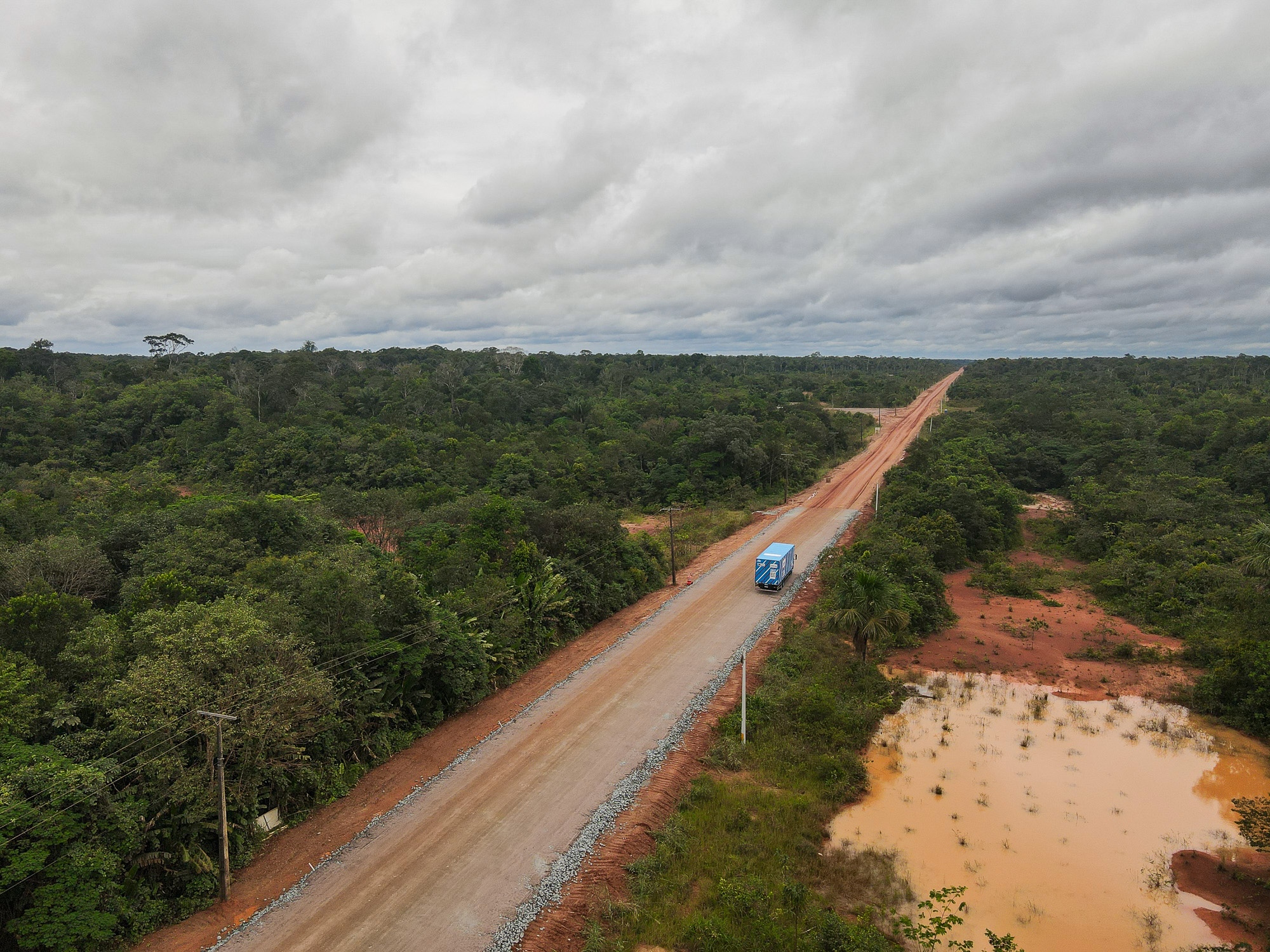
A Legacy of Isolation and the Reality of the Route
For generations, the geographic isolation of Amazonas—a state twice the size of Texas with a population of 4.2 million—has placed a heavy burden on its residents and economy. The capital city of Manaus, home to over two million people, operates as a major industrial hub driven by tax incentives established in the 1960s. However, the vast majority of goods, manufacturing materials, and medical supplies must enter and leave the city via slow river barges or expensive air transport. Proponents of paving the BR-319 argue that this heavy reliance on water routes leaves the region vulnerable to extreme weather events, such as the severe droughts that have increasingly paralyzed Amazonian river navigation in recent years.
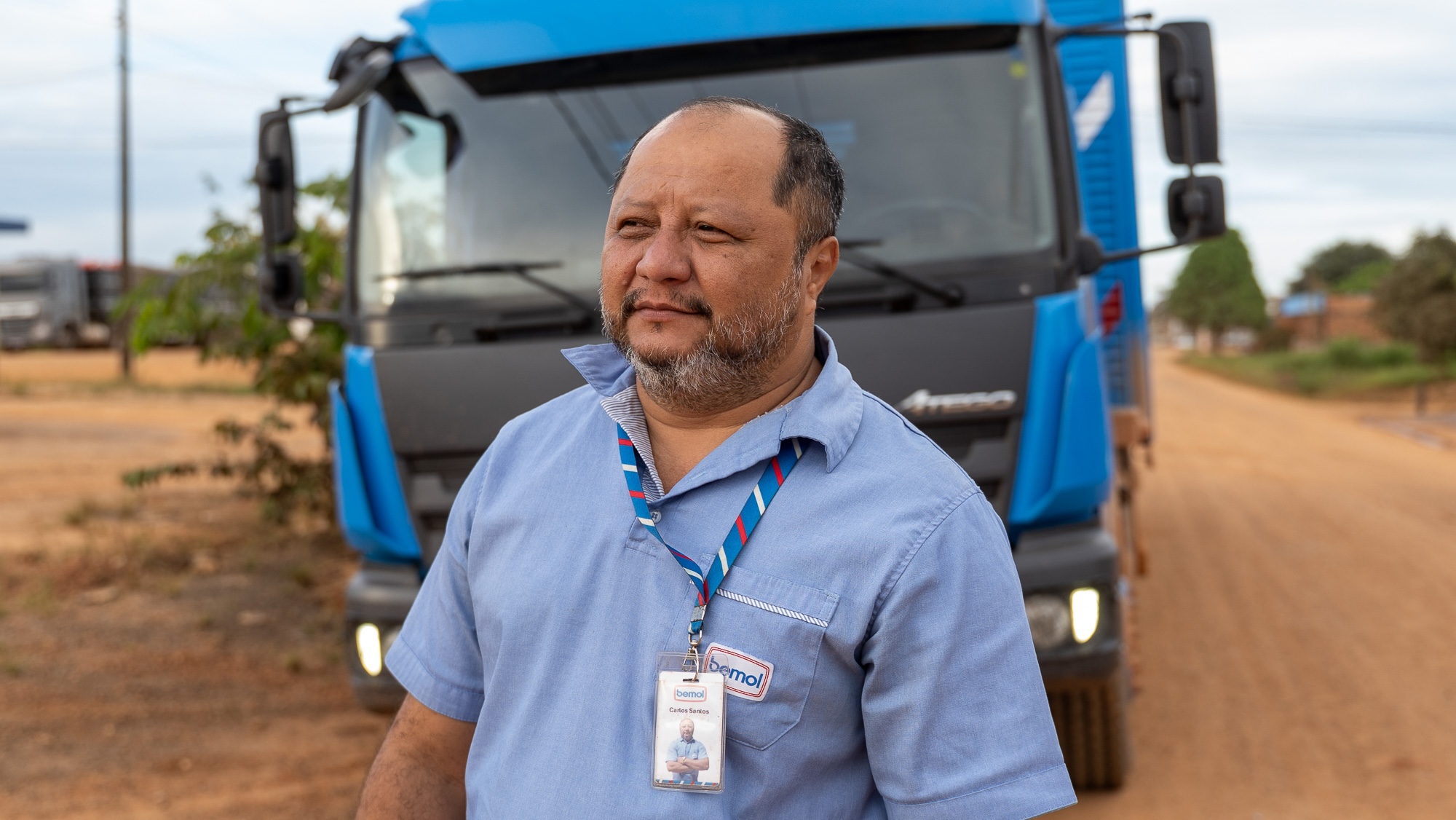
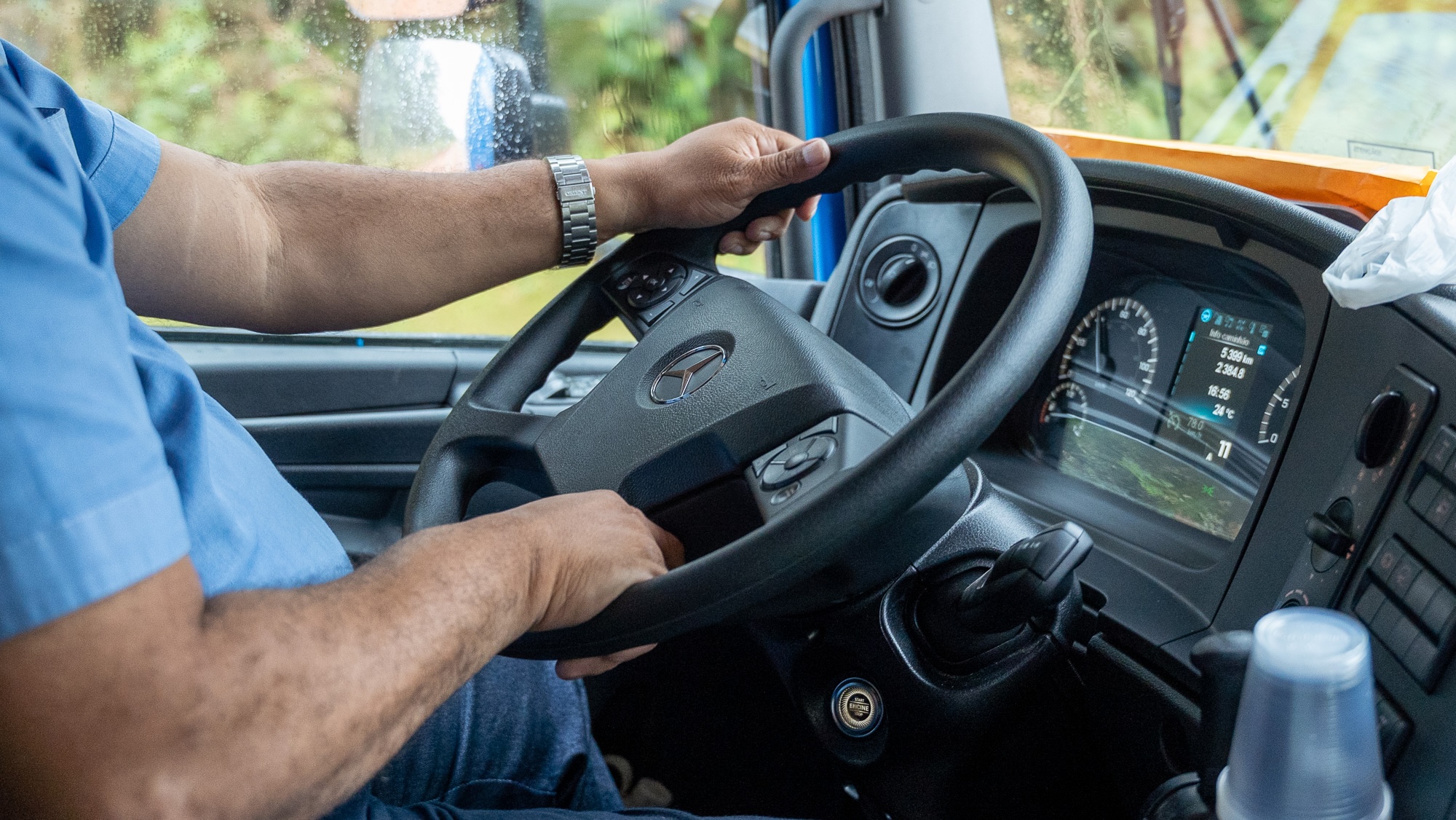
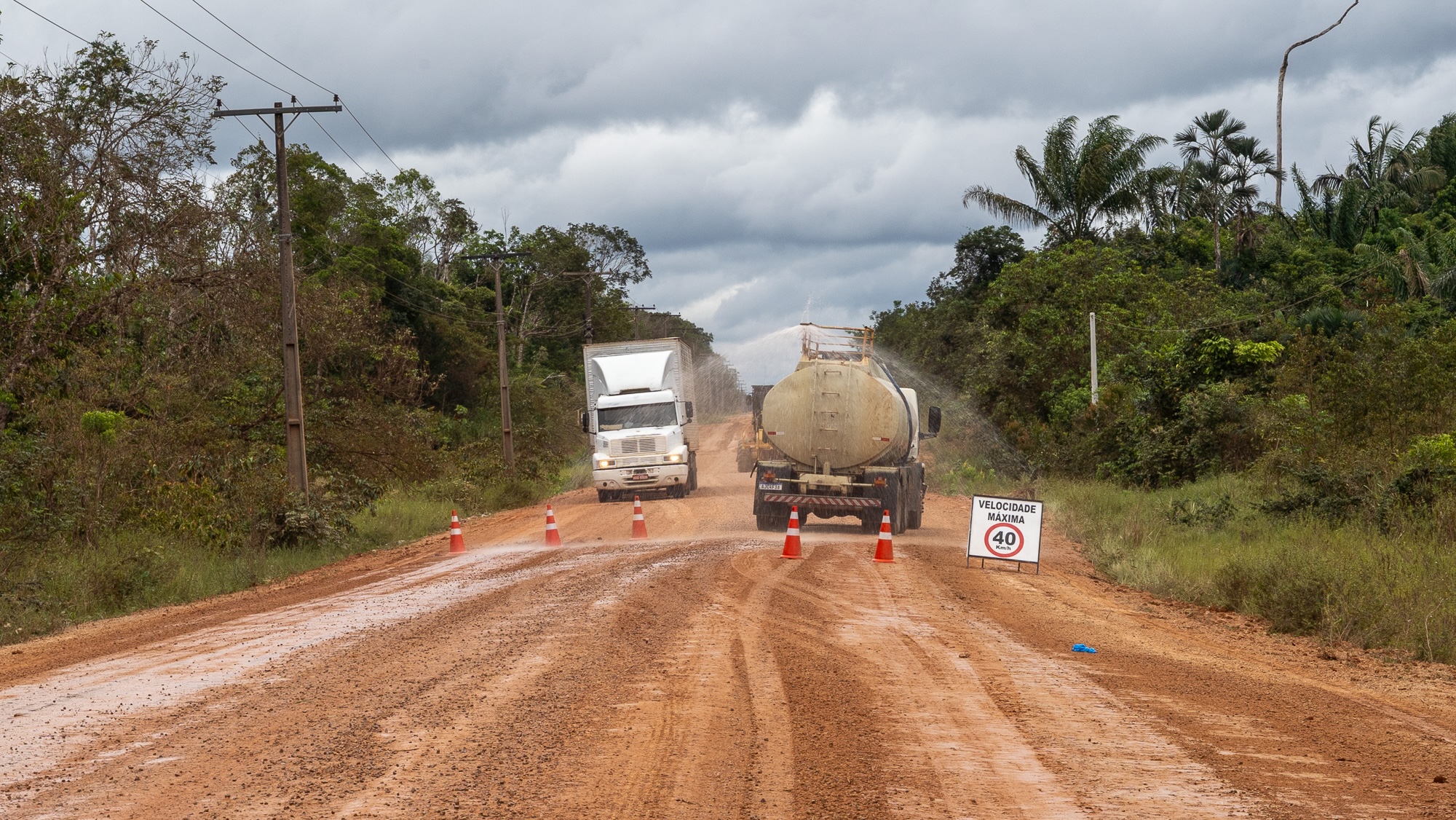
For commercial drivers, navigating the BR-319 has historically been an exercise in endurance. During the rainy season, sudden downpours transform the clay road into thick sludge, trapping truck convoys for weeks. Drivers routinely ration food and water while waiting for heavy machinery to clear the path. In the dry season, the unpaved surface creates clouds of dense dust and forms harsh ridges known locally as "cow ribs," which test the structural integrity of transport vehicles and inflict chronic injuries on drivers. Despite these hazards, freight transport remains essential for the economic vitality of the region, carrying everything from kitchen appliances to pharmaceuticals between Manaus and Porto Velho, the capital of Rondônia.
Historical Chronology and Political Shifts
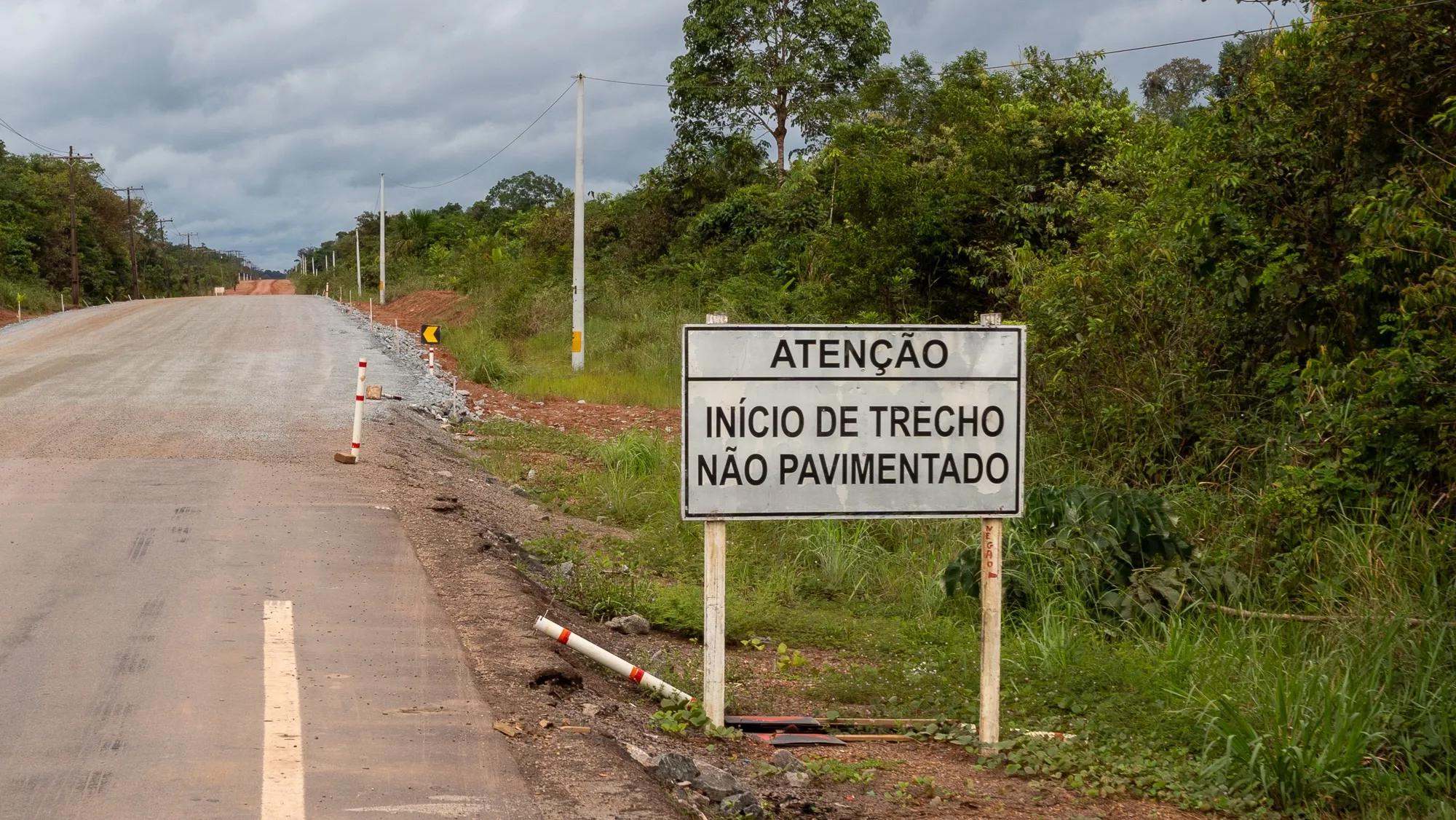
The history of the BR-319 is deeply intertwined with Brazil’s broader trajectory of Amazonian development and deforestation. Originally constructed in 1976 under the country’s military dictatorship, the highway was fully paved during its initial opening. However, maintaining asphalt across a low-lying, highly dynamic tropical ecosystem proved financially and logistically unsustainable. By 1988, heavy seasonal rains and erosion had eroded the surface, bus companies abandoned the route, and the surrounding forest rapidly reclaimed the asphalt. For decades, the highway remained virtually impassable, serving primarily local communities and occasional travelers.
A turning point arrived in 2015 when federal regulators issued a license for the cleanup, bridge reconstruction, and routine maintenance of the roadway, allowing traffic to resume under precarious conditions. The political landscape shifted dramatically following the 2018 election of President Jair Bolsonaro, a far-right leader who campaigned on loosening environmental regulations and encouraging mining, logging, and agribusiness in the Amazon. The mere announcement of government intent to repave the BR-319 triggered a 122 percent surge in deforestation within the surrounding highway corridor between 2020 and 2022, outpacing the broader Amazonian deforestation rate.
Although federal courts repeatedly blocked the paving project due to licensing irregularities, political momentum shifted again in 2025. Brazil’s pro-agribusiness Congress passed legislation exempting existing infrastructure projects from rigorous environmental licensing requirements. Despite efforts by President Luiz Inácio Lula da Silva to veto portions of the bill, Congress successfully overrode the vetoes, opening the door for the Ministry of Transportation to initiate bidding for paving contracts. By mid-2026, the federal government officially advanced plans to bring the entire highway under construction, backed by a roughly $300 million budget.
Scientific Warnings and Environmental Implications
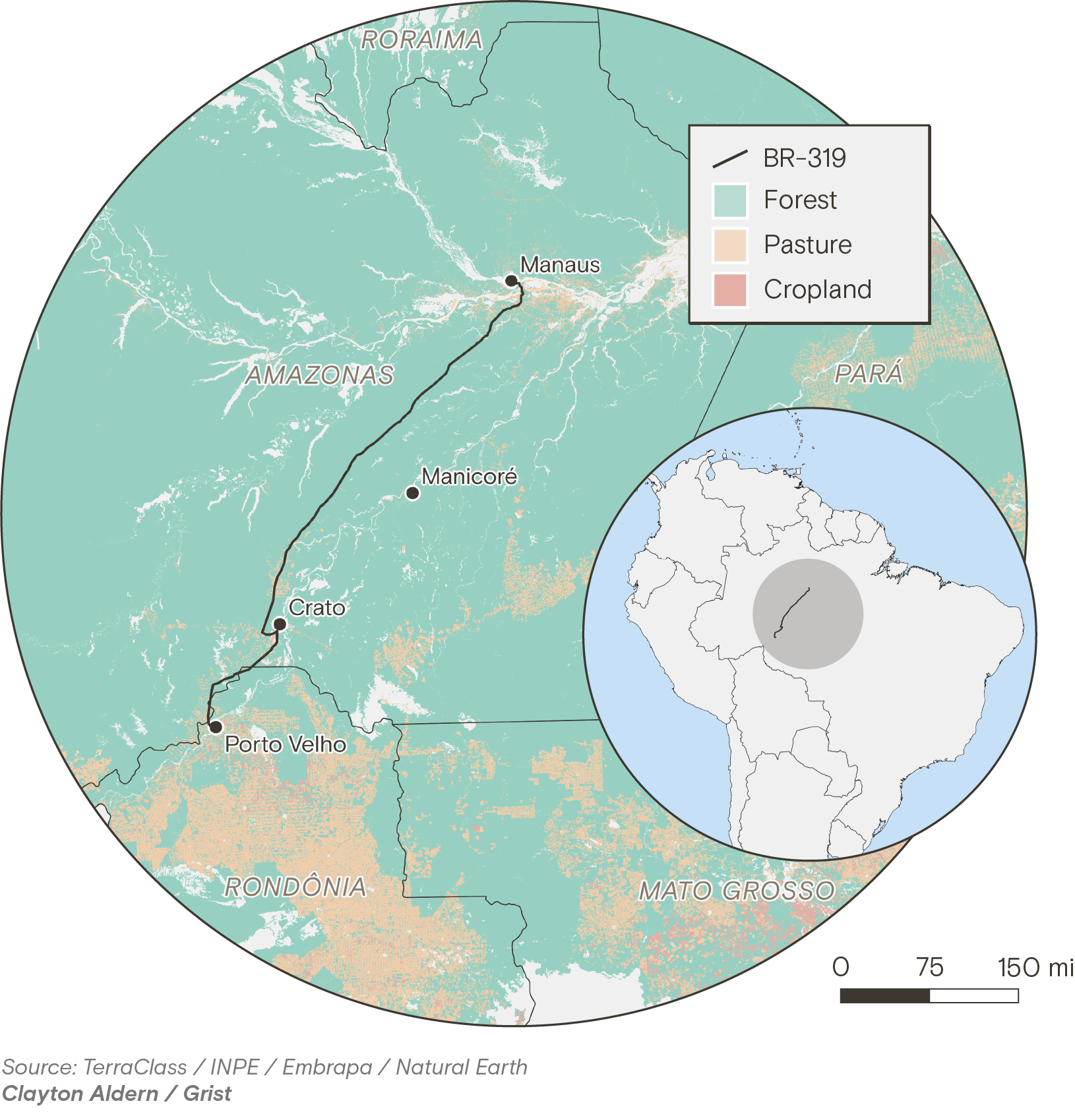
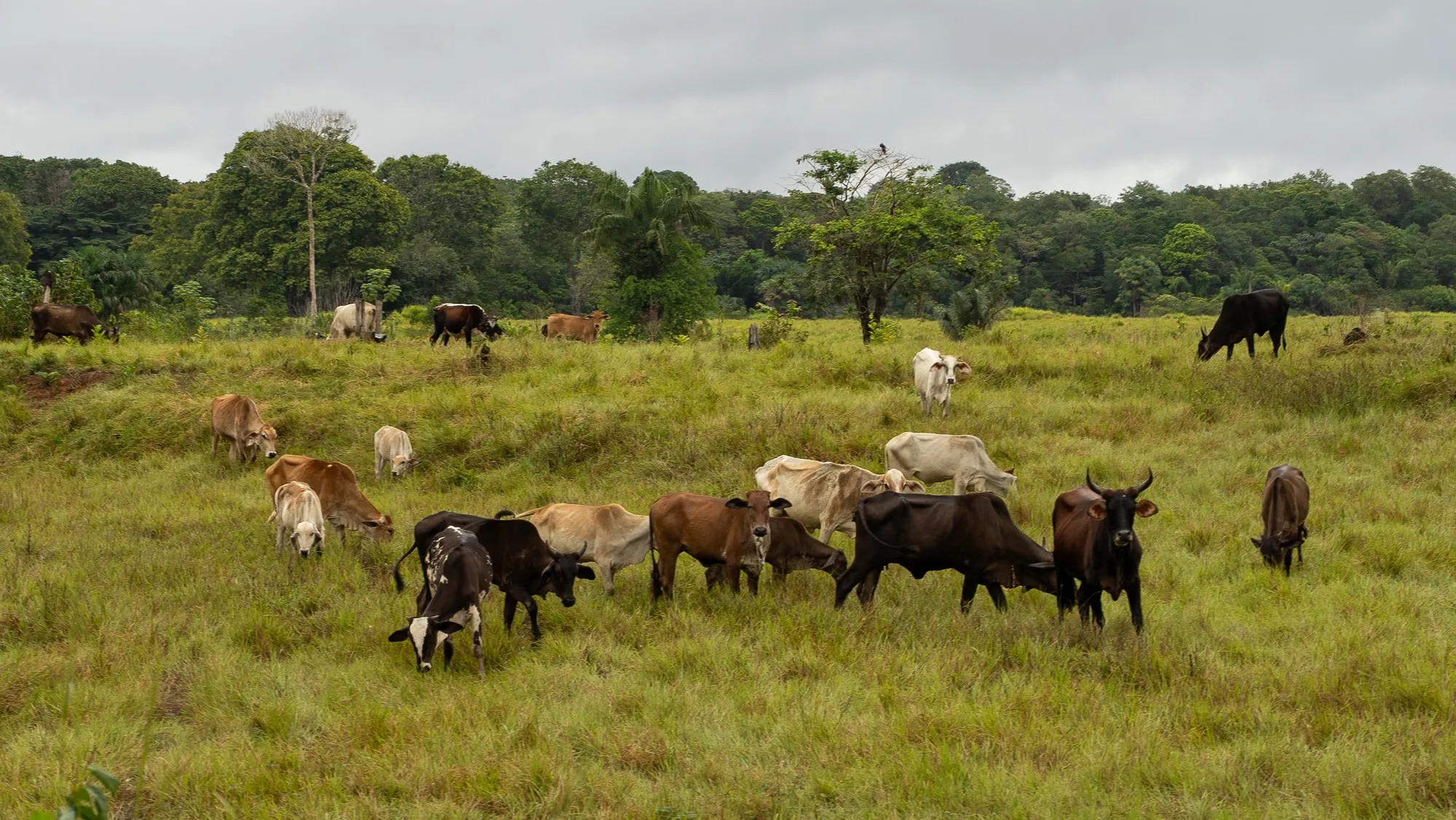
The scientific community has responded to the advancement of the paving project with profound alarm. Decades of ecological research demonstrate a direct correlation between road construction and forest destruction in the Amazon. Studies indicate that approximately 94 percent of Amazonian deforestation occurs within three miles of a roadway. As primary highways are paved, they typically spawn a "fishbone phenomenon," where illegal side roads branch out into untouched public lands, facilitating rapid timber extraction, land grabbing, and the conversion of forest into cattle pasture.
Ecological models project dire consequences if the BR-319 is fully asphalted without stringent oversight. Research led by scientists at institutions such as the Federal University of Minas Gerais suggests that paving the road could induce widespread land clearing, releasing billions of tons of carbon dioxide into the atmosphere and undermining global climate stabilization efforts. The Amazon biome currently stores an estimated 150 to 200 billion tons of carbon in its vegetation and soils. Releasing this stored carbon threatens to push the region past critical ecological tipping points, potentially transforming sections of the rainforest into degraded savannah and disrupting vital continental hydrological cycles, such as the "flying rivers" that supply rainfall to agricultural centers in southern Brazil.
Furthermore, air quality in regional cities has already suffered from the proximity of frontier clearing. In 2023, Manaus experienced some of the worst air pollution levels in the world, driven largely by forest-clearing fires originating near the northern end of the BR-319 in districts such as Careiro.
Government Mitigation Strategies and Criticisms
In an effort to appease both regional populations demanding economic integration and international critics concerned with climate change, the Lula administration has pledged to couple infrastructure development with enhanced environmental governance. In September 2026, the federal government formally decreed the creation of four new protected areas encompassing 2,600 square miles around the highway corridor, alongside plans for wildlife bridges and stepped-up monitoring by enforcement agencies like IBAMA.
However, environmental watchdogs and civil society organizations have criticized these measures as inadequate and reactive. Suely Araújo, public policy coordinator at the Climate Observatory (Observatório do Clima), noted that critical governance frameworks remain largely conceptual rather than operational. Critics emphasize that foundational protections—such as land regularization, clearly demarcated conservation units, and permanent enforcement infrastructure—should have been fully established and tested before any heavy machinery began laying asphalt. Compounding these challenges, Brazil’s federal environmental agencies face chronic staff shortages and widespread local hostility when attempting to enforce regulations along remote frontier corridors.
The Human Toll: Indigenous Communities and Local Realities
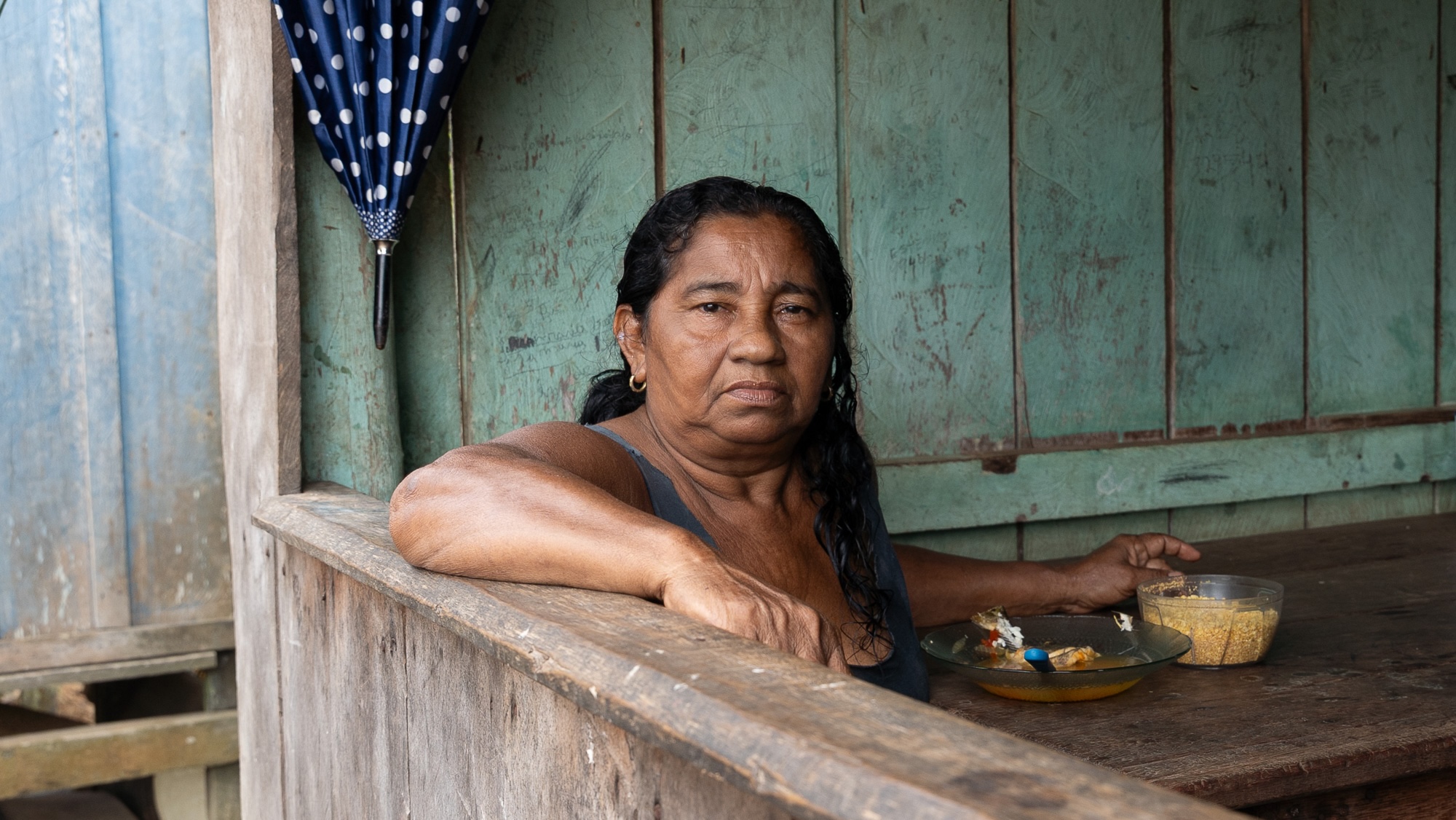
Beyond the broader climate implications, the BR-319 project poses an immediate existential threat to the region’s human inhabitants. The highway’s zone of influence overlaps with 69 Indigenous territories, housing at least 13 distinct ethnic groups and numbering over 18,000 people, including communities living in voluntary isolation. Under Brazilian law, the government is legally mandated to conduct prior, free, and informed consultations with Indigenous populations regarding major infrastructure projects that impact their lands. Indigenous coalitions, such as APIAN, maintain that the government has failed to fulfill this obligation, characterizing the highway expansion as an imminent threat to their traditional territories and physical survival. Reports of illegal side roads encroaching onto protected lands and chemical contamination of local waterways underscore the immediate vulnerabilities faced by these groups.
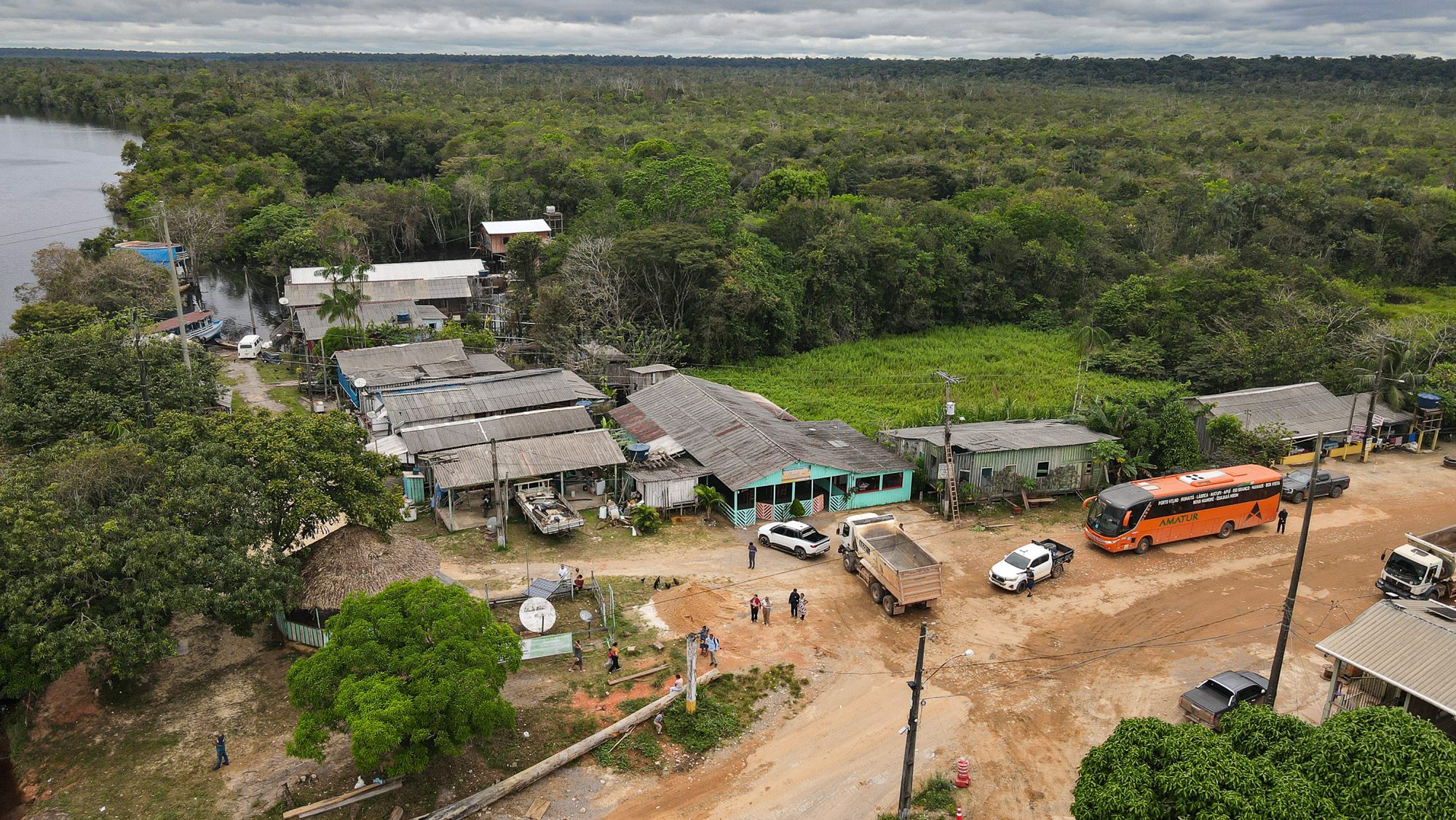
Conversely, non-Indigenous residents and local municipalities along the route largely view the paving project as a vital lifeline. Towns like Realidade, which experienced explosive population growth from 800 residents in 2010 to roughly 7,000 today, depend entirely on the highway for basic commerce, education, and healthcare access. Polling data from regional research institutions indicates that over 85 percent of residents in Amazonas support asphalting the BR-319, citing decades of economic marginalization, high living costs, and substandard development indicators compared to the rest of the country.
Outlook for the Amazon’s Infrastructure Frontier
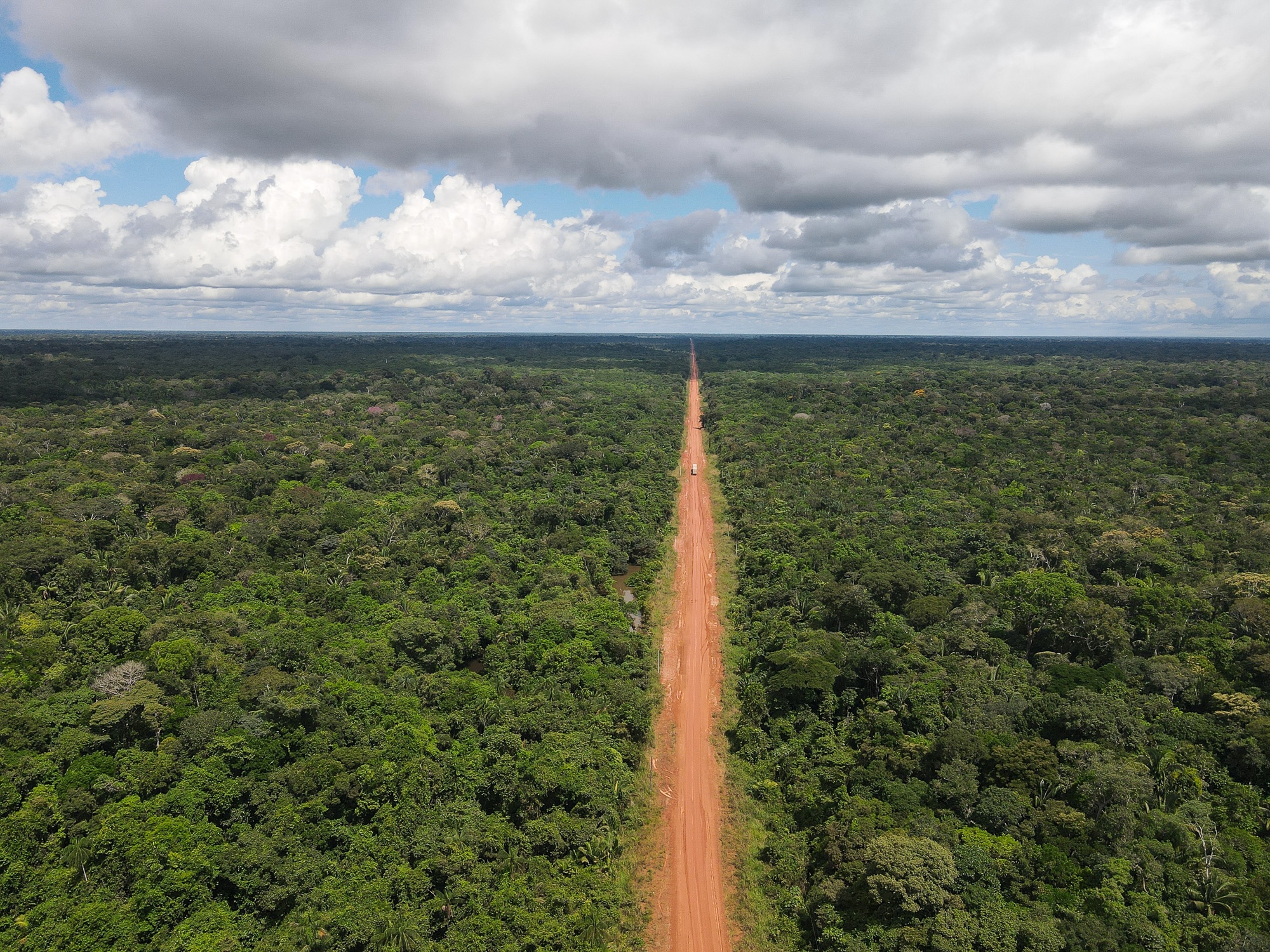
As heavy machinery advances along the BR-319, Brazil stands at a historic crossroads. The project forces a reckoning between the legitimate socio-economic aspirations of isolated Amazonian citizens and the imperative to protect one of Earth’s most critical ecological strongholds. Whether the federal government can successfully implement a novel model of sustainable development—or whether the highway will inevitably follow the path of historical frontier expansion into widespread deforestation—remains one of the defining questions of contemporary environmental policy.