The 25 Dollar Dinner Series Launches with Filipino Chicken Adobo and Coconut Rice

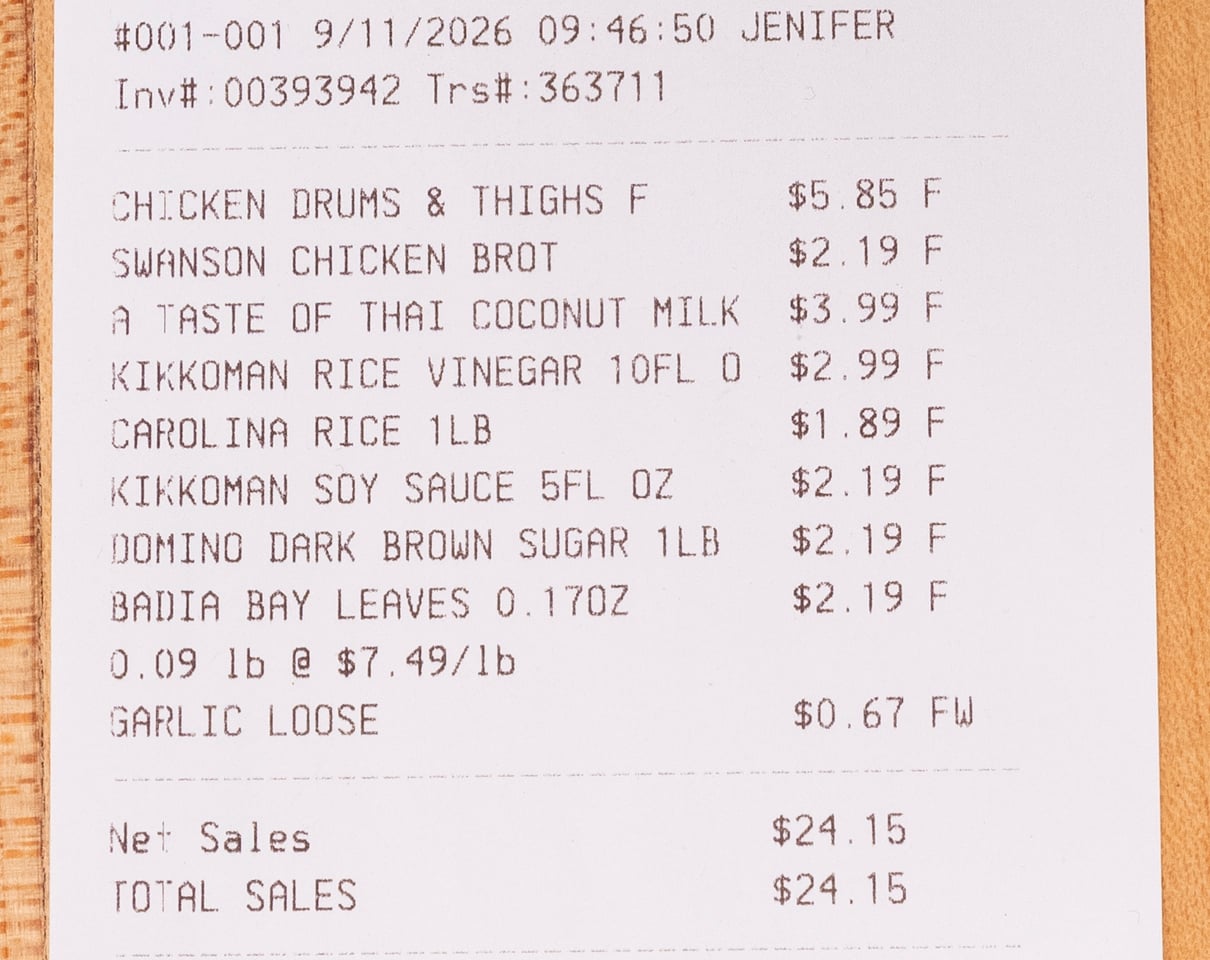
In an era of rising grocery costs and inflationary pressures affecting household budgets, a new monthly culinary initiative, The 25 Dollar Dinner, has launched to demonstrate that nutritious, high-quality meals remain accessible for four-person households on a strict budget. The series, helmed by cookbook author and culinary writer Casey Elsass, aims to provide a transparent, evidence-based approach to home cooking, emphasizing fiscal responsibility without compromising on culinary integrity. The debut installment features a traditional Filipino Chicken Adobo paired with coconut rice, a meal prepared for a total expenditure of $24.15.
Establishing the Methodology
The series operates under a rigorous set of constraints designed to mimic the reality of modern consumer shopping habits. Elsass has committed to a "no-hidden-cost" policy, which rejects the practice of excluding pantry staples from the budget. Unlike many budget-cooking segments that assume a kitchen is fully stocked with oils, seasonings, and bulk grains, this project mandates that every item used—down to the last teaspoon of salt or oil—must be accounted for in the $25 total.
Furthermore, the project rejects the use of bulk-buying discounts or wholesale club pricing. Elsass conducts all shopping at a standard, mid-market grocery retailer in Brooklyn, New York. This decision is intended to prove that the budget is achievable in typical retail environments, rather than relying on the economies of scale offered by discount-only chains like Aldi or Trader Joe’s. Each installment will feature a verified receipt, providing readers with a granular look at unit pricing and procurement strategy.

Historical Context and Culinary Evolution
The choice of Filipino Chicken Adobo for the inaugural segment highlights the dish’s historical significance and its adaptability. Often considered the unofficial national dish of the Philippines, adobo is a method of preparation that dates back centuries. Historically, the process of simmering meat in vinegar, salt, and spices was a vital preservation technique in the humid, tropical climate of the Philippine archipelago, predating modern refrigeration.
Following the Spanish arrival in the 16th century, the dish was documented by Spanish colonists who applied the term "adobo"—the Spanish word for a marinade or sauce—to the local practice. Over the following centuries, the dish evolved as it integrated with local trade routes, most notably the incorporation of soy sauce, which replaced salt as the primary seasoning agent in many regions. The versatility of the dish is reflected in the wide variety of regional adaptations, some of which include coconut milk, ginger, or aromatics, reinforcing the culinary philosophy that there is no singular "correct" version, but rather a spectrum of cultural interpretations.
Chronology of the Preparation
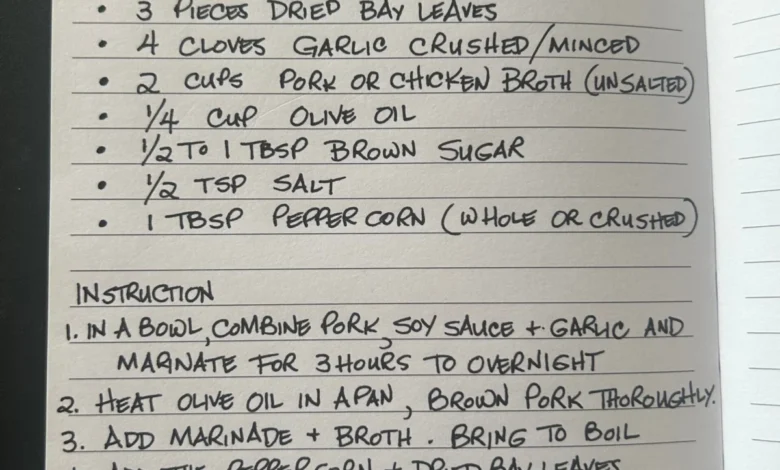
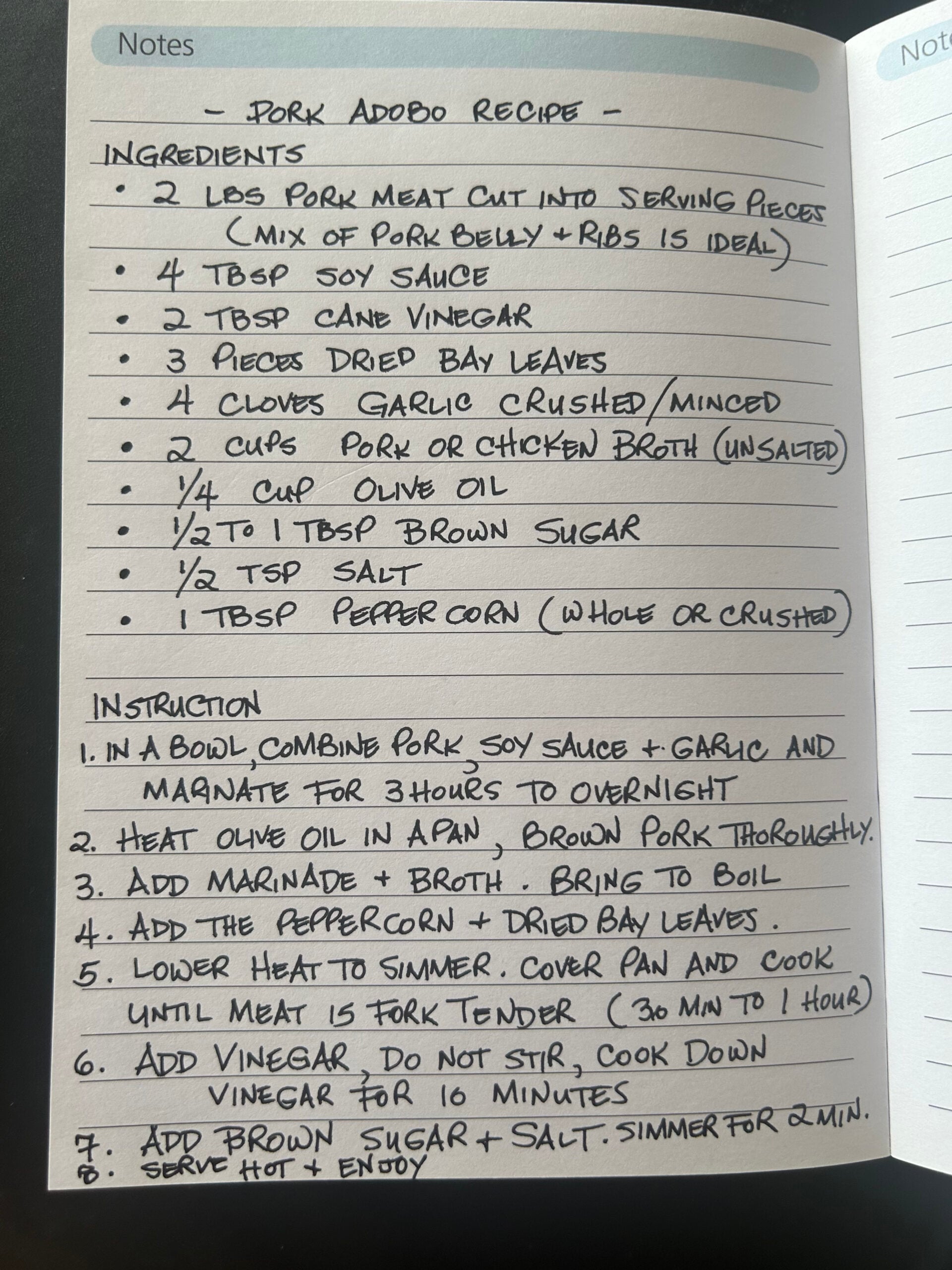
The preparation process, as detailed by Elsass, follows a specific timeline designed to maximize flavor development through marination. The process begins with a mandatory marination period, lasting between three and 24 hours, which allows the soy sauce, garlic, and vinegar to permeate the bone-in, skin-on chicken thighs and drumsticks.
The cooking process involves a multi-stage approach:
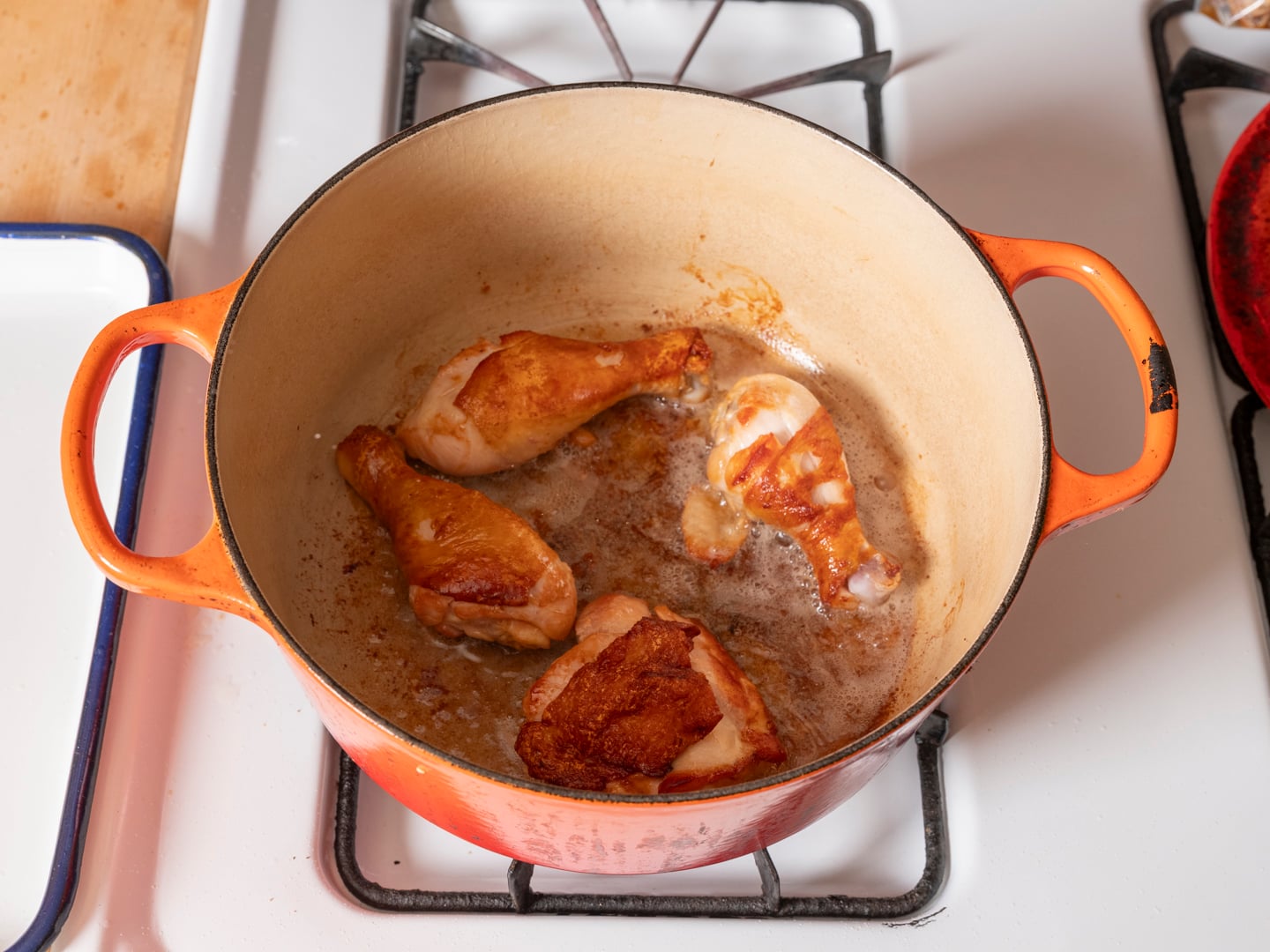
- Browning: The chicken is seared in a high-sided pan or Dutch oven to render fat and develop texture.
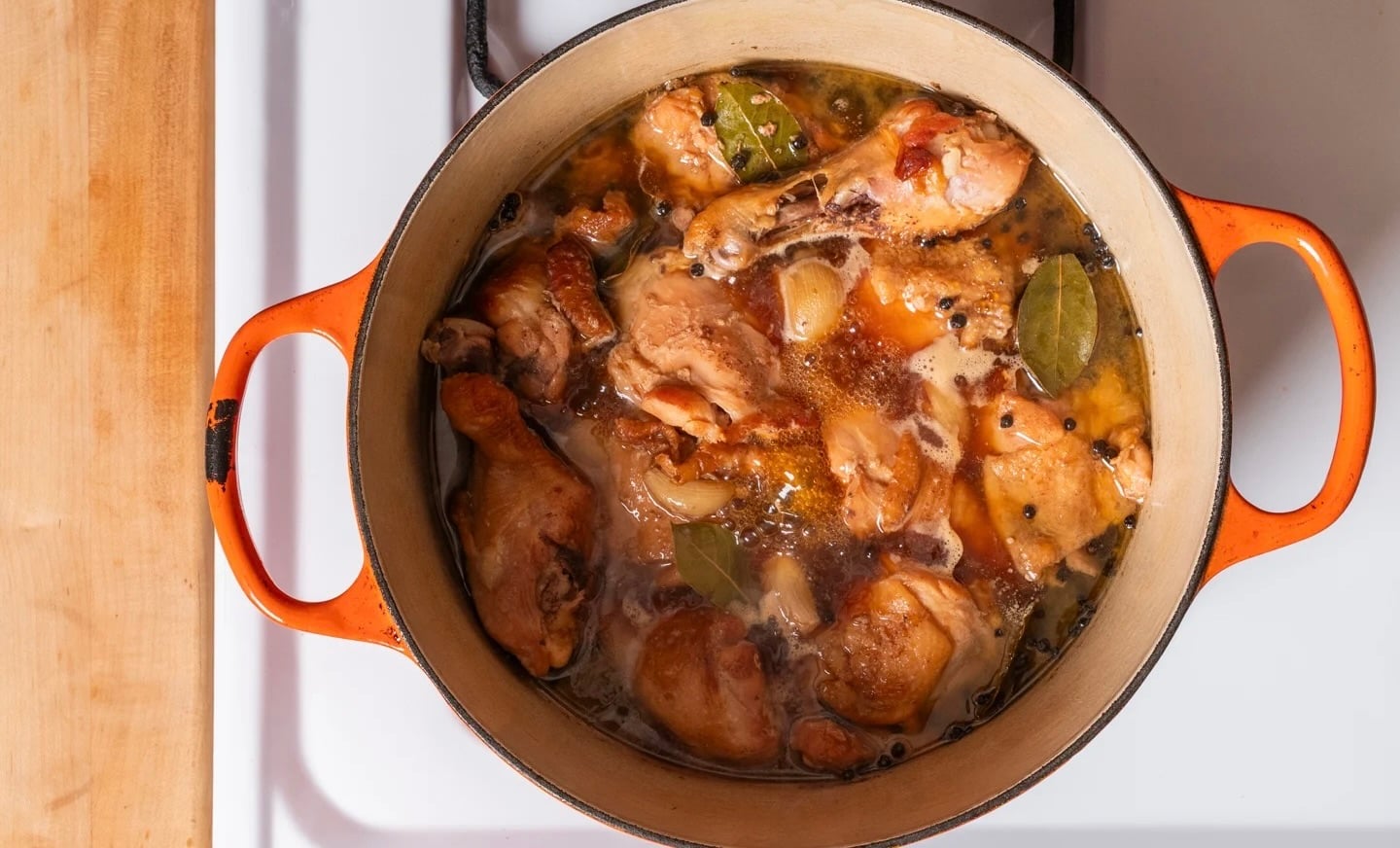
- Braising: The chicken is simmered in a mixture of the reserved marinade, chicken broth, bay leaves, and black peppercorns for approximately 30 minutes.
- Reduction: The final stage requires the addition of vinegar, which, according to traditional culinary wisdom shared by the recipe’s source, Sol Guevarra, should not be stirred immediately to prevent an overly aggressive acidity. The sauce is then reduced to achieve the desired consistency and balance.
Parallel to the main dish, the coconut rice requires careful preparation, including the thorough rinsing of long-grain white rice to remove excess starch. The use of canned coconut milk adds a creamy, rich profile that complements the savory and tangy notes of the adobo sauce.
Economic Implications of Home Cooking
The financial breakdown of the project provides insight into the current landscape of food costs. By selecting bone-in, skin-on chicken cuts, the cook benefits from both lower price-per-pound costs compared to boneless, skinless breasts and superior flavor retention during the braising process. The total expenditure of $24.15 for four servings results in a per-serving cost of approximately $6.04.
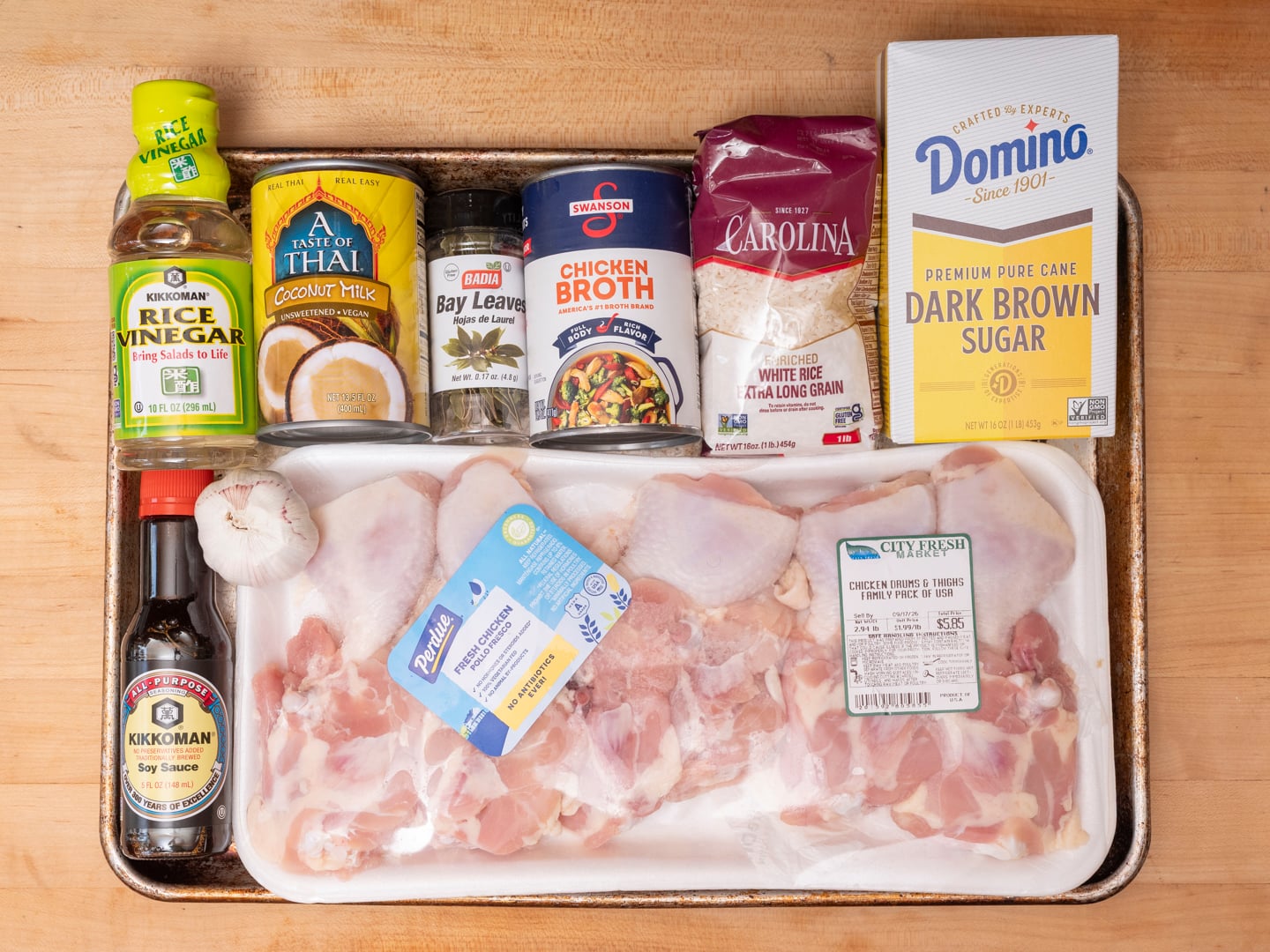
This figure is notable when compared to the current average cost of dining out or ordering takeout in urban centers, where a single entrée can frequently exceed $20. The project highlights that through strategic shopping—such as purchasing smaller quantities of broth, soy sauce, and rice—consumers can manage household food expenses while maintaining a varied and nutritious diet.
Broader Impact and Consumer Response
The launch of this series arrives at a time when the Bureau of Labor Statistics and various economic indicators continue to report significant year-over-year growth in the Consumer Price Index (CPI) for food at home. By demystifying the process of budget-conscious cooking, the series serves as a practical resource for families navigating economic volatility.
The inclusion of handwritten family recipes, such as the one provided by Sol Guevarra, adds a layer of cultural authenticity to the series. It emphasizes that culinary skill is often passed down through personal connections rather than industrial standardization. By bridging the gap between historical culinary practices and contemporary economic constraints, the project offers a blueprint for sustainable home cooking.
As the series continues, future installments will likely address different dietary requirements and seasonal ingredient availability. By maintaining a transparent documentation of costs and techniques, the initiative provides a replicable model for home cooks to follow. This empirical approach to cooking serves to empower individuals to regain control over their food budgets while preserving the tradition of shared, home-cooked meals.

The success of the first installment suggests a significant appetite for content that balances practical financial advice with high-quality culinary instruction. As the project evolves, it will remain a critical point of interest for those seeking to mitigate the impact of food inflation through informed, intentional, and culturally informed grocery shopping and meal preparation.