Climate Change and the Insurance Divide: How Black and Hispanic Homeowners Pay More for Coverage as Disaster Risks Escalate

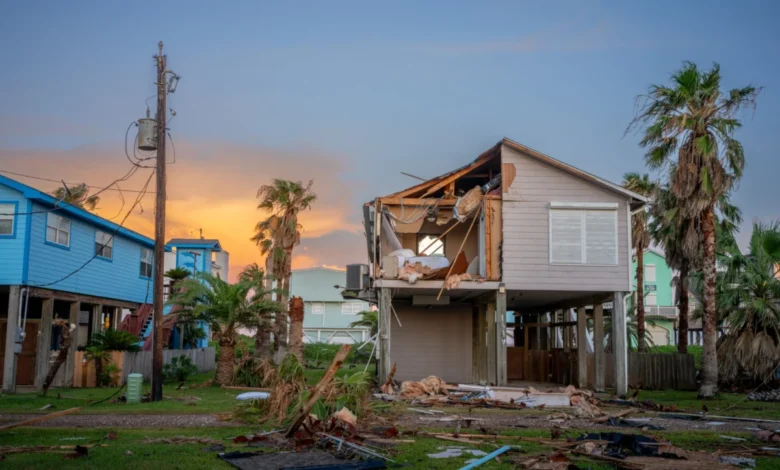
As the physical impacts of global climate change intensify across the United States, driving a nationwide affordability crisis in property insurance, a stark and systemic inequity has come to light. Homeowners residing in predominantly Black and Hispanic neighborhoods are shouldering a disproportionate share of skyrocketing insurance premiums. This financial burden threatens to deepen historical wealth gaps and leave communities of color dangerously exposed to the escalating threat of billion-dollar weather disasters.
According to a comprehensive report released in July by the Consumer Federation of America (CFA)—a prominent nonprofit organization representing nearly 250 consumer advocacy groups—the disparity is both pervasive and severe. The study reveals that homeowners in predominantly Hispanic ZIP codes pay, on average, a staggering 30 percent more for identical insurance coverage than their counterparts in predominantly white communities, translating to an extra $950 annually. Meanwhile, homeowners in predominantly Black ZIP codes face an average premium increase of 16 percent, amounting to roughly $500 more per year than those in white neighborhoods.
These findings point to an alarming financial penalty associated with race and ethnicity in the American housing market. Over the course of a standard 30-year mortgage, these inflated costs accumulate to at least $28,500 in additional insurance expenses for homeowners in Hispanic communities, and approximately $15,000 for those in Black communities. Experts warn that this growing economic pressure arrives at a precarious time, compounding the financial vulnerability of households already navigating broader inflation, housing shortages, and the increasing frequency of climate-driven catastrophes.
Controlling for Variables: The Methodology Behind the Disparity
A critical element of the Consumer Federation of America’s report lies in its rigorous methodology. By analyzing identical hypothetical insurance policies across various communities, the researchers effectively eliminated variables related to differences among individual homeowners, the structural integrity or value of their homes, or the specific coverage choices made by the policyholders.
While local risk factors—such as proximity to flood zones or wildfire-prone areas—can account for a fraction of the cost disparities, the CFA’s analysis found that even when these physical risk factors were comprehensively accounted for, a remarkably large and unexplained gap persisted between white communities and communities of color.
"We’ve talked a lot about our insurance affordability crisis," said Sharon Cornelissen, director of housing at the Consumer Federation of America and a co-author of the report. "What we haven’t really talked about is sort of the racially inequitable impacts of that, and that Black and Hispanic homeowners are particularly struggling."
This reality exposes a modern manifestation of systemic challenges in property insurance. While overt, intentional discrimination in housing has evolved significantly over the decades, the financial fallout of historical practices continues to reverberate through algorithmic pricing models, credit score weightings, and systemic underinvestment in climate resilience infrastructure within minority neighborhoods.
A Historical Echo: From Redlining to Modern Insurance Gaps
To understand the roots of contemporary insurance disparities, housing experts emphasize the necessity of examining the historical practice of redlining. Instituted formally in the 1930s by the federal Home Owners’ Loan Corporation and private lenders, redlining involved drawing literal red lines on maps around neighborhoods deemed "hazardous" for mortgage lending. These designations were inextricably linked to the racial composition of the residents; predominantly Black and immigrant neighborhoods were systematically classified as high-risk, regardless of the financial stability of individual borrowers.
For decades, this practice starved communities of color of capital, prevented families from accumulating generational wealth through homeownership, and depressed local property values. Although explicit redlining was outlawed by the passage of the Fair Housing Act in 1968, the legacy of the practice cast a long shadow. Today, formerly redlined neighborhoods routinely suffer from severe disparities in public infrastructure investment, health care access, educational resources, and environmental protections.
Furthermore, historical underinvestment has left these communities on the front lines of climate change impacts. Because green spaces were historically withheld and industrial zoning was frequently concentrated near minority neighborhoods, these areas experience exacerbated urban heat island effects, higher levels of air pollution, and inadequate stormwater drainage, making them uniquely vulnerable to extreme weather events.
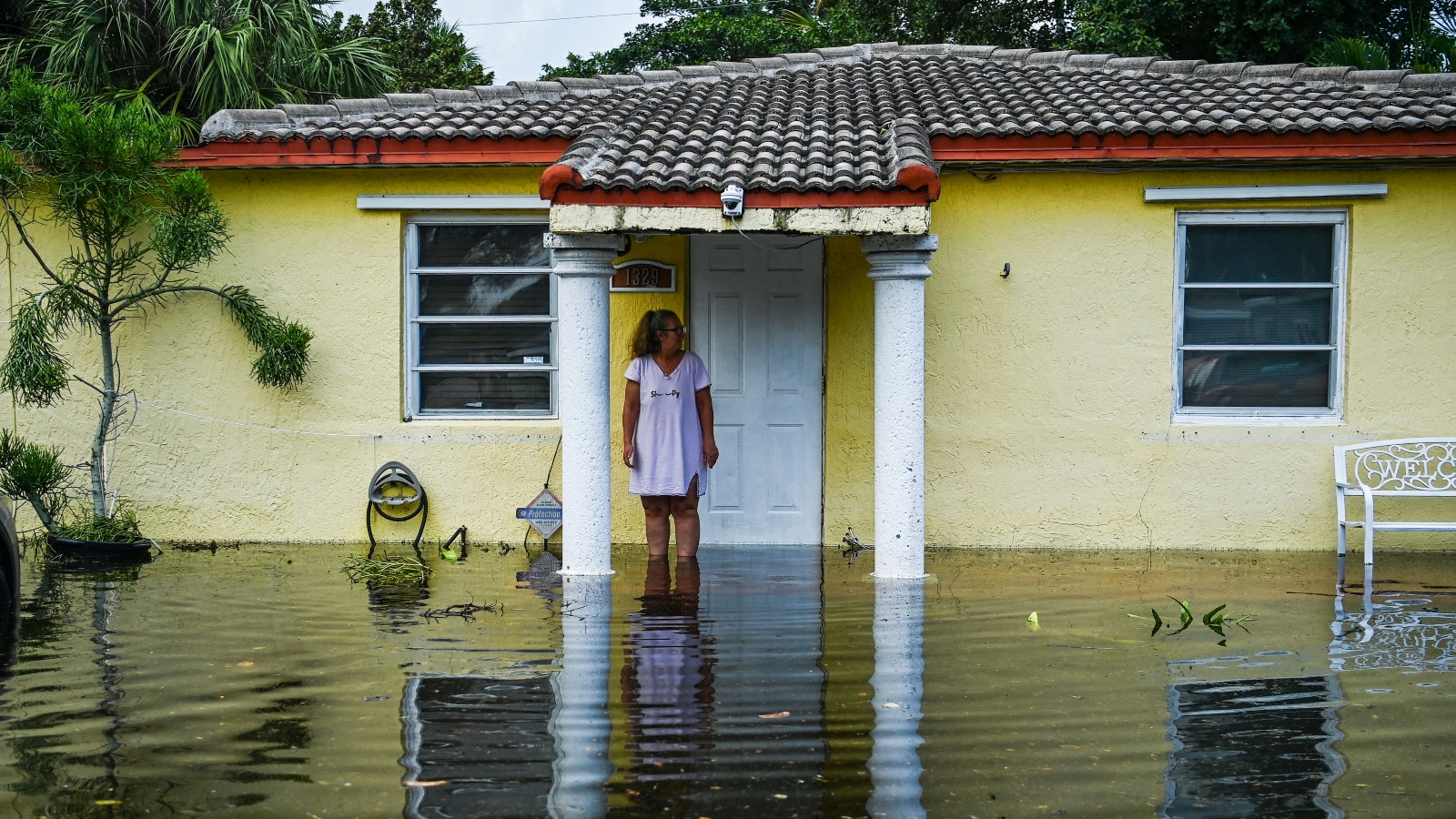
The modern insurance market appears to inherit these structural vulnerabilities. Although today’s discriminatory practices are rarely explicit, consumer advocates argue that insurers’ heavy reliance on proxy variables—such as credit scores, historical zip-code-based claims data, and proprietary algorithmic pricing models—recreates many of the exclusionary effects of mid-century redlining.
State-by-State Breakdown: Where the Gaps Are Widest
The CFA report highlights significant geographic variations in how these insurance penalties manifest across the United States.
For predominantly Hispanic ZIP codes, the most acute disparities are concentrated in Florida, a state that has become the epicenter of the nation’s property insurance crisis due to escalating hurricane risks, severe litigation environments, and carrier withdrawals. In Florida, homeowners in predominantly Hispanic areas pay an average of 58 percent more—amounting to a staggering $5,014 annually—for the exact same coverage as those in predominantly white communities.
While Florida represents the most extreme outlier, the gap is also pronounced in several other states:
- New York: A 20 percent disparity, costing homeowners an extra $431 annually.
- Washington: An 18 percent disparity, adding $278 to yearly costs.
- Massachusetts: A 16 percent disparity, translating to $244 more per year.
- Kansas: A 15 percent disparity, resulting in an additional $633 annually.
Moira Birss, a senior fellow at the progressive think tank Climate and Community Institute, emphasized the severity of these figures, particularly in states like Florida. "When we’re thinking about how we’re having an affordability crisis in this country… that’s unconscionable," Birss noted, highlighting the immense strain these costs place on working-class families.
When examining predominantly Black ZIP codes, the geographic distribution of high costs shifts, with Michigan topping the list. Homeowners in predominantly Black neighborhoods in Michigan face a 74 percent premium penalty, paying an average of $1,768 more each year than their white counterparts. Other states with significant disparities in Black communities include:
- Pennsylvania: A 57 percent gap, costing an extra $1,048 annually.
- New Jersey: A 22 percent gap, adding $332 to yearly premiums.
- Massachusetts: A 20 percent gap, resulting in $321 more per year.
- New York: A 19 percent gap, totaling an additional $417 annually.
Industry Defense: Actuarial Science and Risk-Based Pricing
In response to the report’s findings, representatives of the insurance industry strongly rejected the notion that race or ethnicity plays any role in determining property insurance rates. Trade groups and major insurers maintain that the entire pricing structure is built upon rigorous, heavily regulated actuarial science designed strictly to measure risk.
Mark Friedlander, a spokesperson for the Insurance Information Institute (III), issued a definitive statement defending industry practices. "Using race, or any proxy for race, to set insurance rates is illegal in every U.S. jurisdiction, and state insurance regulators review and approve the rating factors insurers use precisely to guard against that," Friedlander stated.
He further argued that the higher premiums observed in many minority neighborhoods are a reflection of physical reality rather than demographic bias. "Many of the communities cited in reports like this are located in areas with objectively higher catastrophe exposure or higher costs to rebuild and repair after a loss," Friedlander added.
The insurance industry has faced scrutiny and legal action over discriminatory practices in the past. During the 1990s, major carriers settled significant federal lawsuits alleging systemic racial profiling. For instance, Nationwide Insurance agreed to a $17.5 million settlement following allegations that it discouraged agents from selling policies in Black neighborhoods and labeled those ZIP codes as undesirable. Similarly, American Family Mutual Insurance Company paid more than $16 million to settle allegations that it provided inferior policies or outright denied coverage to Black homeowners based on race.
Modern Vulnerabilities: Artificial Intelligence and Credit Scoring
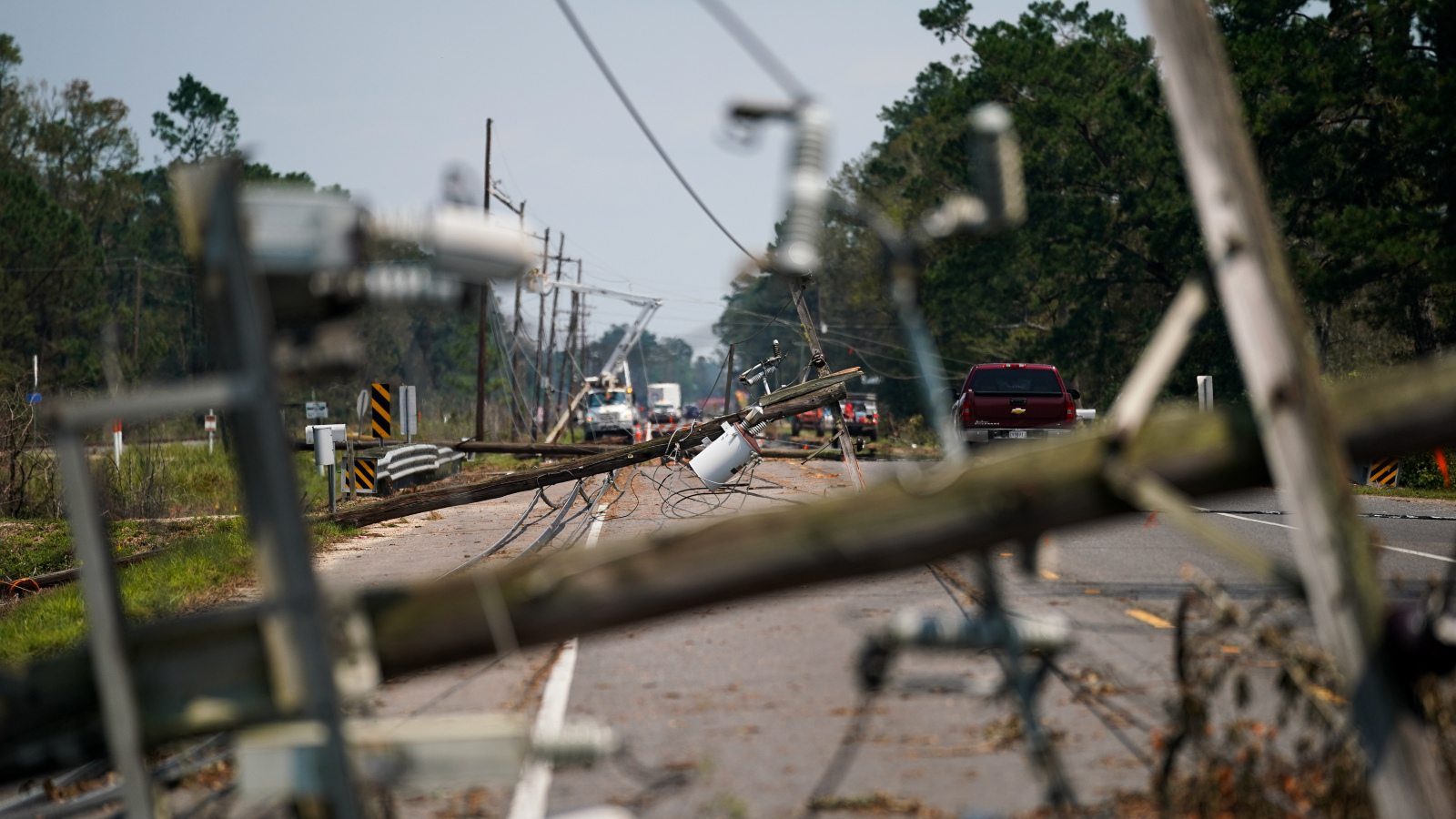
While overt racial profiling in insurance is now illegal, contemporary consumer advocates and researchers are raising alarms about indirect discrimination driven by technological evolution. Modern insurance underwriting relies increasingly on automated systems, predictive analytics, and artificial intelligence models that process vast arrays of consumer data to set prices and manage claims.
The Consumer Federation of America’s report warns that these proprietary models can inadvertently encode bias. For example, previous research by the CFA demonstrated that homeowners with lower credit scores face an average nationwide penalty of $1,996 annually—nearly double the base rate—for home insurance. Because of longstanding racial wealth gaps and systemic economic disparities rooted in historical discrimination, people of color are statistically more likely to have lower credit scores, meaning credit-based insurance scoring can function as an effective proxy for race.
"I’m not saying that they have some secret race factor that they put into their model," Sharon Cornelissen explained regarding the use of advanced algorithms. "A lot of this bias can kind of creep in if they’re not paying attention to potential unequal impacts. A lot of this could be through AI models or other factors that have a disproportionate impact on Black and Hispanic communities."
The Broader Context: Climate Change and the Affordability Crunch
The emergence of these racial disparities coincides with a broader, nationwide crisis in property insurance affordability and availability. Driven by decades of unchecked greenhouse gas emissions—primarily from the combustion of fossil fuels—global temperatures have risen, altering weather patterns and supercharging extreme meteorological events.
According to data cited in the CFA report, the cost of home insurance for the average American homeowner jumped by 24 percent between 2021 and 2024 alone. As devastating hurricanes, catastrophic wildfires, severe convective storms, and historic floods increase in frequency and severity, insurance companies are sustaining record payouts. In response, many national carriers have scaled back their coverage footprints, raised deductibles, or pulled out of high-risk states entirely, leaving property owners with fewer options and soaring premiums.
However, housing and civil rights advocates argue that the market’s reaction to climate change is disproportionately punishing communities that have historically lacked the resources to build structural resilience. Without targeted intervention, these overlapping crises threaten to trigger widespread displacement and deepen the erosion of generational wealth in communities of color.
Pathways Forward: Regulation, Transparency, and Resilience
Addressing the complex intersection of climate vulnerability, housing equity, and insurance costs will require coordinated action from policymakers, state insurance commissioners, and the insurance industry itself.
Industry representatives maintain that the most effective remedy is proactive risk reduction. Mark Friedlander of the Insurance Information Institute emphasized that making insurance more accessible and affordable ultimately depends on enhanced mitigation funding. This includes upgrading community infrastructure, hardening homes against natural disasters, and enforcing stricter, modern building codes in vulnerable areas.
Conversely, consumer advocates and policy researchers argue that structural reform must also focus heavily on regulatory oversight, market transparency, and civil rights enforcement. The Consumer Federation of America’s report calls upon state legislatures and insurance regulators to demand full transparency from carriers regarding their rating algorithms and to rigorously enforce fair housing and anti-discrimination laws within the property insurance sector.
As the physical impacts of climate change continue to mount, the debate over who bears the financial cost of a warming planet has reached a critical juncture. Without greater accountability and intentional efforts to protect vulnerable populations, the mounting insurance divide risks locking Black and Hispanic homeowners out of the American dream of secure, stable homeownership.
"Unless the insurance industry wants to give us more information about why this is happening," Moira Birss concluded, "it’s pretty hard not to interpret this as pretty serious racial discrimination."
Related posts: