Inside the Dominican Baseball Pipeline: An Investigation into a System of Dreams and Exploitation

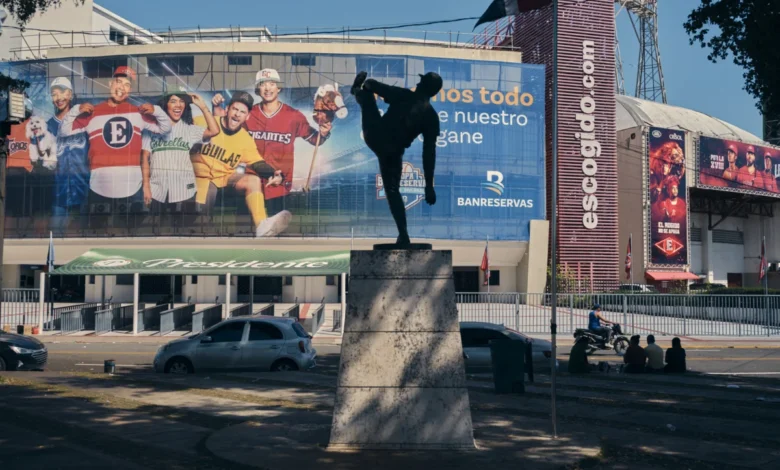
Major League Baseball’s reliance on the Dominican Republic as its primary international talent reservoir has transformed the island nation into a specialized industrial complex, yet this pipeline is increasingly under scrutiny for the systemic risks it imposes on young athletes and their families. While the Dominican Republic produces more professional baseball players for the United States market than any other nation outside of the U.S. itself, the infrastructure supporting this flow—ranging from local neighborhood sandlots to high-end private academies—often operates in a regulatory gray area. ProPublica is currently conducting an expansive investigation into these industry practices, seeking to bridge the information gap by establishing direct communication channels with those embedded within the system.
The Anatomy of a Global Baseball Factory
The cultural saturation of baseball in the Dominican Republic is near absolute. From the age of four, children are introduced to the game, and for many, the diamond represents the most viable path to escaping generational poverty. In towns across the country, it is a rare household that does not boast a personal connection to the professional game—whether through a current prospect, a retired minor leaguer, or a family member who once held a contract.
However, this ubiquity masks a darker economic reality. Over the past several decades, the relationship between Major League Baseball (MLB) franchises and Dominican youth has evolved into a high-stakes, early-entry market. Adolescents are often pushed to perform at professional levels years before they would be eligible for a draft in the United States. This "factory" model relies on independent trainers—known as buscones—who house, feed, and coach young prospects, often in exchange for a significant percentage of any future signing bonus.
A Chronology of Industry Evolution
To understand the current tension, one must look at the historical trajectory of the Dominican-MLB relationship:
- The 1970s and 80s: MLB teams began establishing a formal presence in the country, recognizing the efficiency of scouting local talent. The Los Angeles Dodgers were pioneers, opening the first dedicated academy in 1987.
- The 1990s: The "academy model" became the standard. Teams built self-contained campuses to house, educate, and train teenagers, effectively centralizing the pipeline.
- The 2000s: Financial incentives skyrocketed. As signing bonuses grew into the millions for top-tier prospects, the incentive for predatory lending and aggressive training practices surged.
- 2020s: Heightened scrutiny regarding human rights, education, and financial exploitation has forced a public reckoning. Recent reports have highlighted how some young players are trapped in debt cycles, with moneylenders charging exorbitant interest rates to cover the cost of training, gambling on the hope that a future contract will cover the losses.
Data and Economic Implications
The sheer volume of players is staggering. On any given Opening Day, roughly 10% to 12% of all MLB players are Dominican-born. When accounting for players of Dominican descent and those currently in the minor league system, the numbers swell significantly. According to data from the Office of the Commissioner of Baseball, hundreds of millions of dollars flow into the country annually through signing bonuses.
Yet, for every star like Juan Soto or Vladimir Guerrero Jr., thousands of others fail to make the majors. The attrition rate is brutal. When a player is "cut" or fails to sign, the lack of a formal educational safety net often leaves these young men in a precarious position. Without high school diplomas or specialized vocational training, they face a domestic labor market that is ill-equipped to absorb them.
Investigating the Underbelly: Financial and Health Risks
The current investigation by news organizations, including ProPublica, focuses on several critical vectors of abuse:
- Predatory Lending: As previously documented, young players often borrow money from trainers or private investors to sustain their families while they train. These "investments" come with strings attached that can siphon off the majority of a player’s first professional contract.
- Health and Performance Pressure: The physical demands placed on prepubescent and teenage bodies in the pursuit of "showcase" speed and power often lead to early injuries. There is a documented trend of young players undergoing surgeries, such as ulnar collateral ligament reconstruction (Tommy John surgery), at increasingly younger ages.
- Educational Neglect: While some MLB academies provide schoolwork, many independent trainers prioritize baseball output to the total exclusion of basic education, leaving players with no exit strategy if their professional dreams dissolve.
Engaging the Community: A Call for Transparency
To accurately map the complexities of this system, reporting teams are increasingly turning to encrypted, accessible communication platforms. By opening a WhatsApp line (1-917-207-6447), investigators are acknowledging the reality of communication habits in the Dominican Republic. WhatsApp is the primary medium for social and professional interaction, making it the most efficient tool for gathering testimonies from players, coaches, parents, and medical professionals.
The objective of this outreach is two-fold: to provide a secure channel for whistleblowers and to build a database of experiences that can inform future reporting. Privacy is a paramount concern; in a tight-knit community where reputations are everything, the fear of retribution from team officials or powerful trainers is legitimate. Consequently, journalists are emphasizing the use of background interviews and strict source protection protocols to ensure that those who speak out are shielded from professional or personal consequences.
Broader Implications for Major League Baseball
The ongoing investigations carry significant implications for MLB’s international policy. Critics argue that the league has long benefited from the "wild west" nature of the Dominican baseball market, benefiting from cheap, high-quality talent while distancing itself from the risks borne by the players during their developmental years.
Legislators and human rights advocates have begun to question whether the current structure violates local labor laws or international standards regarding child welfare. The pressure is mounting for MLB to implement a more robust regulatory framework—perhaps through a more formalized, league-wide draft system in the Caribbean—that would standardize training conditions, mandate education, and curtail the influence of unregulated middlemen.
Looking Ahead
The path forward for the Dominican baseball industry requires a delicate balance. The sport is undeniably a vital economic engine for the country, and for many families, it remains the only viable path to a middle-class life. However, the cost of this dream cannot be the systemic exploitation of children.
As investigations continue, the focus will remain on the intersection of corporate responsibility and individual agency. The goal of current reporting is to move beyond the surface-level glamour of the Major Leagues and into the reality of the training grounds. By aggregating tips, experiences, and data from those on the ground, reporters hope to shed light on the structural changes needed to ensure that baseball remains a sport of opportunity rather than a system of entrapment.
For those with personal knowledge of these issues—whether through direct participation, family involvement, or professional observation—the invitation to share remains open. Every piece of information, from the specific terms of a predatory loan to the daily conditions of a remote training academy, contributes to a clearer picture of an industry at a crossroads. As this series progresses, the commitment to transparency and the protection of vulnerable sources will remain the foundation of this journalistic inquiry. The goal is not merely to expose, but to hold the mechanisms of this multibillion-dollar machine accountable to the human beings who sustain it.