How a Rust Belt City United Across the Aisle to Save Its Last Remaining Birthing Center from Corporate Consolidation

TROY, N.Y. — In the historic industrial city of Troy, nestled along the banks of the Hudson River, the announcement that its final remaining maternity ward was slated for closure struck like a physical blow. Starletta Washington, head of the local YWCA, voiced the disbelief shared by many of her neighbors when news of the impending shutdown broke. Having been born at the facility herself and having subsequently welcomed her own children within its walls, Washington found the prospect of a maternity-free city incomprehensible. Families would now be forced to travel half an hour away to neighboring cities, raising alarming safety concerns about emergency roadside deliveries.
Washington’s outrage captured the immediate shock of a community facing the systematic erosion of local health infrastructure. Yet, unlike countless other small and mid-sized municipalities across the United States that have quietly watched their maternal health services vanish over the past decade and a half, Troy charted a different course. Through an unlikely coalition of grassroots activists, bipartisan politicians, medical professionals, and even historic ideological adversaries, the city mounted a fierce defense of its healthcare institutions. Nearly a year after the initial closure announcement, public pressure, targeted legislative action, and a substantial infusion of state funding forced a corporate healthcare giant to reverse its decision, offering a rare blueprint for community resistance against the nationwide trend of hospital consolidation.
The Nationwide Crisis in Maternal Healthcare
The battle in Troy did not occur in a vacuum. Since 2010, hundreds of maternity units across the United States have closed their doors, driven by a combination of shrinking rural and industrial populations, declining birth rates, and an aggressive wave of hospital consolidations into massive health systems. According to recent public health data published in medical journals such as JAMA, these closures disproportionately impact low-income communities, rural areas, and older industrial cities where transportation barriers exacerbate existing health disparities.
As multi-billion-dollar health networks centralize their operations in larger urban hubs, smaller community hospitals are routinely stripped of specialized services deemed unprofitable. Obstetrics, which typically operates on narrow margins due to high malpractice insurance costs and heavy reliance on public insurance programs like Medicaid, is frequently among the first departments targeted for downsizing. Consequently, maternity deserts have expanded across the American landscape, forcing expectant mothers to travel dangerous distances for prenatal care and deliveries, thereby increasing the risk of maternal and infant morbidity.
A Community Anchor with Exemplary Clinical Outcomes
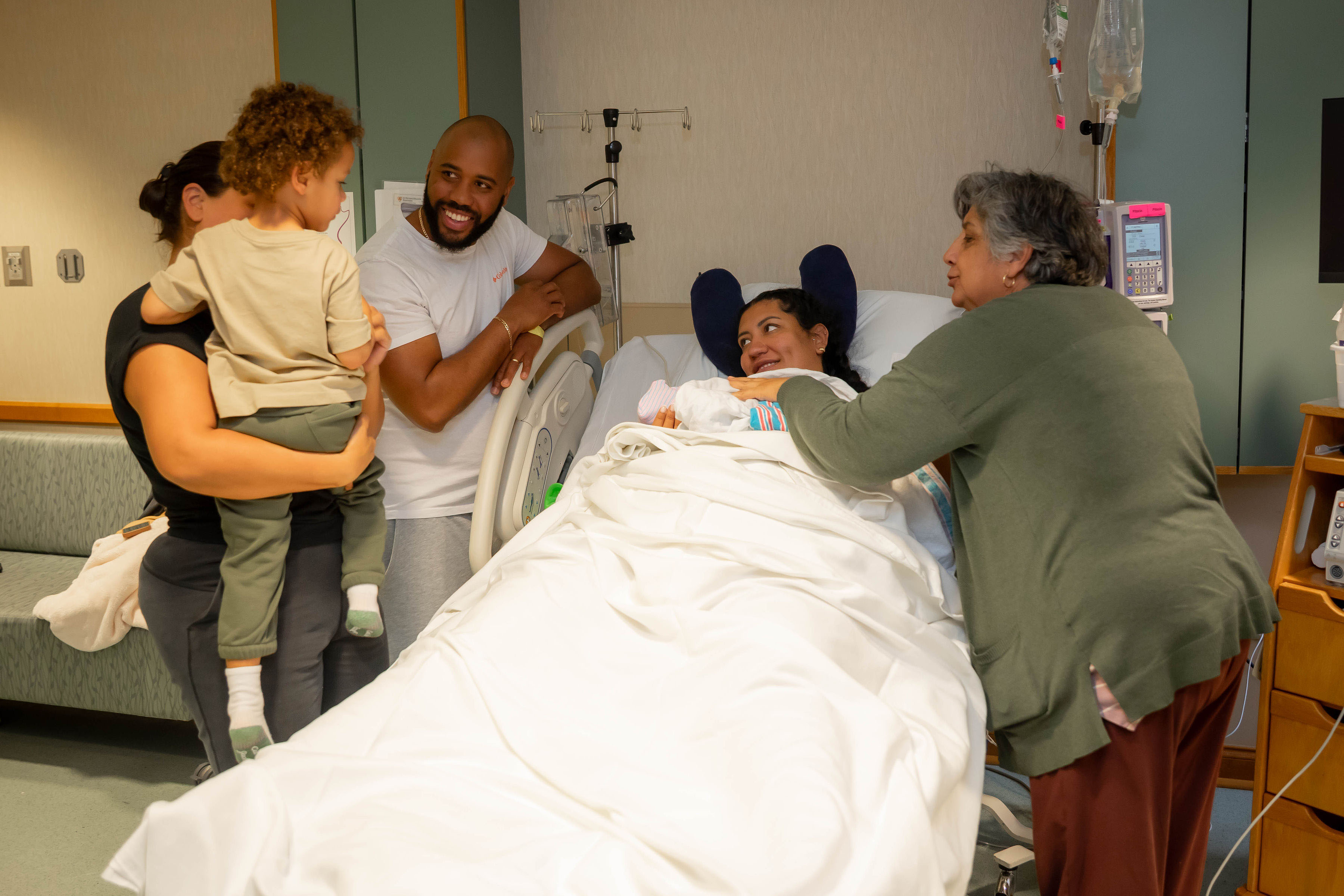
For more than a century, Samaritan Hospital, situated on a hill overlooking Troy’s once-bustling collar factories, has served as a cornerstone of local health and wellness. In more recent decades, its Burdett Birth Center earned a stellar reputation as a national model for patient-centered, low-intervention maternity care. The facility integrated midwives and doulas directly into its clinical care teams, collaborating closely with traditional OB-GYNs to support mothers seeking physiological, low-intervention births.
The clinical metrics at Burdett consistently outperformed state and national averages in several key categories. According to hospital data from recent years, only about 25 percent of newborns at Burdett were delivered via cesarean section, a stark contrast to the statewide average of approximately one-third. Furthermore, the center boasted superior outcomes regarding preterm births and low-birth-weight infants, attributes that earned it deep loyalty among local families. For residents like Lidia Zambrano-Madera, who gave birth to both of her children at Burdett with the assistance of a midwife, the center represented an irreplaceable standard of personalized care located just five minutes from her front door.
Corporate Strategy Meets Local Reality
The crisis unfolded three years ago when Trinity Health, a massive, Michigan-based Catholic health system operating 91 hospitals nationwide with over $25 billion in annual revenue and healthy operating margins exceeding 5 percent, announced that the Burdett Birth Center was operating at a financial loss and must close. Under the regional branding of St. Peter’s Health Partners, Trinity directed that families in Troy and surrounding Rensselaer County travel to another Trinity-affiliated facility in Albany, requiring a commute of up to 30 minutes.
Dr. Steven Hanks, a physician overseeing Trinity hospitals in New York and New England, defended the decision by pointing to systemic economic pressures. He explained that healthcare providers had spent years trying to preserve bedside care, but eventually, the limits of consolidation and resource-stretching forced executive leadership to make difficult service reductions.
However, this corporate justification failed to resonate locally. News of the closure broke unexpectedly through local media reports, catching obstetrical staff and community leaders entirely off guard. Critics argued that Trinity’s corporate leadership, sitting in distant Midwestern offices, failed to comprehend the tangible, human impact of their balance-sheet calculations on a vulnerable Rust Belt population.
The Birth of a Grassroots and Bipartisan Coalition
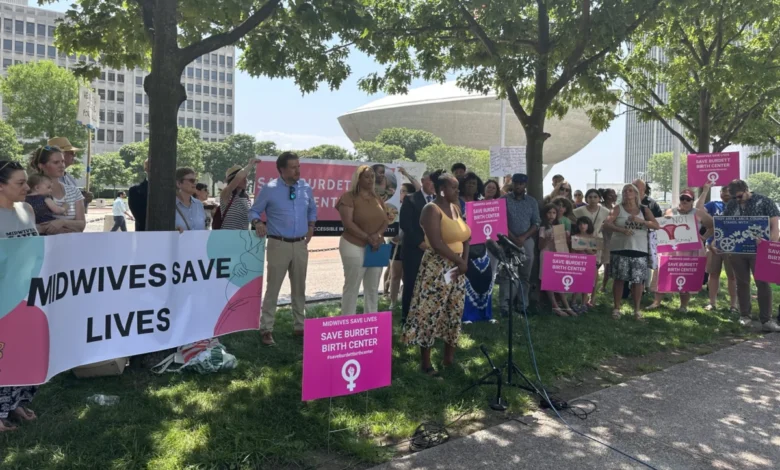
The backlash was swift and multifaceted. Within days of the announcement, midwives, doulas, mothers, and community leaders organized a rally at the Troy YWCA. Volunteers manufactured and distributed pink “Save Burdett” T-shirts and yard signs at the local farmers market, transforming municipal civic spaces into hubs of resistance.
Recognizing that the corporate system had failed to conduct an adequate impact analysis, grassroots activists launched their own comprehensive community survey. The findings were stark: one in four residents in Troy lacked access to a personal vehicle, meaning that forcing maternity patients to travel to Albany presented a severe, potentially life-threatening barrier to care.
The campaign successfully bridged deep ideological divides. In an era marked by intense political polarization, the defense of the birthing center united figures from across the political spectrum. Carmella Mantello, then-City Council president and later elected as Troy’s Republican mayor, joined forces with progressive labor organizers, Planned Parenthood advocates, and local Democratic lawmakers. Even the Roman Catholic Diocese of Albany weighed in; Bishop Edward Scharfenberger publicly criticized the planned closure, arguing that dismantling a maternity facility ran counter to the fundamental tenets of Catholic healthcare traditions.
Escalation, Legal Scrutiny, and Legislative Intervention
As months passed, Trinity Health executives dug in their heels, maintaining that the closure was financially unavoidable and even pursuing legal action against the state to clear the path for the shutdown.
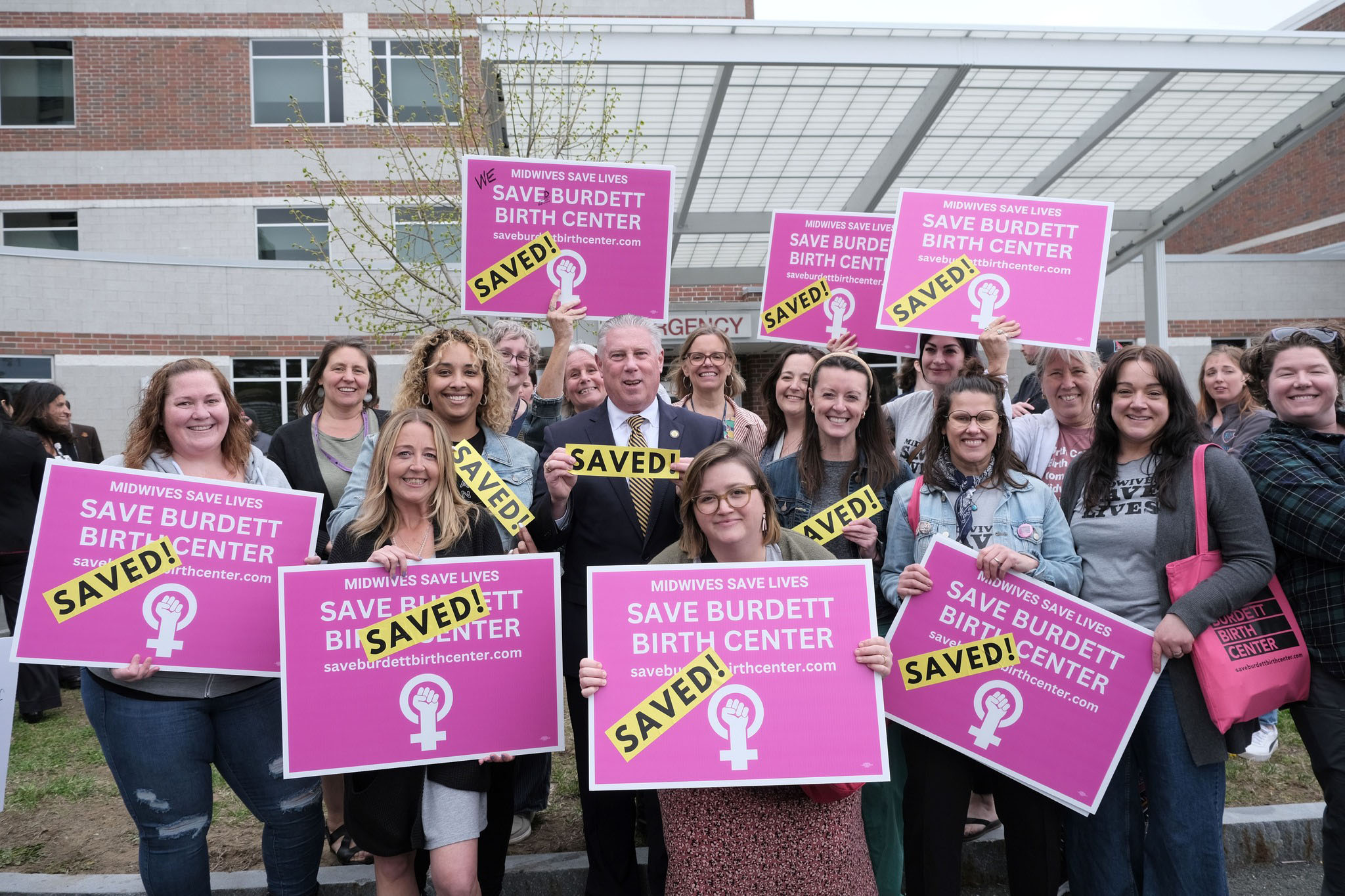
The standoff escalated as powerful state officials intervened. New York Attorney General Letitia James launched a formal investigation into the proposed closure and convened a daylong public hearing in Troy to listen to testimonies from affected families and medical professionals. Simultaneously, state lawmakers representing the region mobilized a legislative strategy. State Assembly member John T. McDonald III, a Democrat, worked alongside local Republican officials, including the county executive and state senators, to negotiate a compromise. Ultimately, the state legislature secured a critical $5 million funding allocation specifically earmarked to help keep the Burdett Birth Center operational.
Faced with mounting regulatory scrutiny, a united bipartisan political front, and relentless public advocacy, Trinity Health reversed its position nearly a year after the initial closure announcement, confirming that the Burdett Birth Center would remain open.
Broader Implications for Corporate Healthcare and Community Resilience
Healthcare policy experts view the resolution in Troy as a significant case study in the growing pushback against the corporatization of American medicine. Lois Uttley, a New York City-based researcher and patient advocate specializing in hospital consolidations, noted that communities nationwide are increasingly challenging the promises made by expanding health conglomerates.
According to Uttley, while large hospital systems frequently pitch mergers and acquisitions as a means to enhance care quality and lower costs through administrative efficiencies, historical data over the past three decades often reveals broken promises, reduced local service lines, and diminished community access. As more regional facilities face downsizing, public skepticism toward corporate healthcare models continues to mount.
For local leaders in Troy, the successful preservation of the Burdett Birth Center offers a lasting lesson in civic mobilization and cross-partisan cooperation. Reflecting on the hard-fought victory, Assemblyman McDonald emphasized the fundamental power of setting aside partisan divisions to address basic human needs. By lowering political barriers and uniting behind a common community asset, the residents of Troy proved that even against multi-billion-dollar corporate health conglomerates, local solidarity can alter the trajectory of public health infrastructure.