Apple’s Fall 2026 Hardware Showcase Unveils the Foldable iPhone Duo, iPhone 18 Pro, Series 12 Watches, and Revolutionary Health Ecosystem

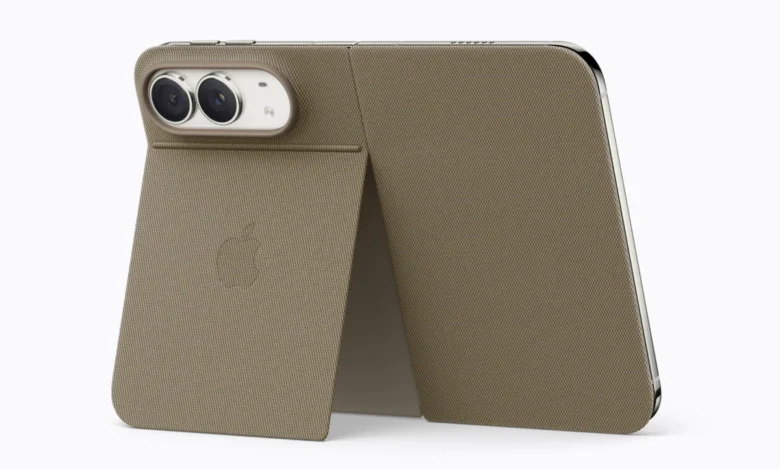
Apple has officially entered the foldable smartphone market, headlining its autumn hardware product cycle with the introduction of the long-awaited iPhone Duo. Unveiled during a high-profile keynote event, the company’s latest hardware lineup also includes the cutting-edge iPhone 18 Pro and Pro Max, the Apple Watch Series 12, the rugged Apple Watch Ultra 4, redesigned AirPods 5, and a sweeping overhaul of the Apple Health software ecosystem. This year’s announcements signal a deliberate pivot toward foldable mechanical engineering, advanced biometric tracking, and on-device computational photography standards aimed at reshaping the consumer technology landscape.
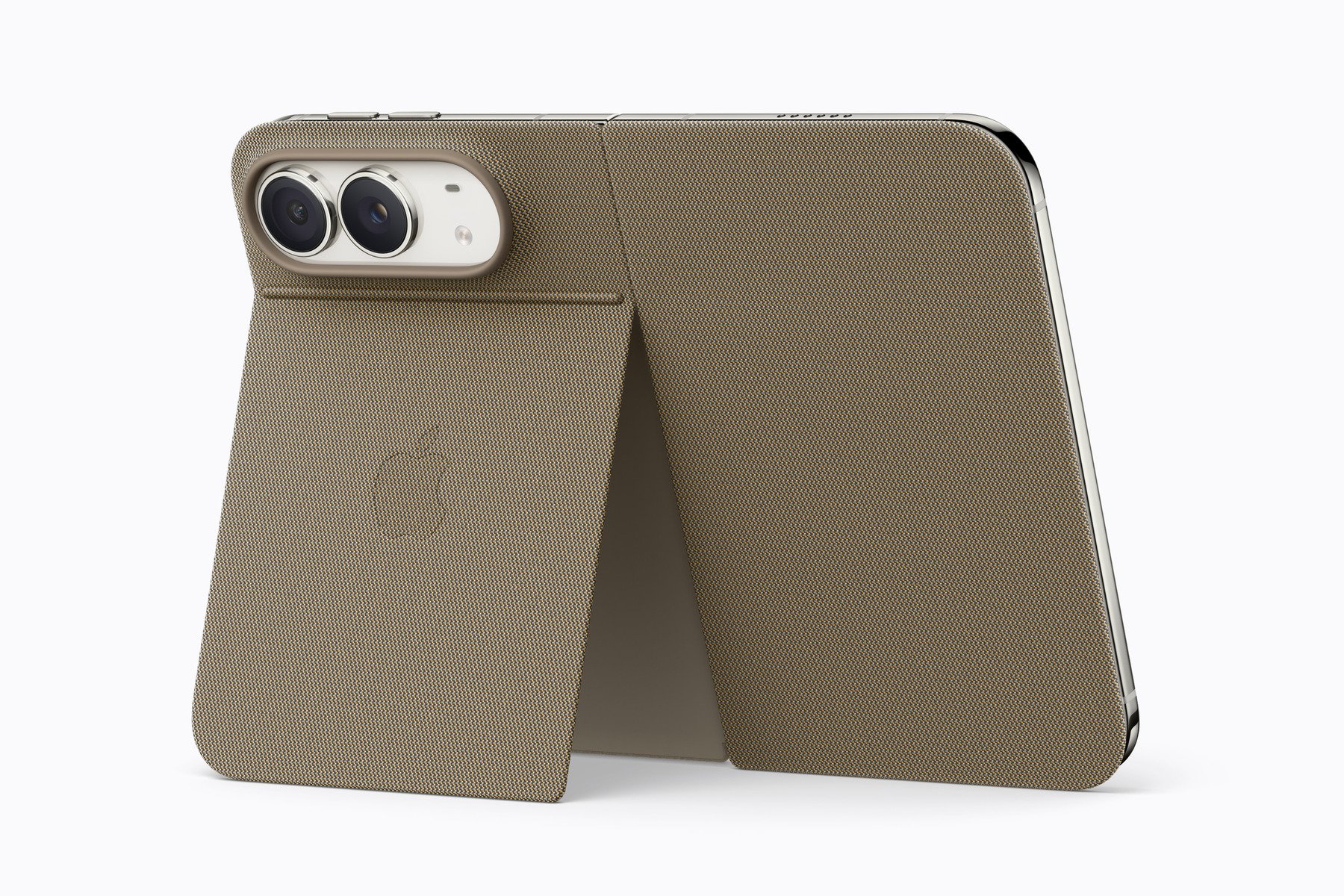
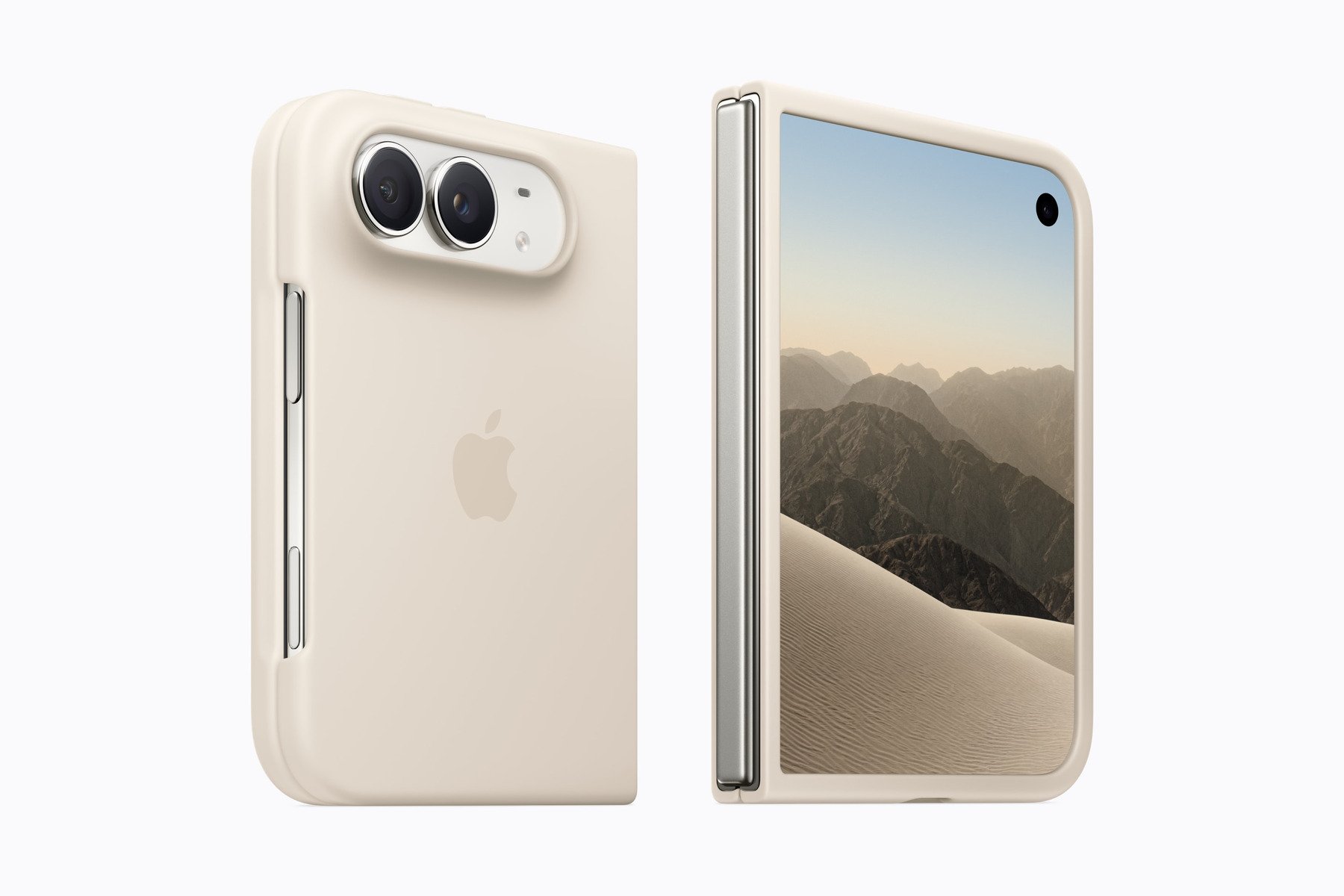
The introduction of the iPhone Duo marks a historic departure from Apple’s traditional slab-phone design philosophy. Priced starting at $1,999, the device unfolds from a 5.4-inch outer display into a sprawling 7.6-inch Super Retina XDR inner screen equipped with a specialized nano-texture finish. Industry analysts have closely monitored Apple’s approach to foldable durability, particularly regarding the display crease. By employing custom adhesives to relieve bend stress alongside a precision 3D-printed titanium hinge cover, Apple claims to have drastically minimized visual and tactile surface degradation. Both screens feature ProMotion adaptive refresh rates and peak outdoor brightness thresholds of 3,000 nits. Encased in grade 5 titanium with an IP68 water-resistance rating valid up to six meters for 30 minutes, the Duo runs on the formidable A20 Pro chip and features a dual-cell battery configuration designed to support demanding multitasking workflows.
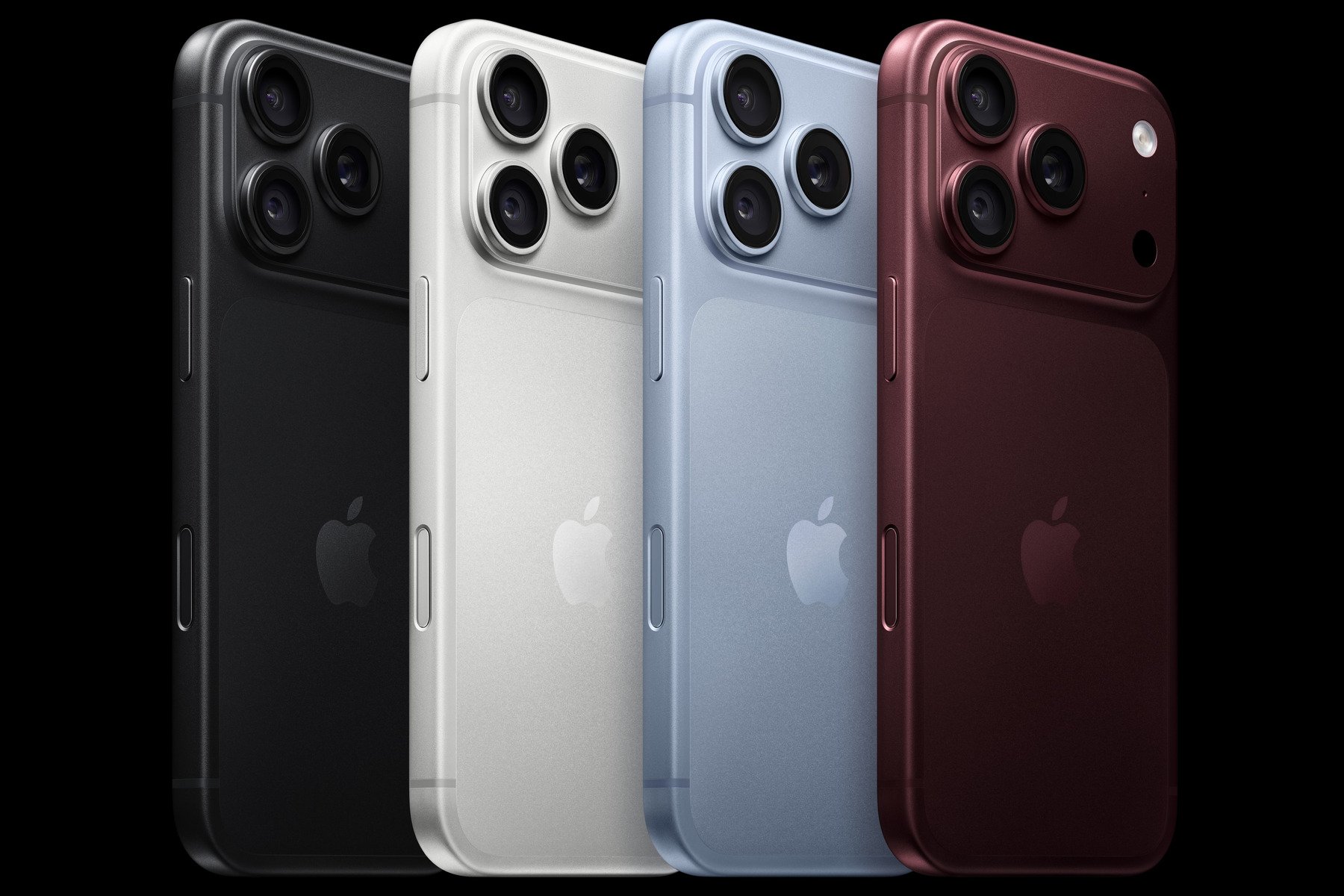
Parallel to the foldable venture, Apple refreshed its flagship slate devices with the introduction of the iPhone 18 Pro and iPhone 18 Pro Max, retailing at $1,199 and $1,299 respectively. Both models integrate Apple’s first 2nm mobile processor, the A20 Pro, featuring a 7-core GPU that yields up to a 40 percent boost in sustained graphical performance. Thermal management has been heavily optimized through the inclusion of a redesigned internal vapor chamber boasting triple the surface area of its predecessor. Photography enthusiasts will note a major hardware evolution in the 48MP Fusion main camera: the integration of a physical variable aperture utilizing six laser-cut blades. This mechanical innovation allows the camera to dynamically adjust light intake, delivering optical depth-of-field control and sharper group shots without relying entirely on computational algorithms.
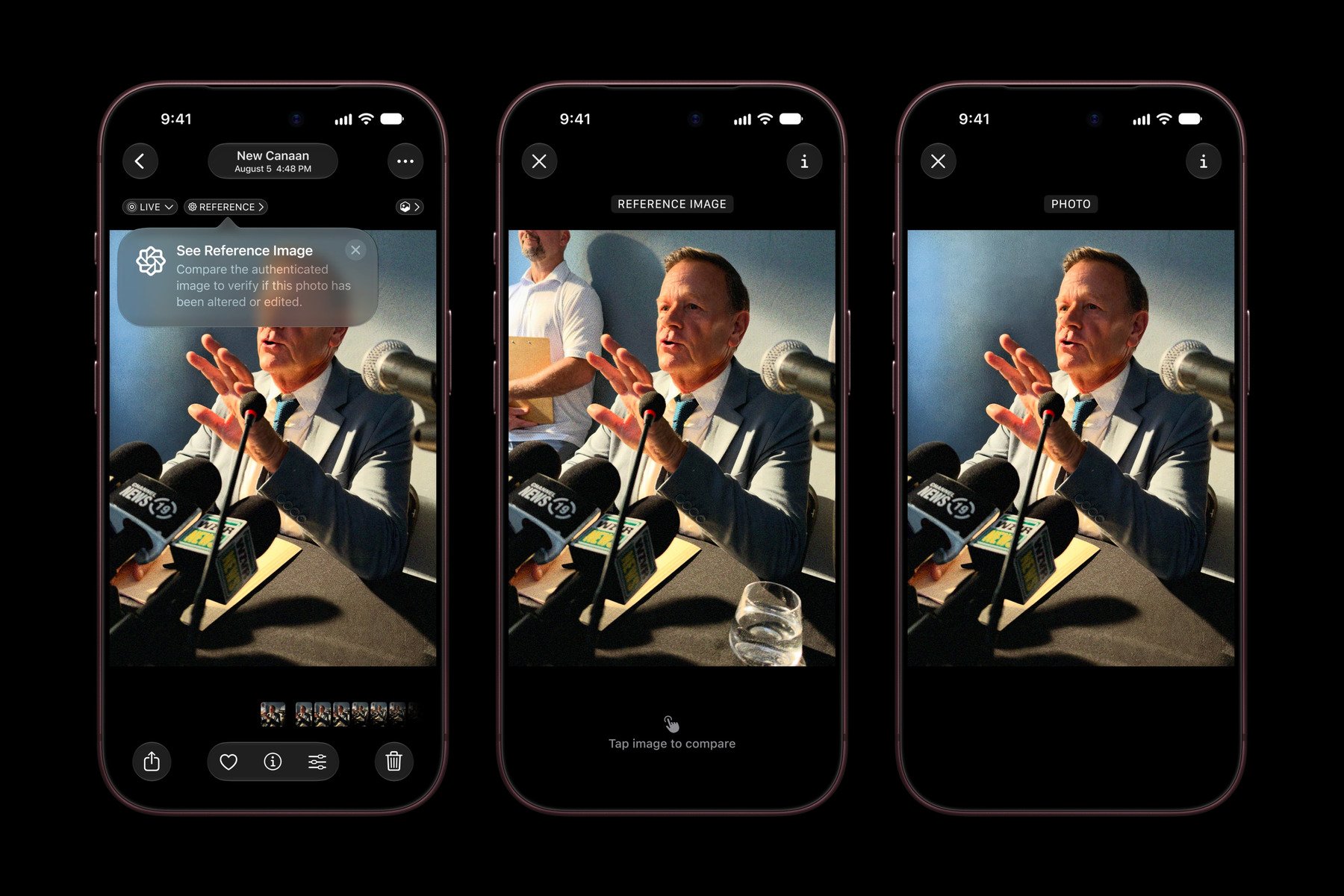
Furthermore, Apple introduced "Apple Reference Image" technology, a digital verification tool that captures signed sensor data and processes it via Private Cloud Compute to generate an immutable reference file. This feature addresses mounting industry concerns regarding synthetic imagery, providing a reliable method for journalists, documentarians, and legal professionals to verify the authenticity of captured media.
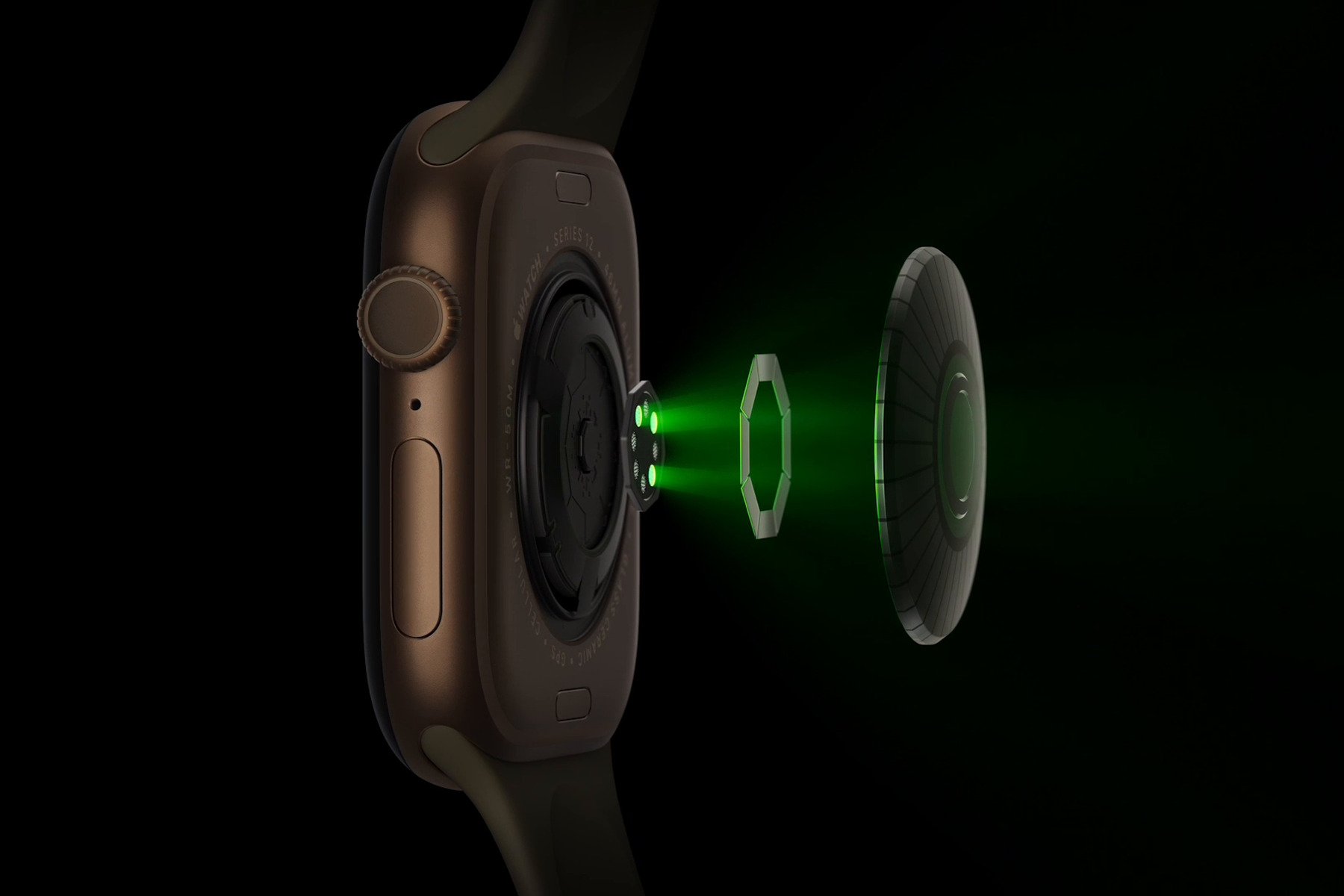
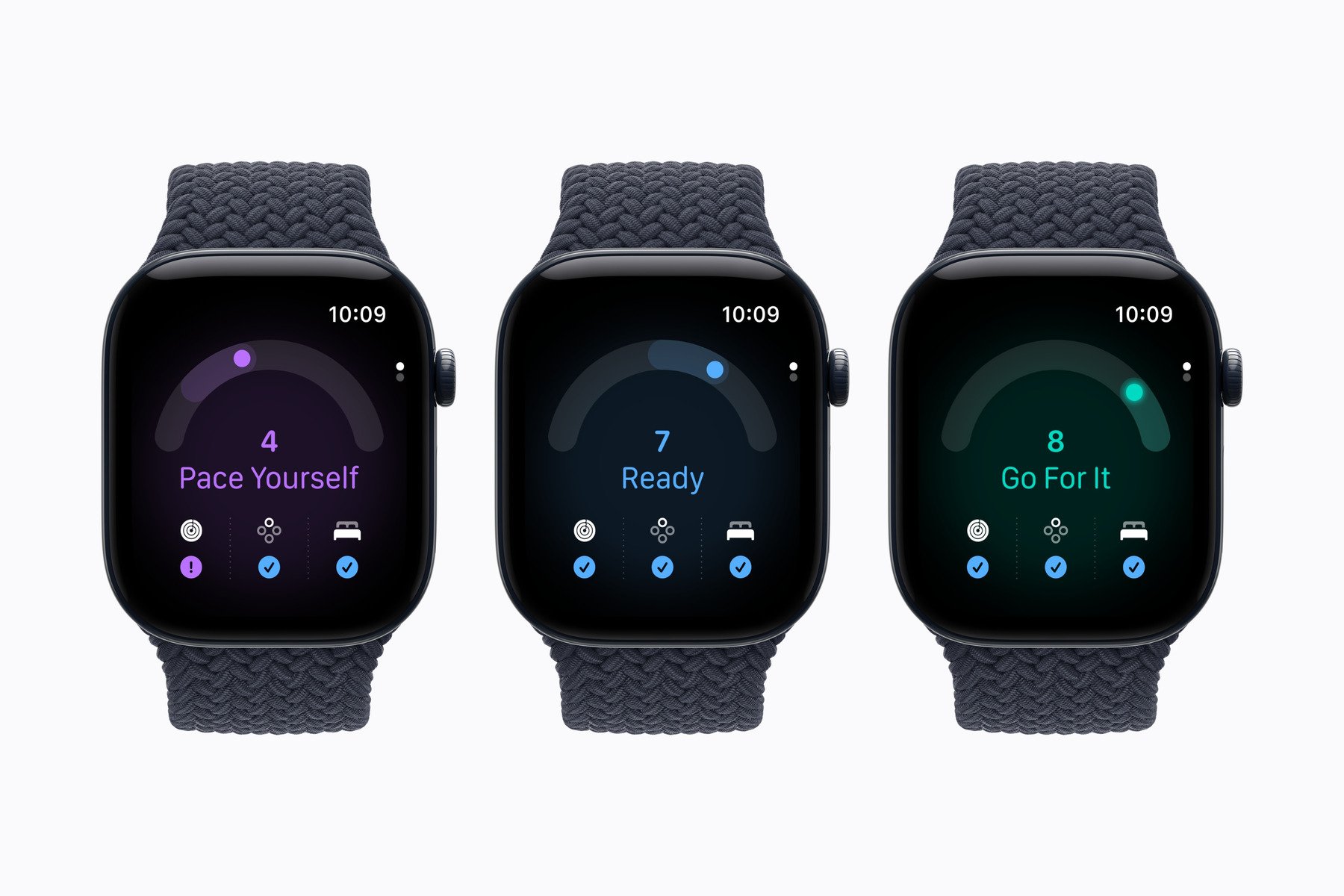
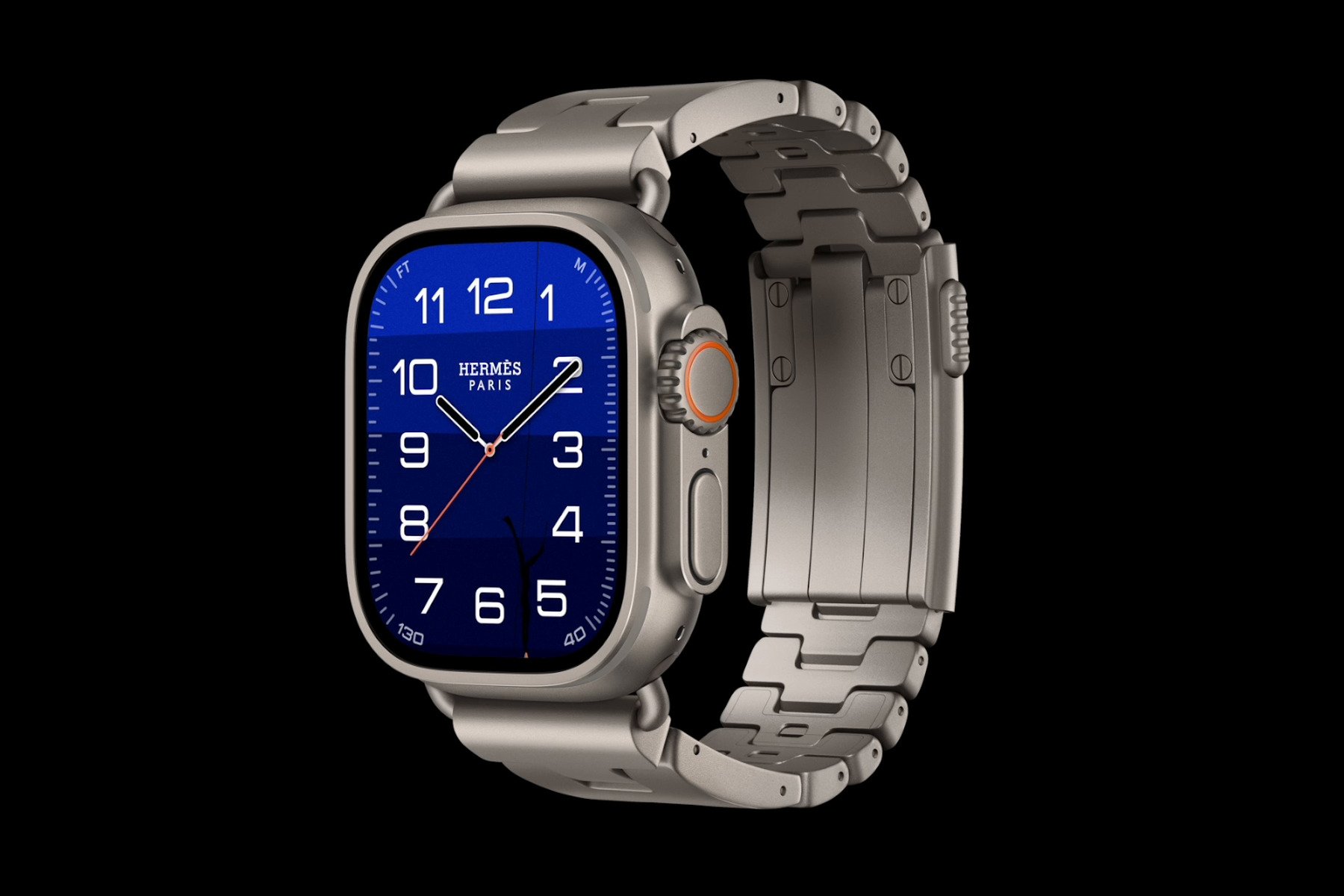
The wearable ecosystem received an equally rigorous update, spearheaded by the Apple Watch Series 12 and the Apple Watch Ultra 4. Starting at $399, the Series 12 introduces a sophisticated Health Sensing System capable of reading heart rate data every five seconds and measuring heart rate variability (HRV) up to 24 times more frequently than previous iterations. This continuous data stream feeds into a newly developed daily readiness score, sorting user recovery states into distinct actionable categories. The Ultra 4, priced at $799, extends these biometrics into a ruggedized, 100-percent recycled 3D-printed titanium chassis capable of delivering up to 50 hours of standard battery life and 45 hours in maximum workout modes. Both smartwatches utilize the new S11 chip, significantly improving energy efficiency and rapid-charging capabilities.
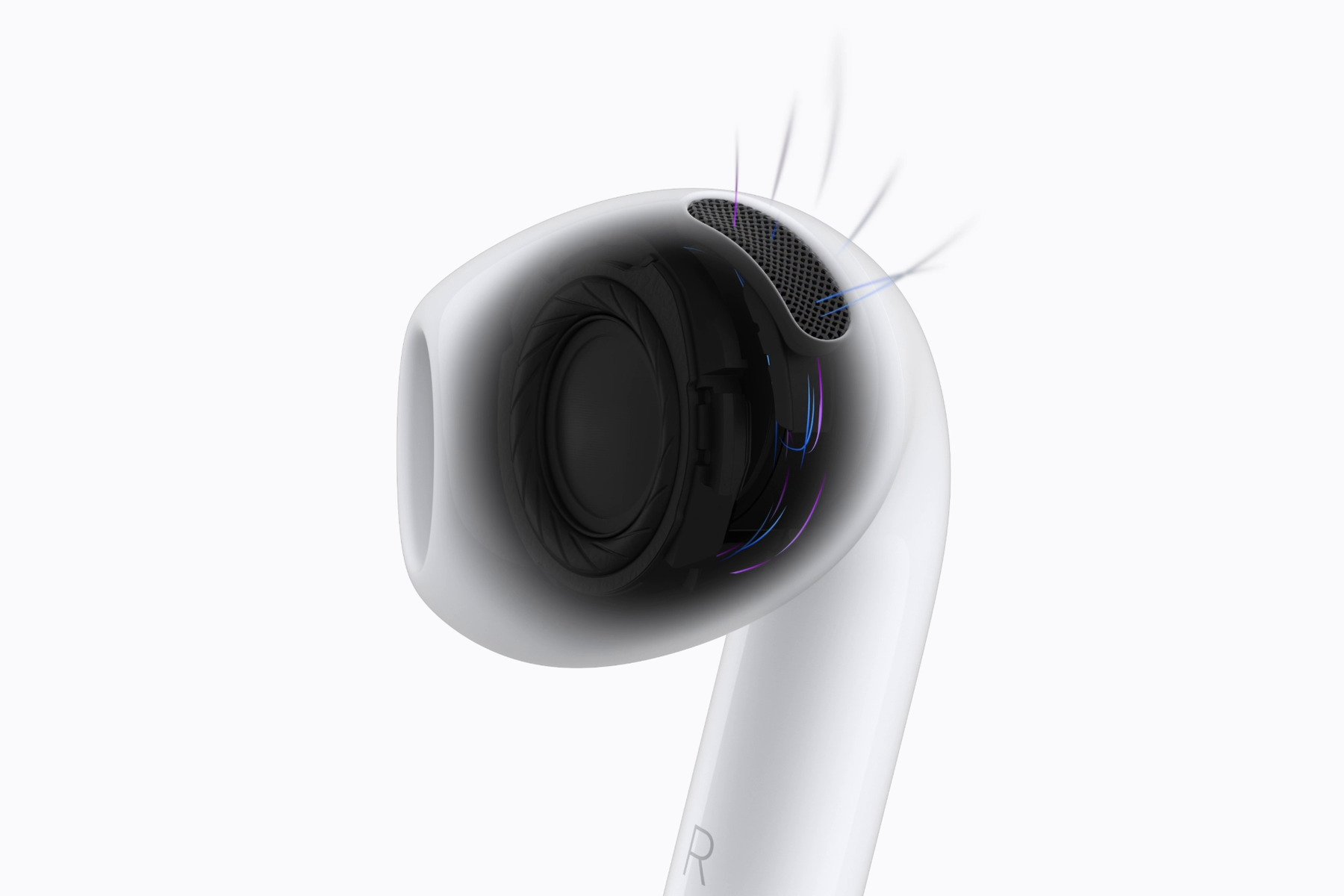
In the audio sector, Apple restructured its entry-level tier by bringing active noise cancellation (ANC) to the $129 AirPods 5. Utilizing a multiport acoustic architecture derived from the AirPods Pro line alongside next-generation Adaptive EQ algorithms, the new open-ear earbuds reduce external ambient noise by up to 50 percent compared to their predecessors. Upgrading to the $149 variant introduces a Wireless Charging Case equipped with a stem force sensor supporting volume swipes, an engineering milestone for open-ear form factors.
Beyond physical hardware, Apple executed its most ambitious software expansion to date by rebuilding the native Health app around a new "Longevity" tab. Central to this update is "Health Age," a metric benchmarked against VO2 max, resting heart rate, sleep metrics, and biometric lab values. In a groundbreaking service integration, the Health app now allows U.S. users to seamlessly schedule and purchase comprehensive blood biomarker panels directly through partnerships with approximately 2,000 Quest Diagnostics locations. Additionally, new movement evaluation tools leverage the iPhone camera and Apple Watch to assess flexibility, strength, and balance through on-device processing, strictly preserving user privacy without recording or storing video feeds.
The synchronized rollout will unfold across a carefully structured chronology. Preorders for the Apple Watch Series 12, Apple Watch Ultra 4, and AirPods 5 commenced immediately following the event, with retail availability slated for September 18. Preorders for the iPhone 18 Pro and Pro Max open on September 12, preceding a September 18 shipping date across more than 65 countries. Meanwhile, consumers eager to acquire the flagship iPhone Duo must wait until preorders open on October 16, ahead of an official launch on October 23. Operating system updates, including iOS 27 and watchOS 27, will deploy as free system over-the-air upgrades on September 14, bringing foundational features like the rebuilt Siri assistant and advanced photographic APIs to legacy devices.
The broader market implications of Apple’s 2026 portfolio are profound. By finally validating the foldable category with the iPhone Duo, Apple is expected to accelerate mainstream enterprise and consumer adoption of dual-screen mobile hardware, challenging competitors who have dominated the space for years. Concurrently, the deepening integration of medical-grade biometrics, diagnostic laboratory scheduling, and verifiable digital photography infrastructure positions Apple not merely as a consumer electronics manufacturer, but as an indispensable pillar of personal health management and digital authenticity in an increasingly complex technological landscape.