Fugitive Richard Fischer, Sought for Two Decades, Exposed as Biotech Executive Richard Graydon Following Arrest

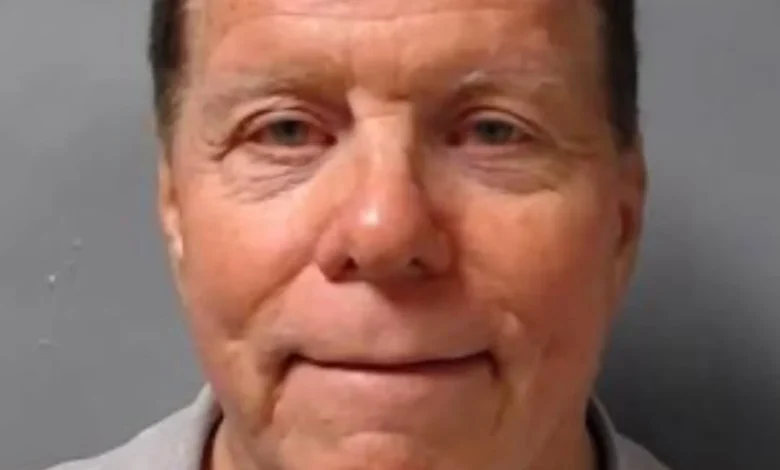
A dramatic 20-year manhunt concluded on July 16, 2023, with the apprehension of Richard Fischer, a man sought by federal authorities from Rhode Island for aggravated identity theft and wire fraud since the early 2000s. Fischer, who had successfully eluded capture for two decades, had meticulously constructed an elaborate new identity as "Richard Graydon," a highly credentialed oncologist and chief medical officer, infiltrating the upper echelons of the competitive biotech and pharmaceutical industry. His extraordinary double life as a celebrated, albeit fraudulent, medical expert while simultaneously being one of the nation’s longest-wanted fugitives, featured on programs like America’s Most Wanted, has sent ripples of shock and concern through the biotech sector regarding executive hiring practices and due diligence.
The Orchestration of a Double Life: From Fugitive to Pharma Executive
For two decades, Richard Fischer, born in Rhode Island, vanished from the public eye after federal charges were filed against him. While the exact details of his initial crimes — aggravated identity theft and wire fraud — remain under the purview of ongoing legal proceedings, their severity was enough to warrant his placement on the U.S. Marshals Service’s most-wanted list, securing him a notorious spot on the long-running television program America’s Most Wanted. This program, which leveraged public assistance to track down fugitives, typically featured individuals wanted for serious felonies, highlighting the gravity of Fischer’s alleged offenses. During his time on the lam, authorities had identified more than a dozen aliases he employed to maintain his clandestine existence. His police profile painted a vivid, almost romanticized, picture: a "master yachtsman, a world traveler, and internationally connected." This description now resonates with an eerie prescience, given the manner of his eventual capture.
In a stunning revelation that underscores the audacious nature of his deception, Fischer, operating under the alias Richard Graydon, began to establish himself as a prominent figure in the biotech world. In 2017, he self-published a book titled The Genetic Risks of Cancer: The Effects of DNA, Genomics and Inheritance on Aging and Survival. The book, available on Amazon but notably devoid of reviews, described Graydon as a seasoned oncologist who had served as a chief medical officer within the biotech and drug development industry. This publication served as an apparent cornerstone for his fabricated persona, lending an air of intellectual authority and professional accomplishment to his false identity.
Infiltration of the Biotech Sector: Atossa Therapeutics and Immix Biopharma
The elaborate facade began to yield significant professional opportunities. In October 2022, Atossa Therapeutics, a Seattle-based clinical-stage biopharmaceutical company focused on oncology and infectious diseases, announced the appointment of Richard Graydon as its interim Chief Medical Officer. Steven Quay, Atossa’s CEO, expressed enthusiasm at the time, stating, "We are privileged to welcome Richard to Atossa, where his deep experience in CAR-T cell therapy fits well with our current strategic direction as we explore our opportunities in cell therapy." This statement highlights the critical nature of the CMO role, which typically involves overseeing all clinical development activities, regulatory interactions, and medical affairs within a drug development company. The reference to CAR-T cell therapy, a cutting-edge and highly complex field in cancer treatment, further underscored the perceived expertise Graydon brought to the table.
Just a few months later, in March 2023, Graydon transitioned to another promising biotech firm, Immix Biopharma. Immix, a clinical-stage biotechnology company developing oncology therapies, issued a press release announcing his hire, touting an even more impressive set of credentials. The company described Graydon as a "board-certified hematologist-oncologist with over 20 years of experience in clinical development, most recently at Merck & Co. and Johnson & Johnson." The announcement went on to claim that he had "led new and supplemental new drug applications and biologics license applications for 7 approved drugs including Darzalex, Carvykti, Keytruda, and Imbruvica." These drugs are not merely successful; they are among the biggest blockbusters in the global oncology market, generating billions in annual revenue and representing significant advancements in cancer treatment. Keytruda alone, Merck’s flagship immunotherapy, consistently ranks among the world’s best-selling pharmaceuticals. Darzalex (multiple myeloma), Carvykti (multiple myeloma), and Imbruvica (various blood cancers) are also highly impactful therapies. To have been instrumental in the development and approval of such a portfolio would place Graydon among the most elite figures in oncology drug development.
The Immix announcement further embellished Graydon’s academic background, claiming he "received his MD and PhD from Stanford University and trained at Harvard’s Massachusetts General Hospital." These institutions are globally recognized as pinnacles of medical and scientific education and research, and an individual with such a pedigree would be highly sought after in the biotech industry. The combination of elite academic credentials and a track record of shepherding multiple blockbuster drugs through the regulatory process painted a picture of an extraordinarily qualified and experienced professional.
The Unraveling: Discrepancies and Lack of Verification
However, these impressive claims began to unravel under scrutiny. The investigative publication Stat reported that it could not verify any of the academic or professional information Graydon had provided, including his purported degrees from Stanford and training at Massachusetts General Hospital, or his alleged tenures at Merck & Co. and Johnson & Johnson. The silence from Immix Biopharma, which did not respond to requests for comment from Stat regarding the discrepancies, only deepened the mystery surrounding Graydon’s true identity and background. This lack of verifiable credentials for such a high-profile role immediately raised red flags, especially given the stringent due diligence typically expected in the hiring of senior executives within the highly regulated pharmaceutical industry.
The role of a Chief Medical Officer is not merely administrative; it often requires board certification, extensive clinical experience, and a deep understanding of medical science and regulatory pathways. These positions are frequently subjected to rigorous background checks, including verification of academic transcripts, professional licenses, previous employment, and references. The fact that Graydon, or Fischer, was able to bypass or deceive these processes for two separate companies, particularly given his fugitive status, points to a sophisticated level of deception and potentially a systemic vulnerability in the executive hiring protocols within certain biotech firms.
The Arrest: A Fugitive’s Final Voyage
The elaborate charade finally crumbled on July 16, 2023. Richard Fischer, the man known as Richard Graydon, was apprehended aboard a 56-foot sailing vessel named The Silver Lining. The arrest occurred on the East River in New York, a fittingly dramatic end for a man described as a "master yachtsman." U.S. Marshals, working in coordination with the U.S. Coast Guard, intercepted the vessel and took Fischer into custody "without incident," according to a press release from the U.S. Marshals Service. The capture marked the culmination of a two-decade pursuit, closing one of Rhode Island’s longest-running fugitive cases.
The name of his vessel, The Silver Lining, adds a layer of poignant irony to the story, reflecting perhaps the hope of a new, unblemished life that Fischer meticulously crafted, only for it to be shattered by the persistence of law enforcement. His capture in New York’s waters, far from his original alleged crimes in Rhode Island, underscores his "world traveler" profile and the extensive efforts he undertook to remain undetected.
Immediate Fallout and Broader Implications for Biotech
Following the sensational news of "Richard Graydon’s" true identity and arrest, Immix Biopharma moved swiftly to address the situation. In an SEC filing released the Monday after Fischer’s arrest, the company announced Graydon’s termination. In an attempt to mitigate potential concerns from investors and the public, Immix stated, "Given his short tenure, management believes there is no material effect on the business." While this statement aims to reassure stakeholders, the implications of hiring a federal fugitive under false pretenses for a critical executive role are multifaceted and extend beyond immediate operational impact.
The incident raises significant questions about the robustness of due diligence processes in the biotech industry, particularly for C-suite positions. In a sector where trust, scientific integrity, and regulatory compliance are paramount, the infiltration by a long-term fugitive with fabricated credentials poses a serious reputational risk. Companies rely heavily on the integrity and verifiable expertise of their leadership, especially those involved in clinical trials and drug development, where patient safety and ethical conduct are non-negotiable.
For Atossa Therapeutics, which hired Graydon earlier, the implications are similar, though his tenure there was also relatively brief. The revelation undoubtedly prompts internal reviews of their hiring procedures and background check mechanisms. The biotech industry, a magnet for highly specialized talent, must now confront the potential for sophisticated deception, especially when individuals present seemingly impeccable credentials from prestigious institutions and major pharmaceutical companies. The sheer scale of the drugs Graydon claimed to have worked on (Keytruda, Darzalex, Carvykti, Imbruvica) – representing billions in revenue and millions of patient lives – means that any individual claiming such involvement would ordinarily undergo intense scrutiny.
The Legal Road Ahead for Richard Fischer
Richard Fischer now faces the federal charges of aggravated identity theft and wire fraud that he has evaded for two decades. The legal proceedings will undoubtedly delve into the specifics of these charges, as well as the intricate details of how he managed to maintain his false identity and infiltrate the biotech industry. Aggravated identity theft carries a mandatory minimum sentence, and wire fraud can result in substantial prison time, especially given the duration and potential scope of his alleged activities. The narrative of his life on the lam, his constructed persona, and his high-profile "career" in biotech will likely be central to his defense and prosecution.
This extraordinary case serves as a stark reminder of the challenges faced by law enforcement in tracking down determined fugitives and the vulnerabilities that can exist within corporate hiring processes, even in highly regulated industries. It highlights the lengths to which individuals will go to evade justice and the critical importance of rigorous verification in positions of trust and authority. The saga of Richard Fischer, the master yachtsman turned biotech executive, will undoubtedly be a case study for both law enforcement agencies and corporate governance professionals for years to come.
Related posts: