
Cecilia Gentili St Patricks Cathedral
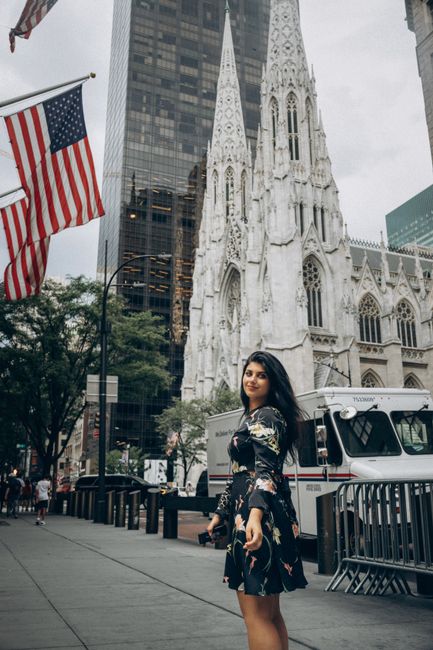
Cecilia Gentili and St. Patrick’s Cathedral: A Transformative Partnership
Cecilia Gentili’s association with St. Patrick’s Cathedral in New York City represents a significant chapter in the history of both the esteemed religious institution and the prominent transgender activist. Her involvement, particularly her role as the first openly transgender person to receive last rites and be honored with a memorial service within the cathedral’s hallowed walls, marked a watershed moment, challenging long-held perceptions and fostering greater inclusivity within the Catholic Church. This article will delve into the multifaceted dimensions of Cecilia Gentili’s relationship with St. Patrick’s Cathedral, exploring the context of her life and activism, the significance of the events that unfolded, and the broader implications for LGBTQ+ inclusion in religious spaces.
Cecilia Gentili, born in Argentina, arrived in New York City and quickly became a powerful voice for the transgender community, particularly focusing on issues of sex work, immigration, and healthcare access. Her tireless advocacy work earned her widespread recognition and respect. She was a founder of TransWomen of Color Collective (TWCC) and played a crucial role in various social justice initiatives aimed at empowering marginalized transgender individuals. Gentili’s life was characterized by resilience, unwavering dedication to her community, and a profound understanding of the intersectionality of oppression. Her journey was one of navigating prejudice and advocating for a more just and equitable world, a mission she pursued with grace and fierce determination. Her work directly impacted the lives of countless individuals, offering them support, resources, and a sense of belonging.
The announcement of Cecilia Gentili’s death in May 2021 sent ripples of grief through her community and beyond. What followed, however, was an unprecedented act of recognition and affirmation from St. Patrick’s Cathedral. The decision to allow her funeral Mass, a significant Catholic sacrament, and subsequently a public memorial service within the cathedral itself, was met with both praise and controversy. For many within the LGBTQ+ community and their allies, this was a deeply symbolic gesture of acceptance and a powerful repudiation of historical exclusion. It signaled a potential shift in how the Catholic Church, or at least a prominent archdiocese, was willing to engage with and honor the lives of transgender individuals.
The events surrounding Cecilia Gentili and St. Patrick’s Cathedral brought into sharp focus the complex and often fraught relationship between the Catholic Church and the LGBTQ+ community. While official Church doctrine has historically maintained traditional stances on issues of sexuality and gender identity, the actions at St. Patrick’s suggested a growing openness to pastoral care and a recognition of the inherent dignity of all individuals, regardless of their sexual orientation or gender identity. This tension between doctrine and pastoral practice is a central theme in contemporary discussions about faith and LGBTQ+ inclusion. The cathedral’s decision was not necessarily a departure from doctrine but a testament to the pastoral imperative to minister to and honor all members of the human family, especially in times of loss.
The memorial service for Cecilia Gentili at St. Patrick’s Cathedral was a powerful and emotionally charged event. It was attended by a diverse congregation, including LGBTQ+ advocates, community members, religious leaders, and those drawn by the profound human and symbolic significance of the occasion. The speeches delivered honored Gentili’s legacy of activism, her compassion, and her unwavering commitment to social justice. The setting of St. Patrick’s Cathedral, a landmark of Catholic tradition and a symbol of New York City, amplified the impact of the service, making it a visible and public declaration of inclusion. The presence of transgender individuals and their allies within the sacred space, celebrated and mourned by the wider community, was a potent image of progress.
For many transgender individuals, the ability to have their lives and deaths acknowledged and honored within traditionally religious spaces like St. Patrick’s Cathedral holds immense spiritual and psychological weight. Historically, many LGBTQ+ individuals have felt alienated or ostracized by religious institutions, leading to feelings of shame and a disconnect from their faith. Gentili’s experience offered a counter-narrative, demonstrating that it is possible for religious spaces to be welcoming and affirming. This is particularly important for transgender people of faith who may struggle to reconcile their identity with the teachings of their religion. The visibility of Gentili’s memorial service provided a beacon of hope for those seeking such reconciliation.
The Archdiocese of New York’s decision to permit these services was met with varying reactions. Some hailed it as a sign of evolving pastoral care and a move towards greater LGBTQ+ inclusion. Others, adhering to more conservative interpretations of Catholic doctrine, expressed concern or disapproval. However, Cardinal Timothy Dolan, the Archbishop of New York, publicly supported the decision, emphasizing the Church’s commitment to ministering to all people and offering solace in times of grief. This stance from a prominent church leader underscored the complexities of the situation and highlighted the ongoing dialogue within the Church regarding LGBTQ+ issues. Cardinal Dolan’s support was crucial in framing the event as an act of pastoral compassion rather than a theological shift.
Cecilia Gentili’s activism extended beyond LGBTQ+ rights to encompass broader social justice issues. Her work on behalf of sex workers, many of whom are transgender and disproportionately face violence and discrimination, was particularly impactful. She advocated for decriminalization, improved working conditions, and access to healthcare, recognizing the interconnectedness of these struggles. Her ability to bridge different communities and build coalitions was a hallmark of her leadership. This holistic approach to activism, recognizing that liberation is interconnected, informed her approach to life and her interactions with all people, including those within religious institutions.
The legacy of Cecilia Gentili at St. Patrick’s Cathedral serves as a powerful reminder of the ongoing evolution of societal attitudes and the potential for religious institutions to adapt and become more inclusive. While significant challenges and differing viewpoints remain, the events surrounding her memorial have opened doors for dialogue and reflection. It has encouraged conversations about how faith communities can better serve and affirm their LGBTQ+ members. The symbolic power of a transgender activist being honored within one of Catholicism’s most prominent cathedrals cannot be overstated. It provides a tangible example of progress and inspires further advocacy for full inclusion.
The story of Cecilia Gentili and St. Patrick’s Cathedral is not just about a single event; it is about the broader struggle for LGBTQ+ dignity and acceptance within religious spheres. It highlights the importance of personal testimony, courageous leadership, and the persistent pursuit of justice. Gentili’s life and activism, culminating in a deeply meaningful recognition at St. Patrick’s, offer a powerful testament to the transformative potential of embracing inclusivity and extending compassion to all. The SEO keywords to consider for this article would include: Cecilia Gentili, St. Patrick’s Cathedral, transgender rights, LGBTQ+ inclusion, Catholic Church, New York Archdiocese, Cardinal Dolan, social justice, sex worker advocacy, immigrant rights, funeral services, memorial service, religious inclusivity, faith and LGBTQ+, transgender visibility, pastoral care.
The broader societal impact of Cecilia Gentili’s visibility at St. Patrick’s Cathedral is multifaceted. For transgender individuals who have faced rejection from religious communities, her story offers a potent symbol of hope and validation. It demonstrates that it is possible to find acceptance and to have one’s life celebrated within spaces that may have historically excluded them. This can be incredibly healing and affirming, fostering a sense of belonging and spiritual connection that might otherwise be unattainable. The public nature of the event, broadcast and reported widely, amplified this message, reaching a vast audience and encouraging conversations about transgender lives and their place within society and faith traditions.
Furthermore, Gentili’s advocacy extended to the often-invisible labor of sex workers, a group that frequently experiences extreme marginalization and criminalization. Her insistence on their dignity and humanity, and her work to secure their rights and access to resources, underscores the intersectional nature of her activism. By bringing these issues to the forefront, often through her own lived experience and her strong voice, she challenged societal assumptions and demanded a more compassionate and just approach. Her ability to connect with and advocate for diverse groups, and to see the shared struggles for liberation, was a profound aspect of her leadership.
The decision of St. Patrick’s Cathedral, and by extension the Archdiocese of New York, to host these services for Cecilia Gentili was not without its challenges and internal discussions. Religious institutions, particularly those with long-standing traditions and doctrines, often navigate complex debates surrounding evolving social norms and theological interpretations. The actions at St. Patrick’s suggest a growing willingness within some segments of the Catholic Church to prioritize pastoral outreach and to acknowledge the inherent dignity of every individual, even when faced with differing theological viewpoints. This does not necessarily signify a shift in official doctrine but rather a more pronounced emphasis on compassionate engagement and the pastoral imperative to minister to all members of God’s creation.
Cardinal Timothy Dolan’s supportive stance was instrumental in framing these events as acts of pastoral care and human solidarity. His public statements emphasized the Church’s commitment to accompanying individuals through life’s joys and sorrows, regardless of their personal circumstances. This message of universal pastoral care is a crucial element in fostering a more inclusive environment within religious communities. The visibility of a prominent Catholic leader endorsing such an inclusive act carries significant weight and can inspire further dialogue and action within the Church.
The broader implications for LGBTQ+ inclusion within religious spaces are significant. Cecilia Gentili’s story serves as a powerful case study in how individual advocacy, coupled with courageous leadership and a willingness to engage in difficult conversations, can lead to tangible progress. It highlights the ongoing work required to dismantle historical barriers and create truly welcoming and affirming environments for LGBTQ+ individuals of faith. The events at St. Patrick’s Cathedral provide a model for other religious institutions seeking to move towards greater inclusivity and to better serve their diverse congregations. It is a testament to the power of lived experience and the importance of ensuring that all voices are heard and valued within faith communities. The continued discussion and exploration of these themes are essential for fostering a more just and compassionate society.
