
Supreme Court Social Media Texas Florida
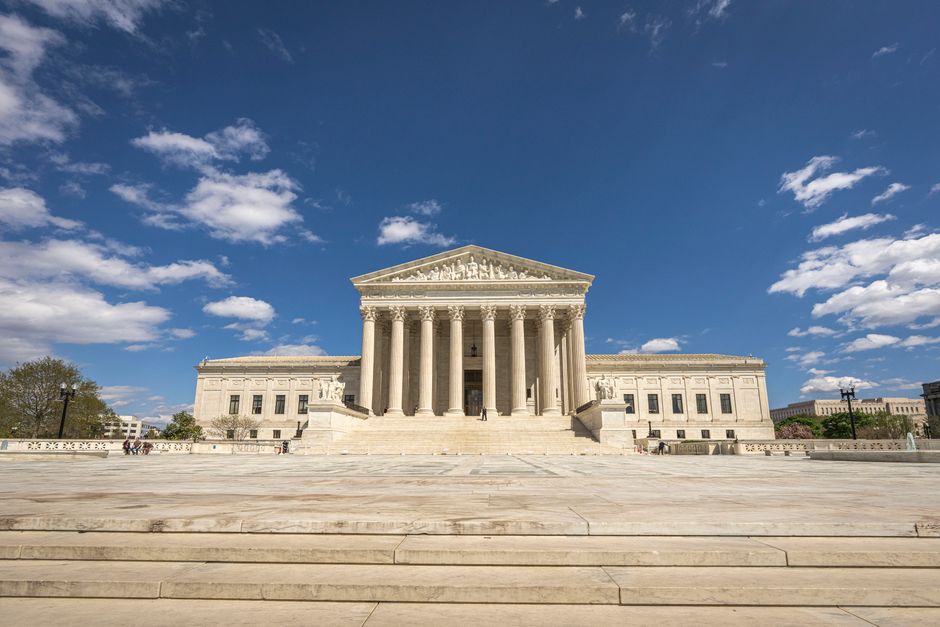
Supreme Court Social Media Texas Florida: Navigating the Interplay of Free Speech and Online Regulation
The intersection of social media platforms and governmental regulation is a burgeoning legal frontier, with significant implications for free speech in the digital age. The Supreme Court of the United States has recently grappled with this complex issue, particularly in cases involving state-level legislation in Texas and Florida that seeks to regulate how social media companies moderate content. These cases, notably NetChoice v. Paxton (Texas) and Moody v. NetChoice (Florida), represent a critical juncture in defining the boundaries of online expression and the power of states to influence digital public squares. At their core, these legal battles question whether state laws can compel social media platforms to host or remove certain content, and conversely, whether platforms can be restricted from deplatforming or censoring users. The outcomes of these cases will have profound consequences, shaping the future of online discourse, the autonomy of social media companies, and the scope of First Amendment protections in the digital realm for Texans, Floridians, and ultimately, for all Americans.
Texas’s House Bill 20 (HB 20) and Florida’s Senate Bill 7072 (SB 7072) are at the heart of the Supreme Court’s current examination of social media regulation. Both laws, enacted by Republican-led legislatures and championed by Republican governors, aim to curb perceived censorship of conservative viewpoints by major social media platforms. HB 20, for instance, prohibits large social media companies operating in Texas from banning or deplatforming users based on their "viewpoint." This broad prohibition extends to removing content, suspending accounts, or otherwise limiting a user’s ability to express themselves on the platform. The law defines "large social media platforms" as those with over 100 million monthly active users, effectively targeting tech giants like Meta (Facebook and Instagram), X (formerly Twitter), and Google (YouTube). The stated intent behind HB 20 is to prevent these platforms from engaging in what proponents argue is biased content moderation, thereby safeguarding free speech for all users. However, the law has faced strong opposition from social media companies and civil liberties advocates who contend it infringues on their own First Amendment rights to editorial control and association.
Florida’s SB 7072 mirrors many of the provisions of Texas’s HB 20, also focusing on prohibiting the deplatforming of political candidates and journalistic enterprises based on their viewpoints. It further introduces a requirement for platforms to provide transparency regarding their content moderation policies and to offer users a clear avenue for appealing content removal decisions. Similar to Texas, Florida’s law targets larger platforms, exempting smaller or newer services from its most stringent requirements. The legislative rationale behind SB 7072 is rooted in concerns that social media companies are acting as de facto publishers and are unfairly silencing specific political ideologies. Critics, however, argue that these laws compel platforms to host harmful or illegal content, potentially exposing them to liability and undermining their ability to maintain safe and functional online environments. The legal challenges brought forth by NetChoice, a trade association representing major tech companies, argue that both HB 20 and SB 7072 violate the First Amendment by forcing private entities to disseminate speech they disagree with and by interfering with their editorial discretion.
The Supreme Court’s involvement stems from the significant legal challenges posed by these state laws to the First Amendment. The central question before the Court is whether a private company, like a social media platform, has a First Amendment right to curate its own content and exclude certain speakers or viewpoints. Traditionally, the First Amendment protects individuals and the press from government censorship. However, social media platforms, while private entities, have become crucial forums for public discourse, leading to a debate about whether they should be treated as common carriers or publishers, each with different First Amendment implications. If viewed as common carriers, akin to telephone companies, they might have fewer rights to refuse service. If viewed as publishers, they would have greater latitude to control their content. The state laws in Texas and Florida attempt to impose obligations on these platforms that, according to the companies, effectively compel them to host speech they would otherwise remove, thus infringing on their own right to freedom of speech.
The arguments presented to the Supreme Court in NetChoice v. Paxton and Moody v. NetChoice highlight the profound tension between the states’ asserted interests in protecting free speech and the platforms’ asserted rights to editorial autonomy. Texas and Florida argue that their laws are necessary to prevent large tech companies from acting as gatekeepers of information and to ensure a diverse range of viewpoints are accessible online. They contend that social media platforms have become so integral to public life that they effectively function as modern public squares, and therefore, the government has a legitimate interest in regulating their content moderation practices to prevent censorship. These arguments often draw parallels to historical debates about common carriers and utilities, suggesting that platforms with immense reach and influence should be subject to a higher degree of public interest regulation. The states further posit that their laws are viewpoint-neutral in their application by prohibiting discrimination based on viewpoint, rather than mandating the promotion of any specific viewpoint.
Conversely, the social media companies, represented by NetChoice, argue that the laws violate the First Amendment by compelling them to speak (i.e., host content they disagree with) and by interfering with their editorial judgment. They assert that moderating content is a form of speech and that forcing them to host certain material, even if not explicitly endorsed, infringes upon their own expressive rights. The companies argue that they are private actors and, like any other business, should have the freedom to associate with whomever they choose and to refuse service to those they deem harmful or disruptive to their communities. Furthermore, they warn that the laws could lead to a deluge of harmful content, including hate speech, misinformation, and incitement to violence, as they would be unable to effectively moderate their platforms according to their own community standards. This could also expose them to increased legal liability and create a fragmented, inconsistent online landscape where each state has its own set of rules for online speech.
The legal precedent guiding the Supreme Court’s decision is complex and evolving. Previous cases, such as Miami Herald Publishing Co. v. Tornillo (1974), have affirmed a newspaper’s right to refuse to publish a reply by a political candidate it had criticized, establishing that the government cannot force a newspaper to print that which it does not want to print. This ruling is often cited by social media companies as analogous to their situation. However, the digital nature of social media and its unique role in public discourse present new challenges not directly addressed by older precedents. The Court may need to consider whether the unique characteristics of social media platforms, which aggregate and disseminate content from millions of users, warrant a different legal framework. The concept of "editorial control" itself is also being re-examined in the context of algorithms and automated content moderation, which differ from traditional editorial processes.
The implications of the Supreme Court’s ruling will be far-reaching, extending beyond Texas and Florida. A decision upholding the state laws could empower other states to enact similar legislation, leading to a patchwork of regulations across the country. This could create significant compliance challenges for social media companies and further complicate the landscape of online speech. Conversely, a decision striking down the laws would affirm the platforms’ broad discretion in content moderation, potentially leaving users feeling more vulnerable to perceived censorship. It would also reaffirm the existing understanding of First Amendment protections as primarily shielding individuals from government censorship, not compelling private entities to host specific speech. The outcome will shape how online platforms operate, how user content is managed, and the balance of power between government, technology companies, and individuals in the digital public sphere.
The judicial process for these cases involves several stages. After the district courts issued rulings, the cases were appealed to the circuit courts. The Fifth Circuit Court of Appeals partially blocked HB 20, finding that it likely violated the First Amendment. The Eleventh Circuit Court of Appeals, in contrast, upheld much of Florida’s SB 7072, though it did temporarily block a provision targeting deplatforming of candidates. These differing circuit court decisions created a circuit split, which is often a factor in the Supreme Court’s decision to grant certiorari. The Supreme Court has now agreed to hear these cases, indicating their significant national importance and the need for a definitive ruling. The oral arguments have taken place, and the Court is expected to issue its decisions in the coming months. The legal arguments presented by both sides have been robust, focusing on intricate interpretations of the First Amendment, the nature of private property in the digital age, and the evolving role of social media in democratic societies.
The economic impact of a Supreme Court ruling could also be substantial. Social media companies are major economic engines, and regulations that significantly alter their business models could have ripple effects. Compliance with fragmented state laws, for instance, could impose significant costs and operational hurdles. Conversely, if the Court upholds the states’ ability to regulate, it could open the door for further legislative action and potentially alter how these platforms manage their vast user bases and content. The business models of these companies are heavily reliant on user engagement and advertising, both of which can be affected by the type of content that is permitted or prohibited on their platforms. The Supreme Court’s decision will therefore have implications not just for free speech jurisprudence but also for the digital economy and the future of online commerce.
The ongoing debate surrounding social media regulation in Texas and Florida, and now before the Supreme Court, reflects a broader societal struggle to adapt to the profound impact of digital technologies. The desire to protect free expression from perceived bias by powerful platforms is understandable, but the legal mechanisms proposed raise serious First Amendment concerns. The Supreme Court’s upcoming decisions in NetChoice v. Paxton and Moody v. NetChoice will be pivotal in determining the future of online speech, the power of states to regulate digital platforms, and the delicate balance between government oversight and private enterprise in the ever-evolving digital landscape. The implications for free speech, platform governance, and the very nature of public discourse in the 21st century are immense, making these cases some of the most significant in recent memory regarding the First Amendment and the internet. The world watches to see how the highest court in the land will navigate this complex and consequential legal terrain.
