
Sundance Film Festival Will Ferrell
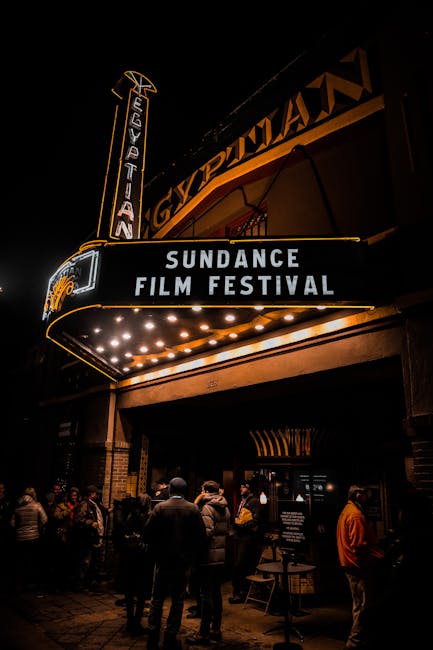
Sundance Film Festival: Will Ferrell’s Enduring Impact and Unforgettable Moments
Will Ferrell’s relationship with the Sundance Film Festival is more than just a casual acquaintance; it’s a deeply ingrained and mutually beneficial partnership that has yielded some of the most memorable and commercially successful independent films to emerge from the prestigious Park City event. From his breakout dramatic turn in The Royal Tenenbaums to his more recent forays into producing, Ferrell’s presence has consistently elevated the festival’s profile and demonstrated the viability of comedic talent venturing into diverse and often unexpected cinematic territory. His journey at Sundance is a testament to his artistic evolution, his business acumen, and his enduring ability to connect with audiences on both a visceral and intellectual level.
Ferrell’s initial foray into the Sundance spotlight wasn’t as the singular comedic force he is known for today. Instead, it was his supporting role in Wes Anderson’s quirky and critically acclaimed The Royal Tenenbaums that first put him on the radar of the independent film cognoscenti at Sundance in 2001. While the film itself garnered significant buzz for its distinctive visual style and stellar ensemble cast, Ferrell’s portrayal of the disgraced child prodigy, Carlton Banks, offered a glimpse into a more nuanced and less overtly boisterous side of his acting persona. This performance, while not a traditional lead, demonstrated his capacity for character work and hinted at a depth that would become increasingly evident in his subsequent projects. The film’s premiere at Sundance, a notoriously discerning audience, served as an early validation of his talent beyond the sketch comedy realm of Saturday Night Live. This early success at a festival celebrated for its independent spirit and bold storytelling provided a crucial launching pad for his burgeoning film career, suggesting that his comedic prowess could translate into compelling dramatic and character-driven roles.
The subsequent years saw Ferrell solidify his status as a bona fide movie star, and Sundance continued to be a proving ground for his more ambitious projects. His first true directorial effort, Old School, while not a Sundance premiere, gained significant traction and appreciation from the festival circuit, showcasing a maturation in his comedic sensibilities and a willingness to explore R-rated humor with a surprising amount of heart. It was the release of Anchorman: The Legend of Ron Burgundy in 2004, however, that truly cemented his relationship with the independent film ethos, even as it achieved mainstream blockbuster success. While Anchorman premiered theatrically, its roots and thematic concerns – a satirical take on masculinity, media manipulation, and absurdity – resonated deeply with the kind of independent filmmaking celebrated at Sundance. The film’s cult status and enduring popularity are a testament to its unique comedic voice, a voice that Ferrell, as both star and co-writer, was instrumental in shaping.
Ferrell’s impact at Sundance extends beyond his on-screen performances. He has become a significant force as a producer, using his influence and comedic sensibilities to champion other unique voices and stories. His production company, Gary Sanchez Productions (co-founded with Adam McKay), has been responsible for bringing a string of critically acclaimed and commercially successful independent films to the festival circuit, many of which have gone on to achieve significant awards recognition. Films like The Other Guys (a critical darling that premiered at TIFF but gained significant traction within the indie film community) and Step Brothers (another collaboration with Adam McKay that, while not a direct Sundance premiere, embodies the anarchic comedic spirit often showcased there) demonstrate his commitment to producing films that push boundaries and challenge comedic conventions. These projects often feature a blend of absurdist humor, relatable characters, and surprisingly insightful social commentary, hallmarks of the kind of storytelling that Sundance actively seeks to promote.
One of the most striking examples of Ferrell’s direct involvement with Sundance as a presenter and champion was his appearance in support of the film Be Kind Rewind in 2008. While he didn’t star in the film, his public endorsement and enthusiastic promotion, often involving his signature brand of off-the-wall humor, brought significant attention to the quirky and heartwarming Michel Gondry-directed project. This willingness to lend his star power to smaller, more experimental films underscores his genuine passion for independent cinema and his desire to see unique stories find their audience. His advocacy at Sundance often involves not just attending premieres but actively engaging with filmmakers and audiences, fostering a sense of community and celebration that is central to the festival’s identity.
Ferrell’s comedic genius, while often associated with broad, often slapstick humor, possesses an underlying intelligence and a keen observational wit. This allows him to navigate the more discerning landscape of independent film with a surprising degree of authenticity. His characters, even the most outlandish ones, often possess relatable anxieties and desires, a trait that resonates with audiences at festivals like Sundance that value character-driven narratives. Whether he is portraying a delusional anchorman or a misguided CEO, Ferrell’s performances are consistently grounded in a specific, often hilariously flawed, human reality. This ability to tap into the absurdities of everyday life with such precision has made him a consistently welcome presence at Sundance, where audiences are often seeking films that offer a fresh and insightful perspective on the human condition, even through the lens of comedy.
The economic impact of films championed or starring Will Ferrell at Sundance cannot be understated. Films that premiere at Sundance, especially those with established stars attached or produced by influential figures, gain significant marketability. The festival’s high-profile attendees, including distributors, agents, and critics, create a potent environment for deal-making and buzz generation. Ferrell’s involvement, whether as an actor, producer, or advocate, inherently attracts this attention. His name alone can significantly increase a film’s visibility and its potential for acquisition by major distributors, thereby increasing its chances of reaching a wider audience and recouping its investment. This symbiotic relationship between Ferrell’s star power and the festival’s platform benefits both the filmmaker and the independent film ecosystem.
Looking at his filmography, it’s clear that Ferrell has a strategic understanding of the independent film market. While he can, and does, headline studio comedies, his continued engagement with projects that possess a more distinct artistic vision, often first showcased at Sundance, reveals a deeper commitment to his craft. Films like Everything Must Go (2010), a more subdued and dramatic role for Ferrell, premiered at Tribeca but garnered significant critical attention for its exploration of addiction and loss, a departure from his typical comedic fare. This film, and others like it, demonstrate his willingness to take risks and explore complex characters, a trajectory that aligns perfectly with the spirit of Sundance. His ability to seamlessly transition between broad comedy and more nuanced dramatic performances is a testament to his versatility as an actor, and Sundance has often been the platform where these different facets of his talent are first recognized and celebrated.
Furthermore, Ferrell’s impact on the comedy genre within independent cinema is profound. He has helped to legitimize R-rated, character-driven comedy as a viable and often critically acclaimed cinematic form. Before Ferrell’s success, such comedies were often relegated to direct-to-video releases or struggled to gain widespread critical recognition. His films, and the subsequent wave of comedies that have followed in their wake, have demonstrated that intelligent, well-crafted humor can be both commercially successful and artistically resonant. This has opened doors for countless other comedic actors and filmmakers to pursue ambitious and original comedic visions, many of which find their initial audience and crucial early validation at Sundance.
The longevity of Will Ferrell’s career and his continued relevance in Hollywood are, in part, a reflection of his ability to adapt and evolve. His relationship with Sundance has been a crucial component of this evolution, providing him with a platform to experiment with different genres and showcase a broader range of his acting abilities. As he continues to produce and act, it is highly probable that his presence will remain a significant factor in the Sundance landscape. His legacy at the festival is one of comedic innovation, artistic bravery, and a genuine commitment to the art of independent filmmaking. His ability to blend high-brow satire with low-brow humor, and to imbue even the most absurd characters with a touch of humanity, has made him a unique and invaluable contributor to the independent film conversation, a conversation that is intrinsically linked to the enduring spirit of the Sundance Film Festival. His influence on the festival, and the festival’s influence on his career, has created a lasting narrative of mutual respect and creative synergy, solidifying his place as a pivotal figure in the history of modern independent cinema.
