
Ukraine War Dead Rafah
Ukraine War and the Rafah Offensive: A Grim Convergence
The ongoing conflict in Ukraine, now in its third year, continues to exert a profound global influence, not least through its impact on international humanitarian law and the discourse surrounding civilian protection. While the battlefield remains largely concentrated in Eastern and Southern Ukraine, the broader geopolitical and economic ramifications have extended far beyond its borders, indirectly shaping responses to other unfolding crises. Simultaneously, the Israeli military operation in Rafah, Gaza, has become a focal point of international concern due to the immense civilian population present in the densely populated city. The intersection of these two devastating conflicts, while geographically distinct, raises critical questions about accountability, proportionality, and the international community’s capacity to prevent mass atrocities. This article examines the Ukraine war’s implications for understanding and responding to the Rafah crisis, focusing on the legal frameworks, the challenges of evidence gathering, and the potential for drawing lessons from one conflict to mitigate suffering in the other.
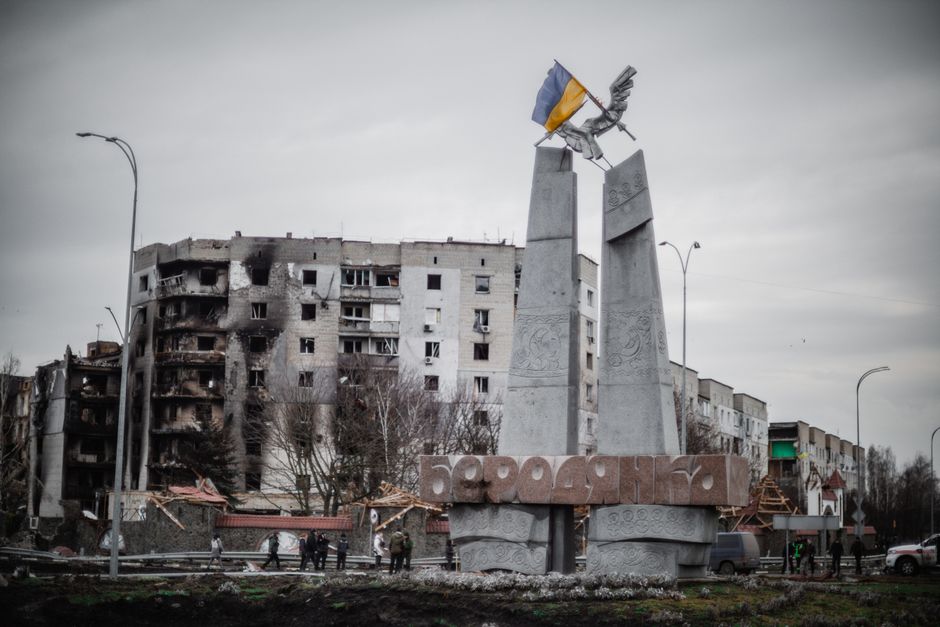
The Ukraine war has served as a stark, real-time case study in the application and limitations of international humanitarian law (IHL) in a large-scale conventional conflict. Allegations of war crimes, including indiscriminate attacks on civilian infrastructure, targeting of protected sites like hospitals and schools, and the use of indiscriminate weapons in populated areas, have been extensively documented by international bodies and human rights organizations. These investigations, while painstaking and ongoing, highlight the immense difficulty in establishing direct intent and command responsibility, particularly in the fog of war. The experience gained in documenting alleged atrocities in Ukraine, from collecting witness testimonies to analyzing satellite imagery and open-source intelligence, provides a valuable, albeit tragic, blueprint for similar efforts in Rafah. The mechanisms developed and refined for Ukraine – including the International Criminal Court’s (ICC) investigations, the establishment of commissions of inquiry, and the parallel efforts by national judicial authorities – offer potential pathways for accountability in relation to any violations of IHL occurring in Rafah.
The strategic importance of Rafah as the last major urban center in Gaza not fully subjected to a ground offensive by Israeli forces prior to its escalation, coupled with its dense civilian population, presents a unique set of challenges. Hundreds of thousands of displaced Palestinians, many having already fled multiple times during the conflict, have sought refuge in Rafah, exacerbating the humanitarian crisis. The potential for catastrophic civilian casualties in an intensified military operation is therefore exceptionally high. International law unequivocally mandates that all parties to an armed conflict must distinguish between combatants and civilians, and between military objectives and civilian objects. Attacks must be directed only against military objectives. Even if a legitimate military objective exists, attacks must be planned and executed in a way that avoids or minimizes incidental loss of civilian life, injury to civilians, and damage to civilian objects. This principle of proportionality is paramount and has been a central point of contention in discussions surrounding potential Israeli military actions in Rafah.
The Ukraine war has illuminated the complexities of applying the proportionality assessment in practice. Determining what constitutes an excessive anticipated civilian harm compared to the concrete and direct military advantage anticipated is often a subjective and contested judgment. Critics of Russian military operations in Ukraine have pointed to the widespread destruction of civilian areas and the high civilian death toll as evidence that proportionality assessments were either ignored or conducted in a manner that systematically disadvantaged civilian lives. Conversely, proponents of military actions often argue that they are conducted with due regard for IHL, with precautions taken to minimize civilian harm, and that civilian casualties are an unavoidable consequence of combat in areas where Hamas and other militant groups operate from within densely populated civilian areas, a tactic often referred to as "human shielding." This same dynamic of combat occurring in proximity to civilian populations is a critical element in the Rafah situation. The presence of Hamas infrastructure and fighters within Rafah, alongside a vast civilian population, creates an extremely challenging operational environment for any military force, and necessitates stringent adherence to IHL.
The international response to alleged violations of IHL in Ukraine has been characterized by both strong condemnation and, in some instances, a perceived lack of decisive action. While sanctions have been imposed and numerous states have provided extensive military and financial support to Ukraine, the ultimate enforcement of international law remains a complex and politically charged endeavor. The debate over "effective action" versus "de-escalation" has been a constant undercurrent in the global response to the Ukraine conflict. This same tension is palpable in the international discourse surrounding Rafah. Calls for an immediate ceasefire, humanitarian pauses, and the prevention of a full-scale ground offensive are met with arguments about Israel’s right to self-defense and the need to dismantle Hamas’s military capabilities. The lessons from Ukraine suggest that while strong rhetoric and diplomatic pressure are important, the tangible impact on preventing civilian suffering often hinges on the willingness of powerful states to wield more coercive measures and to uphold international legal norms consistently.
Evidence gathering and attribution are critical components of any accountability mechanism, and the Ukraine war has pushed the boundaries of what is technically feasible and legally admissible. The use of advanced technologies, including high-resolution satellite imagery, drone footage, geolocation of social media posts, and sophisticated forensic analysis, has enabled unprecedented levels of documentation of alleged war crimes. These methods, painstakingly applied in Ukraine, offer valuable insights for similar investigations in Rafah. However, challenges remain regarding the chain of custody of evidence, the verification of its authenticity, and the translation of technical data into legally compelling narratives that can withstand judicial scrutiny. The effectiveness of these tools in holding perpetrators accountable will ultimately depend on sustained investment in capacity building, international cooperation, and the political will to pursue justice, even when it involves powerful actors.
The concept of "universal jurisdiction" has also been a significant aspect of the international legal response to the Ukraine war, allowing national courts in some countries to prosecute grave international crimes regardless of where they were committed or the nationality of the perpetrator or victim. This principle offers a potential avenue for accountability if direct ICC jurisdiction is hampered by political or logistical constraints. The application of universal jurisdiction to alleged war crimes in Ukraine could provide a model for addressing potential violations in Rafah, particularly if there are strong connections between the events and states willing and able to exercise this jurisdiction. However, the practical implementation of universal jurisdiction is often challenging, requiring significant resources, political will, and cooperation from multiple states.
The proliferation of disinformation and propaganda surrounding both conflicts further complicates efforts to achieve clarity and accountability. Both Russia and Israel, as well as their respective supporters and detractors, have engaged in narratives designed to shape public opinion and international perceptions. The Ukraine war has demonstrated the pervasive influence of information warfare, with false narratives being used to justify actions, demonize opponents, and undermine evidence of atrocities. In Rafah, the stakes are equally high, with competing narratives about the nature of the conflict, the intentions of the actors involved, and the extent of civilian suffering. Disentangling truth from fiction is a critical prerequisite for informed decision-making and for building consensus around the need for humanitarian intervention and accountability. The experience of navigating the information landscape in Ukraine underscores the importance of robust fact-checking mechanisms, independent journalism, and media literacy initiatives in promoting a more accurate understanding of the realities on the ground.
The economic consequences of the Ukraine war, including global inflation, energy price volatility, and disruptions to supply chains, have also indirectly affected the humanitarian response to other crises. Resources that might have been available for humanitarian aid and development in other regions have been diverted to address the immediate needs arising from the conflict in Ukraine and its broader economic fallout. This strain on global resources is a critical factor when considering the scale of the humanitarian crisis in Rafah and the capacity of the international community to respond effectively. The interconnectedness of global crises means that the sustained engagement and resources required to address the humanitarian catastrophe unfolding in Rafah are also competing with the ongoing needs in Ukraine and other protracted conflicts around the world.
Ultimately, the confluence of the Ukraine war and the situation in Rafah presents a stark and urgent challenge to the international community’s commitment to upholding international law and protecting civilian populations. While the specifics of each conflict differ, the underlying principles of IHL, the challenges of accountability, and the imperative of preventing mass atrocities remain consistent. The lessons learned, both positive and negative, from the international response to the Ukraine war can and must inform efforts to mitigate suffering and ensure accountability in Rafah. This requires a steadfast commitment to evidence-based documentation, consistent application of legal norms, robust diplomatic engagement, and the political will to hold all parties accountable for their actions. The ongoing tragedies in Ukraine and Rafah are not isolated events; they are interconnected manifestations of a global system that is being tested, and its resilience will be measured by its capacity to learn from past failures and to act decisively to prevent future catastrophes. The future of international humanitarian law and the protection of civilians hangs in the balance, demanding an unwavering commitment to justice and a proactive approach to preventing the escalation of violence and the perpetuation of human suffering.
