The Rising Global Trade of Giant African Harvester Ants: Kenya Cracks Down on High-Value Insect Smuggling Networks

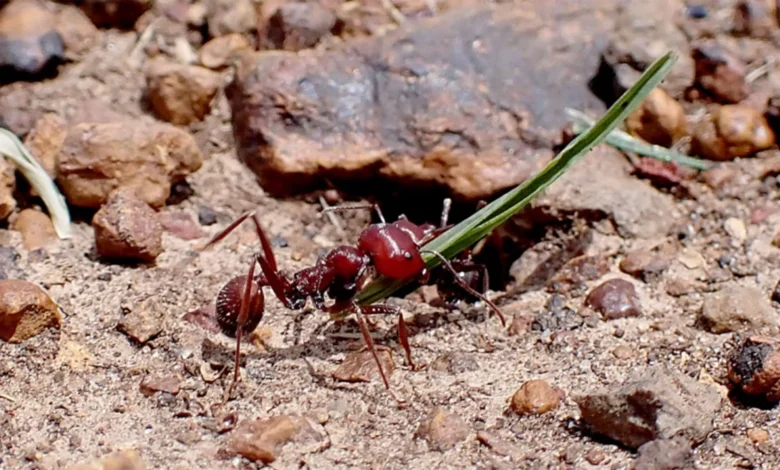
The international wildlife trade has long been dominated by headlines concerning charismatic megafauna such as elephants, rhinoceroses, and pangolins. However, a recent string of high-profile arrests and convictions in East Africa has pulled back the curtain on a thriving, clandestine market for a much smaller, yet ecologically vital, commodity: the giant African harvester ant. On April 15, 2024, the Kenyan judicial system delivered a clear message to international smuggling rings when Zhang Kequn, a Chinese national, was sentenced to one year in prison or a fine of 1 million Kenyan shillings (approximately $7,600). Kequn was apprehended at Jomo Kenyatta International Airport in March while attempting to transport over 2,200 live ants, primarily the prized species Messor cephalotes, to China. The insects were meticulously packed in specialized glass tubes hidden within his luggage, signaling a level of sophistication typically associated with high-value contraband.
The conviction of Kequn is not an isolated incident but rather the latest development in an escalating trend of invertebrate trafficking. Presiding Principal Magistrate Irene Gichobi emphasized during the sentencing that "deterrent sentences" have become a necessity as the frequency of ant smuggling cases rises. This legal stance reflects a growing recognition of the profound ecological risks posed by the removal of these insects from their native habitats, as well as the biosecurity threats they represent to the regions where they are illegally imported.
The Allure of the Giant African Harvester Ant
To the uninitiated, the idea of a global black market for ants may seem peculiar. However, for a growing community of "ant-keepers" and exotic pet enthusiasts in Europe, Asia, and North America, the Messor cephalotes is considered a crown jewel. Often referred to by entomologists as the "tigers of the ant world," these insects are native to the arid and semi-arid grasslands of East Africa. Their appeal lies in their striking physical characteristics and complex social behaviors.
The giant African harvester ant is the largest of its genus. Workers can reach lengths of up to 19 millimeters, while the queens, which are the primary targets of smugglers, can grow to an impressive 25 millimeters—roughly one inch. Their bodies feature a vibrant contrast of deep reds and jet blacks, making them visually stunning inhabitants for formicariums (artificial ant nests). Beyond their aesthetics, they are prized for their polymorphic nature, meaning the colony produces workers of various sizes with specialized roles, and their industrious seed-harvesting behavior, which is fascinating to observe in a captive environment.
In the global marketplace, the economic disparity driving this trade is stark. In Kenya, a local supplier might sell a single ant for as little as 100 Kenyan shillings (less than one US dollar). Once smuggled across borders and listed on specialized online platforms in the United Kingdom, China, or the United States, a single mated queen can fetch upwards of $300. This 40-fold increase in value creates a powerful incentive for both local poachers and international traffickers to exploit Kenya’s biodiversity.
A Chronology of Escalating Smuggling Operations
The case of Zhang Kequn is the third major prosecution of its kind within a single calendar year in Kenya, suggesting a well-established pipeline for these insects. The timeline of recent enforcement actions highlights the scale of the problem:
- April 2023: Two Belgian teenagers were intercepted at Jomo Kenyatta International Airport. Authorities discovered approximately 5,000 live giant African harvester queen ants packed into tubes. The duo was sentenced to a year in prison or a 1 million shilling fine.
- Late 2023: In a separate but related case, a Vietnamese national and a Kenyan accomplice were convicted for the possession of roughly 400 ants. In this instance, the smugglers had utilized medical syringes and small plastic containers to house the insects during transit, demonstrating the varied and creative methods used to bypass airport security.
- March 2024: Zhang Kequn was arrested with 2,248 ants, including 1,948 Messor cephalotes. His Kenyan co-defendant, Charles Mwangi, who is alleged to have facilitated the local collection of the ants, remains under judicial scrutiny while out on bail.
These cases have caught the attention of the Kenya Wildlife Service (KWS), which has traditionally focused its resources on larger mammals. The KWS recently noted that the illegal trade in invertebrates is an "emerging threat" that is frequently overlooked because the specimens are small and easy to conceal. Unlike ivory, which requires heavy lifting and complex logistics, thousands of dollars worth of ants can be carried in a standard carry-on bag.
Ecological Foundations: The "Farmers of the Grassland"
The removal of Messor cephalotes from the East African savannah is not merely a loss of individual insects; it is an assault on the integrity of the ecosystem. Entomologists, including Dr. Dino Martins, have described these ants as a "keystone species." Their role in the environment is multifaceted and essential for the survival of other flora and fauna.
As harvester ants, they collect a wide variety of grass seeds and store them in elaborate underground granaries. This process serves two vital functions: it aerates the soil through the construction of tunnels and nests, and it facilitates seed dispersal. Not every seed stored underground is eaten; many germinate, leading to a more diverse and resilient grassland.

Dr. Martins warns that the over-harvesting of these ants could trigger a trophic cascade. "We lose the ants, we lose our cattle, and we lose our milk, butter, and cheese," he explained. The logic is straightforward: without the ants to manage the grassland’s health, the quality of forage for livestock and wild herbivores declines. This, in turn, threatens the livelihoods of local pastoralist communities and the viability of Kenya’s multi-billion-dollar wildlife tourism industry, which relies on healthy populations of grazers like zebras and wildebeest.
Biosecurity Risks and the Threat of Invasion
While the loss of ants is a crisis for Kenya, their arrival is a potential disaster for the destination countries. A 2023 study published in Biological Conservation highlighted the severe invasion risks associated with the online ant trade. Messor cephalotes was identified as one of the most frequently traded non-native species in China.
If these ants escape or are intentionally released into non-native environments, they can become invasive. In regions with large-scale agriculture, such as the southern United States or parts of Asia, an introduced population of harvester ants could decimate crops by consuming seeds before they have a chance to grow. Furthermore, invasive ants often outcompete local insect populations, disrupting native pollination and decomposition cycles. Conservation biologist Zhengyang Wang, the lead author of the study, notes that moving species out of their native range is "almost always a bad idea" due to the unpredictable and often "dire environmental and economic consequences."
Analysis of the Global Response and Regulatory Gaps
The rise of the ant trade has exposed significant gaps in international wildlife regulations. Most ant species are not currently protected under the Convention on International Trade in Endangered Species of Wild Fauna and Flora (CITES). This lack of international oversight makes it difficult for customs officials to track the volume of the trade or enforce standardized penalties across borders.
Conservationists are now calling for an urgent review of how invertebrates are handled under global treaties. The argument is that while a species like Messor cephalotes may not yet be "endangered" in the traditional sense, the sheer volume of the illegal trade—evidenced by the thousands of queens confiscated in Kenya—could lead to localized extinctions and broader ecological collapse.
Furthermore, the role of digital platforms cannot be ignored. The "ant-keeping" hobby has exploded in popularity thanks to social media and YouTube creators who showcase elaborate formicariums. While many enthusiasts advocate for ethical sourcing and captive breeding, the high prices for wild-caught "exotic" queens continue to fuel the black market. Companies like Best Ants UK have publicly distanced themselves from illegal trade, emphasizing that they only deal in captive-bred or ethically sourced specimens within strict EU and UK regulations. However, the anonymous nature of many online marketplaces makes it easy for illicit sellers to connect with willing buyers.
Future Outlook: A Shift in Conservation Strategy
The recent convictions in Kenya represent a pivotal shift in how the nation views its biological heritage. By treating the smuggling of ants with the same legal gravity as the smuggling of more "traditional" wildlife products, the Kenyan government is acknowledging the intrinsic value of biodiversity at all scales.
To combat this trade effectively in the future, several steps are necessary:
- Enhanced Training: Airport security and customs officials require specialized training to identify the equipment and methods used to smuggle small invertebrates.
- Public Awareness: Educating local communities about the ecological importance of harvester ants can turn them into guardians of the species rather than participants in the poaching chain.
- International Cooperation: Strengthening CITES protections for highly traded invertebrates would provide a legal framework for destination countries to seize illegal shipments and prosecute buyers.
As King Solomon once advised the "sluggard" to consider the ways of the ant and be wise, modern conservationists are now advising the global community to do the same. The giant African harvester ant may be small, but its role in the survival of the African savannah—and the potential threat it poses as an invasive species—makes it a giant in the world of environmental policy. The crackdown in Kenya is a necessary first step in ensuring that these "tigers of the ant world" remain where they belong: in the soil of East Africa, maintaining the balance of the grassland.
Related posts: