
Tornado Storms Georgia Florida
Tornado Storms Georgia and Florida: A Comprehensive Analysis of History, Impact, and Preparedness
Tornadoes are a recurring and often devastating natural phenomenon in the southeastern United States, with Georgia and Florida frequently experiencing their destructive force. Understanding the historical context, the specific meteorological conditions that foster these storms in the region, their multifaceted impacts, and essential preparedness strategies is crucial for residents and emergency management agencies alike. This article delves into the intricacies of tornado activity in Georgia and Florida, providing detailed insights to inform public awareness and safety initiatives.
The geographical location of Georgia and Florida places them within Tornado Alley, a broad region in the central and southern United States known for its high frequency of tornado occurrences. The proximity to the Gulf of Mexico, coupled with the clash of air masses – warm, moist air from the south colliding with cooler, drier air from the north – creates an environment ripe for severe thunderstorms capable of spawning tornadoes. These atmospheric ingredients are particularly prevalent during the spring months, from March through May, which typically represent the peak tornado season for both states. However, tornadoes can and do occur at other times of the year, including during the fall and even in winter under specific atmospheric conditions.
Georgia’s tornado history is marked by several significant events. The state has experienced numerous outbreaks, characterized by multiple tornadoes occurring in rapid succession over a widespread area. These outbreaks often lead to widespread damage, injuries, and fatalities. For instance, the Super Outbreak of April 27, 2011, while impacting a broader swath of the Southeast, also brought significant tornado activity to parts of Georgia, causing substantial destruction and loss of life. Individual, powerful tornadoes have also carved paths of destruction through Georgia communities. The state’s varied terrain, from the mountainous north to the coastal plains, can influence tornado behavior, sometimes leading to unique damage patterns. Understanding the historical track and intensity of past tornadoes in specific Georgia counties is vital for risk assessment and mitigation planning. Data from NOAA’s Storm Prediction Center and the National Weather Service (NWS) are invaluable resources for examining historical tornado occurrences, including their EF-scale ratings, path lengths, and damage assessments.
Florida’s tornado activity exhibits some distinct characteristics. Due to its peninsula geography, Florida can be susceptible to tornadoes generated by hurricanes and tropical storms making landfall. These "inland hurricanes" can produce tornadoes well away from the immediate coast, often embedded within the storm’s rain bands. While these tornadoes may not always reach the extreme intensity of those seen in Tornado Alley, they can still be highly destructive, particularly in densely populated coastal areas. Furthermore, Florida experiences its own spring tornado season, often in conjunction with cold fronts moving through the region. The warm, humid air from the Gulf of Mexico interacting with these fronts provides the necessary instability for severe thunderstorm development. Central Florida, in particular, has a history of significant tornado activity, earning it the moniker "Lightning Alley" due to its high incidence of severe weather. Analyzing historical tornado data for Florida, differentiating between those associated with general thunderstorms and those linked to tropical systems, is crucial for a comprehensive understanding of the state’s tornado threat.
The meteorological conditions that fuel tornadoes in Georgia and Florida are well-defined. A potent combination of ingredients is necessary. First, there needs to be sufficient atmospheric instability, meaning the air near the surface is significantly warmer and more humid than the air aloft. This can be achieved when warm, moist air from the Gulf of Mexico surges northward. Second, there must be a strong wind shear environment. Wind shear refers to changes in wind speed and direction with height in the atmosphere. This shear is critical for initiating and sustaining the rotation within a thunderstorm that can eventually lead to tornado formation. Often, a strong jet stream or a departing cold front can provide the necessary wind shear. Finally, a lifting mechanism is required to initiate the upward motion of air, such as a cold front, dryline, or even topography. When these elements converge, supercell thunderstorms, which are rotating thunderstorms, are more likely to form. Supercells are the most prolific tornado producers, and understanding their dynamics is paramount for tornado forecasting and warning. Doppler radar technology plays a critical role in identifying the signatures of rotation within thunderstorms, such as mesocyclones, which are rotating updrafts.
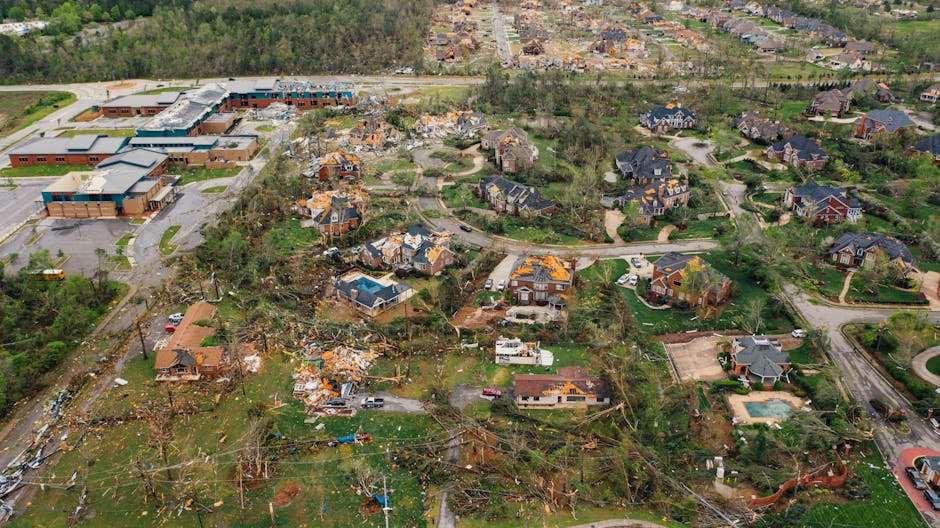
The impacts of tornadoes in Georgia and Florida are far-reaching and can be devastating. Property damage is a primary concern, with tornadoes capable of leveling homes, businesses, and infrastructure. The intensity of the tornado, as measured by the Enhanced Fujita (EF) Scale, directly correlates with the severity of the damage. EF0 tornadoes can cause minor damage, such as broken branches and damaged signs, while EF5 tornadoes can completely obliterate structures, leaving nothing but foundations. Beyond structural damage, tornadoes pose a significant threat to human life and health. Injuries can range from minor cuts and bruises to severe trauma, including broken bones, head injuries, and internal damage. Fatalities can occur due to direct impact with debris, collapse of structures, or being thrown by the wind.
Economic impacts are also substantial. The cost of disaster recovery can be immense, encompassing repair and rebuilding efforts, business interruption, and the loss of livelihoods. In agricultural areas, tornadoes can decimate crops and livestock, leading to significant economic losses for farmers. Public services, such as power grids, water systems, and transportation networks, can be severely disrupted, requiring extensive and costly repairs. The psychological toll on individuals and communities affected by tornadoes can be profound. Survivors may experience post-traumatic stress disorder (PTSD), anxiety, and depression. The loss of homes, possessions, and the sense of security can have long-lasting emotional consequences. Community resilience is tested as residents cope with the aftermath, often relying on mutual aid and support systems to rebuild their lives.
Preparedness is the cornerstone of mitigating tornado risks in Georgia and Florida. This begins with understanding the threat. Residents should familiarize themselves with local tornado sirens and warning systems. Having multiple ways to receive warnings, such as NOAA Weather Radio, smartphone apps with severe weather alerts, and local news broadcasts, is crucial. Developing a family emergency plan is essential. This plan should include designated safe rooms or shelters, evacuation routes if necessary, and procedures for reuniting family members if separated.
A safe room or basement is the safest place to be during a tornado. If a basement is not available, an interior room on the lowest floor of a sturdy building, away from windows and doors, is the next best option. The room should be as small as possible, and residents should be prepared to get under a sturdy piece of furniture for protection. Practicing tornado drills regularly helps ensure that everyone in the household knows what to do when a warning is issued.
Community preparedness efforts are equally important. Local emergency management agencies play a vital role in educating the public about tornado safety, conducting drills, and developing evacuation plans. Collaboration between government agencies, community organizations, and private businesses is essential for effective disaster response and recovery. Public awareness campaigns that highlight the dangers of tornadoes and provide clear, actionable safety advice can significantly reduce the impact of these storms. Investing in robust warning systems and maintaining well-trained emergency response personnel are critical components of a comprehensive preparedness strategy.
The role of meteorology and forecasting in tornado events cannot be overstated. The National Weather Service (NWS) continuously monitors atmospheric conditions and issues watches and warnings for severe weather. Tornado watches are issued when conditions are favorable for tornadoes to develop, while tornado warnings are issued when a tornado has been sighted or indicated by radar. Understanding the difference between a watch and a warning is critical for taking appropriate action. Meteorologists use sophisticated computer models and Doppler radar to track the development of thunderstorms and identify potential tornado threats. Improved forecasting techniques and advanced radar technology have contributed to more accurate and timely tornado warnings, saving lives and reducing damage. However, the unpredictable nature of tornadoes means that vigilance and preparedness remain paramount, even with advancements in forecasting.
Specific considerations for Georgia and Florida include the unique challenges posed by each state’s geography and climate. In Georgia, the mountainous terrain in the northern part of the state can sometimes complicate radar detection of tornadoes. In coastal Florida, the potential for tornadoes embedded within hurricanes necessitates a dual preparedness approach, addressing both general thunderstorm threats and those associated with tropical cyclones. Understanding these regional nuances is important for tailoring preparedness efforts. For example, coastal communities in Florida should have plans for both tornado safety within their homes and potential evacuation procedures in the event of a hurricane-related tornado threat.
The long-term impact of repeated tornado activity on communities can also be significant. Repeated damage can strain local resources, impact property values, and lead to population displacement. Building resilient infrastructure that can withstand severe weather events is an ongoing challenge. This includes strengthening building codes, investing in storm-resistant construction, and developing effective land-use planning to minimize exposure to hazardous areas. The psychological recovery process for communities that have experienced repeated tornado strikes can be prolonged, requiring sustained support services and community-building initiatives.
In conclusion, tornado storms in Georgia and Florida are a serious and recurring threat. A comprehensive understanding of their history, the meteorological factors that drive them, their profound impacts, and the critical importance of preparedness is essential for safeguarding lives and property. Continuous public education, robust warning systems, effective community planning, and ongoing advancements in meteorological science are all vital components in mitigating the destructive power of these natural phenomena. Residents must remain informed, develop and practice emergency plans, and actively participate in community preparedness efforts to enhance their safety and resilience against the ever-present threat of tornadoes in the southeastern United States.
