The arrival of unseasonably high temperatures across the Northeastern United States has catalyzed a significant shift in consumer behavior within the fashion industry, as residents in urban centers like Brooklyn, New York, grapple with sudden heatwaves reaching 90 degrees Fahrenheit. This meteorological shift has revitalized interest in traditional high-performance textiles, specifically linen, as a primary solution for thermal regulation in humid environments. While the fashion industry has long cycled through various synthetic cooling technologies, the current market is witnessing a return to natural flax-based fibers, driven by a combination of climate necessity, aesthetic trends influenced by popular media, and a growing consumer preference for sustainable materials.
The Intersection of Climate Trends and Apparel Selection
The recent temperature spike in New York City serves as a microcosm for a broader global trend. According to data from the National Oceanic and Atmospheric Administration (NOAA), recent summers have consistently ranked among the hottest on record, forcing a reevaluation of summer wardrobes. In urban environments, where the "heat island effect" can make temperatures feel several degrees higher than in rural areas, the choice of fabric is no longer merely an aesthetic decision but a functional requirement for public health and comfort.
Linen, derived from the cellulose fibers of the flax plant (Linum usitatissimum), has emerged as the leading textile for these conditions. Its molecular structure allows for high moisture absorption—up to 20% of its own weight before feeling damp—and exceptional breathability due to the lower thread count and stiffness of the fibers, which prevents the fabric from clinging to the skin. As temperatures in Brooklyn and similar metropolitan areas exceed the 90-degree threshold, the retail sector has reported a surge in demand for lightweight, breathable garments that facilitate airflow.
The Cultural Catalyst: From Screen to Street
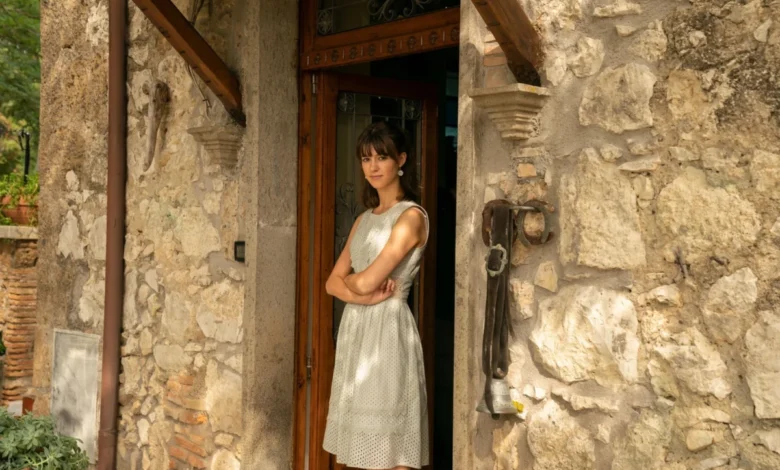
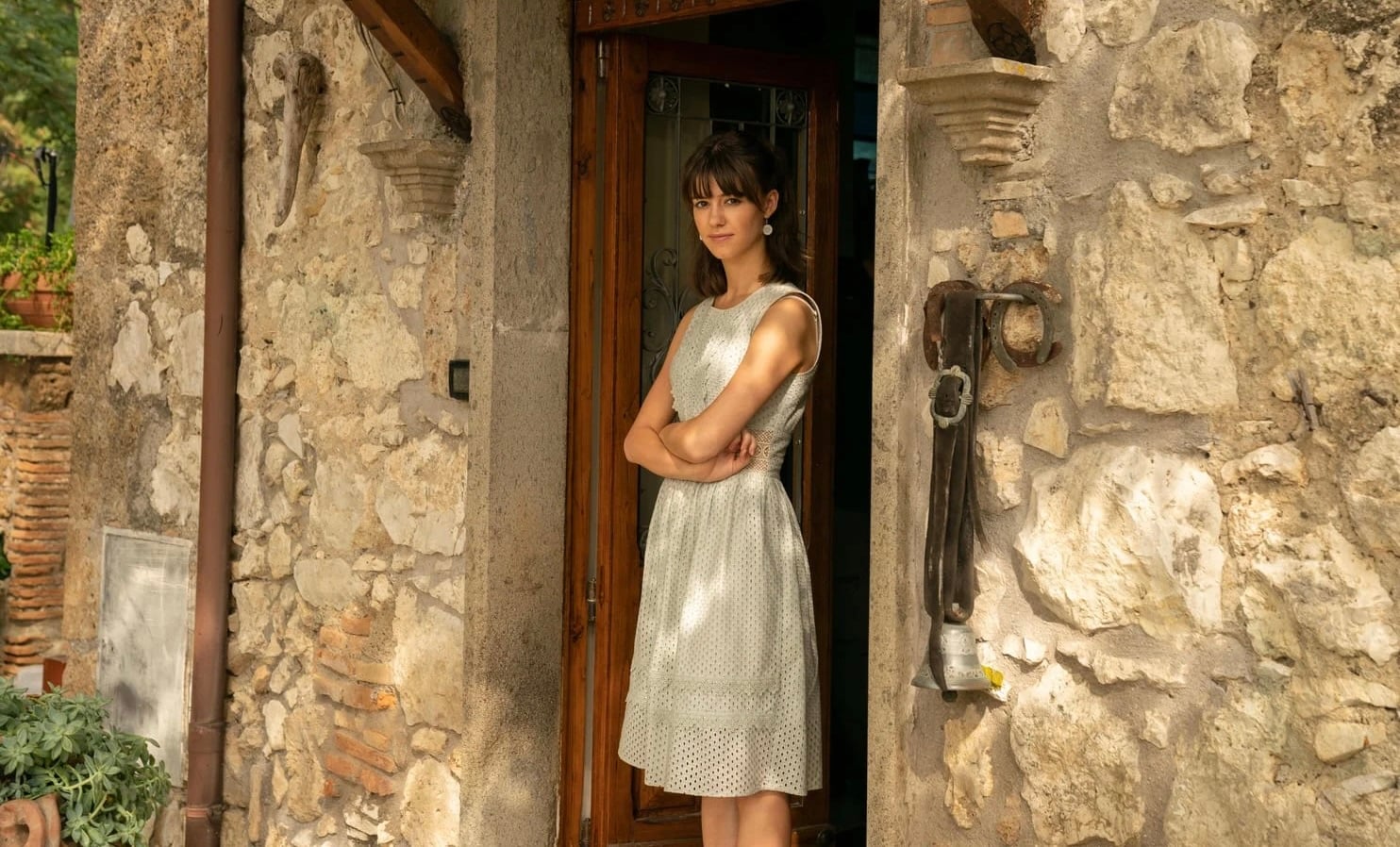
The resurgence of linen is not solely attributed to the climate; it is also deeply rooted in contemporary cultural influences. A significant driver of this trend is the "quiet luxury" aesthetic, exemplified by the wardrobe of the character Marianne, portrayed by Daisy Edgar-Jones in the television adaptation of Sally Rooney’s Normal People. The character’s use of effortless, breathable silhouettes during the series’ Italian sequences has become a frequent reference point for stylists and consumers alike.
Retailers such as Nordstrom have strategically aligned their seasonal inventories with this "Cotswolds-meets-Mediterranean" aesthetic. The demand for specific items—such as floaty shirts, white trousers, and gingham patterns—reflects a desire for a wardrobe that transitions seamlessly between diverse summer environments, from professional museum settings to casual outdoor gatherings. This cultural phenomenon has transformed linen from a fabric once associated primarily with older demographics or formal tropical wear into a staple for younger, style-conscious consumers.
Market Analysis and Retail Response
The retail landscape is currently adapting to a "heatwave-driven" shopping cycle. Major retailers are reporting high sell-through rates for linen-blend and 100% linen products as early as late spring. Market research indicates that the global linen textile market is expected to grow significantly over the next five years, fueled by the rising demand for eco-friendly fabrics.
Nordstrom, a leading player in the luxury and mid-tier retail space, has expanded its linen offerings to include a variety of versatile pieces designed for high-heat scenarios. The current inventory highlights several key consumer trends:
- Modular Sets: The rise of "mix-and-match" linen separates—including tanks, skirts, and trousers—allows consumers to create cohesive looks that offer the ease of a dress with the versatility of separates.
- The Return of Natural Hues and Classic Prints: While white and oat-colored linens remains perennial favorites, there is a noted increase in the popularity of red gingham, green stripes, and whimsical prints like "sardine" motifs, indicating a move toward more expressive summer fashion.
- The "Copenhagen Influence": European street style continues to dictate global trends, with the "white skirt" movement—popularized in Denmark—becoming a dominant silhouette in American markets this season.
Historical and Scientific Context of Flax Production
To understand the current market dominance of linen, one must look at its production history and physical properties. Linen is one of the world’s oldest textiles, with evidence of its use dating back over 30,000 years. Unlike cotton, which requires significant water and pesticide use, flax is a resilient crop that can grow in poor soil conditions with minimal water, making it a favorite for the burgeoning sustainable fashion movement.
The manufacturing process, known as "retting," involves using moisture to break down the natural resins that bind the flax fibers together. This process results in a fiber that is significantly stronger than cotton but lacks its elasticity. This lack of elasticity is what causes linen’s characteristic wrinkling—a trait that was once viewed as a drawback but is now embraced as a sign of authenticity and "relaxed luxury."
Chronology of the Summer Wardrobe Transition
The transition from spring to summer wardrobes in the 2024–2025 cycle has been notably compressed due to erratic weather patterns.
- Early Spring: Consumers remained in heavier textiles, such as wool and dense cotton, due to lingering cool temperatures and rain.
- The "Heat Spike" (Late May/Early June): Temperatures in major hubs like Brooklyn jumped from the 70s to the 90s within a 48-hour window. This triggered an immediate spike in online searches for "breathable summer dresses" and "linen shorts."
- Peak Summer Preparation: Retailers shifted floor sets to prioritize high-ventilation clothing, focusing on items suitable for high-activity areas like Coney Island or the Minnesota Landscape Arboretum, where sun exposure and humidity are at their peak.
Official Responses and Expert Perspectives
Fashion analysts suggest that the pivot to linen is a permanent adjustment to a warming climate. "We are seeing a ‘thermal migration’ in fabric choice," says Elena Rossi, a senior retail consultant. "Consumers are no longer buying based on color or brand alone; they are checking fiber content labels. The 90-degree weekend in New York was a wake-up call for many who found their synthetic wardrobes inadequate for the reality of modern summers."
Spokespersons for major retail brands have noted that the "sponsored curation" model—where influencers and editors highlight specific linen pieces—has been highly effective. By placing linen in relatable contexts, such as "an afternoon at a museum" or "at the playground with kids," retailers are successfully rebranding linen as a durable, everyday fabric rather than a delicate luxury item.
Broader Impact and Future Implications
The shift toward linen has broader implications for the global textile supply chain. Most of the world’s high-quality flax is grown in Northern Europe (France and Belgium), where the climate is ideal. As demand increases, there is growing pressure on these regions to increase yield, leading to innovations in mechanical harvesting and eco-friendly retting processes.
Furthermore, the "linen boom" is influencing the footwear and accessory markets. To complement the lightweight nature of linen apparel, there has been a corresponding rise in the popularity of raffia bags, leather sandals, and "clean" aesthetic nail polish trends. The holistic "summer look" is increasingly defined by textures that suggest coolness and breathability.
As the industry moves forward, the challenge will be maintaining the accessibility of linen. While 100% linen remains a premium product, the development of linen-viscose and linen-cotton blends is making the "linen look" available at lower price points, albeit with some loss of the pure fiber’s superior cooling properties.
In conclusion, the 90-degree heatwave in Brooklyn has served as more than just a weather event; it has acted as a catalyst for a significant fashion movement. By bridging the gap between historical utility and modern aesthetics, linen has solidified its place as the essential textile for the contemporary summer. Whether for a stroll through a botanical garden or a day at an urban playground, the move toward flax-based fibers represents a logical, stylish, and necessary adaptation to a changing global climate.
Related posts: