
Epa Air Pollution Soot
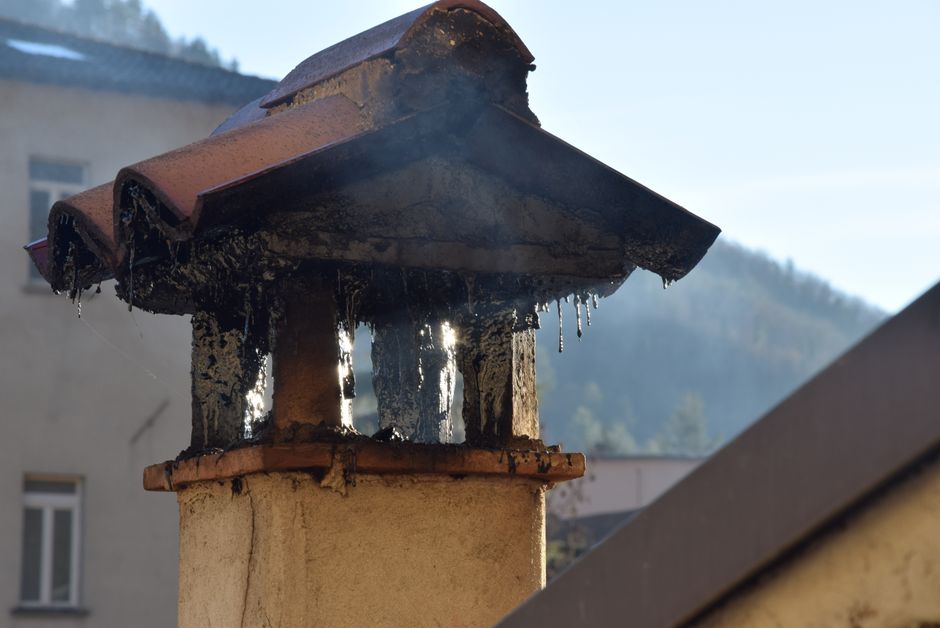
EPA Air Pollution Soot: Understanding Particulate Matter and Its Health Impacts
EPA air pollution soot, primarily categorized as particulate matter (PM), represents a critical environmental health concern. The U.S. Environmental Protection Agency (EPA) extensively monitors and regulates PM due to its pervasive nature and significant adverse effects on human health and the environment. Soot, in this context, refers to fine, dark particles produced by incomplete combustion of organic materials. This article will delve into the composition, sources, health implications, and regulatory efforts surrounding EPA air pollution soot, providing a comprehensive overview for stakeholders, researchers, and the general public. Understanding PM is paramount to implementing effective mitigation strategies and protecting public well-being.
Particulate matter is a complex mixture of solid and liquid particles suspended in the air. Its composition varies widely depending on the source, but it generally includes sulfates, nitrates, ammonium, carbonaceous compounds (including elemental carbon or black carbon, often referred to as soot), organic compounds, and trace metals. PM is further classified by its aerodynamic diameter: PM10 refers to particles with a diameter of 10 micrometers or less, and PM2.5 refers to particles with a diameter of 2.5 micrometers or less. PM2.5 is particularly concerning because its small size allows it to penetrate deep into the lungs, reaching the alveoli, and even entering the bloodstream, leading to systemic inflammation and disease. Soot, being a significant component of PM, is a primary contributor to the dark color and visibility reduction associated with air pollution.
The sources of EPA air pollution soot are diverse and can be broadly categorized into anthropogenic (human-caused) and natural sources. Anthropogenic sources are the primary focus of EPA regulation and include:
-
Combustion Processes: This is the most significant source of soot. It encompasses a wide range of activities:
- Industrial Boilers and Furnaces: Power plants, factories, and manufacturing facilities that burn fossil fuels (coal, oil, natural gas) for energy generation release substantial amounts of PM, including soot.
- Vehicular Emissions: Incomplete combustion of gasoline and diesel fuel in internal combustion engines of cars, trucks, buses, and off-road vehicles is a major contributor, especially in urban areas. Diesel engines, in particular, are known for emitting significant quantities of black carbon (soot).
- Residential Wood Burning: The use of fireplaces, wood stoves, and agricultural burning for heating and waste disposal releases substantial amounts of PM, particularly in rural and semi-rural areas.
- Biomass Burning: Burning of agricultural residues, forest fires (both natural and human-ignited for land management), and the burning of biofuels in developing countries are significant sources.
- Other Combustion Sources: Incinerators, cooking activities, and even smoking tobacco products release PM.
-
Industrial Processes (Non-Combustion): While combustion is the primary source of soot, other industrial activities can generate PM. These include:
- Mining and Quarrying: Dust generated from these operations contributes to PM10.
- Construction and Demolition: Activities at construction sites release dust and fine particles.
- Agriculture: Tilling of soil, harvesting, and livestock operations can generate dust.
- Manufacturing: Processes like cement production, metal smelting, and asphalt plants release PM.
Natural sources of PM, while not directly regulated by the EPA in the same way as anthropogenic sources, still contribute to ambient levels and can interact with human-generated pollutants. These include:
- Wildfires and Volcanic Eruptions: These events can release massive quantities of soot and ash into the atmosphere, impacting air quality over vast regions.
- Dust Storms: Natural erosion of soil in arid and semi-arid regions can lead to widespread dust transport.
- Sea Salt Aerosols: Evaporation of sea spray generates airborne salt particles.
- Pollen and Spores: Biological particles naturally present in the atmosphere.
The health impacts of EPA air pollution soot are well-documented and represent a significant public health burden. The EPA’s National Ambient Air Quality Standards (NAAQS) for PM are designed to protect public health, including sensitive populations. The health effects are largely dependent on the size of the particles, their composition, and the duration of exposure.
-
Respiratory Effects:
- Short-term Exposure: Exposure to elevated levels of PM, including soot, can trigger or worsen asthma attacks, bronchitis, and other respiratory conditions. It can cause coughing, wheezing, shortness of breath, and increased susceptibility to respiratory infections.
- Long-term Exposure: Chronic exposure to PM2.5 has been linked to the development of chronic obstructive pulmonary disease (COPD), reduced lung function, and increased mortality from respiratory causes. The inflammatory response triggered by PM in the airways and lungs can lead to structural damage over time.
-
Cardiovascular Effects:
- Mechanism: PM2.5 can enter the bloodstream and induce systemic inflammation. This inflammation contributes to the development and exacerbation of cardiovascular diseases. It can promote atherosclerosis (hardening of the arteries), increase blood pressure, and disrupt heart rhythm.
- Outcomes: Long-term exposure to PM2.5 is a significant risk factor for heart attacks, strokes, arrhythmias, and cardiovascular mortality. Even short-term spikes in PM levels have been associated with an increase in cardiovascular events.
-
Other Health Impacts:
- Cancer: PM, particularly certain components like polycyclic aromatic hydrocarbons (PAHs) often found in soot, are classified as probable human carcinogens. Long-term exposure has been linked to an increased risk of lung cancer.
- Reproductive and Developmental Effects: Emerging research suggests a link between PM exposure and adverse birth outcomes, including low birth weight, preterm birth, and developmental issues in children.
- Neurological Effects: Studies are increasingly exploring the potential for PM to cross the blood-brain barrier and contribute to neuroinflammation, which may be associated with cognitive decline and neurodegenerative diseases.
Sensitive populations are disproportionately affected by PM pollution. These include:
- Children: Their lungs are still developing, they breathe more air relative to their body weight, and they often spend more time outdoors engaged in physical activity.
- Elderly Individuals: They may have pre-existing health conditions that make them more vulnerable to the effects of PM.
- Individuals with Pre-existing Respiratory or Cardiovascular Diseases: Conditions like asthma, COPD, heart disease, and diabetes make individuals more susceptible to the detrimental impacts of PM.
- Pregnant Women: Exposure during pregnancy can affect fetal development.
- Outdoor Workers: Individuals whose occupations require them to spend extended periods outdoors are at higher risk of exposure.
The EPA plays a crucial role in regulating EPA air pollution soot through various legislative frameworks and programs.
- Clean Air Act (CAA): This landmark legislation provides the EPA with the authority to establish and enforce national ambient air quality standards (NAAQS) for criteria pollutants, including PM. The EPA sets primary standards to protect public health with an adequate margin of safety and secondary standards to protect public welfare, including visibility and environmental impacts.
- NAAQS for Particulate Matter: The EPA has established NAAQS for both PM10 and PM2.5. These standards are periodically reviewed and, if necessary, revised based on the latest scientific evidence. The current standards are set at specific concentrations (e.g., micrograms per cubic meter of air) averaged over specific time periods (e.g., 24 hours or annually).
- State Implementation Plans (SIPs): States are required to develop and submit SIPs to the EPA, outlining how they will attain and maintain the NAAQS for PM. These plans often include strategies for controlling emissions from major sources.
- New Source Performance Standards (NSPS): The EPA establishes NSPS for specific stationary sources (e.g., power plants, industrial boilers) that require the installation of best available control technologies to limit PM emissions.
- National Emission Standards for Hazardous Air Pollutants (NESHAPs): These standards regulate emissions of specific hazardous air pollutants (HAPs), some of which are components of PM, from various industrial categories.
- Monitoring and Reporting: The EPA operates a national network of air quality monitoring sites to measure ambient PM concentrations. This data is used to assess air quality, identify areas that are not meeting the NAAQS (nonattainment areas), and evaluate the effectiveness of control measures.
- Research and Assessment: The EPA conducts and supports extensive research into the health and environmental effects of PM, as well as its sources, transport, and transformation in the atmosphere. This scientific foundation informs regulatory decisions and public health advisories.
- Vehicle Emission Standards: The EPA sets stringent emission standards for new motor vehicles, including limits on PM emissions from both gasoline and diesel engines.
- Fuel Standards: The EPA also regulates fuel composition, such as sulfur content in diesel fuel, which can influence PM emissions.
Mitigation strategies to reduce EPA air pollution soot are multifaceted and target various sources. These include:
- Transition to Cleaner Energy Sources: Shifting from fossil fuels to renewable energy sources like solar, wind, and hydropower significantly reduces PM emissions from power generation.
- Improving Energy Efficiency: Reducing overall energy demand through efficiency measures in industries, buildings, and transportation lessens the need for combustion.
- Advanced Emission Control Technologies: Implementing advanced control technologies on industrial facilities and vehicles, such as:
- Diesel Particulate Filters (DPFs): These devices capture soot from diesel exhaust.
- Catalytic Converters: While primarily for gaseous pollutants, they can also reduce some PM.
- Electrostatic Precipitators (ESPs) and Baghouses: These are highly effective at removing PM from industrial flue gases.
- Promoting Public Transportation and Active Transport: Encouraging the use of public transit, cycling, and walking reduces reliance on individual vehicles, thereby lowering vehicular PM emissions.
- Stricter Vehicle Emission Standards and Enforcement: Continuously updating and enforcing stringent emission standards for all types of vehicles.
- Phasing out Older, More Polluting Vehicles: Implementing programs to retire or retrofit older, high-emission vehicles.
- Regulations on Residential Wood Burning: Implementing restrictions or promoting cleaner burning technologies for wood stoves and fireplaces, especially during periods of high pollution.
- Sustainable Forest Management and Fire Prevention: Implementing strategies to reduce the frequency and intensity of wildfires.
- Dust Control Measures: Implementing best management practices in construction, mining, and agricultural operations to suppress dust.
- International Cooperation: Addressing transboundary air pollution through international agreements and collaborations.
The environmental impacts of EPA air pollution soot extend beyond human health. Soot deposition can:
- Reduce Visibility: Soot contributes significantly to haze, reducing visibility in national parks and urban areas, impacting tourism and the aesthetic quality of the environment.
- Affect Climate: Black carbon, a key component of soot, is a potent absorber of solar radiation, contributing to warming of the atmosphere and potentially influencing weather patterns. Its deposition on snow and ice accelerates melting, further contributing to climate change.
- Damage Ecosystems: Soot can deposit on plants, reducing photosynthesis and growth. It can also alter soil chemistry and contaminate water bodies.
In conclusion, EPA air pollution soot, as a significant component of particulate matter, poses a substantial threat to public health and the environment. The EPA’s comprehensive regulatory framework, driven by the Clean Air Act, aims to mitigate these risks by setting emission standards, monitoring air quality, and promoting cleaner technologies and practices. Continued research, effective implementation of control strategies, and public awareness are essential to further reduce soot emissions and protect vulnerable populations from its adverse effects. The interplay between human activities, atmospheric processes, and resulting pollution underscores the need for a holistic approach to air quality management.
