
Salmonella Bearded Dragons Pets
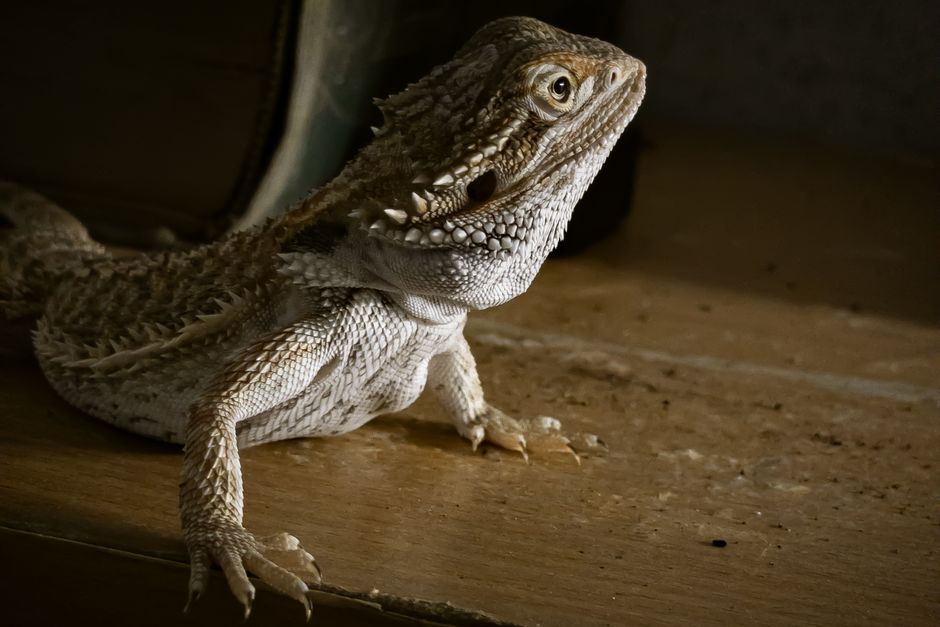
Salmonella in Bearded Dragons: A Comprehensive Guide for Pet Owners
Salmonella is a genus of bacteria that can cause illness in both reptiles and humans. Bearded dragons, like many other reptiles, can carry Salmonella species without showing outward signs of illness. However, they are a significant potential source of transmission to humans, particularly for individuals with weakened immune systems. Understanding the risks, preventative measures, and management strategies for Salmonella in bearded dragons is crucial for responsible pet ownership. This article aims to provide a detailed and SEO-friendly overview of Salmonella in bearded dragons, covering its prevalence, transmission, symptoms, diagnosis, treatment, and most importantly, prevention.
Prevalence and Risk Factors
Salmonella is highly prevalent in reptiles, with studies indicating that a significant percentage of seemingly healthy bearded dragons can shed Salmonella bacteria in their feces. The exact prevalence can vary depending on factors such as the dragon’s environment, diet, stress levels, and origin. Dragons sourced from large-scale breeding facilities or pet stores may have a higher likelihood of carrying Salmonella due to higher population densities and potential for cross-contamination. Wild-caught reptiles are also a known reservoir for Salmonella. Stress, improper husbandry (e.g., incorrect temperatures, humidity, inadequate hygiene), and a compromised immune system can increase the likelihood of a bearded dragon becoming colonized with and shedding Salmonella. It’s important to recognize that even a clean-looking enclosure does not guarantee the absence of Salmonella, as the bacteria are microscopic.
Transmission Pathways: Reptile to Human
The primary mode of Salmonella transmission from bearded dragons to humans is through the fecal-oral route. This means that if a person comes into contact with contaminated feces or surfaces and then touches their mouth, eyes, or nose, they can ingest the bacteria. Bearded dragons shed Salmonella in their feces, and this shedding can be intermittent or continuous. Even if a dragon appears healthy, its feces can contain viable Salmonella bacteria. Contamination can occur through direct handling of the dragon, contact with its enclosure, food or water dishes, or any surface that has come into contact with infected feces. Petting a bearded dragon and then not washing your hands before eating, drinking, or preparing food is a common pathway for transmission.
Salmonella Symptoms in Bearded Dragons
While many bearded dragons can be asymptomatic carriers of Salmonella, some may exhibit signs of illness. These symptoms can be non-specific and often overlap with other common reptile ailments. In bearded dragons, Salmonella infection can manifest as:
- Diarrhea: This is a common sign, characterized by loose, watery, or unusually frequent stools. The feces may also have a foul odor.
- Lethargy and Weakness: Infected dragons may appear less active than usual, spending more time basking or hiding. They may exhibit a loss of appetite and reduced movement.
- Loss of Appetite and Weight Loss: A decreased interest in food is often observed, leading to noticeable weight loss over time.
- Vomiting: In some cases, bearded dragons may vomit food or undigested material.
- Dehydration: Diarrhea and reduced food intake can lead to dehydration, which can further weaken the dragon. Signs of dehydration include sunken eyes, wrinkled skin, and reduced skin elasticity.
- Abdominal Swelling: In more severe cases, abdominal distension may occur due to inflammation or fluid buildup.
- Abscesses and Infections: While less common, Salmonella can contribute to secondary infections and abscesses in other parts of the body.
- Neurological Signs: In rare and severe instances, Salmonella can cause neurological issues, although this is not a primary symptom.
It is crucial to remember that the absence of these symptoms does not rule out the presence of Salmonella. Many dragons are subclinical carriers, meaning they harbor the bacteria but show no outward signs of illness.
Salmonella Symptoms in Humans
Salmonella infection in humans, known as salmonellosis, can range in severity. Symptoms typically appear 6 to 72 hours after infection and can last for 4 to 7 days. Common symptoms include:
- Diarrhea (often bloody): This is the hallmark symptom, and the diarrhea can be severe and frequent.
- Fever: A moderate to high fever is common.
- Abdominal Cramps: Intense pain and cramping in the stomach area are characteristic.
- Nausea and Vomiting: Feeling sick to the stomach and throwing up are frequent occurrences.
- Headache: Some individuals may experience headaches.
While most people recover without specific treatment, salmonellosis can be serious, especially for vulnerable populations. Individuals at higher risk for severe illness include:
- Infants and Young Children: Their immune systems are not fully developed.
- Older Adults: Their immune systems may be weakened.
- Immunocompromised Individuals: This includes people with HIV/AIDS, cancer, diabetes, or those undergoing chemotherapy or taking immunosuppressant medications.
In severe cases, Salmonella can spread from the intestines to other parts of the body, leading to life-threatening complications such as bloodstream infections (septicemia), bone infections (osteomyelitis), or meningitis.
Diagnosis of Salmonella in Bearded Dragons
Diagnosing Salmonella in bearded dragons typically involves laboratory testing. Veterinarians experienced in exotic animal medicine are essential for accurate diagnosis and treatment. The most common diagnostic method is:
- Fecal Culture: This involves collecting a fresh fecal sample from the bearded dragon and submitting it to a veterinary diagnostic laboratory. The sample is cultured on specific media to identify the presence of Salmonella bacteria. Due to the intermittent shedding of Salmonella, multiple fecal samples collected over a period of time may be necessary to confirm or rule out infection.
- Antigen Detection Tests: Some rapid tests can detect Salmonella antigens in fecal samples, providing quicker results, but these may be less sensitive than cultures.
- PCR Testing: Polymerase Chain Reaction (PCR) tests can detect Salmonella DNA in fecal samples, offering high sensitivity and specificity.
It is important to note that routine fecal testing for Salmonella is often recommended for all reptiles, especially when introducing a new animal to a household or before allowing children or immunocompromised individuals to handle the pet.
Treatment of Salmonella in Bearded Dragons
The decision to treat a bearded dragon for Salmonella depends on whether the dragon is exhibiting clinical signs of illness and the specific Salmonella strain identified.
- Asymptomatic Carriers: For bearded dragons that are shedding Salmonella but show no signs of illness, treatment is often not recommended unless there is a high risk of transmission to vulnerable individuals in the household. This is because antibiotic treatment can disrupt the dragon’s gut microbiome and potentially lead to more serious health issues or the development of antibiotic-resistant bacteria. In such cases, strict hygiene protocols are emphasized.
- Symptomatic Dragons: If a bearded dragon is showing signs of illness attributed to Salmonella, antibiotic therapy may be prescribed by a veterinarian. The choice of antibiotic will depend on the specific Salmonella strain and its susceptibility patterns. It is crucial to complete the entire course of antibiotics as prescribed by the veterinarian.
- Supportive Care: Regardless of whether antibiotics are used, supportive care is vital for sick bearded dragons. This may include:
- Fluid Therapy: To combat dehydration.
- Nutritional Support: Offering easily digestible food or assisted feeding if appetite is significantly reduced.
- Probiotics: Once antibiotic treatment is complete, a veterinarian may recommend probiotics to help restore the gut flora.
- Environmental Management: Ensuring optimal temperature, humidity, and UVB lighting to support the dragon’s immune system.
Prevention: The Cornerstone of Salmonella Management
Preventing Salmonella transmission from bearded dragons to humans is paramount and relies on a multi-faceted approach focused on hygiene and responsible pet ownership.
- Handwashing: This is the single most important preventative measure. Always wash your hands thoroughly with soap and water for at least 20 seconds immediately after handling your bearded dragon, its enclosure, or any equipment associated with its care. Supervise young children closely to ensure they wash their hands properly.
- Designated Handling Areas: If possible, handle your bearded dragon in a designated area, such as a bathroom or outdoors, away from food preparation surfaces.
- Separate Food Preparation: Never prepare food for your bearded dragon in the same area where human food is prepared or consumed. Use separate cutting boards, utensils, and cleaning supplies for your reptile’s food.
- Enclosure Cleaning and Disinfection:
- Regular Cleaning: Remove feces and uneaten food daily. Spot clean soiled areas immediately.
- Deep Cleaning: Perform a thorough deep clean of the enclosure at least weekly. This involves removing all substrate, accessories, and decor.
- Disinfection: Use a reptile-safe disinfectant to clean and disinfect the enclosure and all accessories. Rinse thoroughly and allow to dry completely before reintroducing the dragon. Common disinfectants effective against Salmonella include diluted bleach solutions (1:10 bleach to water) or commercial reptile-specific disinfectants. Ensure the disinfectant is safe for reptiles and follow the manufacturer’s instructions.
- Water and Food Dishes: Wash food and water dishes thoroughly with hot, soapy water daily. Disinfect them regularly.
- Avoid Kissing or Cuddling Bearded Dragons: It is advisable to avoid close contact that could lead to oral transmission, such as kissing the dragon or allowing it to lick your face.
- Educate All Household Members: Ensure everyone in the household, especially children and vulnerable individuals, understands the risks associated with Salmonella and the importance of hygiene.
- Source Your Dragon Responsibly: Acquire bearded dragons from reputable breeders or rescue organizations that practice good husbandry and have a commitment to health.
- Quarantine New Reptiles: When introducing a new bearded dragon, it is highly recommended to quarantine the animal in a separate room with its own equipment for at least 30 days. This allows for observation for illness and reduces the risk of introducing pathogens to existing reptiles or the household. Fecal testing during quarantine is advisable.
- Dietary Considerations: While not a direct preventative measure for Salmonella shedding, a balanced and appropriate diet contributes to a healthy immune system in your bearded dragon, making it better equipped to handle potential pathogens. Ensure your dragon receives a varied diet of insects and greens with appropriate supplementation.
- Avoid Reptile Petting Zoos and Public Exhibits: Be cautious around public exhibits where many reptiles are housed together, as the risk of encountering Salmonella can be higher.
- Consult a Veterinarian: Establish a relationship with a veterinarian who has experience with exotic animals. Regular check-ups and prompt consultation for any signs of illness are crucial for maintaining your dragon’s health and preventing the spread of disease.
Salmonella and Vulnerable Populations
The risk of severe illness from Salmonella is significantly higher for infants, young children, the elderly, and immunocompromised individuals. Pet owners in these categories must exercise extreme caution. It is often recommended that households with very young children or immunocompromised individuals reconsider owning reptiles, or at the very least, implement the strictest possible hygiene protocols and consult with their healthcare provider and veterinarian. This may include limiting contact between the vulnerable individual and the reptile, ensuring dedicated caregivers for the reptile, and rigorous adherence to handwashing and cleaning routines.
Conclusion: Responsible Ownership and Public Health
Salmonella is an inherent risk associated with reptile ownership, including bearded dragons. However, by understanding the transmission routes, symptoms, and, most importantly, implementing robust preventative measures, pet owners can significantly mitigate the risk of illness to themselves and their families. Responsible bearded dragon ownership involves a commitment to excellent husbandry, meticulous hygiene, and a proactive approach to health. Regular veterinary care, diligent cleaning, and unwavering handwashing practices are the most effective tools in ensuring both the well-being of your beloved bearded dragon and the public health of your household. Educating oneself and all members of the family about Salmonella and its prevention is a non-negotiable aspect of sharing your home with these fascinating reptiles.
