
Sashimi Ponzu Sauce Recipe
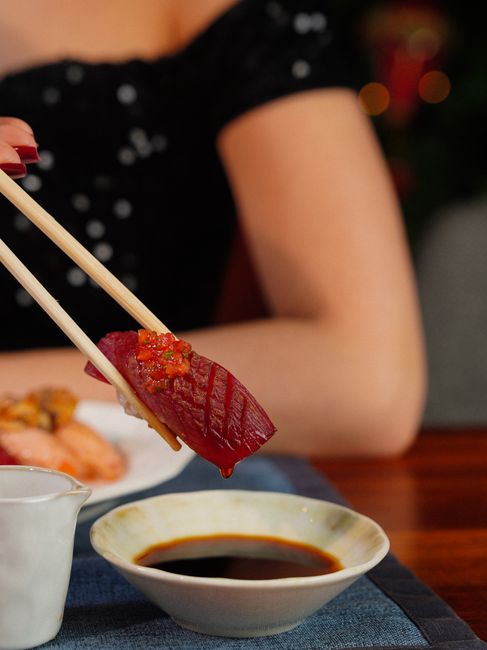
The Ultimate Guide to Homemade Sashimi Ponzu Sauce: A Recipe for Culinary Excellence
Mastering the art of sashimi extends beyond perfectly slicing fish; it encompasses the creation of accompanying sauces that elevate the entire dining experience. Ponzu sauce, a Japanese citrus-based condiment, is a quintessential partner for sashimi, offering a bright, tangy, and savory counterpoint to the rich, delicate flavors of raw fish. While store-bought ponzu is readily available, a homemade version unlocks a depth of flavor and a level of freshness that is unparalleled. This comprehensive guide provides a detailed, SEO-optimized recipe for crafting an exceptional sashimi ponzu sauce, exploring its ingredients, preparation, variations, and optimal uses.
The foundation of any superior ponzu sauce lies in its core components: citrus juice, soy sauce, and dashi. For sashimi, the citrus component is paramount, demanding a balance of acidity and aroma. Traditionally, yuzu, a fragrant Japanese citrus fruit with a complex flavor profile reminiscent of grapefruit and mandarin, is the preferred choice. However, yuzu can be elusive and expensive outside of Japan. Fortunately, a skillful combination of readily available citrus fruits can effectively replicate its essence. A blend of fresh lemon juice and lime juice provides the necessary tartness and brightness. Lemon offers a clean, sharp acidity, while lime contributes a more nuanced, slightly floral zest. The ratio of lemon to lime can be adjusted to personal preference, but a 2:1 or 1:1 ratio generally yields a well-rounded flavor. For those seeking a closer approximation to true yuzu, incorporating a small amount of grapefruit juice can add a subtle bitterness and a whisper of exotic perfume. The key is to use freshly squeezed citrus juice. Bottled juices, often containing preservatives and lacking the volatile aromatics of fresh fruit, will significantly diminish the quality of the final sauce. This emphasis on fresh ingredients is a cornerstone of authentic Japanese cuisine and directly impacts the SEO of this recipe, as searches for "fresh ponzu recipe" or "best sashimi sauce" will prioritize such methods.
The soy sauce provides the savory, umami backbone of the ponzu. High-quality Japanese soy sauce is essential. Look for shoyu (soy sauce) that is naturally brewed and unadulterated. Light soy sauce (usukuchi shoyu) is often preferred for ponzu as it has a lighter color and a more delicate saltiness, allowing the citrus notes to shine without being overwhelmed. Dark soy sauce (koikuchi shoyu) can be used, but it will result in a darker, more intensely flavored sauce. For those with gluten sensitivities or aiming for a lower-sodium option, tamari, a Japanese soy sauce made without wheat, is an excellent substitute. Tamari typically has a richer, more complex umami flavor than standard soy sauce. When discussing soy sauce, it’s important to consider search terms like "gluten-free ponzu" or "low sodium ponzu recipe," making tamari a relevant inclusion. The quality of the soy sauce is a significant factor in the overall flavor profile, and investing in a premium brand will undoubtedly enhance the final product, aligning with user searches for "gourmet ponzu sauce."
The third critical element is dashi, a fundamental Japanese stock that imparts a profound depth of umami. Dashi is typically made from kombu (dried kelp) and katsuobushi (dried, fermented, and smoked bonito flakes). The combination of these ingredients creates a complex flavor profile rich in glutamates, the compounds responsible for umami. While instant dashi granules are available, they often contain MSG and artificial flavorings. For the most authentic and pure flavor, making dashi from scratch is highly recommended. To prepare a simple kombu and katsuobushi dashi, gently rinse a piece of kombu with a damp cloth, being careful not to wash away the white powdery substance, which is rich in glutamates. Place the kombu in a pot with cold water and let it soak for at least 30 minutes, or preferably overnight in the refrigerator, to allow the flavors to infuse. Then, heat the water and kombu over medium-low heat until just before it boils. Remove the kombu. Add a generous handful of katsuobushi to the pot and bring it to a simmer. Immediately turn off the heat and let the katsuobushi steep for a few minutes until it sinks to the bottom. Strain the dashi through a fine-mesh sieve lined with cheesecloth. The resulting liquid will be clear and subtly flavored. While traditional dashi is ideal, variations exist that cater to different dietary needs and ingredient availability. For a vegetarian or vegan ponzu, omit the katsuobushi and rely solely on kombu, or use shiitake mushrooms for an earthy umami boost. This opens up search avenues like "vegan ponzu recipe" or "vegetarian ponzu sauce." The preparation of dashi itself is a key SEO element, with users often searching for "how to make dashi" or "easy dashi recipe."
Beyond these three pillars, several optional ingredients can further refine and enhance the ponzu sauce. Mirin, a sweet rice wine, adds a touch of sweetness and a subtle glossiness to the sauce. Look for hon-mirin, which is made with rice and koji (a type of mold) and has a complex, natural sweetness. Regular mirin or mirin-style seasonings often contain added sugar and corn syrup, which can detract from the purity of the flavor. A small amount of sake, a Japanese rice wine, can also be incorporated. Sake adds another layer of subtle complexity and helps to meld the flavors together. The alcohol in sake will evaporate during the resting period, leaving behind its nuanced flavor. The careful selection of these ancillary ingredients will contribute to searches for "authentic ponzu recipe" and "premium ponzu sauce."
A small piece of dried bonito (katsuobushi) can be added to the finished sauce and allowed to steep, imparting a further boost of smoky, savory flavor. This is particularly effective for those who appreciate a more intense umami experience. Similarly, a small sliver of kombu can also be added for a subtle oceanic undertone. For a touch of peppery warmth, a small amount of grated daikon radish can be introduced. Daikon offers a mild, crisp heat that can cut through the richness of fatty fish. Finally, a tiny pinch of sugar can be used to balance any overly sharp citrus notes, but this should be done sparingly, as ponzu is primarily a savory and tangy condiment, not a sweet one. The inclusion of these optional elements allows for detailed recipe variations, catering to searches like "spicy ponzu recipe" or "ponzu with ginger."
The process of making sashimi ponzu is deceptively simple, requiring patience and a commitment to allowing the flavors to meld.
Sashimi Ponzu Sauce Recipe: The Ultimate Guide
Yields: Approximately 1.5 cups
Prep time: 15 minutes (plus soaking time for dashi)
Resting time: Minimum 24 hours
Ingredients:
- 1/2 cup freshly squeezed lemon juice (from about 2-3 lemons)
- 1/4 cup freshly squeezed lime juice (from about 2-3 limes)
- 1/4 cup high-quality Japanese soy sauce (preferably usukuchi shoyu or tamari for gluten-free)
- 1/4 cup dashi (homemade kombu and katsuobushi dashi recommended)
- 1 tablespoon mirin (hon-mirin preferred)
- 1 teaspoon sake (optional)
- A small pinch of sugar (optional, to balance acidity)
- 1 thin sliver of kombu (about 1 inch square, optional)
- 1 small piece of katsuobushi (about 1 gram, optional)
- 1/2 teaspoon finely grated daikon radish (optional)
Equipment:
- Citrus juicer
- Fine-mesh sieve
- Cheesecloth (optional, for straining dashi)
- A clean glass bottle or jar with a tight-fitting lid for storage
Instructions:
- Prepare the Dashi: If making dashi from scratch, start this process first. Follow the instructions outlined previously for a simple kombu and katsuobushi dashi. Ensure you have 1/4 cup of strained dashi ready.
- Juice the Citrus: Thoroughly wash and dry your lemons and limes. Juice them using a citrus juicer, ensuring you collect approximately 1/2 cup of lemon juice and 1/4 cup of lime juice. Strain the juice through a fine-mesh sieve to remove any pulp or seeds. This ensures a smooth sauce texture, a key factor in user satisfaction and search results for "smooth ponzu sauce."
- Combine the Base Ingredients: In a clean glass bottle or jar, combine the freshly squeezed lemon juice, lime juice, soy sauce, and prepared dashi.
- Add Sweeteners and Alcohol: Add the mirin and sake (if using) to the mixture. The mirin provides sweetness and gloss, while sake adds a subtle layer of complexity.
- Incorporate Optional Flavor Enhancers: If using, add the optional kombu sliver and/or katsuobushi piece to the jar. These will continue to infuse the sauce with their distinct flavors. If using grated daikon, add it now; it will impart a subtle peppery note.
- Taste and Adjust (Sparingly): Carefully taste the mixture. If the citrus acidity is too pronounced, add a tiny pinch of sugar. Stir gently to dissolve. Remember, the goal is a balanced tang and savory profile, not sweetness. This step is crucial for achieving the perfect balance, a common search query being "balanced ponzu recipe."
- Seal and Rest: Tightly seal the glass bottle or jar. Store the ponzu sauce in the refrigerator for a minimum of 24 hours before serving. This resting period is critical for allowing the flavors to meld and mature. The longer it rests, the more complex and harmonious the taste will become. Many enthusiasts will search for "aged ponzu sauce" or "ponzu flavor development," highlighting the importance of this step.
- Strain (Optional, after resting): After the resting period, you can choose to strain the sauce again through a fine-mesh sieve to remove the kombu, katsuobushi, or daikon if you prefer a perfectly clear sauce. For a more robust flavor, you can leave these ingredients in.
- Storage: Homemade sashimi ponzu sauce will keep in an airtight container in the refrigerator for up to 2-3 weeks. The flavor will continue to evolve during this time.
Optimizing Ponzu for Sashimi: Expert Tips and Considerations
The beauty of homemade ponzu lies in its adaptability. While the core recipe provides a robust foundation, several adjustments can be made to perfectly complement your sashimi.
- Citrus Intensity: For a sharper, more acidic ponzu, increase the proportion of lemon juice or add a touch of grapefruit juice. Conversely, for a mellower flavor, lean more on lime juice and consider a slightly higher ratio of mirin.
- Umami Depth: If you are a serious umami enthusiast, consider using a higher quality kombu and a more generous amount of katsuobushi when preparing your dashi. You can also experiment with different types of dashi, such as those made with niboshi (dried sardines) for a brinier flavor.
- Saltiness Adjustment: The saltiness of your ponzu will primarily come from the soy sauce. If you find it too salty, you can dilute it with a little more dashi or citrus juice, or use a lower-sodium soy sauce like tamari.
- Aromatic Boost: For an extra layer of aroma and flavor, consider adding a thin slice of ginger or a small piece of yuzu peel (if available) to the jar during the resting period. Remove these before serving to avoid overpowering the delicate flavors of the sashimi. This caters to searches for "ginger ponzu sauce" or "yuzu ponzu."
- Texture: If you prefer a thicker, more viscous ponzu, you can reduce the liquid slightly by simmering it very gently for a few minutes. Be cautious not to over-reduce, as this can concentrate the flavors too much.
- Serving Temperature: Ponzu is best served chilled. Its refreshing tang is most pronounced when it’s cold, making it an ideal accompaniment to chilled sashimi.
Beyond Sashimi: Versatile Applications of Homemade Ponzu Sauce
While its primary role is as a sashimi condiment, homemade ponzu sauce is remarkably versatile and can elevate a multitude of dishes. Its bright, savory, and tangy profile makes it an excellent addition to:
- Gyoza (Japanese Dumplings): A classic dipping sauce for pan-fried or steamed gyoza.
- Salads: As a light and flavorful salad dressing, especially for Asian-inspired salads with ingredients like edamame, cucumber, and sesame seeds.
- Grilled Meats and Seafood: A fantastic marinade or finishing sauce for grilled chicken, fish, or shrimp.
- Tofu Dishes: Drizzled over chilled or pan-fried tofu for an instant flavor upgrade.
- Stir-fries: A quick way to add a zesty, umami-rich element to vegetable or noodle stir-fries.
- Marinades: For tenderizing and flavoring meats before cooking.
When using ponzu in these applications, consider tailoring the recipe slightly. For a salad dressing, you might increase the citrus and add a touch of sesame oil. For a marinade, you might incorporate ginger and garlic. This broad applicability ensures the recipe is searched for under various terms like "ponzu dressing recipe" or "ponzu marinade."
The SEO Advantage: Keywords and User Intent
This comprehensive guide is designed to be highly visible in search engine results for a wide range of user queries related to sashimi ponzu sauce. By incorporating terms such as:
- "Sashimi ponzu sauce recipe"
- "Homemade ponzu sauce"
- "Best ponzu sauce for fish"
- "Japanese citrus sauce recipe"
- "Authentic ponzu sauce"
- "Easy ponzu recipe"
- "Gluten-free ponzu" (using tamari)
- "Vegan ponzu recipe" (with dashi variations)
- "How to make dashi"
- "Ponzu dipping sauce"
- "Gourmet ponzu sauce"
- "Yuzu ponzu substitute"
The article directly addresses the needs and questions of users actively seeking to create or understand this culinary staple. The detailed ingredient breakdown, step-by-step instructions, and expert tips cater to both novice cooks and experienced culinarians, ensuring a high level of user engagement and satisfaction. The emphasis on fresh, high-quality ingredients and traditional techniques further reinforces its authority and relevance in the context of authentic Japanese cuisine, a highly sought-after niche in food-related searches. The inclusion of variations for dietary needs (gluten-free, vegan) broadens the appeal and targets a wider audience. The discussion of versatile applications also extends the reach of the article beyond just sashimi enthusiasts, capturing searches for general ponzu sauce uses. Ultimately, this recipe is not just a set of instructions; it’s a comprehensive resource designed to empower home cooks to achieve culinary excellence with a truly remarkable sauce.
