
Putin Speech Ukraine Nuclear Conflict
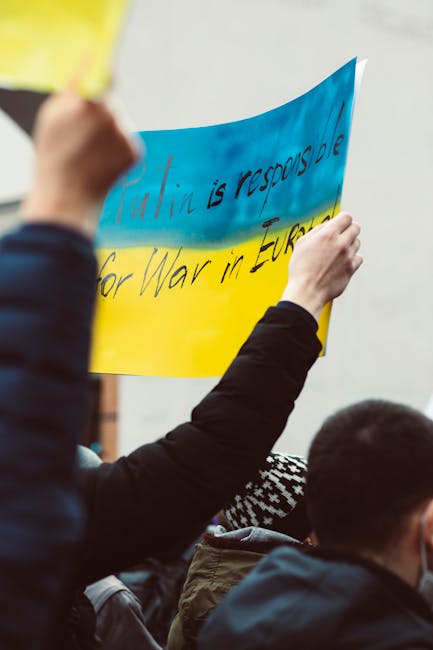
Putin’s Speech: Ukraine, Nuclear Conflict, and the Escalation of Geopolitical Tensions
The pronouncements delivered by Russian President Vladimir Putin regarding the conflict in Ukraine and the implicit threat of nuclear escalation represent a watershed moment in contemporary international relations. These speeches, characterized by historical revisionism, grievances against the West, and a stark warning about Russia’s nuclear capabilities, are not mere rhetorical flourishes but rather strategic communications designed to shape perceptions, deter further Western involvement, and justify Russia’s ongoing actions. Understanding the context, content, and potential implications of these pronouncements is crucial for comprehending the trajectory of the Ukraine war and the broader geopolitical landscape.
The core of Putin’s rhetoric surrounding Ukraine is deeply rooted in a narrative of historical injustice and perceived Western encroachment. He consistently frames the current conflict not as an unprovoked act of aggression but as a defensive measure to protect Russian-speaking populations and to counter the eastward expansion of NATO, which he views as an existential threat to Russia’s security. His speeches frequently invoke historical parallels, drawing connections between the current situation and events from centuries past, often to assert a historical Russian claim over Ukrainian territories. This historical framing serves to legitimize Russia’s actions in the eyes of a domestic audience and to sow discord among Western allies by questioning the legitimacy of Ukraine’s independent statehood. The narrative of a “denazification” of Ukraine, a baseless accusation that has been widely debunked by international observers, is a particularly potent example of this propaganda, aimed at dehumanizing the Ukrainian government and population. The consistent and amplified use of such talking points in his addresses underscores their central role in shaping public opinion and bolstering support for the war effort.
The direct and often chilling references to Russia’s nuclear arsenal are a critical component of Putin’s strategy to manage and escalate the conflict. These pronouncements are not typically explicit declarations of intent to use nuclear weapons but rather veiled threats, designed to induce fear and caution in both Ukraine and its Western supporters. By highlighting Russia’s nuclear superiority and readiness, Putin aims to deter NATO from providing more advanced weaponry to Ukraine or from engaging in direct military intervention. The implicit message is clear: any attempt to significantly alter the strategic balance on the battlefield or to directly challenge Russia’s vital interests could trigger a catastrophic response. This nuclear brinkmanship is a high-stakes gambit, leveraging the ultimate weapon to achieve strategic objectives in a conventional conflict. The repeated invocation of this threat, particularly during moments of perceived Russian setbacks on the ground, serves as a powerful psychological weapon, aiming to paralyze decision-making in Western capitals and to force a reevaluation of their commitment to Ukraine.
The speeches also serve as a vital instrument for domestic consolidation of power and public opinion management within Russia. In the face of Western sanctions and international condemnation, Putin utilizes these addresses to rally nationalistic sentiment, foster a sense of shared sacrifice, and demonize external enemies. He presents the conflict as a struggle for Russia’s very survival against a hostile world, a narrative that resonates with a segment of the Russian population. By controlling the information flow and consistently reiterating a specific version of events, the Kremlin aims to maintain popular support for the war and to suppress any dissent. The emphasis on national unity and the portrayal of Russia as a besieged fortress are key rhetorical tools employed to achieve this objective. Furthermore, these speeches are carefully orchestrated to project an image of strength and resolve, reinforcing Putin’s leadership and his unwavering commitment to his stated goals, regardless of the human cost.
The international reaction to Putin’s speeches, particularly those concerning nuclear threats, has been one of profound concern and condemnation. Western governments and international organizations have repeatedly warned against nuclear rhetoric, emphasizing the catastrophic consequences of any such use. There is a delicate balancing act at play, where Western nations must provide sufficient support to Ukraine to enable its defense without provoking a direct military confrontation with a nuclear-armed Russia. This precarious situation necessitates careful communication and de-escalation efforts, even as the rhetoric from Moscow becomes increasingly bellicose. The speeches have undeniably increased the global risk of miscalculation and unintended escalation, forcing a constant reassessment of security postures and contingency planning by nuclear powers. The international community’s response, while largely unified in its condemnation of the threats, has been varied in its specific policy recommendations and strategic approaches to mitigating the risks.
The economic implications of Putin’s rhetoric, including the threats of nuclear conflict, are also far-reaching. The persistent uncertainty and the potential for a wider conflict or even a limited nuclear exchange have a chilling effect on global markets, contributing to inflation, energy insecurity, and disruptions to supply chains. The sanctions imposed on Russia, while intended to cripple its economy, have also had ripple effects worldwide. Putin’s speeches often seek to frame these economic difficulties as a consequence of Western aggression rather than the result of Russia’s own actions, further complicating international economic relations. The prolonged nature of the conflict, fueled by the rhetoric and the potential for further escalation, adds a significant layer of risk to global economic stability, creating a climate of fear and unpredictability for businesses and consumers alike.
The legal and ethical dimensions of Putin’s speeches and the conflict they represent are equally complex. International law, particularly the Geneva Conventions and the prohibition of the use of weapons of mass destruction, provides a framework for judging the legality and morality of warfare. The threats of nuclear escalation, even if not acted upon, raise profound questions about accountability and the responsibility of leaders in times of conflict. The international community continues to grapple with how to hold perpetrators of war crimes accountable and how to prevent future atrocities. The rhetoric employed in these speeches, particularly the justifications for the invasion and the demonization of the enemy, often falls into the category of hate speech and incitement to violence, further complicating the legal and ethical landscape.
The ongoing military operations in Ukraine, coupled with the persistent nuclear saber-rattling, have led to a significant increase in global military spending and a renewed focus on collective security alliances like NATO. The perceived threat from Russia has revitalized these alliances and spurred new defense initiatives. The speeches, therefore, not only influence the immediate conflict but also shape the long-term security architecture of Europe and potentially the world. Countries bordering Russia are particularly concerned, leading to increased defense budgets and a desire for stronger security guarantees. This arms race dynamic, fueled by the constant threat of escalation, is a direct consequence of the geopolitical tensions amplified by Putin’s pronouncements.
The information warfare aspect of Putin’s speeches is also crucial to analyze. The deliberate dissemination of disinformation and propaganda aims to control the narrative, undermine trust in independent media, and sow division among adversaries. The use of state-controlled media outlets to amplify these messages ensures that a specific, often distorted, version of reality is presented to both domestic and international audiences. This makes it challenging for those seeking objective information to discern truth from falsehood, contributing to a complex and often polarized information environment. The sophisticated nature of these disinformation campaigns, which often involve the creation of fake news, the manipulation of social media, and the targeted dissemination of propaganda, represents a significant challenge to democratic societies and the pursuit of objective truth.
The long-term consequences of Putin’s speeches and the conflict they accompany are difficult to predict with certainty, but several trends are emerging. A prolonged period of heightened geopolitical tension, increased military spending, and a potential fragmentation of the global order seem likely. The conflict has exposed deep divisions within the international community and has challenged the existing norms and institutions that have governed international relations since the end of the Cold War. The speeches, by framing the conflict as an existential struggle, ensure that the stakes are perceived as extremely high, making compromise and de-escalation more difficult. The psychological impact of constant nuclear threats also contributes to a climate of anxiety and fear, which can have profound societal and individual consequences. The future of international diplomacy and the potential for peaceful conflict resolution will be significantly shaped by how these pronouncements and the underlying conflict are managed in the coming years. The very nature of warfare and deterrence may be irrevocably altered by the persistent and explicit references to nuclear options, forcing a recalibratory re-evaluation of strategic thinking globally. The speeches are not merely words; they are catalysts for profound geopolitical shifts with far-reaching and potentially irreversible consequences for global security and stability.
