
Kona Coffee Hawaii Authenticity
Kona Coffee Hawaii Authenticity: Navigating the Nuances of Genuine Hawaiian Coffee
The allure of Kona coffee is undeniable. Hailing from the volcanic slopes of Hualalai and Mauna Loa on the Big Island of Hawaii, it’s a name synonymous with premium quality, rich flavor, and an exclusive origin. However, the very desirability of Kona coffee has also led to widespread confusion and, unfortunately, outright deception regarding its authenticity. Consumers seeking the genuine article often grapple with understanding what truly constitutes "Kona coffee" and how to distinguish it from imitations or misleadingly labeled products. This article delves into the intricacies of Kona coffee authenticity, providing a comprehensive guide for consumers to navigate the market and ensure they are purchasing the real Hawaiian treasure.
The definition of "Kona coffee" is strictly regulated by both the U.S. Department of Agriculture (USDA) and the Kona Coffee Farmers Association (KCFA). To be officially labeled as 100% Kona coffee, the beans must be grown, harvested, and processed exclusively within the designated Kona Coffee Growing District on the Big Island of Hawaii. This district is precisely defined by geographical boundaries, encompassing a specific elevation range and microclimate ideal for coffee cultivation. Any coffee blend that includes beans from outside this district, even a small percentage, cannot legally be marketed as 100% Kona coffee. This regulatory framework is paramount in safeguarding the integrity and reputation of genuine Kona coffee, protecting both consumers and the dedicated farmers who adhere to these stringent standards.
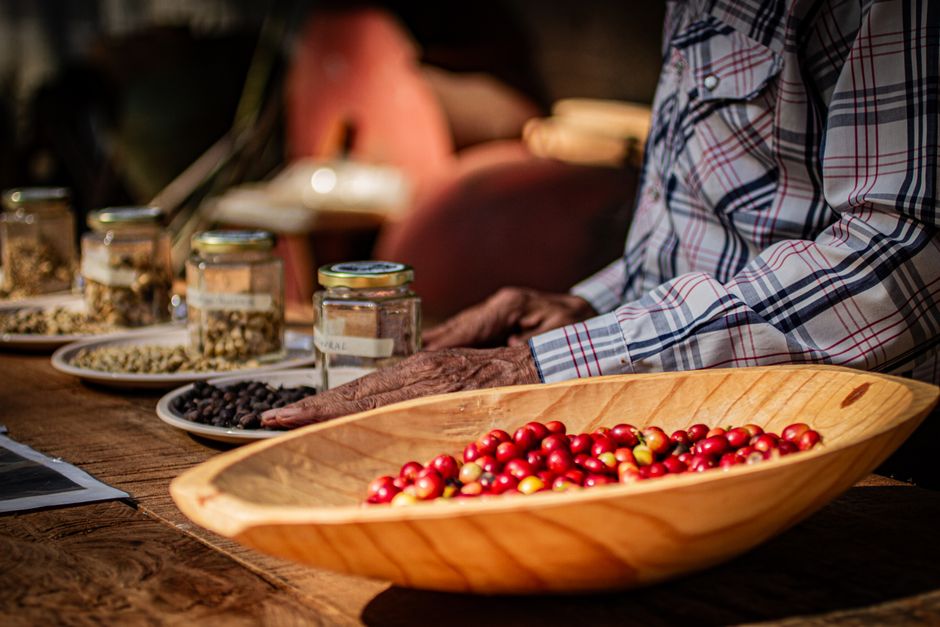
The unique terroir of the Kona district plays a crucial role in the exceptional quality of Kona coffee. The rich, mineral-dense volcanic soil provides an ideal nutrient base for the coffee plants. The consistent, moderate rainfall, coupled with ample sunshine filtered through a gentle mist from the Pacific Ocean, creates a microclimate that is neither too hot nor too cold. This delicate balance encourages slow cherry maturation, allowing the beans to develop a complex array of sugars and acids, contributing to the coffee’s characteristic smooth, balanced flavor profile with notes of floral undertones, citrus, and a hint of sweetness. The steep slopes of the volcanoes also mean that much of the cultivation and harvesting is done by hand, a labor-intensive process that underscores the commitment and care involved in producing this premium coffee.
Understanding the various labeling conventions is critical for consumers. The most coveted and genuine product is "100% Kona Coffee." This label signifies that every single bean in the bag originates from the Kona district. Next, one might encounter "Kona Blend." This term is often used loosely and can be a source of deception. Legally, a Kona Blend must contain at least 10% Kona coffee. However, many blends fall into this category with significantly less than 10% actually being Kona beans, with the bulk of the coffee coming from cheaper, less flavorful sources. Consumers should be wary of blends and prioritize 100% Kona coffee for the authentic experience. Some products might also use terms like "Kona Style" or "Kona Roasted," which are essentially marketing ploys with no regulatory backing and do not guarantee the origin of the beans. These terms are designed to capitalize on the reputation of Kona coffee without adhering to the strict origin requirements.
The Kona Coffee Farmers Association (KCFA) plays a vital role in promoting and protecting the authenticity of Kona coffee. The KCFA is a non-profit organization composed of Kona coffee farmers who are committed to upholding the highest standards of quality and integrity. They actively work to educate consumers about what constitutes genuine Kona coffee and advocate for strict labeling regulations. The KCFA also offers a voluntary certification program. While not a legal requirement, KCFA certified farms adhere to even more rigorous standards regarding quality control and sustainable farming practices, providing an additional layer of assurance for discerning buyers. Looking for the KCFA seal on a product can be a strong indicator of authenticity and a commitment to excellence.
The economic realities of Kona coffee production contribute to its premium price point and, consequently, the prevalence of counterfeit products. Growing coffee in Hawaii is inherently expensive due to the high cost of land, labor, and agricultural inputs. The hand-picking process, essential for ensuring only ripe cherries are harvested, is particularly labor-intensive and costly. These factors combine to make 100% Kona coffee significantly more expensive than coffee grown in many other coffee-producing regions. This price disparity creates an incentive for unscrupulous sellers to mislabel inferior or foreign coffees as Kona, as they can achieve higher profit margins by capitalizing on the perceived value.
Distinguishing authentic Kona coffee from imitations requires a multi-faceted approach. The most reliable method is to purchase directly from reputable Kona coffee farms or their authorized distributors. Many Kona coffee farms have their own websites and offer online sales, allowing consumers to buy directly from the source. This bypasses intermediaries and significantly reduces the risk of purchasing counterfeit products. Additionally, visiting the Big Island and purchasing coffee from farm tours or local markets provides a direct connection to the producers and an opportunity to taste the coffee before buying.
When purchasing from retail stores, scrutinize the packaging and labeling meticulously. Look for the words "100% Kona Coffee" prominently displayed. Check for the official geographical indication and any certifications, such as the KCFA seal. Be suspicious of exceptionally low prices, as they are often a red flag for inauthentic products. If the packaging is vague, uses generic terms, or boasts about "Hawaiian coffee" without specifying "Kona," it’s a good indication that it’s not genuine 100% Kona coffee.
The flavor profile of authentic Kona coffee is another key indicator. While taste is subjective, true Kona coffee is known for its smooth, mild, and well-balanced character. It typically lacks the bitterness or acidic harshness found in many other coffees. Expect notes of subtle floral aromas, hints of fruit, and a clean, sweet finish. If a coffee labeled as Kona coffee tastes overwhelmingly bitter, overly acidic, or lacks complexity, it is likely not authentic. Engaging in coffee tastings or purchasing small sample bags from trusted sources can help develop your palate and ability to discern the nuances of genuine Kona coffee.
Beyond the immediate consumption experience, the authenticity of Kona coffee is also tied to the agricultural practices and environmental stewardship of the region. Many Kona coffee farmers are committed to sustainable and environmentally friendly farming methods. These practices help preserve the delicate ecosystem of the Kona district, which is crucial for the long-term viability of coffee cultivation. Consumers who value sustainability and ethical sourcing may find that purchasing from certified organic farms or those with clear commitments to environmental responsibility further enhances their enjoyment and confidence in the authenticity of their Kona coffee.
The history of coffee cultivation in Kona dates back to the 19th century, when French settlers first introduced coffee plants to the islands. Over time, the region’s unique microclimate proved exceptionally conducive to growing high-quality coffee, particularly the Arabica varietals. The development of the Kona coffee industry is a story of dedication, innovation, and the relentless pursuit of excellence by generations of farmers. Understanding this history reinforces the value and uniqueness of genuine Kona coffee.
In conclusion, while the term "Kona coffee" evokes images of premium quality and Hawaiian paradise, navigating the market to find authentic 100% Kona coffee requires vigilance and informed decision-making. By understanding the strict regulatory definitions, recognizing the importance of the Kona terroir, scrutinizing labeling, prioritizing direct purchases from reputable sources, and developing an appreciation for the unique flavor profile, consumers can confidently secure genuine Kona coffee and savor a truly exceptional cup. The commitment of Kona coffee farmers, supported by organizations like the KCFA, ensures that this Hawaiian treasure continues to be a benchmark for quality and authenticity in the global coffee landscape.
