
California Floods Chile Wildfires Global Warming
California Floods, Chile Wildfires: The Looming Shadow of Global Warming
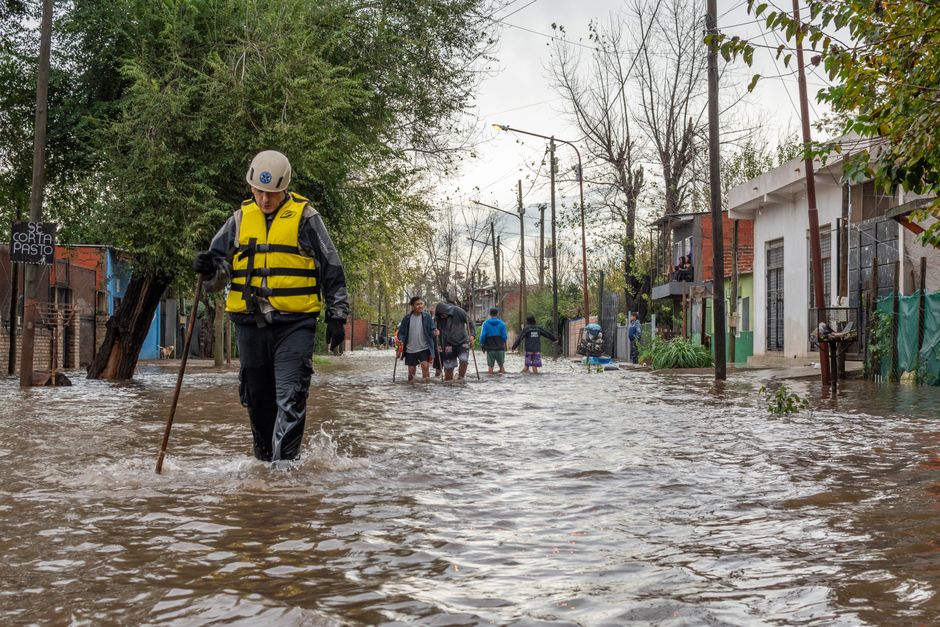
California’s recent history has been punctuated by extreme weather events, a stark manifestation of a warming planet. The devastating floods that have repeatedly inundated the state, particularly during the 2022-2023 winter season, represent a significant departure from historical patterns and underscore the escalating threat of climate change. These "atmospheric rivers," intensified by a warmer atmosphere holding more moisture, have delivered torrents of rain and snow, overwhelming infrastructure, displacing communities, and causing billions of dollars in damage. The sheer volume of water, coupled with rapid snowmelt in the Sierra Nevada, has led to widespread flooding, landslides, and mudslides, impacting agricultural regions, urban centers, and coastal areas alike. Scientists attribute this surge in extreme precipitation directly to anthropogenic climate change, which alters atmospheric circulation patterns and increases the water-holding capacity of the air. The once-predictable rhythm of California’s seasons is being disrupted, with more frequent and intense deluges becoming the new normal. This shift necessitates a fundamental re-evaluation of water management strategies, infrastructure resilience, and disaster preparedness. The cycle of prolonged drought followed by catastrophic flooding is a hallmark of a climate in flux, demanding immediate and decisive action.
Simultaneously, across the Pacific, Chile is grappling with a terrifying surge in wildfire activity, a phenomenon deeply intertwined with the same global warming trends affecting California. The unprecedented scale and intensity of the 2023 wildfires that ravaged central and southern Chile resulted in a tragic loss of life, widespread destruction of homes and natural habitats, and vast swathes of scorched earth. These fires, fueled by record-breaking heatwaves and prolonged droughts exacerbated by climate change, transformed once-lush forests into tinderboxes. The dry vegetation, coupled with strong winds, created conditions ripe for rapid fire spread, making containment efforts exceptionally challenging for firefighters. The loss of biodiversity, the impact on communities dependent on these ecosystems for their livelihoods, and the long-term ecological consequences are profound. Research consistently links rising global temperatures to an increased frequency and severity of wildfires. Warmer temperatures lead to drier vegetation, longer fire seasons, and a greater likelihood of lightning strikes igniting fires, creating a dangerous feedback loop. The scorched landscapes of Chile serve as a chilling reminder of the tangible and devastating impacts of climate change on ecosystems and human populations.
The scientific consensus is unequivocal: the accelerating frequency and intensity of extreme weather events like California’s floods and Chile’s wildfires are not isolated incidents but interconnected symptoms of a global climate crisis driven by human activity. The Intergovernmental Panel on Climate Change (IPCC), the world’s leading authority on climate science, has repeatedly warned that the burning of fossil fuels – coal, oil, and natural gas – releases greenhouse gases like carbon dioxide and methane into the atmosphere. These gases trap heat, leading to a gradual but significant increase in the Earth’s average temperature, a phenomenon known as global warming. This warming disrupts delicate climate systems, leading to a cascade of impacts. Warmer oceans expand, contributing to sea-level rise, while also fueling more powerful storms. Changes in atmospheric circulation patterns can lead to more prolonged and intense droughts in some regions and more frequent and heavy rainfall in others. The observed phenomena in California and Chile are textbook examples of these predicted consequences.
The relationship between global warming and extreme precipitation events, such as those experienced in California, is complex but well-established. A warmer atmosphere can hold more water vapor – approximately 7% more for every 1°C of warming. When atmospheric conditions are right, this increased moisture content can lead to more intense rainfall events. Furthermore, changes in jet stream patterns, also influenced by warming, can cause weather systems to stall or become more persistent, leading to prolonged periods of heavy rain. In California, the influx of moisture-laden air masses from the Pacific Ocean, known as atmospheric rivers, are becoming more powerful. These events, when they align with favorable weather patterns, can unleash devastating amounts of precipitation, overwhelming natural and man-made drainage systems. The sheer volume of water from these events can saturate soils, leading to landslides and debris flows, further compounding the destructive potential of the floods. The increased intensity of these events means that even areas not historically prone to significant flooding are now at greater risk, requiring a significant upgrade in infrastructure and emergency response capabilities.
Conversely, the same underlying warming trend that intensifies rainfall in some areas contributes to the tinderbox conditions that fuel devastating wildfires in others, as seen in Chile. Prolonged periods of hotter temperatures and reduced rainfall lead to increased evapotranspiration, drying out vegetation and making it highly flammable. Shorter, more intense rainy seasons may not be sufficient to replenish soil moisture and vegetation that has been stressed by prolonged drought. This creates a larger fuel load for fires, allowing them to spread more rapidly and burn with greater intensity. Furthermore, climate change is altering the timing and intensity of heatwaves, pushing them into periods when vegetation is already dry. Changes in wind patterns can also contribute to wildfire spread, with stronger and more erratic winds fanning flames and pushing them into new areas. The loss of natural fire breaks due to drought and disease further exacerbates the problem. The cycle of drought and heatwaves creates a perfect storm for large, uncontrollable wildfires.
The economic costs associated with these extreme weather events are staggering and are projected to rise significantly as global warming progresses. In California, the recent floods have resulted in billions of dollars in damages to homes, businesses, and public infrastructure, including roads, bridges, and dams. The disruption to agriculture, a vital sector of the Californian economy, can have ripple effects across the nation and the world. Similarly, the wildfires in Chile have caused immense economic losses, not only from the destruction of property and infrastructure but also from the impact on the timber and tourism industries. The cost of firefighting, disaster relief, and long-term recovery efforts places a considerable strain on national and local budgets. Beyond immediate financial costs, there are also significant intangible costs, including the loss of human life, the displacement of communities, and the psychological toll on those affected by these disasters. These economic impacts underscore the urgent need for investments in climate adaptation and mitigation strategies.
The interconnectedness of these events highlights the global nature of the climate crisis. The emissions of greenhouse gases from any part of the world contribute to the warming of the planet, with consequences felt universally. This necessitates a coordinated, international response. The Paris Agreement, while a crucial step, requires more ambitious commitments and faster implementation of policies aimed at reducing greenhouse gas emissions. Transitioning away from fossil fuels towards renewable energy sources, improving energy efficiency, and investing in sustainable land-use practices are essential components of this transition. Furthermore, adaptation strategies are crucial. This includes building more resilient infrastructure capable of withstanding extreme weather events, developing early warning systems for floods and wildfires, and investing in ecosystem restoration and conservation efforts that can help mitigate the impacts of climate change.
The concept of "climate justice" is also paramount in addressing these issues. Vulnerable communities, often those with the fewest resources and the least contribution to historical emissions, are disproportionately affected by the impacts of climate change. Addressing historical inequities and ensuring that adaptation and mitigation efforts are equitable and inclusive is essential for building a sustainable and just future. This means providing targeted support to communities most at risk, empowering local communities in decision-making processes, and ensuring that the benefits of the transition to a green economy are shared equitably.
The visual evidence of California’s inundated landscapes and Chile’s fire-ravaged forests serves as a stark warning. These are not distant, hypothetical scenarios; they are present-day realities driven by a warming planet. The continued reliance on fossil fuels locks in further warming and exacerbates the risks of more frequent and intense extreme weather events. The scientific understanding of the problem is robust, and the solutions are available. The urgency of the situation demands a swift and decisive shift in global priorities, from short-term economic interests to long-term planetary health and human well-being. Failure to act decisively will result in increasingly catastrophic consequences, a future defined by amplified extreme weather, widespread environmental degradation, and profound societal disruption. The time for incremental change has passed; a transformative approach to climate action is imperative to avert the most severe impacts of global warming and to build a resilient and sustainable future for all. The observable patterns in California and Chile are not isolated anomalies but rather harbingers of a future that demands immediate and sustained global commitment to addressing the root causes of climate change.
