
Environmental Issues

California Floods, Chile Wildfires, Global Warming A Crisis

California floods chile wildfires global warming – California floods, Chile wildfires, global warming – these seemingly disparate events are deeply interconnected, highlighting the urgent need for global action. This blog post explores the devastating impacts of these crises, delving into the historical context, potential long-term consequences, and the crucial role of mitigation and adaptation strategies in confronting this global challenge.

The recent California floods have caused significant infrastructure damage and economic disruption, while Chile’s wildfires have devastated ecosystems and communities. These events are not isolated incidents; they are symptoms of a larger problem – the accelerating effects of global warming. This post examines the scientific evidence supporting the reality of global warming, its human causes, and the observed effects on ecosystems worldwide, leading to extreme weather patterns.

California Floods: California Floods Chile Wildfires Global Warming
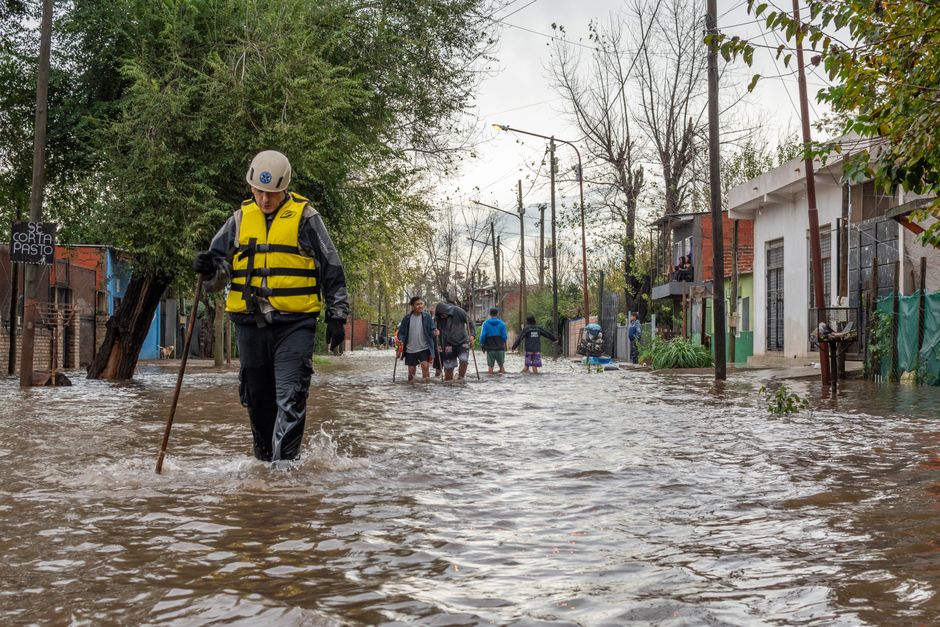
California floods chile wildfires global warming

California, a state renowned for its diverse landscapes and agricultural richness, has a history of severe flooding events. These events, often triggered by intense rainfall and atmospheric rivers, have profound and lasting impacts on the state’s infrastructure, economy, and ecosystems. The recent series of floods underscores the vulnerability of California’s systems to extreme weather events and highlights the need for proactive adaptation strategies.

Historical Overview of Major Flooding Events

California has experienced numerous significant flooding events throughout its history. These events, often characterized by their frequency and intensity, have shaped the state’s landscape and infrastructure. For example, the 1862 floods, caused by heavy rains and snowmelt, led to widespread devastation and loss of life. More recent events, such as the 1997-98 El Niño floods, demonstrate the recurring nature of severe precipitation events and their potential for catastrophic consequences.

Potential Long-Term Effects on Infrastructure, Agriculture, and Ecosystems

The recent floods have caused substantial damage to California’s infrastructure, impacting roads, bridges, and utilities. The long-term effects on agricultural lands are substantial, with potential damage to crops, livestock, and irrigation systems. The disruption to ecosystems, including riverine habitats and coastal wetlands, is a concern, with possible long-term consequences for biodiversity and water quality.

Economic Consequences of the Floods

The economic impact of the recent flooding events has been substantial, affecting various sectors. Businesses have experienced significant losses due to property damage, disruptions to supply chains, and decreased customer traffic. Employment opportunities have been impacted by business closures and reduced activity across various industries, including tourism and agriculture. The long-term economic recovery will depend on the speed and effectiveness of disaster relief efforts and the ability of affected communities to rebuild and adapt.

The recent California floods and Chilean wildfires are stark reminders of the devastating impacts of global warming. These disasters highlight the urgent need for action, and organizations like the Davine Joy Randolph Awards are crucial in recognizing and supporting individuals and groups working towards sustainable solutions. Ultimately, these awards, and the work they support, can contribute to mitigating the effects of climate change, helping us address these environmental crises.

Government and Community Response Mechanisms

The response mechanisms of government and community organizations to the recent floods have been substantial. Emergency services have provided immediate relief and support to affected populations. Community organizations have played a critical role in providing aid, shelter, and emotional support. However, there is always room for improvement in the efficiency and coordination of disaster response efforts. This includes proactive measures like early warning systems and pre-disaster planning to minimize the impact of future events.

Comparison of Recent Floods with Previous Events

Flood Event Affected Areas Damage Estimates (USD) Response Time
1997-98 El Niño Flood Coastal areas, Central Valley Billions Days to Weeks
2023 Flood Northern California, Central Valley Billions (Estimated) Days to Weeks

The table above provides a simplified comparison. Further analysis would include more granular data, specific locations, and a more detailed breakdown of economic losses.

Chile Wildfires

The relentless blazes that have scorched Chile’s landscapes in recent years serve as a stark reminder of the escalating wildfire crisis. These infernos, fueled by a complex interplay of factors, have had devastating consequences on the environment, communities, and the economy. Understanding the causes and impacts is crucial for developing effective mitigation strategies and fostering resilience.The increasing frequency and intensity of wildfires in Chile are deeply intertwined with a changing climate.

Prolonged periods of drought, combined with rising temperatures, create exceptionally dry conditions that make vegetation highly susceptible to ignition. Furthermore, altered weather patterns, including shifts in wind patterns and the duration of hot spells, exacerbate the risk of wildfires spreading rapidly. These conditions, amplified by human activities like agricultural practices and land use changes, have contributed to a dangerous feedback loop, making Chile increasingly vulnerable to devastating fire seasons.

Factors Contributing to Increased Wildfire Frequency and Intensity

Climate change is a significant driver of the growing wildfire threat. Rising global temperatures increase the likelihood of extreme heat waves, which dry out vegetation, making it easier for fires to ignite and spread. Droughts, becoming more frequent and intense, further exacerbate the problem, leaving landscapes parched and highly flammable. Other contributing factors include deforestation, agricultural practices, and human-caused ignition sources.

The interplay of these factors creates a dangerous environment where wildfires can easily erupt and spread uncontrollably.

Environmental Impacts of Wildfires

Wildfires have profound and lasting impacts on the environment. The immediate impact on air quality is severe, leading to respiratory problems and other health concerns for both humans and animals. Smoke plumes can travel vast distances, impacting air quality in neighboring countries and regions. The loss of wildlife is a significant environmental consequence. Many species, particularly those adapted to specific habitats, may lose their homes and food sources, leading to population declines and, in some cases, extinction.

Ecosystem damage is widespread, destroying vegetation, impacting soil structure, and disrupting natural cycles. These impacts can take years to recover from, requiring extensive restoration efforts.

Social and Economic Impacts of Wildfires

The social and economic consequences of wildfires in Chile are significant and far-reaching. Displacement of communities is a common occurrence, forcing residents to leave their homes and livelihoods behind. The loss of homes, businesses, and agricultural lands leads to significant economic hardship, impacting livelihoods and creating long-term economic challenges. Recovery efforts require substantial financial resources and coordinated community support.

The emotional toll on affected communities should not be underestimated; psychological distress and trauma are common responses to such events.

Comparison of Chilean Wildfires to Other Global Wildfires

Chilean wildfires share commonalities with other global wildfire events. The increasing frequency and intensity of wildfires globally are linked to climate change, with similar environmental and social consequences. However, differences in the specific vegetation types, topography, and human activities can lead to unique impacts. The scale and duration of these events vary, with some regions experiencing more frequent and intense outbreaks than others.

Understanding these differences is crucial for tailoring effective mitigation and recovery strategies to the specific context of each region.

California floods and Chilean wildfires are stark reminders of global warming’s devastating impact. These extreme weather events highlight the urgent need for international cooperation to address climate change. Interestingly, figures like Ricardo Martinelli, the former president of Panama, and his involvement in Nicaragua raise questions about the political and economic factors that might exacerbate these issues. These complexities underscore the interconnectedness of environmental disasters with global political landscapes.

Ultimately, understanding the root causes, like the political situations of Ricardo Martinelli Panama Nicaragua , is vital to tackling the California floods, Chilean wildfires, and the broader issue of global warming.

Geographic Distribution of Chilean Wildfires, California floods chile wildfires global warming

Region Intensity Level (e.g., Low, Moderate, High) Affected Areas (e.g., Forest, Agricultural Lands, Urban Areas)
Central Valley High Agricultural lands, forest, residential areas
Andean Region Moderate Forest, pasture lands, some residential areas
Coastal Regions Low to Moderate Mainly forest, some agricultural lands

The table above provides a general overview of the geographic distribution of Chilean wildfires. Specific details on the intensity and affected areas can vary significantly depending on the particular fire event. This data is crucial for understanding the geographic patterns of wildfires and for focusing resources on vulnerable areas.

Global Warming

Chile floods inundaciones copiapo

The relentless march of global warming, driven by human activity, is reshaping our planet’s climate and ecosystems. The consequences are already visible, from extreme weather events to rising sea levels, and the potential for further disruption is significant. Understanding the science behind global warming, its impacts, and potential solutions is crucial for navigating this challenge.The overwhelming scientific consensus affirms that global warming is unequivocally happening and that human activities are the primary driver.

Decades of research across numerous scientific disciplines, including atmospheric science, oceanography, and glaciology, consistently point to a clear correlation between greenhouse gas emissions and rising global temperatures.

Scientific Evidence for Global Warming

A multitude of observations confirm the reality of global warming. Instrumental records spanning over a century show a steady increase in average global temperatures. Glaciers and ice sheets are shrinking at an accelerated rate, contributing to rising sea levels. Changes in precipitation patterns, including more frequent and intense droughts and floods, are becoming increasingly evident. Analysis of ancient ice cores reveals a clear link between atmospheric greenhouse gas concentrations and past temperature fluctuations.

These findings, consistently corroborated by independent studies, unequivocally demonstrate the existence of global warming and its human origins.

Human Causes of Global Warming

The primary driver of global warming is the release of greenhouse gases into the atmosphere. Burning fossil fuels (coal, oil, and natural gas) for energy production, industrial processes, and transportation is the largest contributor. Deforestation, agricultural practices, and certain industrial activities also release significant amounts of greenhouse gases. These emissions trap heat in the atmosphere, leading to a gradual increase in global temperatures.

The exponential growth of human populations and the rising demand for energy and resources further compound this issue.

California floods and Chile wildfires are stark reminders of global warming’s devastating impact. These natural disasters highlight the urgent need for action, but the human cost extends beyond the immediate crisis. Think about the complex issues surrounding frozen embryos and the rights of children, such as the legal battles around alabama frozen embryos children. Ultimately, these events underscore the interconnectedness of environmental and societal issues, making it clear that we need comprehensive solutions to combat global warming and its consequences.

Observed Effects on Ecosystems

Global warming has profound and widespread effects on ecosystems worldwide. Changes in temperature and precipitation patterns are disrupting plant and animal life cycles. Coral reefs are bleaching due to rising ocean temperatures, and species are migrating to new habitats in search of suitable conditions. Ocean acidification, a direct consequence of increased carbon dioxide absorption, is harming marine life, especially shellfish and corals.

These changes cascade through ecosystems, affecting food webs and biodiversity.

Successful Mitigation and Adaptation Strategies

Various countries have implemented strategies to mitigate greenhouse gas emissions and adapt to the impacts of global warming. Renewable energy sources, such as solar and wind power, are being increasingly adopted. Energy efficiency measures and sustainable transportation options are being promoted. Afforestation and reforestation projects are crucial for carbon sequestration. Adaptation strategies, such as developing drought-resistant crops and improving water management systems, are also being implemented to address the consequences of climate change.

International agreements, such as the Paris Agreement, are vital for coordinating global efforts to tackle this global challenge.

Key Greenhouse Gas Emissions Sources

Greenhouse Gas Source Relative Contribution (%)
Carbon Dioxide (CO2) Fossil fuel combustion ~75%
Methane (CH4) Agriculture (livestock), landfills ~15%
Nitrous Oxide (N2O) Agriculture, industrial processes ~10%

The table above illustrates the relative contributions of major greenhouse gas emissions sources. Understanding these sources is essential for targeting mitigation efforts effectively.

Consequences of Inaction

The consequences of inaction on global warming are dire. Further increases in global temperatures will lead to more frequent and intense heatwaves, droughts, floods, and wildfires. Rising sea levels will inundate coastal communities and displace populations. Ecosystems will continue to degrade, threatening biodiversity and food security. The potential for cascading effects, such as mass migrations and social unrest, is substantial.

The time for decisive action is now.

Interconnections

The recent devastating California floods and Chilean wildfires, tragically amplified by global warming, highlight the interconnectedness of environmental crises. These events, seemingly disparate, share underlying causes and cascading effects, demanding a global response to mitigate their devastating impacts. These interconnected events underscore the urgency of addressing climate change and its devastating consequences.The impacts of these extreme weather events are not confined to the affected regions.

Global warming acts as a catalyst, increasing the frequency and intensity of such events. This amplification effect, coupled with the global interconnectedness of our food systems and economies, creates a complex web of consequences. The interplay of these factors requires a multifaceted approach, addressing both the immediate relief efforts and the long-term solutions needed to build resilience and prevent future catastrophes.

Impacts on Human Health and Safety

The California floods and Chilean wildfires, both exacerbated by global warming, have profoundly impacted human health and safety. Flooding can lead to the spread of waterborne diseases, while wildfires release harmful pollutants into the air, causing respiratory problems and other health issues. Exposure to these pollutants can have long-term consequences, including chronic respiratory illnesses and cardiovascular problems. Both events also disrupt essential services, such as clean water and sanitation, increasing vulnerability to health crises.

The combination of these factors creates a serious threat to public health and safety in affected areas.

Potential Long-Term Impacts on Global Food Security

Disruptions to agricultural production are a major concern arising from extreme weather events like floods and wildfires. The California floods, for instance, have severely impacted agricultural land, disrupting crop yields and livestock production. Similarly, the Chilean wildfires have destroyed vast areas of agricultural land and forests, diminishing future harvests. These impacts, amplified by global warming, threaten the global food supply and potentially lead to food shortages and price increases.

The interconnected nature of global food systems means that a disruption in one region can have cascading effects on others, emphasizing the need for robust global food security strategies.

Interconnectedness Table

Event Region Impact on Human Health Impact on Food Security Potential Link to Global Warming
California Floods California, USA Increased risk of waterborne diseases, respiratory problems from flooding debris Crop damage, livestock loss, disruption of supply chains Warmer temperatures contribute to increased precipitation, leading to more intense rainfall and flooding events.
Chile Wildfires Chile Air pollution, respiratory illnesses, loss of life Destruction of agricultural land, loss of forests, reduction in crop yields Warmer temperatures and drier conditions increase the risk and intensity of wildfires.
Global Warming Worldwide Increased frequency and intensity of extreme weather events leading to health risks Disruptions to agricultural production and food supply chains A fundamental driver behind increased risks of extreme weather events.

Mitigation and Adaptation

California floods chile wildfires global warming

Addressing the escalating impacts of global warming necessitates a multifaceted approach encompassing mitigation strategies to curb greenhouse gas emissions and adaptation measures to bolster resilience in affected communities. California’s recent floods and Chile’s devastating wildfires underscore the urgent need for proactive measures. This section delves into practical mitigation and adaptation strategies, highlighting the crucial roles of individuals, governments, and international collaboration in tackling this global challenge.The interconnected nature of climate change requires a coordinated response that transcends national borders.

Solutions must consider the unique vulnerabilities of different regions while fostering a shared responsibility to reduce emissions and strengthen adaptation mechanisms. Successful mitigation and adaptation efforts depend on a robust understanding of the specific challenges facing affected communities and a commitment to equitable resource allocation.

Mitigation Strategies for California and Chile

California, with its vulnerability to extreme weather events, requires mitigation strategies focused on reducing its carbon footprint. Transitioning to renewable energy sources, such as solar and wind power, is paramount. Investing in energy-efficient infrastructure, including buildings and transportation systems, is crucial. Chile, with its significant reliance on agriculture and forestry, needs policies that promote sustainable land management practices.

Reduced deforestation and improved agricultural techniques are critical steps.

Adaptation Strategies for Communities Affected by Extreme Weather Events

Communities affected by extreme weather events need robust adaptation strategies. Early warning systems, including improved weather forecasting and community preparedness programs, are vital. Building resilient infrastructure, such as flood defenses and drought-resistant crops, is essential. Developing comprehensive disaster response plans and training local communities in emergency procedures are crucial elements of adaptation.

The recent California floods and Chilean wildfires are stark reminders of the devastating impacts of global warming. It’s easy to feel overwhelmed by these events, but perhaps we can find some perspective by considering the complexities of human cognition. A neuroscientist’s analysis of President Biden’s age and memory, for example, as discussed in this article neuroscientist on biden age memory , highlights the fascinating intersection of biology and politics.

Ultimately, though, the pressing issue remains the urgent need to address global warming and its destructive consequences.

Roles of Individuals, Governments, and International Cooperation

Individual actions, governmental policies, and international cooperation are all essential components of a comprehensive response to global warming. Individuals can reduce their carbon footprint by adopting sustainable practices in their daily lives, such as using public transportation, conserving energy, and reducing waste. Governments must implement policies that incentivize the transition to renewable energy, regulate emissions, and invest in climate-resilient infrastructure.

International cooperation is vital for sharing knowledge, technology, and resources to address this global challenge. Agreements and collaborations between nations are essential for coordinating efforts.

Table of Mitigation and Adaptation Measures

Mitigation/Adaptation Measure Effectiveness Associated Costs
Renewable energy deployment (solar, wind) High (reduces reliance on fossil fuels) High upfront, but lowers long-term costs
Energy efficiency upgrades (buildings, transportation) High (reduces energy consumption) Moderate upfront, but lowers long-term costs
Sustainable land management (forestry, agriculture) Moderate to high (reduces emissions, improves resilience) Moderate, but can be cost-effective in the long term
Early warning systems High (saves lives and reduces damage) Moderate, but crucial for long-term impact
Resilient infrastructure (flood defenses, drought-resistant crops) High (protects communities and assets) High upfront, but reduces long-term risk and damage

Ethical Considerations of Global Warming

The ethical dimensions of global warming are profound. Climate justice demands that those most vulnerable to climate change, often those who have contributed the least to greenhouse gas emissions, receive support and resources to adapt and mitigate. Resource allocation must prioritize the needs of marginalized communities and ensure that the burden of climate action is not disproportionately placed on the most vulnerable populations.

California floods and Chilean wildfires are stark reminders of global warming’s devastating impact. It’s easy to feel overwhelmed by these disasters, but remember that even small actions can make a difference. For instance, choosing a sustainable and inclusive cuisine like hot pot, as detailed in hot pot is for everyone , can help reduce our environmental footprint.

Ultimately, tackling climate change requires a global effort, and every choice we make matters, from our food choices to our support for sustainable practices.

International agreements must address the historical responsibilities of developed nations in contributing to the problem and ensure fair and equitable burden-sharing.

Closure

In conclusion, the California floods, Chile wildfires, and global warming crisis underscore the urgent need for global cooperation and immediate action. The interconnectedness of these events reveals the far-reaching consequences of inaction. We must implement comprehensive mitigation strategies to reduce greenhouse gas emissions, and bolster adaptation measures to protect vulnerable communities and ecosystems. Ultimately, the future of our planet hinges on our collective response to this multifaceted crisis.

Clarifying Questions

What are the main causes of the increasing frequency of wildfires in Chile?

Several factors contribute, including climate change, which leads to hotter, drier conditions, and increased drought. Changes in land management practices and the presence of dry vegetation also play a significant role.

How can individuals contribute to mitigating global warming?

Individuals can adopt sustainable practices like reducing energy consumption, conserving water, choosing eco-friendly transportation, and supporting businesses committed to environmental sustainability.

What are some long-term impacts of these events on global food security?

Disruptions to agricultural production due to extreme weather events can lead to food shortages and price increases, potentially exacerbating existing inequalities and affecting vulnerable populations globally.

Related Articles

Back to top button