
Northern Ireland Sinn Fein Michelle Oneill
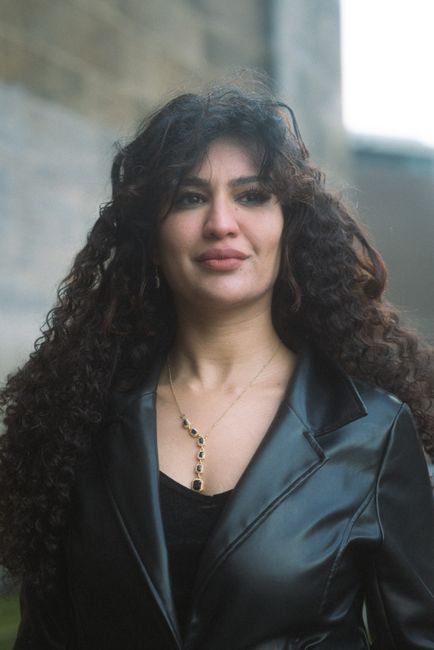
Michelle O’Neill: Navigating the Shifting Sands of Northern Ireland Politics
Michelle O’Neill’s rise to prominence within Sinn Féin and her current position as First Minister of Northern Ireland represent a significant juncture in the region’s political landscape. Her leadership marks a continuation of Sinn Féin’s strategic pursuit of nationalist aspirations, a trajectory shaped by decades of evolving societal, economic, and political factors. Understanding O’Neill’s role necessitates a deep dive into the historical context of Northern Ireland, the ideological underpinnings of Sinn Féin, and the specific challenges and opportunities she faces in a post-Brexit environment. Her tenure is not merely about personal achievement but about the broader implications for power-sharing, cross-community relations, and the ongoing debate surrounding Ireland’s constitutional future. O’Neill’s political journey is intrinsically linked to the legacy of the Troubles and the subsequent peace process, a period that continues to cast a long shadow over the region’s present and future. Her articulation of Sinn Féin’s policy platform, with its emphasis on social justice, economic equality, and a united Ireland, resonates with a substantial portion of the electorate, while simultaneously provoking apprehension and resistance from others. The complexities of this political environment, characterized by a delicate balance of power between unionist and nationalist communities, demand a nuanced and adaptable approach, qualities that O’Neill has increasingly demonstrated.
Sinn Féin’s evolving electoral strategy has been a cornerstone of its contemporary success, and Michelle O’Neill has been instrumental in its execution. From its historical association with armed struggle, the party has strategically transitioned into a purely political force, prioritizing electoral participation and the pursuit of its objectives through democratic means. This transformation, often characterized by shrewd campaigning and a focus on delivering tangible benefits to its constituents, has enabled Sinn Féin to broaden its appeal beyond its traditional base. O’Neill, as a prominent figurehead, embodies this modern iteration of the party. Her public pronouncements and policy proposals are carefully calibrated to address a wide spectrum of societal concerns, from healthcare and education to housing and employment. This inclusive approach, while maintaining the ultimate goal of a united Ireland, has allowed Sinn Féin to capture significant support across various demographic groups. The party’s consistent electoral gains, culminating in O’Neill’s appointment as First Minister, underscore the effectiveness of this long-term strategy. This electoral success is not a mere accident but the result of a deliberate and sustained effort to rebrand and reposition the party as a viable and responsible governing force. The SEO value here lies in understanding the keywords associated with this evolution: "Sinn Féin electoral strategy," "Michelle O’Neill political evolution," "Northern Ireland nationalist parties," and "democratic republicanism."
The constitutional question of a united Ireland remains a central, albeit often implicit, tenet of Sinn Féin’s political agenda, and Michelle O’Neill consistently articulates this vision. While the immediate focus of her leadership is on the functioning of the devolved government and addressing pressing domestic issues, the long-term aspiration for Irish reunification underpins the party’s broader strategy. This aspiration is not a static ideal but a dynamic objective that is subject to shifts in public opinion, demographic changes, and the prevailing political and economic climate in both Northern Ireland and the Republic of Ireland. O’Neill’s public discourse often frames this objective within the context of a peaceful, democratic, and inclusive process, emphasizing the need for broad consensus and careful planning. The economic and social arguments for unification are frequently highlighted, alongside the historical narrative of a divided island. The implications of Brexit have undoubtedly intensified discussions around the constitutional future, creating both opportunities and challenges for Sinn Féin’s objectives. O’Neill’s approach is to keep the conversation alive and to prepare the ground for a potential border poll, while simultaneously demonstrating Sinn Féin’s capacity to govern effectively within the existing framework. This dual focus is critical for maintaining momentum and building the necessary support for their ultimate goal. Keywords for SEO include: "united Ireland," "Irish reunification," "Michelle O’Neill constitutional future," "Northern Ireland border poll," and "nationalist aspirations."
Michelle O’Neill’s role as First Minister is situated within the unique and often fractious power-sharing arrangements of the Northern Ireland Assembly. The Good Friday Agreement, the bedrock of the peace process, mandates a system where the largest nationalist party and the largest unionist party share executive power. This necessitates a constant negotiation of competing interests and a delicate balancing act to maintain political stability. O’Neill, as the leader of Sinn Féin, therefore, operates in an environment where consensus-building and compromise are paramount, even when fundamental disagreements exist. Her approach to leadership is characterized by a pragmatic engagement with the realities of devolved governance, focusing on policy delivery and addressing the immediate needs of the population. However, this pragmatic approach does not diminish the party’s core principles or its long-term objectives. The success of the power-sharing institutions is contingent on the willingness of all parties to engage constructively, and O’Neill’s leadership plays a crucial role in this dynamic. The challenges are significant, particularly in navigating historical grievances and contemporary political divisions. The SEO implications revolve around keywords such as: "Northern Ireland Assembly," "power-sharing government," "Good Friday Agreement," "Michelle O’Neill First Minister," and "cross-community relations."
The economic policies championed by Michelle O’Neill and Sinn Féin are central to their appeal and their vision for Northern Ireland. The party emphasizes social justice and economic equality, advocating for policies aimed at reducing poverty, creating jobs, and improving living standards across the region. This often translates into calls for greater investment in public services, particularly healthcare and education, and a focus on developing a more sustainable and inclusive economy. In the context of post-Brexit Northern Ireland, economic considerations take on heightened importance. O’Neill’s proposals frequently address the specific challenges and opportunities presented by the Northern Ireland Protocol, aiming to mitigate any negative impacts while leveraging potential benefits. Her approach is to present economic policies as interconnected with broader social and political aspirations, arguing that a more prosperous and equitable society is a prerequisite for achieving long-term stability and constitutional change. The emphasis on "levelling up" and ensuring fair distribution of wealth is a recurring theme in Sinn Féin’s economic discourse, aiming to resonate with working-class communities and those who feel marginalized. Keywords for SEO here include: "Northern Ireland economy," "Sinn Féin economic policy," "Michelle O’Neill social justice," "job creation Northern Ireland," and "post-Brexit economy."
The ongoing debate surrounding social issues and identity in Northern Ireland is a complex tapestry in which Michelle O’Neill and Sinn Féin play a significant role. The region’s unique historical and cultural context, shaped by centuries of religious and political division, continues to influence societal attitudes and political discourse. Sinn Féin, as a republican party, advocates for a more inclusive and secular society, often championing policies related to LGBTQ+ rights, women’s reproductive rights, and a more progressive approach to social welfare. O’Neill’s public stances on these issues reflect a commitment to a modern, forward-looking vision for Northern Ireland, one that aims to transcend historical sectarian divisions. This approach is not without its challenges, as these issues can often intersect with deeply held traditional values and provoke strong reactions from different segments of the population. However, by engaging with these social issues, Sinn Féin seeks to position itself as a party that addresses the evolving needs and aspirations of a diverse electorate, thereby broadening its appeal and demonstrating its commitment to a more equitable and inclusive future. The SEO implications are found in keywords such as: "Northern Ireland social issues," "Michelle O’Neill LGBTQ+ rights," "gender equality Northern Ireland," "religious tolerance," and "identity politics."
The impact of Brexit on Northern Ireland’s political and economic landscape has been profound, and Michelle O’Neill’s leadership is inextricably linked to navigating these complexities. The Northern Ireland Protocol, designed to avoid a hard border on the island of Ireland, has created unique challenges and opportunities for the region, and O’Neill has been a vocal proponent of its implementation while also seeking to mitigate its negative consequences. Her stance reflects Sinn Féin’s broader objective of strengthening ties with the European Union and paving the way for a potential united Ireland that would be within the EU. The economic implications of Brexit, including trade disruptions and the impact on specific sectors, are a constant focus of her policy discussions. O’Neill’s approach is to advocate for policies that protect Northern Ireland’s economic interests and ensure that the region is not disadvantaged by the UK’s withdrawal from the EU. The ongoing debate surrounding the Protocol and its future is a critical element of her political strategy, as it directly influences the dynamics of power-sharing and the broader conversation about Northern Ireland’s constitutional future. Keywords that are relevant for SEO include: "Brexit Northern Ireland," "Northern Ireland Protocol," "Michelle O’Neill EU relations," "UK withdrawal from EU," and "economic impact of Brexit."
Michelle O’Neill’s engagement with international relations, particularly concerning Ireland and the European Union, is a significant aspect of her political strategy. As a leading figure in Irish republicanism, she actively participates in discussions that shape the island’s relationship with its neighbours and with international bodies. Her efforts to build relationships with political leaders in the Republic of Ireland, the UK, and the European Union are crucial for advancing Sinn Féin’s objectives. This includes advocating for policies that foster closer economic and political ties between Ireland and the EU, a stance that is intrinsically linked to the long-term aspiration for a united Ireland. O’Neill’s international engagement also serves to bolster Sinn Féin’s credibility on the global stage and to garner support for their vision of a peaceful and prosperous Ireland. The ongoing discourse surrounding the Northern Ireland Protocol and its implications for cross-border relations and trade are often at the forefront of these international discussions. Her proactive approach in building these relationships is essential for navigating the complexities of a post-Brexit world and for positioning Ireland as a strong and influential player in European affairs. SEO keywords for this section include: "Michelle O’Neill international relations," "Irish diaspora," "European Union Ireland," "cross-border cooperation," and "diplomacy in Northern Ireland."
