
Gaza Death Toll War
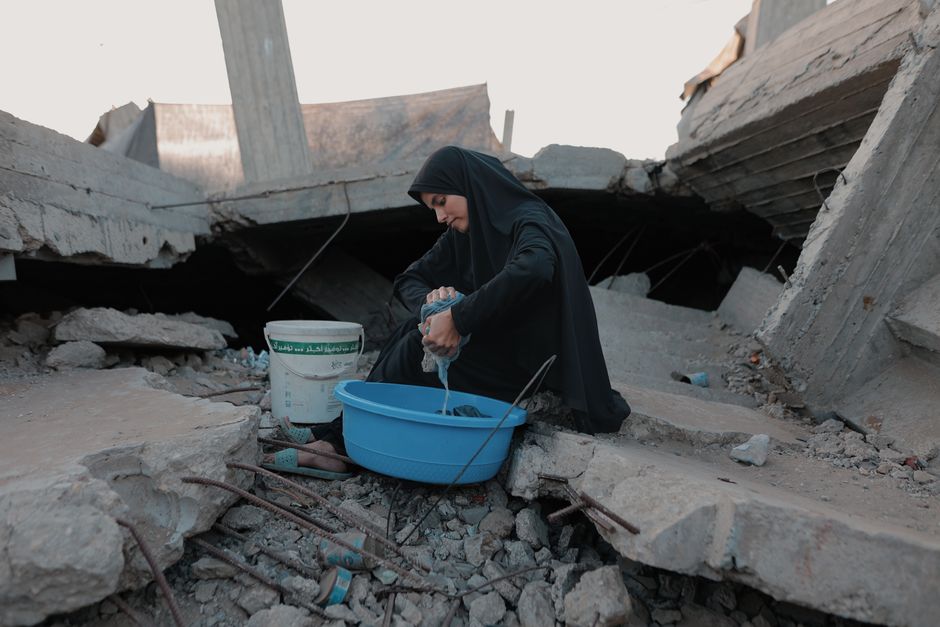
Gaza Death Toll: A Comprehensive Analysis of War’s Devastating Impact
The scale of death and destruction in the Gaza Strip during periods of armed conflict is a subject of intense scrutiny, data collection, and profound human tragedy. This article provides a comprehensive overview of the Gaza death toll, examining the methodologies used to track casualties, the contributing factors to mortality, the demographic breakdown of victims, and the long-term consequences of these losses. Understanding these figures is not merely an academic exercise; it is essential for grasping the immense human cost of war and informing efforts towards peace and accountability.
The methodologies employed to record death tolls in Gaza are complex and often fraught with challenges. In active conflict zones, distinguishing between combatants and civilians, verifying identities, and reaching all affected areas can be extremely difficult. Local health authorities, often under immense pressure, are typically the primary source of reported figures. These bodies compile data from hospitals, emergency services, and field reports. International organizations, such as the United Nations and various human rights groups, also play a crucial role in gathering and verifying casualty information. They often rely on a combination of official reports, direct observation, interviews with witnesses, and satellite imagery. However, discrepancies can arise due to differing verification standards, access limitations, and the sheer chaos of conflict. For instance, some figures may include individuals who died from indirect causes related to the conflict, such as the destruction of essential infrastructure leading to lack of medical care or access to food and water, while others may focus solely on direct fatalities from bombings, shelling, or ground operations. The challenge of accurate attribution is further complicated by the density of the population in Gaza, meaning that even targeted strikes can have widespread civilian impact. Furthermore, the sheer volume of casualties can overwhelm local capacity, leading to delays in reporting and potential undercounting, particularly in the immediate aftermath of intense offensives. The international community’s reliance on these figures underscores the importance of transparent and rigorous data collection, while acknowledging its inherent limitations in such volatile environments.
The primary drivers of the Gaza death toll are multifaceted, stemming directly from the nature of armed conflict and the specific context of the Gaza Strip. Direct military action, including airstrikes, artillery fire, and ground offensives, is the most immediate cause of fatalities. These actions often result in indiscriminate harm due to the proximity of civilian populations to military targets, the use of explosive weapons in populated areas, and the destruction of residential buildings, schools, and hospitals. Beyond direct impacts, indirect causes of death are equally devastating. The destruction of critical infrastructure, such as power grids, water treatment plants, and sewage systems, leads to widespread public health crises. Lack of access to clean water, sanitation, and essential medical supplies results in increased mortality from preventable diseases, particularly among vulnerable populations like children and the elderly. The psychological toll of prolonged conflict also contributes to mortality, with increased rates of suicide, stress-related illnesses, and exacerbation of pre-existing conditions. Furthermore, the economic devastation caused by the conflict exacerbates poverty and malnutrition, further compromising the health and survival of the population. Blockades and restrictions on the movement of goods and people, often imposed in conjunction with military operations, severely limit the availability of life-saving medicines, medical equipment, and humanitarian aid, directly impacting survival rates. The cumulative effect of these direct and indirect factors creates a grim reality where the conflict’s lethality extends far beyond the immediate battlefield.
Demographically, the Gaza death toll disproportionately affects certain segments of the population, highlighting existing vulnerabilities exacerbated by war. Children represent a tragically high percentage of fatalities. Their developing bodies are more susceptible to the effects of trauma, malnutrition, and disease. The widespread destruction of homes and schools also leaves them particularly exposed. Women, too, face heightened risks, both from direct violence and from the collapse of healthcare systems, which can lead to increased maternal and infant mortality. The elderly and individuals with pre-existing medical conditions are also highly vulnerable, as they often have less resilience to cope with the physical and psychological stresses of conflict and a greater reliance on specialized medical care that becomes unavailable. Internally displaced persons (IDPs) often face increased mortality risks due to overcrowding in temporary shelters, limited access to essential services, and heightened exposure to disease outbreaks. The targeting of specific communities or neighborhoods can also lead to localized demographic impacts, concentrating the loss of life within certain families or social groups. The breakdown of social support networks and the loss of breadwinners can have cascading effects, pushing surviving families further into destitution and increasing their long-term vulnerability. This demographic skew underscores the fact that war’s consequences are not distributed equally, but rather prey on those already marginalized and exposed.
The long-term consequences of the Gaza death toll extend far beyond the immediate loss of life, impacting the social, psychological, and economic fabric of the territory for generations. The immense loss of life creates profound grief and trauma within families and communities, leading to widespread psychological distress, including post-traumatic stress disorder (PTSD), depression, and anxiety. The loss of parents, siblings, and children can shatter family structures, leaving behind orphaned children and elderly individuals who are dependent on already strained support systems. The destruction of educational facilities and the loss of teachers and students disrupt the continuity of education, hindering the development of future generations and perpetuating cycles of poverty and despair. Economically, the death toll represents the loss of skilled labor, entrepreneurs, and consumers, severely hampering reconstruction and development efforts. The infrastructure damage associated with conflict further exacerbates economic hardship, limiting job creation and access to essential services. The persistent trauma and insecurity can also lead to a “lost generation,” characterized by diminished aspirations, chronic health problems, and difficulty reintegrating into a peaceful society. The cyclical nature of conflict means that the trauma of each escalation can compound previous losses, making long-term recovery increasingly challenging. Addressing these enduring consequences requires not only ending the immediate violence but also investing in comprehensive psychosocial support, educational rehabilitation, and sustainable economic development.
The international legal and ethical dimensions of the Gaza death toll are a subject of ongoing debate and legal proceedings. International humanitarian law, including the Geneva Conventions, prohibits the targeting of civilians and civilian infrastructure, and mandates the protection of non-combatants during armed conflict. Violations of these principles can constitute war crimes. Mechanisms for accountability, such as international tribunals and domestic legal systems, are crucial for investigating alleged violations, prosecuting perpetrators, and providing justice for victims and their families. Human rights organizations play a vital role in documenting alleged violations, advocating for accountability, and pressuring governments and international bodies to uphold international law. The principle of proportionality, which requires that the anticipated military advantage of an attack must not be excessive in relation to the expected civilian harm, is a key consideration in assessing the legality of military actions. Investigations into specific incidents that result in high civilian casualties are essential to determine whether violations of international law have occurred. The lack of effective accountability for past conflicts can create a climate of impunity, potentially emboldening further violations. Therefore, robust and impartial investigations, coupled with meaningful consequences for those found responsible, are critical for deterring future atrocities and upholding the rule of law in times of armed conflict. The sheer scale of the Gaza death toll necessitates a sustained commitment to these legal and ethical principles to prevent a recurrence of such profound human suffering.
The humanitarian response to the Gaza death toll is a critical component of mitigating its impact and supporting affected populations. International humanitarian organizations, alongside local partners, work tirelessly to provide essential services, including emergency medical care, food, water, shelter, and psychosocial support. However, the effectiveness of these responses is often hampered by logistical challenges, security concerns, and political constraints, including access restrictions and funding shortfalls. The scale of needs frequently outstrips the resources available, leading to difficult choices and unmet demands. The destruction of healthcare facilities and the shortage of medical personnel further complicate emergency response efforts. Efforts to deliver aid are often made more perilous by the ongoing hostilities, with aid workers themselves sometimes becoming casualties. The international community’s commitment to humanitarian principles is tested in such dire circumstances, requiring sustained political will and financial support to ensure that vital assistance reaches those most in need. The psychological impact of ongoing conflict also necessitates specialized mental health and psychosocial support services, which are often underfunded and overstretched. Ultimately, a comprehensive humanitarian response must go beyond immediate relief to address the underlying causes of vulnerability and support long-term recovery and resilience.
The political context surrounding the Gaza death toll is inseparable from the broader Israeli-Palestinian conflict. The cyclical nature of violence is deeply rooted in unresolved political grievances, territorial disputes, and security concerns. Understanding the death toll requires acknowledging the complex interplay of political decisions, military strategies, and the humanitarian consequences they engender. The imposition of blockades, the ongoing occupation of Palestinian territories, and the stated security concerns of all parties contribute to the environment in which conflict arises and civilian casualties occur. International diplomacy and peace efforts are crucial for addressing the root causes of the conflict and creating conditions that can prevent future loss of life. Without a just and lasting political solution, the cycle of violence and the devastating impact on civilian populations in Gaza are likely to persist. The international community’s role in facilitating dialogue, upholding international law, and advocating for de-escalation is therefore paramount in striving to reduce and ultimately prevent the tragic loss of life in this protracted conflict. The interconnectedness of political action and humanitarian outcomes underscores the need for a holistic approach that prioritizes human security and well-being.
