
Adams Migrants Police Raid
Adams Migrants Police Raid: Examining the Complex Realities and Consequences
The recent police raid targeting migrant communities in Adams County has ignited a fierce debate, exposing deep-seated societal anxieties and raising critical questions about immigration enforcement, human rights, and community relations. This operation, characterized by its swiftness and broad scope, has sent shockwaves through both immigrant populations and the wider public, prompting urgent discussions about its legality, necessity, and long-term implications. The raid was reportedly initiated based on intelligence suggesting the presence of individuals with outstanding warrants or those suspected of involvement in criminal activities. However, the sheer scale of the operation and the methods employed have drawn considerable scrutiny, with many critics arguing that it has disproportionately impacted individuals who are not directly implicated in any wrongdoing, thereby fostering an atmosphere of fear and distrust. The primary justification provided by law enforcement officials centered on upholding the law and ensuring public safety. They contend that such operations are essential to maintain order and to address concerns raised by residents regarding the undocumented population. The authorities also emphasized their commitment to acting on credible information and targeting those who pose a genuine threat. However, the definition of "credible information" and the criteria used for targeting have become points of contention, with advocates for immigrant rights arguing that vague or generalized suspicions have led to the apprehension of individuals who are otherwise law-abiding members of the community. This situation highlights the inherent tension between immigration enforcement objectives and the need to protect the rights and well-being of all residents, regardless of their immigration status.
The Adams County raid, in its execution, reportedly involved multiple law enforcement agencies, including federal immigration authorities and local police departments. This multi-agency approach, while often cited as a strategy to maximize effectiveness, can also lead to confusion regarding jurisdiction and accountability. The coordination of such operations is a complex logistical challenge, and any missteps can have profound consequences for individuals caught in the crossfire. Reports from the scene described scenes of distress and confusion, with families being separated and individuals being detained for questioning. The focus of the raid, according to official statements, was to apprehend individuals with criminal records or those who have violated immigration laws. However, numerous accounts from the community and advocacy groups suggest that many of those detained were simply seeking to live their lives, contribute to the local economy, and build a future for their families. This disparity between the stated objectives and the lived experiences of those affected underscores the challenges of conducting immigration enforcement in a manner that is both effective and humane. The raid’s impact extends far beyond the immediate arrests. It has created a climate of fear and anxiety within the migrant community, leading to a reluctance to engage with authorities, report crimes, or even attend work or school. This chilling effect can have long-term consequences for community integration and public safety, as it can drive individuals further into the shadows and make it more difficult for law enforcement to gather intelligence on genuine criminal threats.
A key element of the ensuing controversy revolves around the legal basis and the specific intelligence that precipitated the raid. While law enforcement agencies are generally empowered to conduct investigations and apprehend individuals suspected of breaking the law, the methods and scope of such operations are subject to legal scrutiny. Civil liberties organizations have raised concerns about potential violations of constitutional rights, including due process and equal protection. The collection and verification of intelligence are critical to ensuring that raids are targeted and justified, rather than based on broad generalizations or discriminatory profiling. The debate over the legality of the Adams County raid is likely to involve a thorough examination of the evidence presented, the procedures followed, and the relevant legal precedents. The specific allegations that led to the operation, whether related to criminal activity, immigration violations, or a combination of both, will be central to this legal discourse. The lack of transparency surrounding the precise nature of the intelligence has fueled speculation and amplified concerns among immigrant advocates. They argue that without clear justification, such raids can be perceived as a tactic to intimidate and harass entire communities rather than a targeted law enforcement effort.
The economic implications of such raids are also a significant consideration. Migrant workers often fill essential roles in various sectors of the economy, including agriculture, construction, and hospitality. The apprehension of a substantial number of individuals, even those without criminal records, can disrupt labor markets, impact businesses, and have ripple effects on the broader economy. Businesses that rely on migrant labor may face shortages, leading to increased costs and potential disruptions in their operations. Moreover, the fear generated by the raid can lead to a decline in consumer spending within the migrant community, further impacting local businesses. The economic contributions of migrants, often overlooked in public discourse, become starkly apparent when their presence and ability to work are disrupted. This raid, therefore, has the potential to create unintended economic consequences that extend beyond the immediate law enforcement objectives. The long-term economic health of a region is often intertwined with the integration and participation of all its residents, including its migrant population.
The social and psychological impact on affected communities cannot be overstated. For individuals and families who have recently arrived or have been living in Adams County for an extended period, the raid represents a deeply unsettling experience. It can foster a sense of vulnerability, insecurity, and betrayal, particularly if they have attempted to integrate into the community and contribute positively. Children in these communities are especially susceptible to the trauma of witnessing or experiencing raids, which can lead to anxiety, depression, and a diminished sense of safety. The erosion of trust between law enforcement and migrant communities is a serious concern. When individuals fear interacting with the police, it can create barriers to reporting crimes, seeking help in emergencies, and cooperating with investigations, ultimately making the entire community less safe. Rebuilding this trust requires sustained effort, open communication, and a commitment to fair and equitable treatment for all. The psychological toll can be long-lasting, affecting mental health and well-being for years to come.
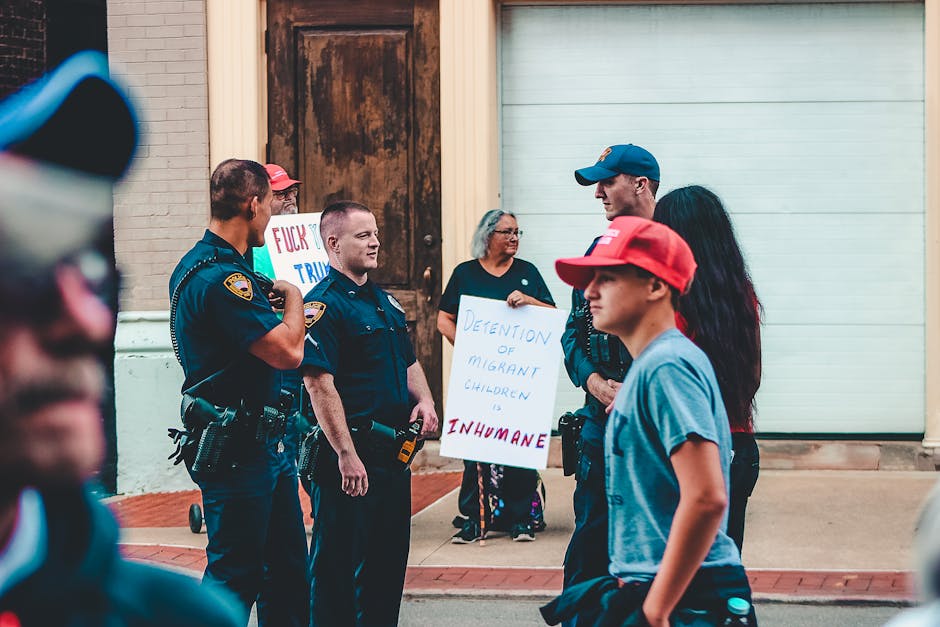
Community reactions and advocacy efforts have been swift and diverse. Immigrant rights organizations, religious leaders, and concerned citizens have mobilized to offer support to those affected, provide legal assistance, and call for greater accountability from law enforcement. Protests and demonstrations have been organized, highlighting the human rights concerns and demanding an end to what they perceive as discriminatory enforcement practices. These advocacy efforts aim to shed light on the lived realities of migrants, challenge the narratives that often demonize them, and push for policy reforms that are more humane and just. The calls for reform range from demands for increased transparency in immigration enforcement to advocating for pathways to legal status for long-term residents who contribute to society. The organizing power of these groups plays a crucial role in shaping public opinion and influencing policy decisions.
The long-term consequences of the Adams County raid will depend on a variety of factors, including the outcomes of any legal challenges, the effectiveness of ongoing advocacy efforts, and the willingness of authorities to engage in a constructive dialogue with affected communities. The incident serves as a stark reminder of the complex and often contentious nature of immigration policy and enforcement. It underscores the need for approaches that balance public safety concerns with the protection of fundamental human rights and the promotion of social cohesion. The debate over immigration is multifaceted, encompassing economic, social, legal, and ethical dimensions. The Adams County raid has brought these tensions to the forefront, demanding a thoughtful and comprehensive response. Moving forward, there will be a critical need to address the underlying issues that contribute to the presence of undocumented individuals, while also ensuring that enforcement actions are conducted with due process, respect for human dignity, and a commitment to justice for all members of the community. The effectiveness of future immigration enforcement strategies will likely hinge on the lessons learned from incidents like this, and the ability to foster a more inclusive and equitable society. The ongoing discourse following this raid will undoubtedly shape future immigration policies and practices, not just in Adams County, but potentially across the nation, as it raises fundamental questions about the kind of society we aspire to be.
