
World War Ii Munitions Los Angeles
World War II Munitions Los Angeles: A Pivotal Role in American Victory
The sprawling metropolis of Los Angeles, often synonymous with entertainment and sunshine, played an indispensable yet often overlooked role in the production of munitions during World War II. While its glamorous image dominated headlines, the industrial heart of Southern California beat with the rhythm of wartime production, churning out a staggering quantity of explosives, ammunition, and ordnance that fueled Allied efforts across the globe. This massive undertaking transformed the region, drawing in a workforce from across the nation and establishing a legacy of industrial might that would shape the city’s future.
The impetus for Los Angeles’s munition production boom was the escalating global conflict and America’s eventual entry into World War II following the attack on Pearl Harbor in December 1941. Prior to the war, California’s industrial base was relatively modest compared to established manufacturing centers in the East and Midwest. However, its strategic location on the Pacific coast, coupled with a burgeoning aerospace industry, made it an increasingly vital hub for defense manufacturing. As the war intensified, the demand for weapons and ammunition surged, prompting a rapid and comprehensive mobilization of industrial capacity. Los Angeles, with its access to raw materials, a growing labor pool, and the inherent advantages of its climate and location, became a prime candidate for this expansion.
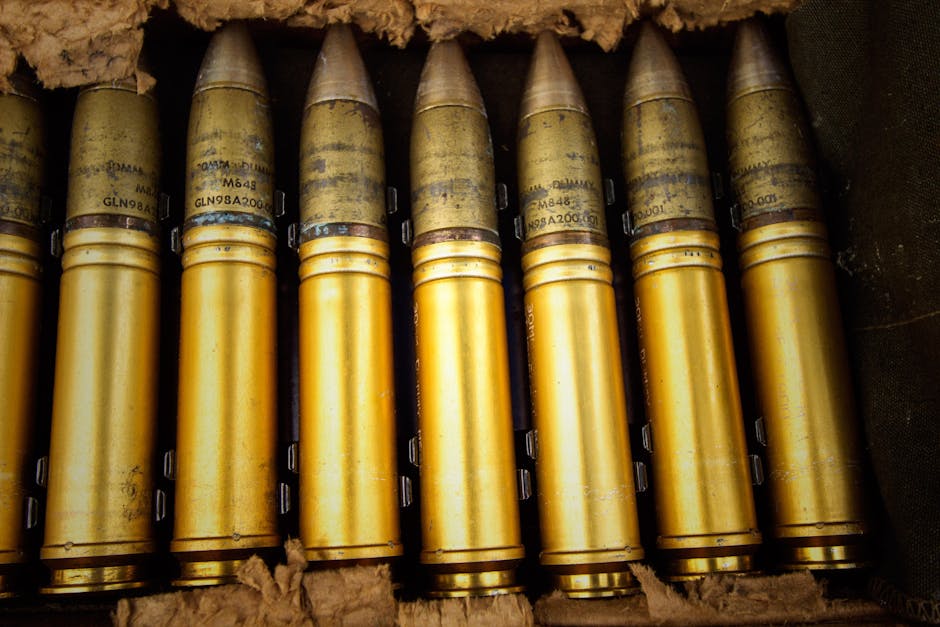
The transformation was dramatic. Existing factories retooled, and entirely new facilities were constructed at an unprecedented pace. The scale of production was monumental. Los Angeles-based manufacturers, both large corporations and smaller subcontractors, were responsible for a significant percentage of the nation’s output of critical war materials. This included everything from small arms ammunition like .45 caliber pistol rounds and .30 caliber rifle cartridges to larger caliber artillery shells, anti-aircraft rounds, and even components for naval mines and torpedoes. The sheer volume required to sustain a global conflict of this magnitude necessitated a highly organized and efficient production system, which Los Angeles industries, with their innovative spirit and adaptability, were able to deliver.
Several key companies and government-operated facilities were instrumental in this munition production. The United States Cartridge Company, a major player, established significant operations in the region. Likewise, the Olin Corporation, another formidable entity in ammunition manufacturing, contributed substantially. Beyond these dedicated munitions producers, numerous other industries found themselves deeply intertwined with the war effort. Aerospace giants like Lockheed, North American Aviation, and Douglas, while primarily focused on aircraft production, also played roles in manufacturing weapon systems and their associated ammunition. The intricate supply chains involved in aircraft assembly meant that components and even completed munitions were often produced in close proximity, fostering a synergistic relationship between different sectors of the defense industry.
The geographic spread of these facilities across Southern California was also notable. While some were located within the city limits of Los Angeles, many were situated in surrounding areas that were experiencing rapid growth and industrialization. Areas like Burbank, Inglewood, and Long Beach became synonymous with wartime manufacturing. The sheer scale of operations often required vast tracts of land, leading to the development of sprawling complexes that would later be repurposed for civilian use. These factories operated around the clock, seven days a week, fueled by the urgent need to equip Allied forces.
The workforce that powered this industrial juggernaut was as diverse as the city itself. Millions of individuals, many of them women and minority groups who had previously been excluded from many industrial jobs, were drawn into the defense sector. The iconic image of the "Rosie the Riveter" archetype, while often associated with aircraft production, was equally applicable to the women who worked in the often dangerous and demanding environments of ammunition factories. They operated machinery, assembled components, and performed quality control, all while their male counterparts were serving overseas. This period marked a significant shift in gender roles in the American workforce and left a lasting impact on the social fabric of Los Angeles.
The types of munitions produced were incredibly varied, reflecting the diverse theaters of war and the evolving nature of combat. Small arms ammunition was the bedrock of infantry operations, and Los Angeles factories produced billions of rounds to equip soldiers, sailors, and Marines. The demand for .45 caliber pistols, a standard sidearm for many American service members, meant a constant output of accompanying ammunition. Similarly, the ubiquitous M1 Garand rifle and its .30 caliber ammunition were vital for ground troops.
Beyond small arms, the production of artillery shells was a massive undertaking. These projectiles, ranging in caliber from light field artillery to heavy naval guns, required intricate manufacturing processes involving high-precision machining and the careful handling of volatile explosives. Anti-aircraft ammunition was also crucial, particularly on the West Coast, which feared potential Japanese attacks. The specialized nature of these rounds, designed to explode in the air and shower a target with shrapnel, demanded sophisticated manufacturing techniques.
Furthermore, Los Angeles industries contributed to the production of more specialized ordnance. This could include components for aerial bombs, fragmentation grenades, and even sophisticated items like naval mines designed to disrupt enemy shipping. The development and production of proximity fuzes, a revolutionary technology that detonated shells when they came close to their target, also saw contributions from researchers and manufacturers in the Los Angeles area. These fuzes significantly improved the effectiveness of artillery and anti-aircraft fire, saving countless Allied lives.
The manufacturing of explosives themselves was a critical and inherently dangerous aspect of munition production. Companies specialized in the synthesis and processing of materials like TNT (trinitrotoluene), smokeless powder, and other propellants. These operations were often conducted in remote or purpose-built facilities to mitigate the risks associated with handling highly volatile substances. Stringent safety protocols were in place, but accidents, though thankfully not widespread given the scale of operations, were an ever-present concern.
The economic impact of World War II munition production on Los Angeles was transformative. The influx of government contracts and the massive expansion of industrial infrastructure created an unprecedented boom in employment and economic activity. The city’s population surged as workers migrated from other parts of the country seeking employment in its booming defense industries. This demographic shift reshaped the cultural landscape of Los Angeles, bringing new communities and diverse perspectives. The wartime expansion also laid the groundwork for the post-war economic prosperity of Southern California, solidifying its position as a major industrial and technological center.
The legacy of World War II munition production in Los Angeles is multifaceted. While the factories themselves have largely been dismantled or repurposed, the impact of this era on the region’s infrastructure, workforce, and economic development is undeniable. The skills and expertise developed during the war in areas like precision manufacturing, engineering, and logistics laid the foundation for the continued growth of industries in aerospace, technology, and beyond. The experience also instilled a sense of national pride and shared purpose, a collective memory of a time when Los Angeles played a vital role in defending democracy.
However, the war effort also left its scars. The environmental impact of industrial production, including the potential for soil and water contamination from the handling of chemicals and explosives, remains a concern in some former industrial areas. The social implications of wartime labor, including the lasting impact of the integration of women and minorities into the industrial workforce, are also a crucial part of the historical narrative. The demand for raw materials also placed a strain on resources, highlighting the interconnectedness of industrial production and environmental sustainability.
The strategic importance of Los Angeles as a munition production hub extended beyond its manufacturing capacity. Its proximity to the Pacific Ocean made it a crucial staging point for supplies and troops destined for the Pacific theater. The ports of Los Angeles and Long Beach, already significant commercial hubs, became vital military installations, processing and shipping vast quantities of munitions to support campaigns in the Pacific. The efficient flow of these materials was paramount to the success of operations against Japan.
In conclusion, the role of Los Angeles in World War II munition production was a critical, though often overshadowed, chapter in American history. The tireless efforts of its industrial workforce and the innovation of its manufacturers were instrumental in supplying the Allied forces with the weapons and ammunition necessary to achieve victory. The legacy of this era continues to shape the economic, social, and even environmental landscape of Southern California, serving as a powerful reminder of the profound impact that wartime necessity can have on even the most unexpected of places. The industrial prowess forged in the crucible of World War II solidified Los Angeles’s position not just as a cultural icon, but as a vital engine of American power.
