
Israel Reserve Soldiers Gaza
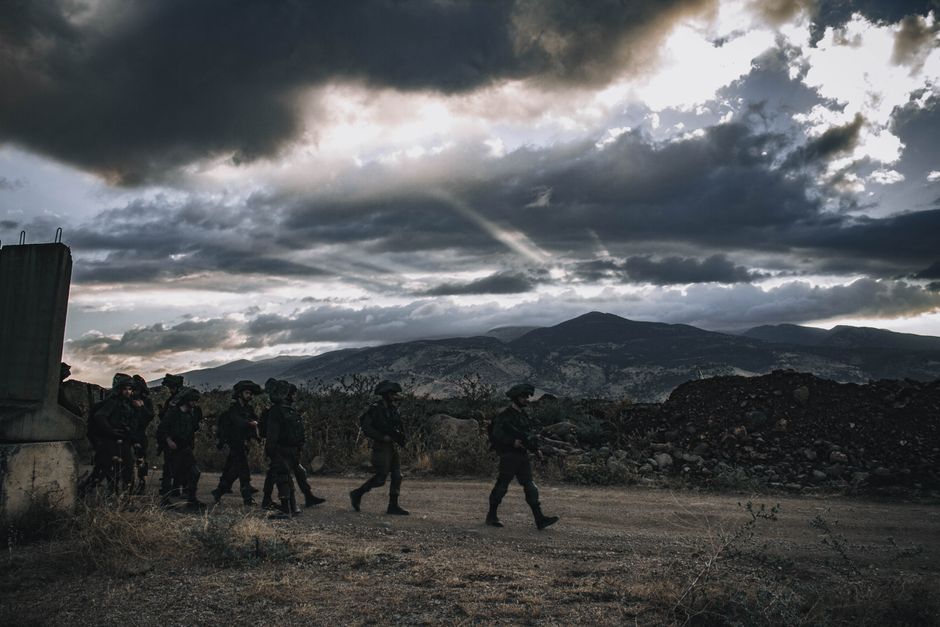
Israel Reserve Soldiers in Gaza: A Comprehensive Overview of Their Role, Impact, and Challenges
The deployment of Israel Defense Forces (IDF) reserve soldiers in the Gaza Strip, particularly during periods of heightened conflict, represents a critical and multifaceted aspect of the nation’s security apparatus. These citizen-soldiers, drawn from civilian life with diverse professional backgrounds, are integral to the IDF’s operational capacity, stepping into combat roles to augment regular forces and meet the demands of prolonged engagements. Their presence in Gaza is not merely a temporary measure; it reflects a strategic necessity driven by the unique challenges posed by the densely populated urban environment, the nature of the adversary, and the imperative to sustain prolonged military operations. Understanding the role of reserve soldiers requires a deep dive into their motivations, training, the specific challenges they face on the ground, their impact on the operational objectives, and the broader societal and personal implications of their service.
The mobilization of reservists for operations in Gaza is a testament to Israel’s national security doctrine, which relies on a large, well-trained reserve force to provide flexibility and depth to its military. Unlike standing armies in many other nations, the IDF’s operational readiness hinges significantly on its ability to swiftly call up reservists when required. This system allows the military to scale up its forces rapidly to address significant threats without maintaining an excessively large standing army, thus optimizing resource allocation and national manpower. For operations in Gaza, known for its complex subterranean infrastructure and urban combat scenarios, the demand for personnel is often substantial, making reservists indispensable. They fill critical roles across various combat and support units, including infantry, armored corps, artillery, logistics, intelligence, and medical services. Their diverse civilian skills, such as engineering, IT, and medical expertise, are often transferable and highly valuable within a military context, further enhancing the IDF’s operational capabilities.
The training and preparation of reserve soldiers for Gaza operations are rigorous, aiming to bridge the gap between their civilian lives and the demands of modern warfare. While many reservists have prior active-duty experience, ongoing training is crucial to maintain combat readiness and familiarize them with the latest tactics, equipment, and specific operational environments like those encountered in Gaza. This training typically involves intensive field exercises, simulations, and weapons proficiency courses. For operations in urban warfare environments, specific training focuses on navigating complex built-up areas, dealing with improvised explosive devices (IEDs), counter-insurgency tactics, and engaging in close-quarters combat. The IDF invests considerable resources in ensuring that reservists are as prepared as possible to confront the unique challenges of fighting an enemy embedded within a civilian population, where distinguishing combatants from non-combatants is a constant and ethically fraught endeavor.
The operational environment in Gaza presents a unique set of challenges for all IDF personnel, but reservists, in particular, face distinct hurdles. Their integration into active combat units requires rapid adaptation to the intensity and sustained nature of operations. Unlike active-duty soldiers who are in a constant state of military readiness, reservists must often transition abruptly from civilian employment, family responsibilities, and everyday life to the harsh realities of a conflict zone. This transition can be psychologically demanding, as they are thrust into high-stress situations with immediate life-or-death consequences. The physical demands of operating in Gaza’s extreme climate, often while carrying heavy equipment and navigating treacherous terrain, also take a significant toll. Furthermore, the constant threat from Hamas and other militant groups, utilizing tunnels, ambushes, and rocket fire, creates a pervasive sense of danger and requires unwavering vigilance.
The psychological impact of serving in Gaza is profound and can manifest in various ways for reserve soldiers. Exposure to combat, the loss of comrades, and the witnessing of destruction and civilian suffering can lead to significant stress, anxiety, and post-traumatic stress disorder (PTSD). Reservists, often with established families and careers, may find it particularly difficult to reintegrate into civilian life after experiencing such trauma. The civilian public, while generally supportive of IDF efforts, may not fully comprehend the psychological burden carried by reservists. The IDF offers psychological support and mental health services, but the long-term effects of combat exposure on reservists remain a critical area of concern and ongoing research. The societal understanding and support for reservists’ mental well-being are crucial for their successful reintegration and overall recovery.
The tactical and strategic impact of reserve soldiers on IDF operations in Gaza is undeniable. Their substantial numbers allow the IDF to sustain prolonged operations, conduct complex maneuvers, and maintain a significant presence across the operational area. Reserve units often form the backbone of offensive operations, securing captured territory, clearing buildings, and engaging enemy combatants. Their roles extend beyond direct combat; reservists are vital in logistical support, manning checkpoints, providing medical aid, and intelligence gathering. Without the reserve force, the IDF would struggle to project the sustained military power necessary to achieve its objectives in a conflict as protracted and demanding as those experienced in Gaza. Their commitment allows the IDF to adapt to changing battlefield conditions and maintain operational momentum.
Beyond the immediate operational context, the involvement of reserve soldiers in Gaza has broader societal and economic implications for Israel. The mobilization of a significant portion of the male population, often within prime working years, can disrupt businesses, impact the national economy, and place additional burdens on families. Employers are mandated to provide leave for reservists, and many businesses face productivity losses. This reliance on reservists highlights a societal compact where citizens are expected to contribute to national defense when called upon. The continuous calls for reserve duty can strain family relationships, as spouses and children must adapt to prolonged absences. Public discourse often grapples with the balance between national security needs and the economic and social costs associated with this reserve system.
The ethical considerations surrounding the actions of IDF reserve soldiers in Gaza are complex and often subject to international scrutiny. Operating in a densely populated urban environment, where civilian casualties are an ever-present risk, places an immense ethical burden on every soldier. The IDF adheres to international humanitarian law, but the fog of war, the nature of asymmetrical conflict, and the deliberate embedding of military infrastructure within civilian areas by groups like Hamas create challenging scenarios for the application of these laws. Reserve soldiers, like their active-duty counterparts, are trained in the rules of engagement and the principles of distinction, proportionality, and precaution. However, the intense pressure of combat, the fear for one’s own life, and the potential for enemy deception can lead to difficult split-second decisions with profound ethical implications. Investigations into alleged misconduct are conducted, aiming to uphold accountability and adherence to international standards.
The future role of reserve soldiers in Gaza operations will likely continue to be shaped by evolving geopolitical dynamics, technological advancements, and the ongoing nature of the Israeli-Palestinian conflict. As the IDF modernizes its forces, the integration of advanced technologies, artificial intelligence, and unmanned systems may alter the composition and roles of reserve units. However, the fundamental need for a flexible and scalable reserve force to augment active-duty personnel in complex and prolonged operations is likely to persist. Future training methodologies may also adapt to incorporate more sophisticated simulation technologies to prepare reservists for the intricate challenges of urban warfare. Furthermore, continued attention to the mental health and well-being of reservists, as well as the societal and economic support structures for their families and employers, will be critical to sustaining this vital component of Israel’s national security. The commitment and sacrifice of these citizen-soldiers remain a cornerstone of Israel’s defense strategy, underscoring the profound connection between Israeli society and its armed forces.
