Eleventh Circuit Rules Spirit Airlines Must Remit $2.84 Million in Unused Security Fees to the Transportation Security Administration

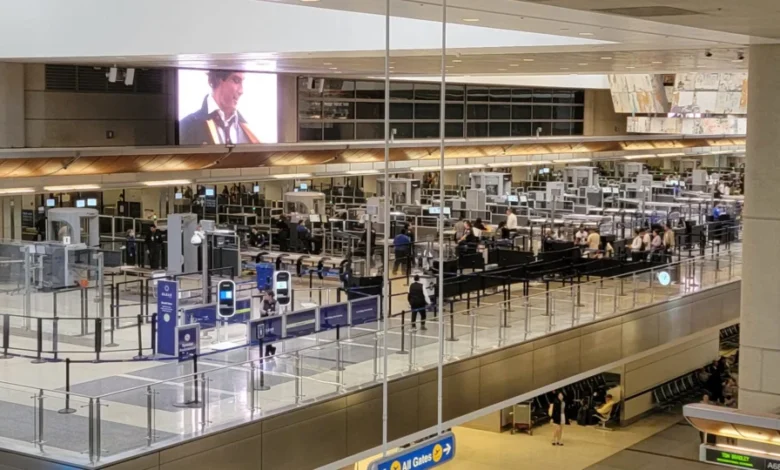
In a significant legal victory for federal regulatory oversight, the U.S. Court of Appeals for the Eleventh Circuit has ruled that Spirit Airlines must remit $2.84 million in security fees collected from passengers who ultimately never traveled. The decision centers on the interpretation of federal law regarding the "September 11 Security Fee," a mandatory charge applied to commercial airline tickets to fund the Transportation Security Administration (TSA). The court’s ruling establishes a firm precedent that once these fees are collected by an air carrier, they become payable to the federal government, regardless of whether the ticket holder completes their journey or allows their travel credits to expire.
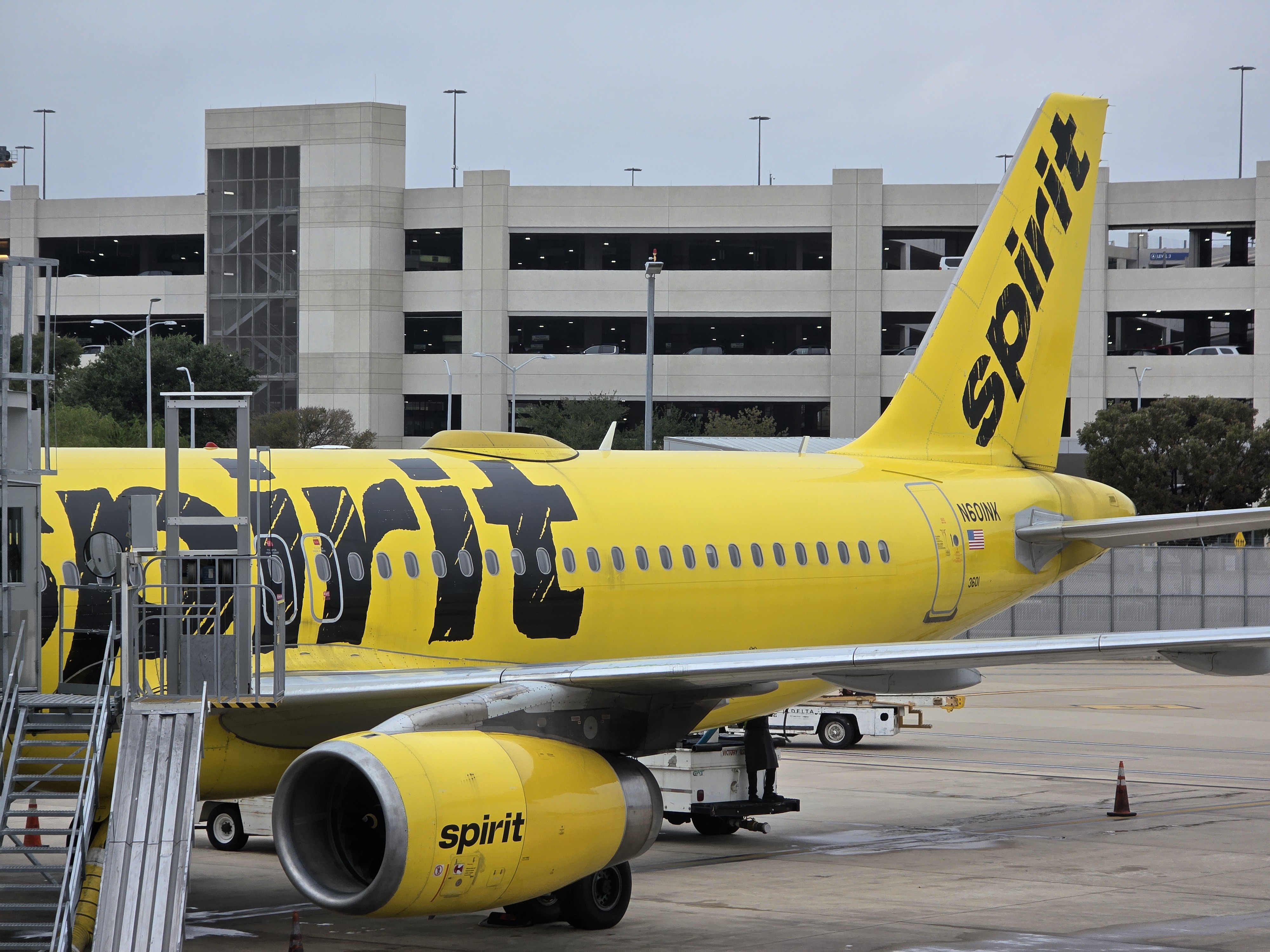
The dispute arose following a TSA audit of Spirit Airlines’ financial records, which revealed that the carrier had retained millions of dollars in security fees associated with tickets that were cancelled or went unused. Under Spirit’s corporate policy at the time, travel credits often carried a short expiration window—sometimes as brief as 60 days. When these credits expired without being redeemed, Spirit retained the full value of the transaction, including the $5.60 per-one-way security fee that is legally mandated to be collected at the time of purchase.
The Legal Framework of Aviation Security Fees
To understand the court’s decision, one must look at the statutory origin of the security fee. Following the terrorist attacks of September 11, 2001, Congress passed the Aviation and Transportation Security Act (ATSA), which created the TSA and authorized the imposition of a "Uniform Security Service Fee." Under 49 U.S.C. § 44940, this fee is intended to offset the costs of providing civil aviation security services.
Airlines act as the primary collection agents for the federal government in this regard. When a consumer purchases a ticket, the airline is required to add the security fee to the total price. Currently, the fee is set at $5.60 per one-way trip for any flight originating at a U.S. airport. Per federal regulations, airlines are required to remit these collected funds to the TSA by the end of the month following the month in which they were collected.
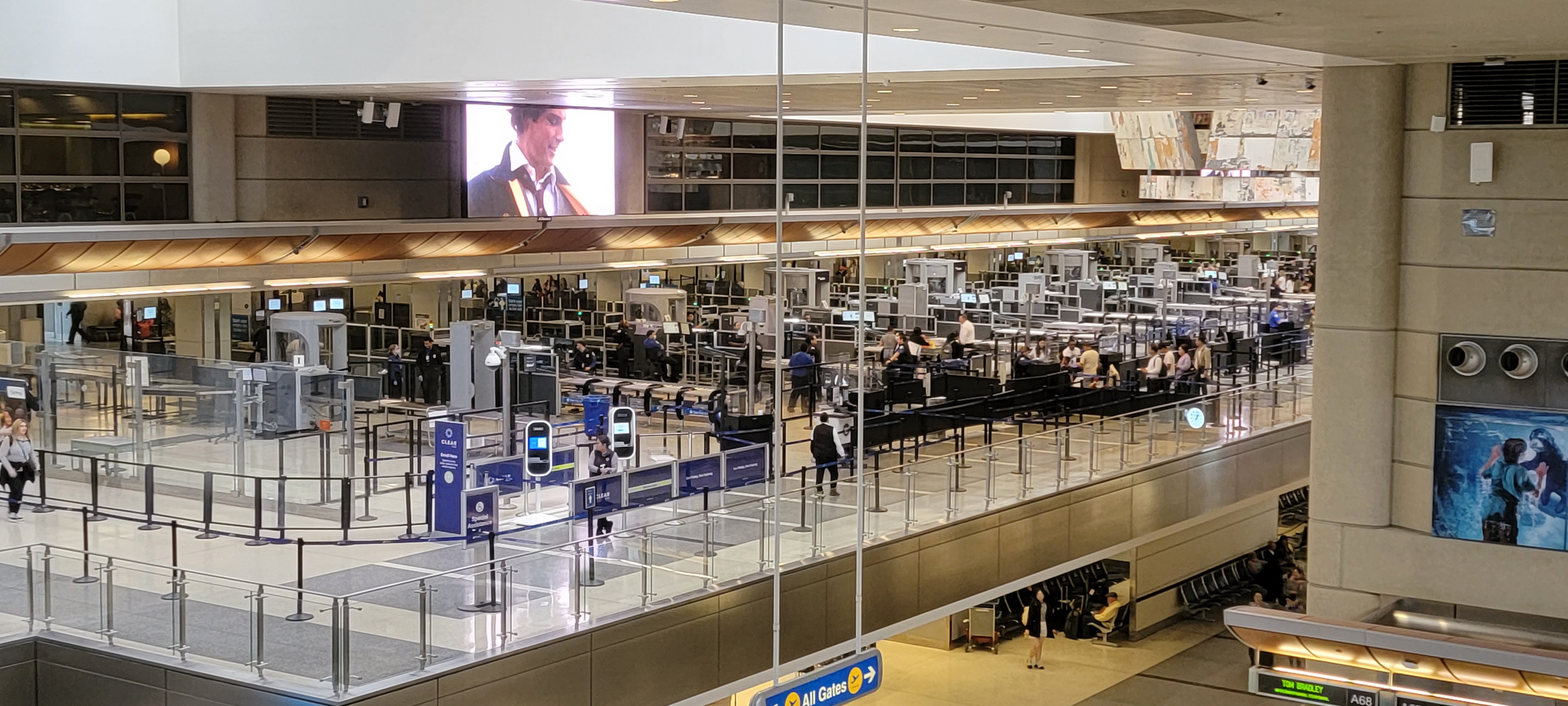
The central point of contention in Spirit Airlines v. TSA was whether the airline had the right to keep those funds if the "security service" (the flight) never actually took place. Spirit argued that the fee is only "owed" to the government if a person becomes a "passenger" by actually boarding a plane. The Eleventh Circuit, however, took a broader view of the statutory language, focusing on the act of collection rather than the act of boarding.
Spirit Airlines’ Defense and the Court’s Interpretation
Spirit Airlines presented two primary arguments in its defense. First, the carrier contended that the statutory language of 49 U.S.C. § 44940 specifies that the fee is "imposed on passengers." Spirit’s legal team argued that an individual who buys a ticket but never flies is, by definition, not a passenger. Therefore, if no passenger exists, no fee is legally imposed, and the money collected remains the property of the airline as part of the forfeited ticket value.
Second, Spirit argued that the TSA’s enforcement of this rule constituted a violation of due process. The airline claimed that the agency had failed to provide clear, prior notice of its interpretation that fees on expired credits must be remitted. Spirit asserted that the TSA was essentially "changing the rules of the game" during an audit, enforcing a policy that had not been formally codified through traditional notice-and-comment rulemaking.
The Eleventh Circuit was unpersuaded by these arguments. While the judges agreed that the term "passenger" generally refers to a person who travels, they noted that the statute makes a critical distinction between fees being "imposed" and "amounts collected." Section (g) of the statute specifically allows the TSA to refund amounts that were paid by mistake or in excess of what was required. The court interpreted this provision as evidence that Congress anticipated scenarios where airlines would collect and remit fees that might not ultimately be owed by a traveler. In such cases, the law grants the TSA—not the airline—the discretion to determine whether a refund is appropriate.
Furthermore, the court addressed the due process claim by pointing to historical guidance. As early as 2002, shortly after the fee was established, the TSA issued industry guidance stating that if a ticket expires or loses its value, the security fee must either be returned to the customer or remitted to the agency. This guidance was reaffirmed in 2020. The court noted that as a sophisticated participant in a heavily regulated industry, Spirit Airlines had a responsibility to be aware of these requirements. The ruling emphasized that the statutory default rule requires the remittance of all collected amounts, and Spirit should have operated under that assumption.
Chronology of the Regulatory Dispute
The conflict between the TSA and the airline industry regarding unused fees has been brewing for over two decades, but it reached a boiling point following recent aggressive auditing by the Department of Homeland Security.
- November 2001: Congress passes the ATSA, authorizing the security fee.
- February 2002: The TSA begins collecting the fee and issues initial guidance to carriers regarding remittance procedures for unused tickets.
- 2014: The fee structure is simplified to a flat $5.60 per one-way trip, increasing the total volume of funds collected annually.
- 2020: The TSA issues updated guidance to the aviation industry, explicitly stating that fees collected for non-refundable tickets that expire must be remitted to the government.
- 2022–2023: The TSA conducts audits of several major and ultra-low-cost carriers, including Spirit and Southwest Airlines, identifying millions in unremitted fees.
- April 2024: Spirit Airlines petitions the Eleventh Circuit for review after the TSA assesses a $2.84 million liability.
- Present: The Eleventh Circuit affirms the TSA’s position, ordering Spirit to pay the assessed amount.
Broader Industry Implications and the Southwest Airlines Case
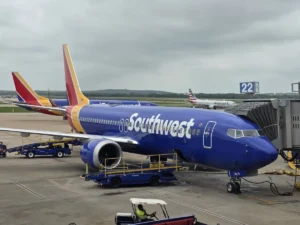
While the $2.84 million judgment against Spirit Airlines is a significant financial hit for the carrier, it is a precursor to a much larger legal battle involving Southwest Airlines. Southwest is currently litigating a nearly identical issue in the Fifth Circuit Court of Appeals, but the stakes are substantially higher: the TSA is seeking $48 million from the Dallas-based carrier.
The Southwest case has gained attention due to the different judicial climate of the Fifth Circuit and the sheer scale of the disputed funds. During oral arguments in the Southwest case, the proceedings took an unusual turn when one of the judges reportedly laughed at the TSA’s legal position. The judge questioned the logic of the TSA demanding that airlines refund passengers or remit the money to the government, while simultaneously admitting that the TSA itself lacks a mechanism to efficiently refund millions of individual passengers for unused fees.
The Eleventh Circuit’s ruling in the Spirit case creates a "persuasive roadmap" that the Fifth Circuit may or may not follow. If the Fifth Circuit reaches a different conclusion—ruling that airlines are entitled to keep the fees from expired credits—it would create a "circuit split." Such a conflict between two federal appellate courts is a primary trigger for the U.S. Supreme Court to intervene and provide a final, nationwide resolution.
Fact-Based Analysis of the Financial Impact
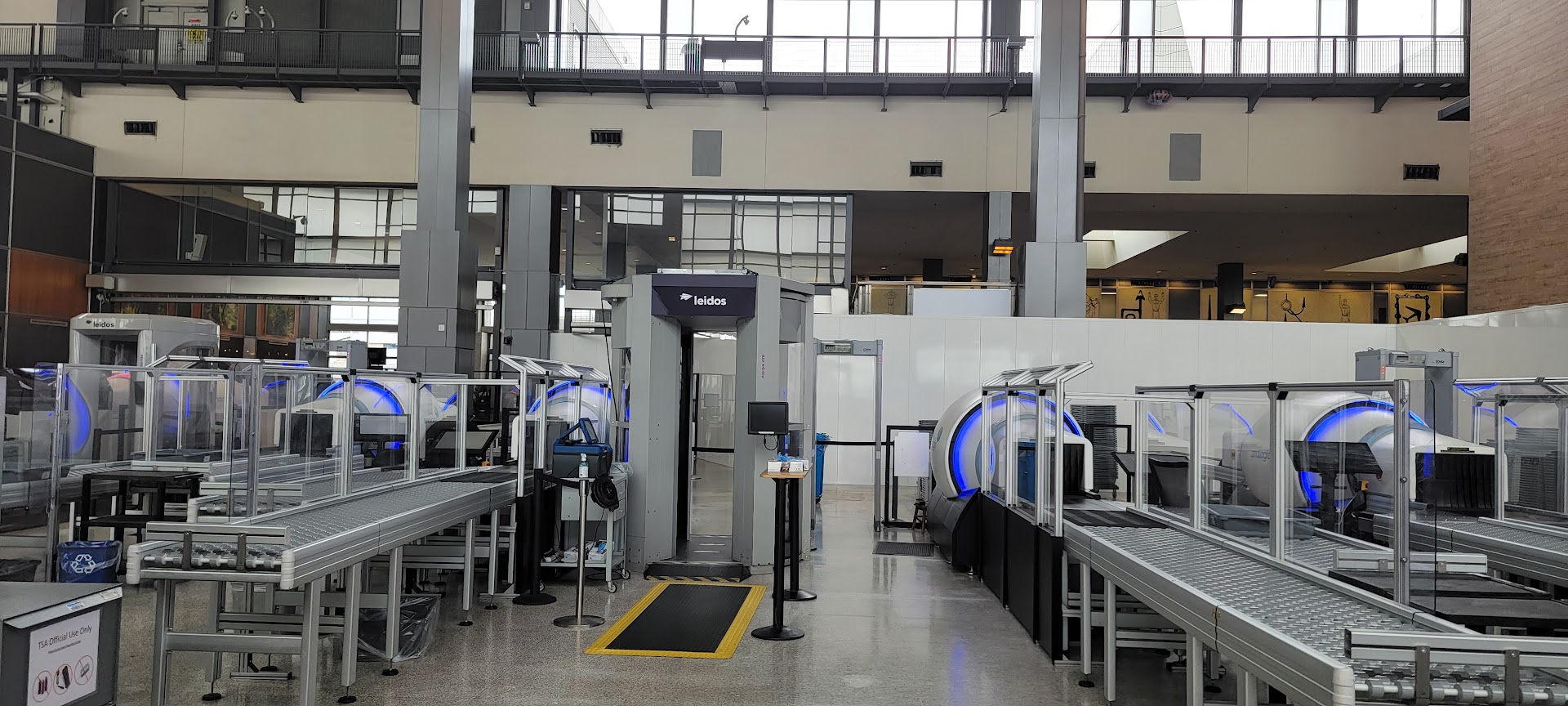
For the TSA, these court victories are essential for maintaining the integrity of its funding model. The "September 11 Security Fee" generates billions of dollars annually, which covers roughly one-third of the TSA’s total operating budget. If airlines were permitted to retain fees from unused tickets, it could result in a significant shortfall for the agency, potentially requiring Congress to increase the fee on active travelers or allocate more taxpayer money from the general fund.
For the airline industry, the ruling represents a closing of a lucrative loophole. Ultra-low-cost carriers (ULCCs) like Spirit rely heavily on ancillary revenue and strict expiration policies for travel credits. By retaining the security fee on expired credits, airlines were essentially profiting from a federal tax.
Data from the Bureau of Transportation Statistics suggests that ticket cancellations and unredeemed credits rose significantly during the COVID-19 pandemic. While many airlines moved toward "no expiration" policies for credits in 2022 and 2023 to appease consumers and regulators, billions of dollars in older credits remained on the books. The TSA’s move to claw back the security fees associated with these credits is a clear signal that the government views these funds as public money from the moment of collection.
Reactions and Potential Outcomes
Industry analysts suggest that this ruling may prompt airlines to change how they handle expired credits. If an airline knows it must hand over the $5.60 fee to the TSA regardless of whether the passenger flies, the carrier may be more inclined to offer a refund of the fee portion to the consumer to build goodwill, rather than letting it go to the government. However, most airline ticketing systems are not currently configured to split and refund only the tax portion of an expired non-refundable credit.
Legal experts also point out that the court’s emphasis on "remittance by the end of the next month" reinforces the idea that airlines are merely temporary custodians of federal funds. The Eleventh Circuit’s decision makes it clear that the airline’s internal policy regarding the expiration of a travel credit does not override its statutory obligation to the federal treasury.
As the industry awaits the decision from the Fifth Circuit regarding Southwest Airlines, the Spirit ruling stands as a stern warning to the aviation sector. The federal government has signaled its intent to be more aggressive in auditing the flow of security fees, ensuring that the money intended to protect the skies ends up in the hands of the agency tasked with doing so. For Spirit Airlines, the $2.84 million serves as a costly lesson in the complexities of federal administrative law and the limits of corporate revenue retention strategies.