Houston Rockets vs. Philadelphia 76ers Preview: Standings Collide With Underlying Metrics in Saturday Night Showdown

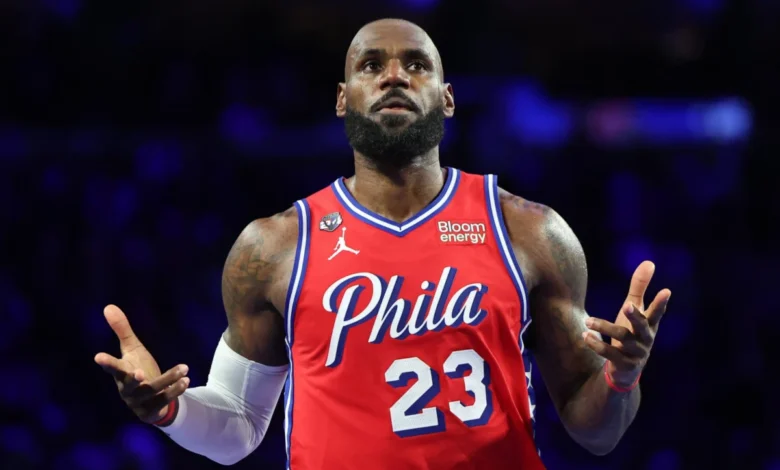
The National Basketball Association landscape heading into late November presents a fascinating dichotomy between traditional win-loss records and advanced analytical performance metrics. Saturday’s marquee matchup at the Toyota Center between the Houston Rockets and the Philadelphia 76ers serves as a prime case study in this professional basketball evaluation. On paper, the contest features two of the premier franchises in the league, boasting impressive records that place them near the upper echelon of their respective conferences. However, a deeper dive into the numbers, recent scheduling anomalies, and mounting injury reports suggests that the surface-level standings may obscure a significant disparity in team potency.
As the regular season approaches the quarter-pole, the 76ers have captured the attention of basketball observers by accumulating a stellar 15-4 record entering the weekend. Yet, this formidable record has been forged largely on the margins. Philadelphia has mastered the art of executing in high-leverage, crunch-time situations, pulling out a series of narrow victories despite maintaining a modest point differential. Prior to Friday’s slate of games, the 76ers were outscoring their opponents by a mere two points per contest—a statistical indicator that often hints at regression for teams relying heavily on clutch-time variance rather than wire-to-wire dominance.
Conversely, the Houston Rockets have engineered their success through overwhelming statistical superiority. Entering the weekend, the Rockets boast an elite net rating of plus-8.4, positioning them firmly as the fifth-best team in the NBA by that comprehensive metric. Houston’s dominance has been particularly pronounced on their home court at the Toyota Center, where they have turned the venue into one of the most formidable environments in professional sports, dropping just a single game in front of their home fans all season.
Recent Form and Momentum Trends
The trajectory of both teams over the preceding ten days further illuminates the diverging paths of these two contenders. While Houston has maintained stability, allowing them to rest and prepare meticulously, Philadelphia has experienced turbulence. The 76ers have recently labored through a stretch of games against inferior competition, securing narrow, unconvincing victories over the Orlando Magic and the Milwaukee Bucks, while also suffering a troubling home loss to the Portland Trail Blazers.

These struggles against lower-tier opponents have exposed vulnerabilities in Philadelphia’s depth and execution. More critically, the team’s margin for error has evaporated due to a wave of physical ailments sidelining core contributors. The rigors of a grueling 82-game schedule are beginning to catch up to the Eastern Conference powerhouse, threatening to derail the momentum they built during the opening weeks of the campaign.
The Injury Crisis and Fatigue Factor
Health has emerged as the most pressing narrative surrounding Philadelphia as they prepare to cross paths with Houston. The 76ers’ medical staff faces a daunting challenge in managing a depleted rotation. Franchise centerpiece Joel Embiid has missed consecutive games due to an unspecified illness, depriving the team of its defensive anchor and primary offensive focal point. Compounding matters, wing standout Jaylen Brown sustained a hamstring strain during a hard-fought battle against the Miami Heat, leaving his availability for the upcoming road trip in serious jeopardy.
The scheduling matrix has done Philadelphia no favors either. Saturday night’s tilt represents the second leg of a physically taxing back-to-back set for the 76ers, following a high-stakes NBA Cup matchup against the Indiana Pacers in Indianapolis. Playing consecutive games on the road against elite competition is a formidable hurdle for any franchise; doing so while missing multiple All-Star caliber performers borders on a Herculean task.
In stark contrast, the Houston Rockets enter Saturday’s showdown operating at a distinct operational advantage. Houston has enjoyed a full three days of rest since their last outing on Wednesday, allowing head coach Ime Udoka and his staff to implement a comprehensive tactical game plan and keep their players physically fresh.
Tactical Matchups and Roster Construction

Even if Philadelphia manages to field a healthier-than-expected lineup on Saturday evening, the structural matchup heavily favors the home side. The Rockets are constructed around a foundation of immense size, length, and defensive physicality—traits that historically punish fatigued opponents.
Houston’s ability to pressure the perimeter while protecting the paint will test a Philadelphia offense that may be forced to rely on secondary options if Embiid and Brown are unable to suit up. The Rockets’ wing defenders are well-equipped to disrupt passing lanes and contest jump shots, a strategy that could stifle a 76ers team already prone to offensive stagnancy during late-game possessions. Furthermore, Houston’s rebounding prowess should allow them to control the tempo of the game, limiting Philadelphia’s transition opportunities and forcing the visitors to grind out possessions in the half-court against a set, elite defense.
Broader Implications for the NBA Season
As the 2026-27 NBA season unfolds, matchups like the one at the Toyota Center provide valuable data points for analysts, front offices, and observers attempting to separate legitimate championship contenders from early-season anomalies.
For Philadelphia, navigating this arduous stretch without key personnel will test the resilience and depth of a roster constructed with championship aspirations. The ability of the supporting cast to shoulder the burden during the absences of marquee players will dictate whether the 76ers can maintain their lofty position in the standings as the winter months approach.
For Houston, a victory on Saturday would reinforce the validity of their advanced metrics. By capitalizing on rest advantages, home-court dominance, and opponent vulnerabilities, the Rockets can cement their status not merely as a high-ranking team in the Western Conference standings, but as a genuine juggernaut capable of dominating elite competition across all facets of the game. As the opening tip-off approaches, the underlying numbers suggest that the gap between these two storied franchises may be far wider than their respective records indicate.
Related posts: