The American Thanksgiving holiday, traditionally observed on the fourth Thursday of November, serves as a significant cultural and economic milestone in the United States. While the holiday is rooted in historical narratives of colonial harvest festivals, its modern incarnation functions as a major domestic gathering point, characterized by high-volume travel, significant culinary output, and the formal commencement of the year-end retail shopping season. In 2026, households across the country navigated the logistical complexities of hosting, reflecting a broader trend of balancing traditional home-based gatherings with the increasing convenience of external hospitality options.
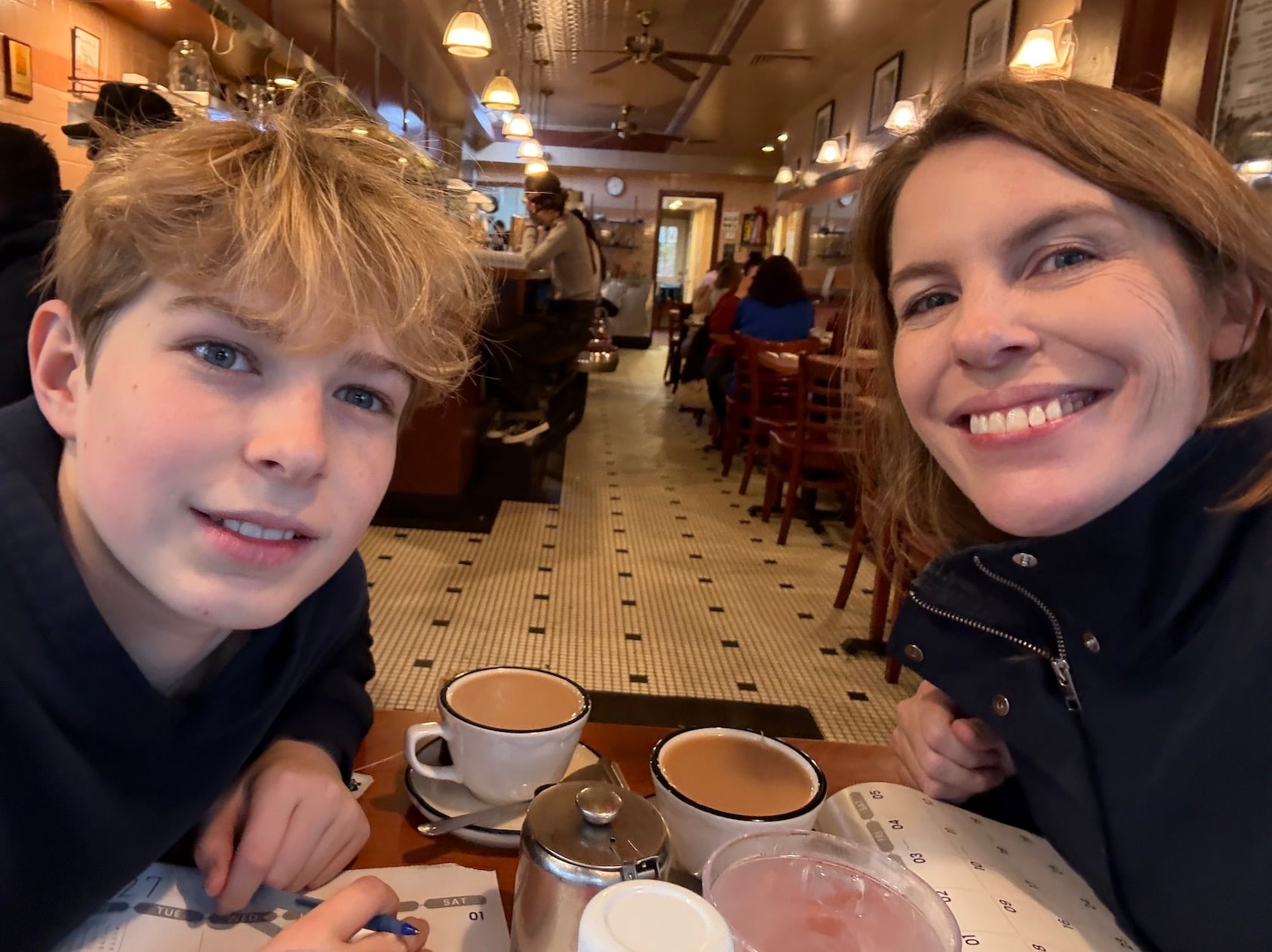
The Evolution of Holiday Hosting Dynamics
For many families, the planning process for Thanksgiving begins months in advance. Data from the National Retail Federation and various hospitality industry analysts suggest that while many families initially express interest in outsourcing the holiday meal to professional caterers or restaurants to reduce the labor burden, a significant majority ultimately revert to domestic hosting. This phenomenon is often attributed to the sentimental value placed on the "home kitchen" environment and the flexibility it provides for large, multi-generational groups.
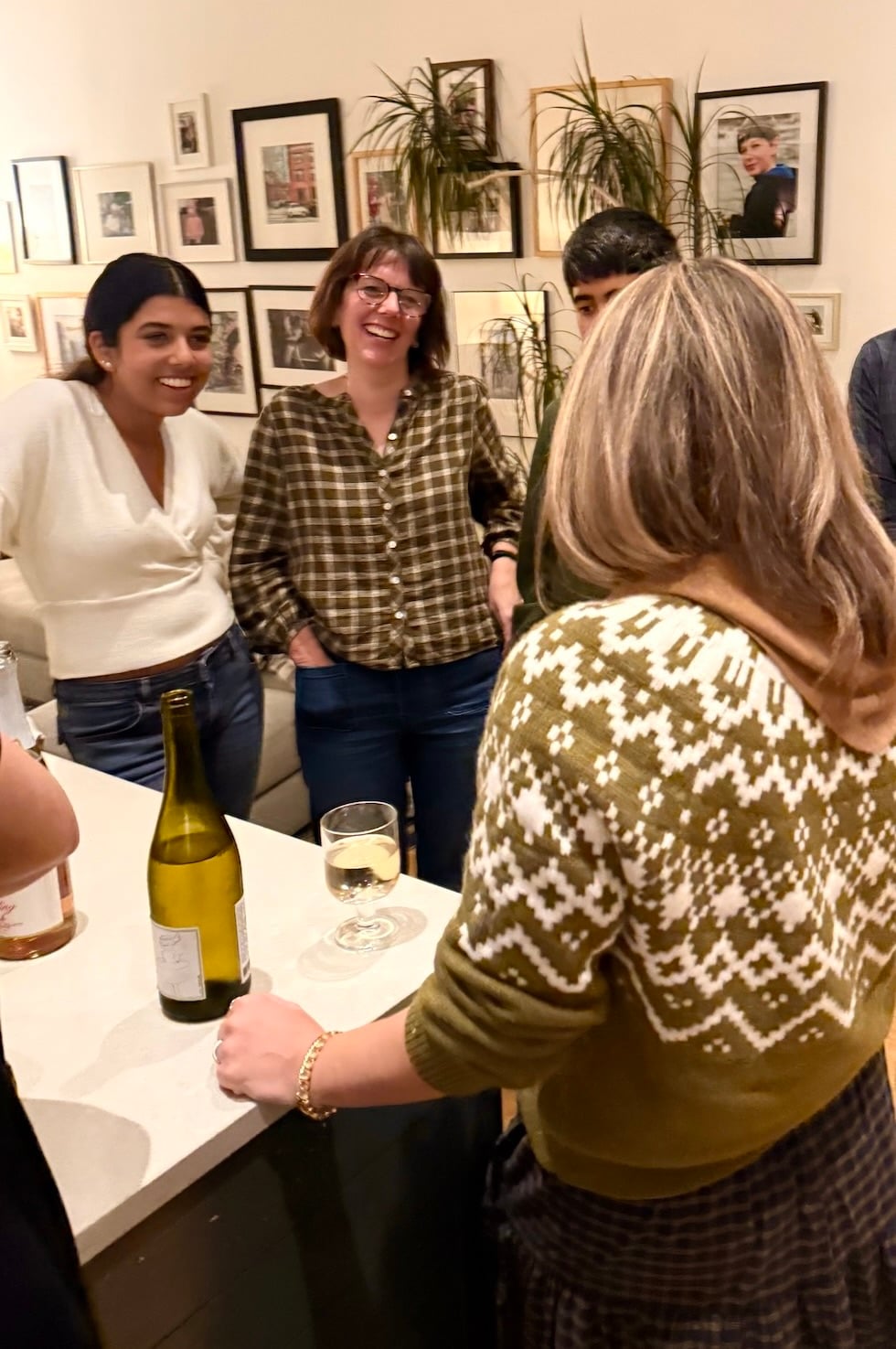
The transition from a proposed "restaurant Thanksgiving" to a home-hosted event—a narrative echoed by many households this November—illustrates a recurring theme in modern social planning. Despite the logistical intensity of hosting twenty or more guests, the domestic setting remains the preferred venue for American families, as it allows for the integration of regional culinary traditions and the accommodation of informal schedules that rigid restaurant reservations often lack.

Chronology of the 2026 Holiday Weekend
The Thanksgiving weekend in 2026 followed a predictable pattern of activity. By the morning of November 26th, households nationwide had shifted from the preparation phase—involving turkey roasting, side-dish coordination, and guest management—to the consumption phase.
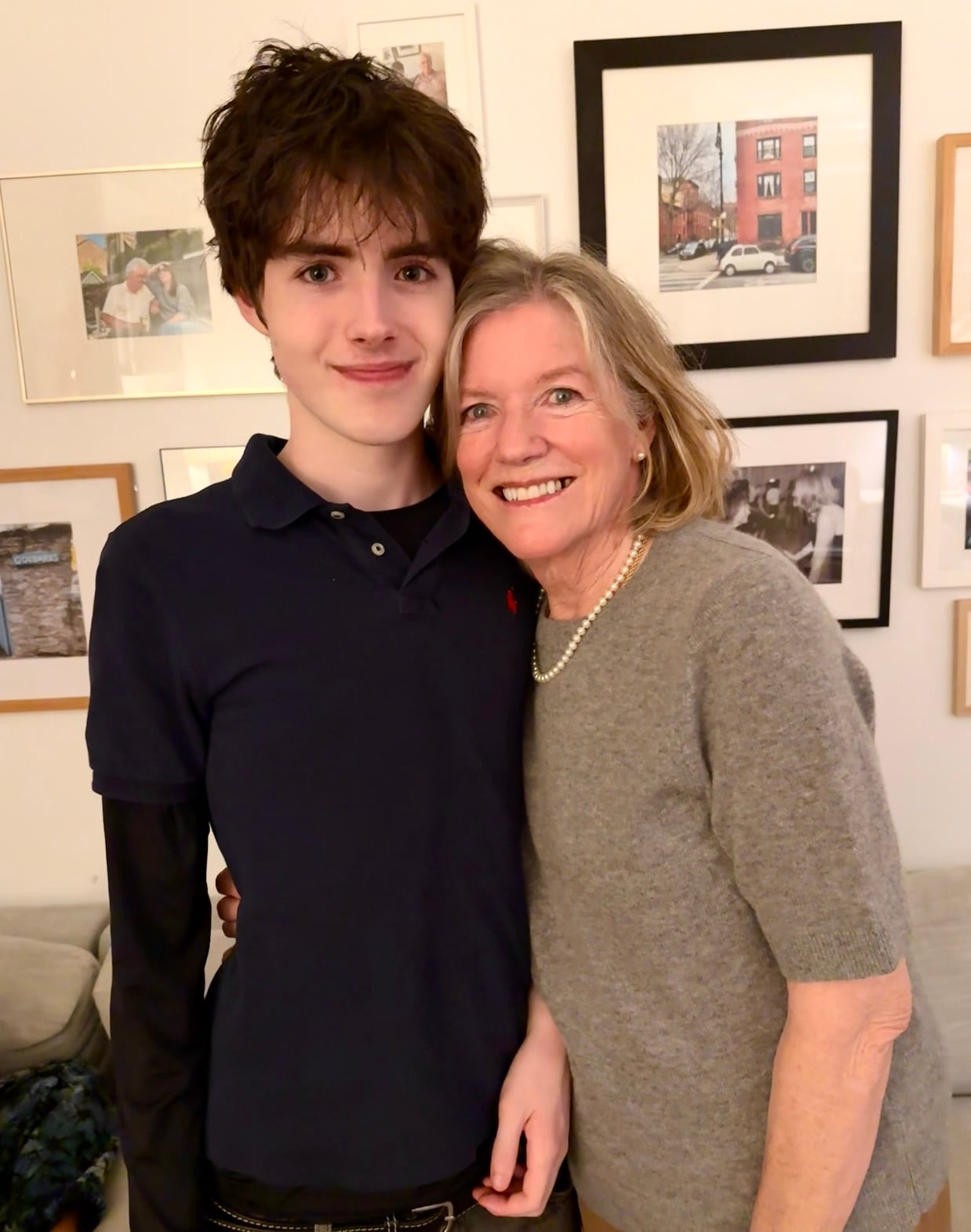
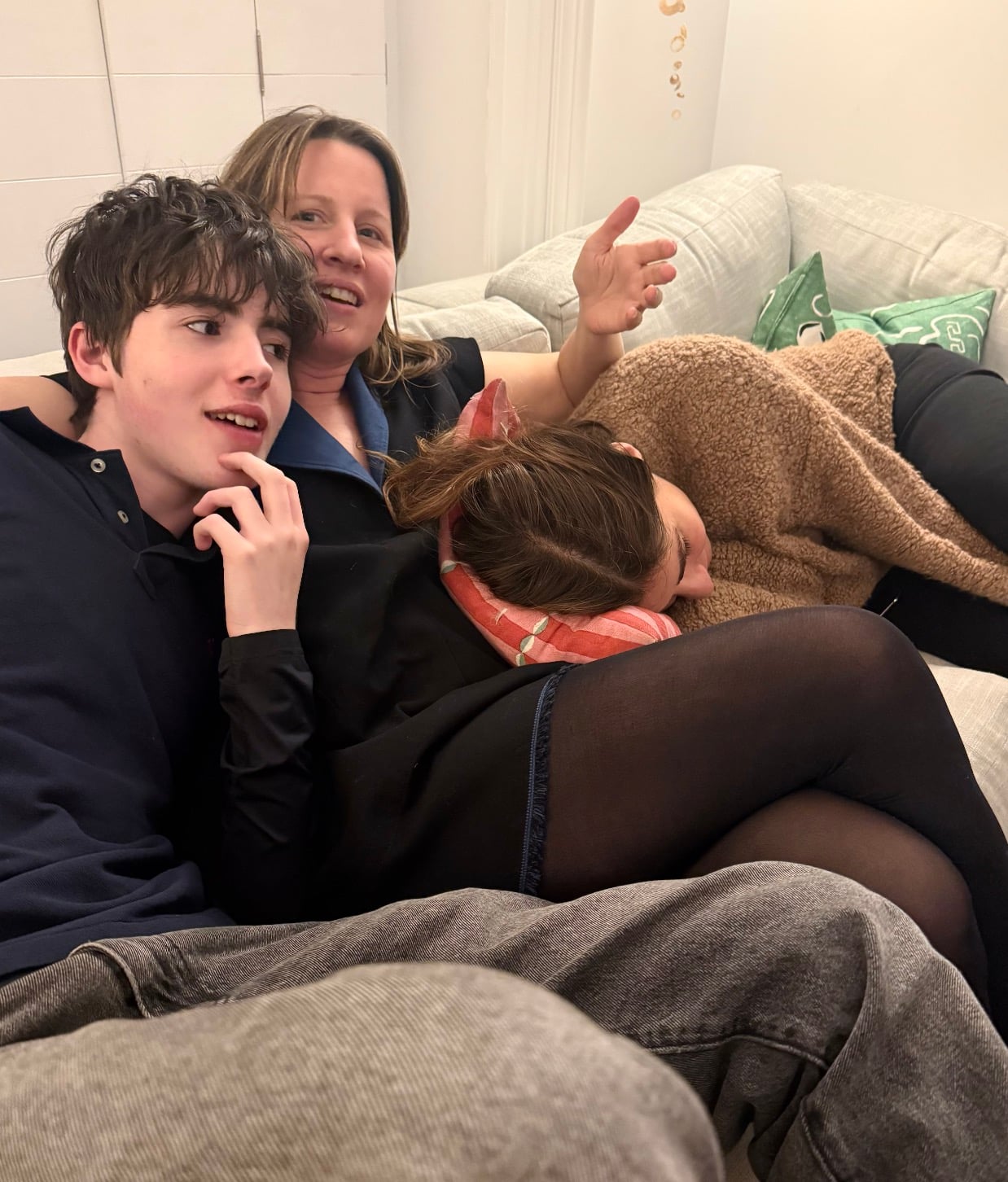
The social dynamics observed during these gatherings frequently mirror historical patterns of American domesticity. Children, often released from school for the week, engaged in traditional recreational activities, while adults prioritized social discourse. Observers of modern family dynamics note that the presence of multi-generational participants, including visiting relatives from overseas, necessitates a blend of organized activity and unstructured downtime. The inclusion of unconventional elements, such as the playing of thematic media or the presence of individuals acclimating to new time zones, highlights the informal nature of these private gatherings.
Economic Implications of the Post-Thanksgiving Retail Surge
The day following Thanksgiving, colloquially known as Black Friday, continues to exert a profound influence on the American retail sector. While the holiday is primarily social, the immediate transition to consumer activity is a calculated event in the national economy. In 2026, retail analysts noted a strategic shift in how consumers interact with promotional offers.
The current retail landscape is characterized by:
- The "Early Bird" Incentive: Major retailers, including Nordstrom, J.Crew, and Madewell, initiated aggressive pricing strategies to capture consumer interest before the traditional post-Thanksgiving peak.
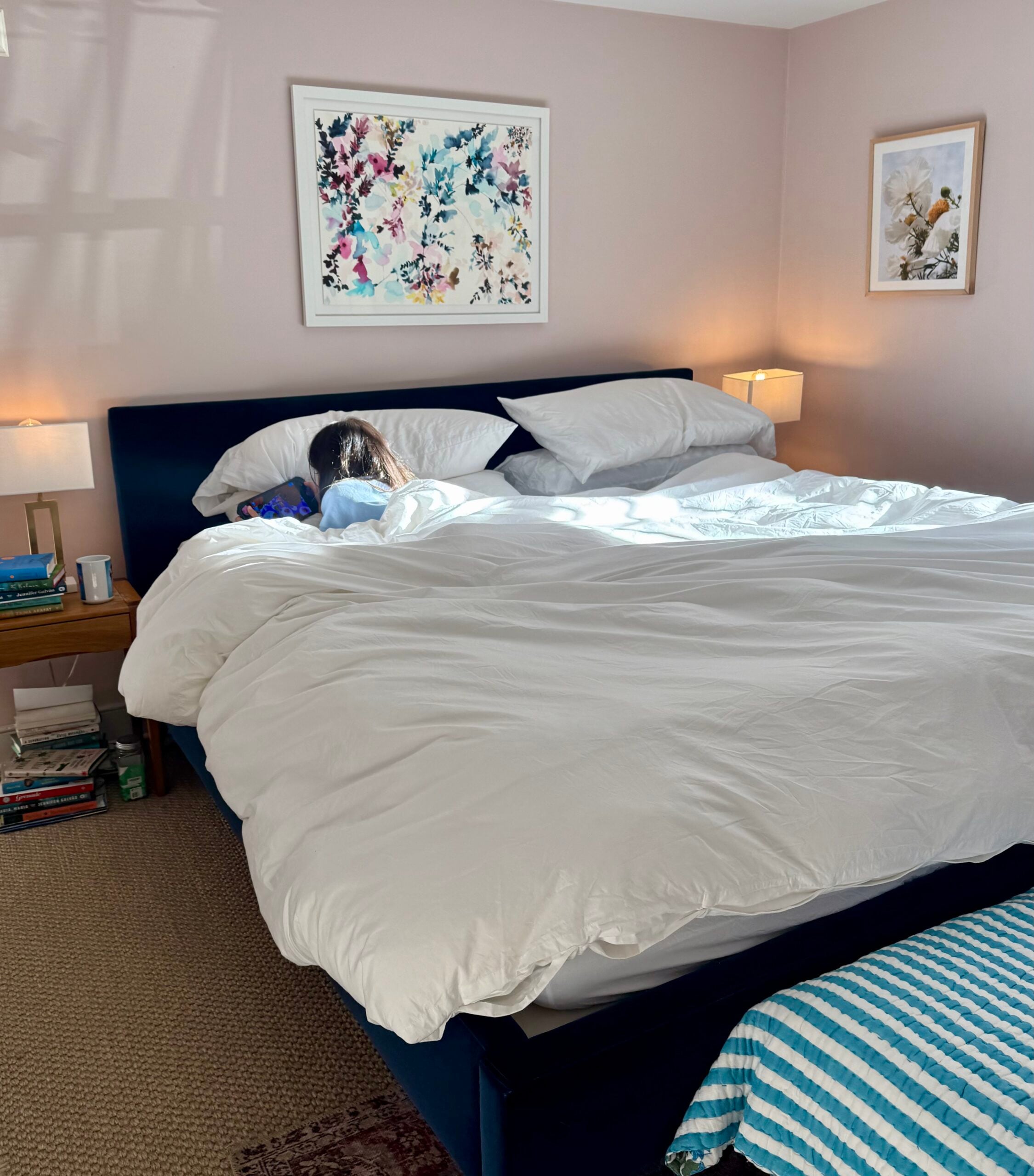
- Product Diversification: Beyond traditional apparel, there has been a marked increase in demand for home goods, including bedding, mattresses, and interior décor. This reflects a post-pandemic trend of investing in the quality of the domestic environment.
- Digital Integration: The rise of affiliate marketing and curated shopping guides has streamlined the consumer journey, allowing individuals to identify and purchase items—ranging from high-end silk garments to technical textile rugs—with increased efficiency.
Analysis of Retail Trends and Consumer Behavior
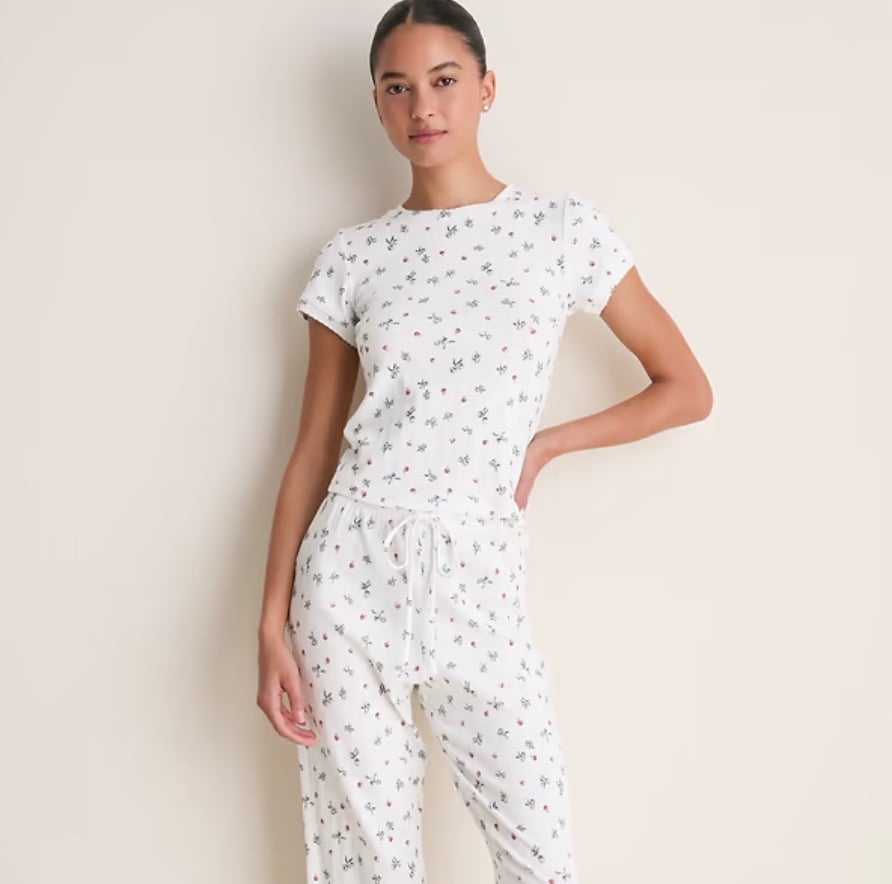
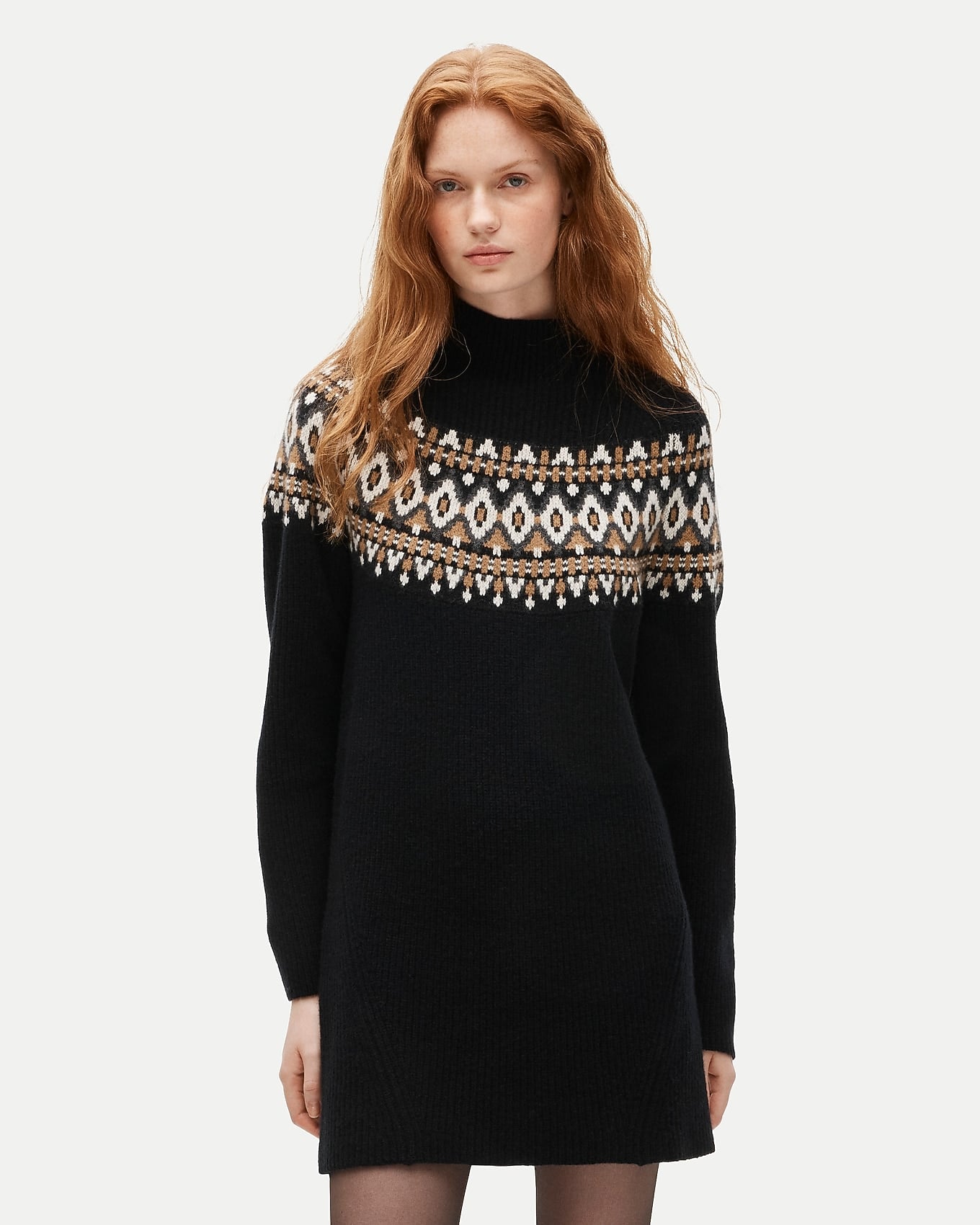
The retail activity observed this year suggests that consumers are increasingly discerning regarding brand loyalty and value propositions. For instance, brands that historically offer limited promotional events, such as Tuckernuck, saw heightened engagement when they finally released seasonal discounts. Similarly, the "leveling up" of mass-market brands like Madewell—which has successfully integrated 1970s-inspired silhouettes with modern textile technology—indicates a shift toward aesthetic continuity in fashion.
Furthermore, the integration of personalized goods, such as custom-framed digital photography via services like Framebridge, demonstrates a growing consumer preference for sentimental value in gift-giving. This move away from purely utilitarian consumption toward items that facilitate personal storytelling is a measurable trend in 2026.
Broader Impact on Domestic Life
The impact of the 2026 Thanksgiving holiday extends beyond the dinner table and the shopping cart. Sociologically, the event reinforces the importance of "communal labor," where the burden of hosting is distributed among guests through potluck-style contributions. This model not only alleviates the financial and physical pressure on the primary host but also fosters a sense of shared responsibility that is increasingly absent in highly commercialized versions of the holiday.
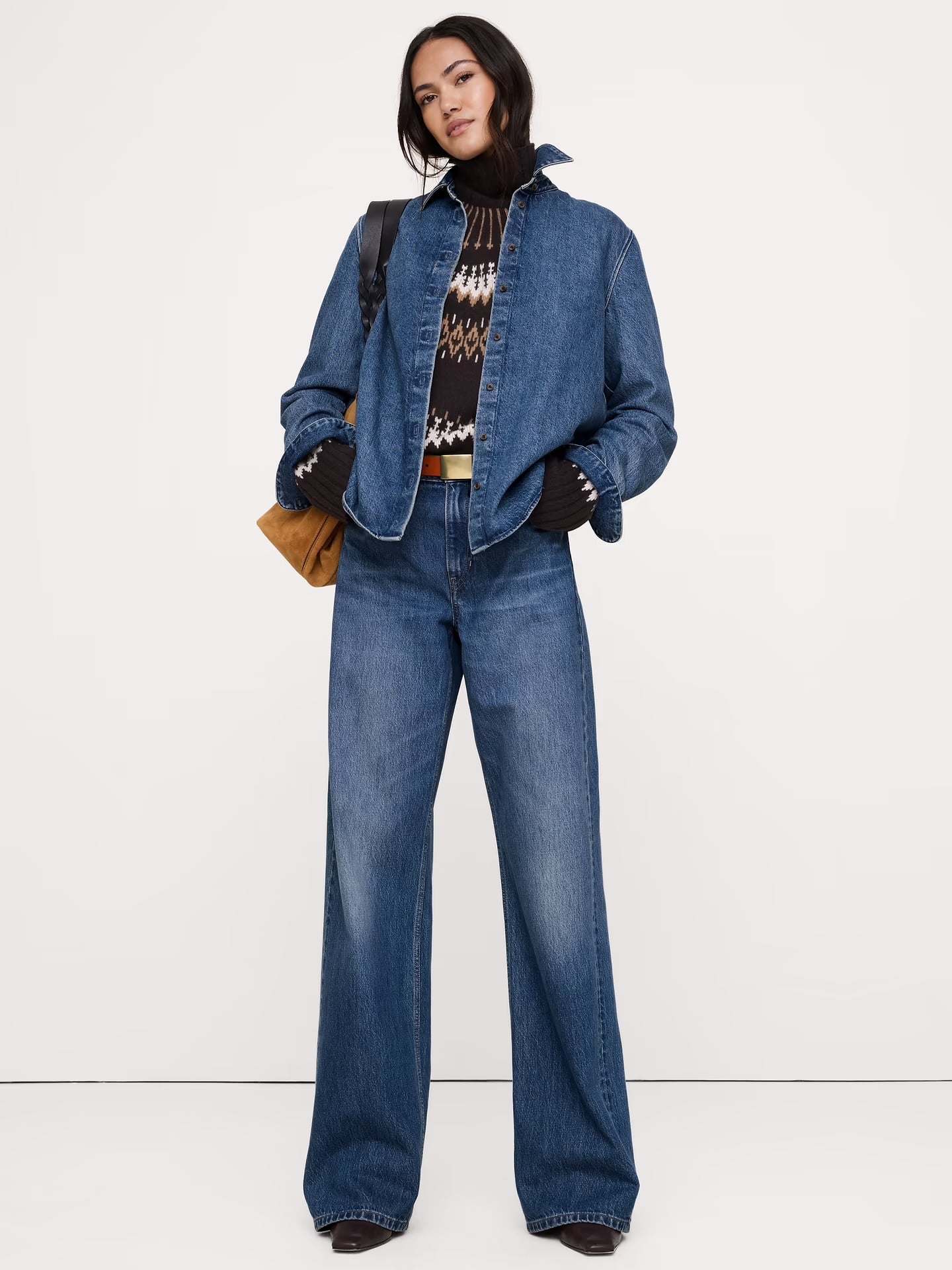
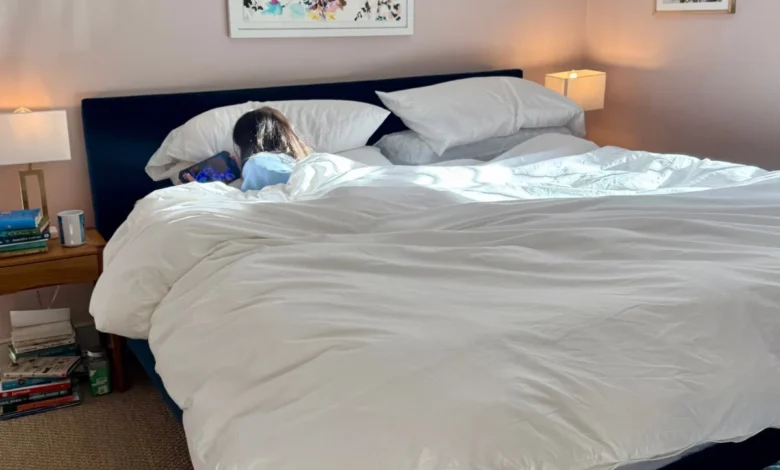
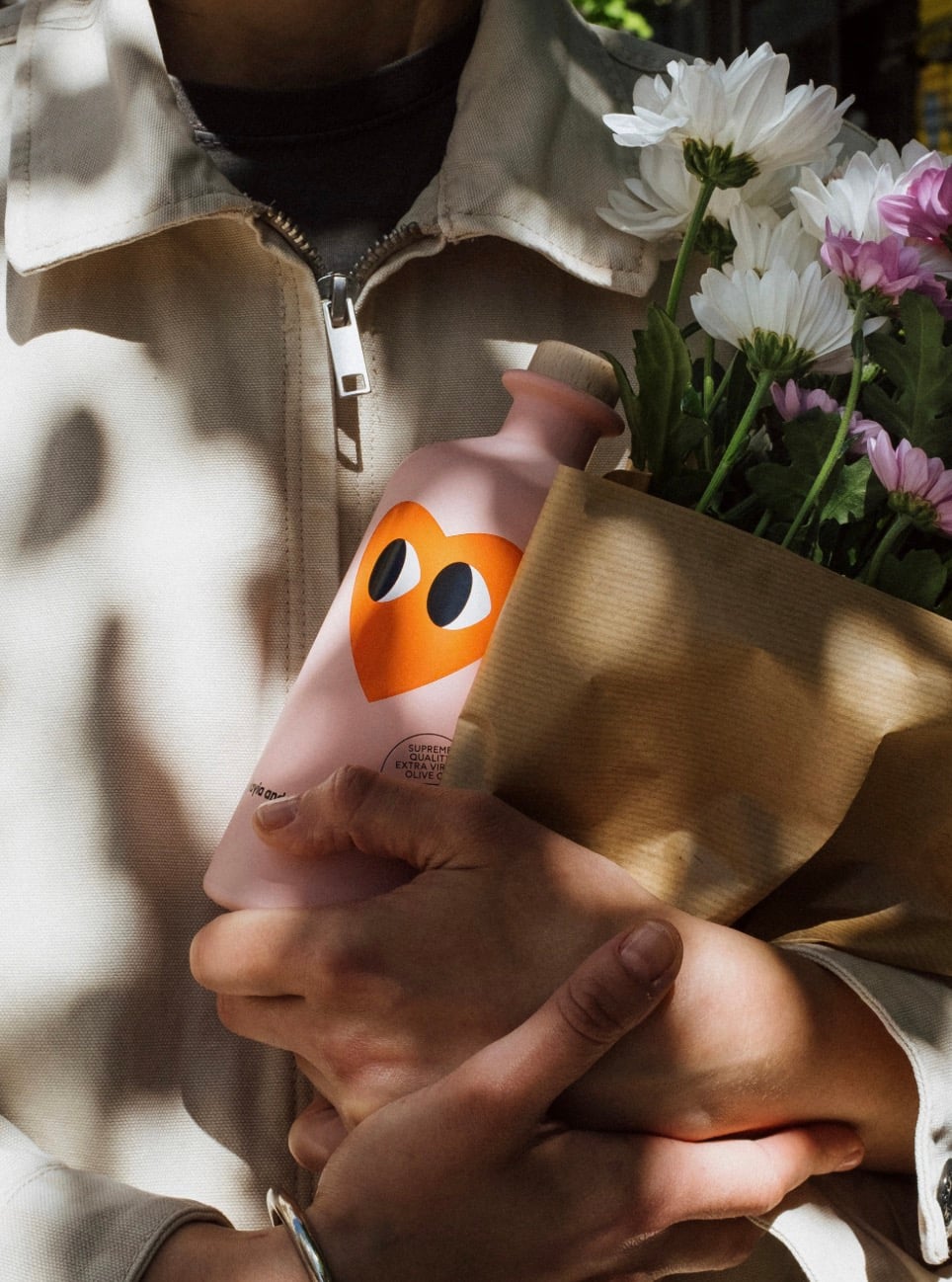
Furthermore, the reliance on high-quality home staples—such as premium mattresses and sheets—suggests that families are prioritizing long-term comfort over short-term trends. When retail outlets provide substantial discounts on these essential items, households are more likely to execute planned upgrades, providing a boost to the manufacturing and home-furnishing sectors.
Conclusion: The Persistence of Tradition
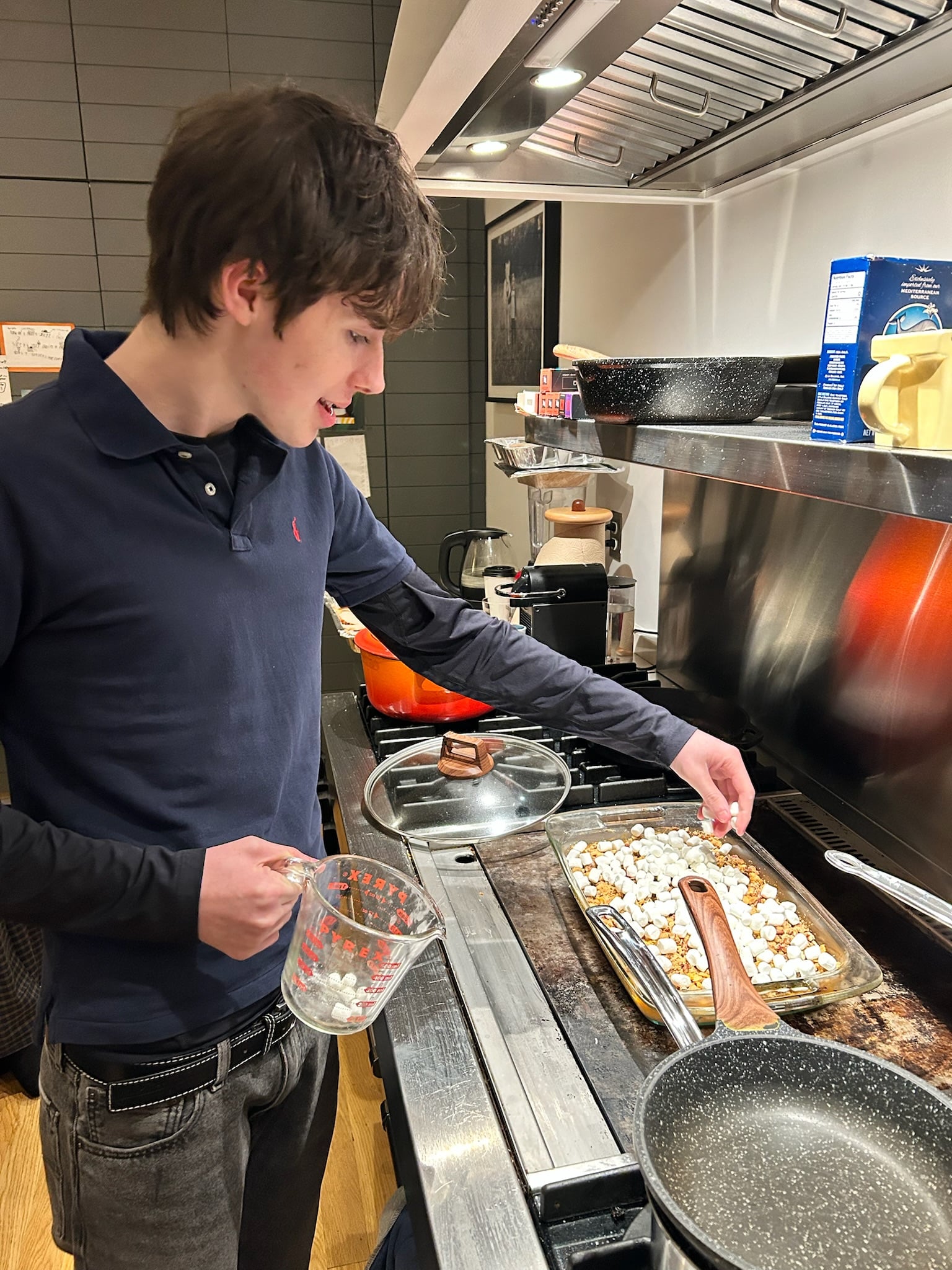
As the 2026 holiday season progresses, the dual nature of the Thanksgiving weekend remains clear: it is a time for the consolidation of family bonds and a critical period for economic circulation. Whether through the preparation of specific regional dishes like marshmallow-topped sweet potatoes or the careful navigation of retail sales for apparel and home goods, the holiday remains a cornerstone of American life.
The ability of households to adapt their plans—shifting from restaurant dining to the chaos and intimacy of a home-hosted meal—speaks to the resilience of the traditional Thanksgiving structure. As the nation looks toward the remaining winter holidays, the consumer and social patterns established during this weekend provide a reliable baseline for what to expect in the coming weeks of December. With retail activity projected to remain high as consumers finalize their end-of-year purchases, the interplay between domestic celebration and economic participation will undoubtedly continue to define the close of the 2026 calendar year.