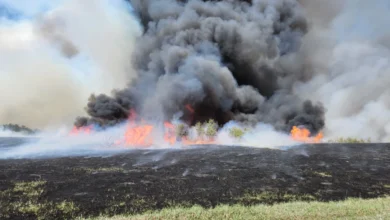
The Environmental Catastrophe in the Strait of Hormuz as the US-Iran War Devastates Marine Ecosystems

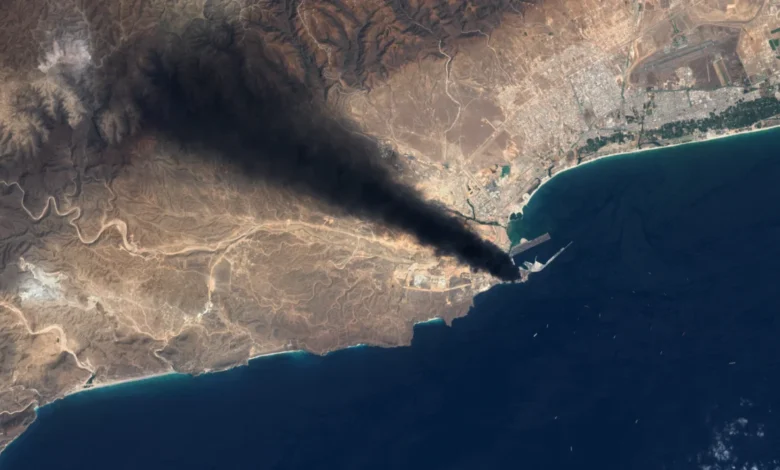
The Strait of Hormuz, a narrow maritime artery that facilitates the passage of approximately one-fifth of the world’s daily oil consumption, has been transformed into a theater of kinetic conflict. Eight months into the war between the United States and Iran, the strategic waterway is no longer defined merely by the tension of naval blockades and missile trajectories. It is now the epicenter of a sprawling environmental crisis, characterized by vast, persistent oil slicks that are clearly visible from orbital satellite imagery. As the conflict grinds on, the ecological cost to the Persian Gulf—a semi-enclosed sea already suffering from extreme thermal stress—has reached a critical threshold, threatening to inflict permanent damage on biodiversity that may persist for generations.
A Chronology of Escalation and Contamination
The current crisis began on February 28, 2026, marking the official onset of hostilities between the United States and Iranian forces. Since that date, the shipping lanes that connect the Gulf to the Arabian Sea have been subjected to a relentless campaign of naval strikes, mine warfare, and targeted aerial attacks.
Throughout the spring and summer, the frequency of these engagements increased, but it was in October 2026 that the situation deteriorated into an acute ecological disaster. According to data provided by the Washington Institute for Near East Policy, October saw a record-breaking surge with over 30 confirmed or reported attacks on vessels within the Strait and its immediate approaches.
The pattern of destruction is systemic. Greenpeace monitoring teams, relying on high-resolution satellite remote sensing, have identified more than 500 distinct instances of oil spills across the region. While some incidents are traceable to specific direct hits on tankers, others represent the cumulative seepage from damaged vessels left drifting in the wake of skirmishes. The scale is staggering: experts estimate the cumulative footprint of these slicks covers approximately 20,000 square kilometers, an area comparable to the total landmass of Wales.
Environmental Vulnerabilities in a Closed Basin
The Persian Gulf is uniquely susceptible to the long-term impacts of crude oil contamination. Unlike the open ocean, where currents and massive volumes of water can help dilute and disperse pollutants, the Gulf is relatively shallow, with a low flushing rate. Water residence times in the basin can span years, meaning that once contaminants enter the ecosystem, they are effectively trapped.

Marine biologist Bernhard Riegl, a veteran of Gulf ecological research at Nova Southeastern University, emphasizes that this conflict is occurring against the backdrop of the global climate crisis. The Gulf is already experiencing record-breaking ocean temperatures. "Because the Gulf is shallow, and summer is the least windy period of the year, atmospheric heat is rapidly translated into ocean heat," Riegl explains. This thermal stress kills off corals and algae, leaving the marine environment with zero resilience to chemical toxicity. When oil is introduced, it creates a "double-jeopardy" scenario where the heat prevents natural recovery and the crude oil physically smothers the remaining life.
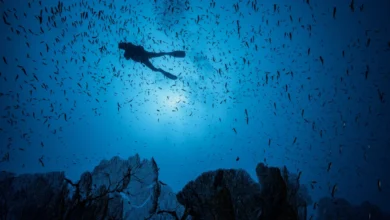
The biological stakes are profound. The region hosts extensive mangrove forests—critical for carbon sequestration and coastal protection—as well as vital seagrass meadows and coral reefs that serve as nurseries for countless fish species. Oil coating the roots of mangroves creates an anaerobic environment that effectively suffocates the trees, while tar residues settling on the seabed permanently alter the habitat for burrowing organisms like ghost crabs and sea turtles.
Documenting the Unseen: The Challenge of Data Collection
The ongoing naval blockade has rendered traditional, on-the-ground environmental monitoring nearly impossible. Scientists and regional NGOs have reported that they are being actively suppressed by local authorities, who view the disclosure of environmental damage as a liability in the broader information war.
Consequently, the international community is forced to rely on satellite-derived data. Imagery from October 19, for example, captured a catastrophic plume of black crude stretching over 21 miles from the supertanker Gem No 2 off the coast of the United Arab Emirates. Similarly, earlier in the year, an attack in June resulted in a single slick off the coast of Oman that encompassed over 230 square miles. These are not isolated incidents; they are part of a continuous, rolling series of spill events that have contaminated the waters near the Hara mangroves and the protected Shidvar Island, a critical nesting site for marine life.
The Complexity of Accountability and Response
Assigning legal and moral responsibility for the spills is a complex task. The Islamic Revolutionary Guard Corps (IRGC) has been linked to the majority of the attacks on tankers, often utilizing sea mines and fast-attack craft. Conversely, US naval forces, enforcing a strict blockade to interdict Iranian trade, have engaged and disabled vessels, leading to secondary spills.
Reports from the Wall Street Journal have further complicated the narrative, citing evidence that the UAE’s air force carried out a strike on oil storage tanks on Lavan Island, which resulted in a significant volume of crude being flushed directly into the Gulf. This lack of clear "ownership" of the pollution makes international legal recourse, such as claims under the International Convention on Civil Liability for Oil Pollution Damage, effectively unenforceable during active combat.

Some nations have attempted to mitigate the damage. The UAE launched cleanup operations following the Gem No 2 incident, closing public beaches and deploying boom systems to protect desalination plants—the primary source of potable water for the region. Similarly, in Oman, specialized dive teams and environmental crews have attempted to contain leaks and scrub coastal segments near the Hallaniyat Islands. However, these efforts are local and tactical, falling far short of the requirements to address a regional, basin-wide disaster.
The Generational Legacy of "Clean" Warfare
Historical precedent suggests that the damage being inflicted today will persist for decades. The Iran-Iraq War of the 1980s provides a grim roadmap for what the current generation of Gulf marine life faces. Studies conducted in 2020 and 2022 on the long-term impact of the 1983-85 Nowruz oil spills—which released roughly 80 million gallons of crude—found that sediment on Saudi Arabian beaches remains contaminated with thick, toxic tar deposits four decades later.
The implications for the regional economy are equally severe. Beyond the immediate destruction of fishing grounds and the threat to desalination infrastructure, the loss of biodiversity poses a long-term risk to food security for coastal populations. "Oil could remain trapped in sediments, shorelines, and mangrove roots long after the surface slicks disappear," notes Nina Noelle, an environmental expert with Greenpeace. "Mangroves and coral reefs can take decades to recover. When you have repeated, high-frequency spills like we are seeing in the Strait of Hormuz, you are essentially preventing the ecosystem from ever entering a recovery phase."
The consensus among marine biologists is clear: there is no such thing as a "clean war." While the geopolitical objectives of the United States and Iran are currently the focus of the international community, the silent, mounting cost of this conflict is being paid by the marine environment. The persistent destruction of these fragile habitats represents a generational loss—a permanent reconfiguration of the Persian Gulf’s ecological health that will outlast the current hostilities, the regional alliances, and potentially the political actors who initiated the conflict. As the war continues to unfold, the Strait of Hormuz serves as a sobering reminder that the environmental consequences of modern warfare are often irreversible, creating a legacy of toxicity that will burden the region for years to come.