Tourism Industry Demands Concrete Accountability as COP31 Climate Summit Approaches in Antalya

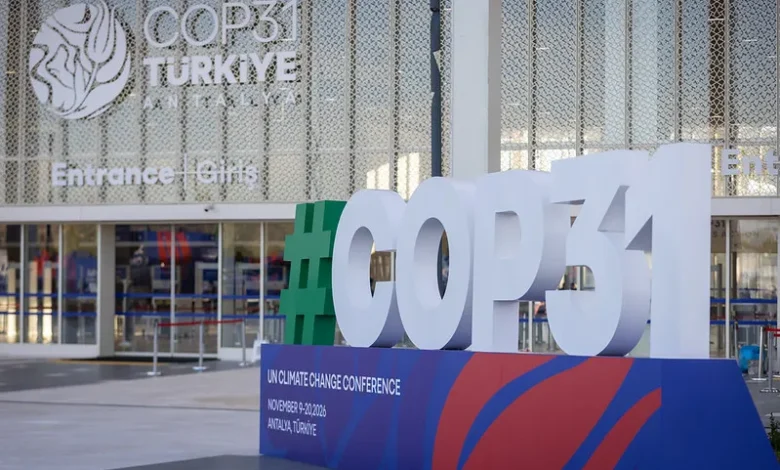
As the international community prepares for the 31st United Nations Climate Change Conference, a profound shift in tone is sweeping through the global travel and tourism sector. Set to take place in Antalya, Türkiye, from November 9 to 20, the upcoming summit—commonly referred to as COP31—is being officially billed as the implementation COP. Following years of exhaustive high-level planning, theoretical commitments, and ambitious declarations, tourism operators and hospitality leaders are signaling that the era of vague promises has officially concluded. Industry stakeholders interviewed by Skift have made it clear that they now demand measurable accountability, transparent tracking, and tangible proof of execution.
Co-hosted jointly by Türkiye and Australia, COP31 arrives at a critical juncture for the planet and the multi-trillion-dollar travel economy. The urgency of this year’s negotiations is heavily underscored by the perceived shortcomings of the preceding summit, COP30, held in Belém, Brazil. During last year’s conference, participating nations and negotiating parties ultimately failed to forge a unified, binding consensus on a clear path forward for aggressive climate action. That diplomatic deadlock left many industries—particularly tourism, which is both a major contributor to global carbon emissions and acutely vulnerable to environmental degradation—searching for definitive direction from policymakers.
The Road from Belém to Antalya: A Chronology of Climate Ambition
To understand the high stakes surrounding the Antalya summit, one must examine the chronological progression of recent UN climate conferences. At COP30 in Belém, the Brazilian presidency made bold commitments to bridge the gap between global climate targets and local realities. Recognizing that prior summits often produced aspirational goals without practical execution mechanisms, the Belém presidency promised to publish comprehensive, actionable roadmaps designed to accelerate the global transition away from fossil fuels and secure robust protections for the world’s vital forests.
Those long-awaited voluntary roadmaps were finally released on Tuesday, setting the stage for next week’s opening gavel in Antalya. Designed as practical toolkits for policymakers, these documents aim to translate existing international climate commitments into concrete national policies, strategic investments, and verifiable, measurable results. Analysts note that the release of these roadmaps provides a direct window into the core priorities that will dominate the negotiations in Türkiye, setting a rigorous benchmark against which all participating nations will be judged.
The fossil fuel roadmap, in particular, builds directly upon previous historical agreements, seeking to operationalize the gradual phase-down of carbon-intensive energy sources that power international aviation, maritime transport, and hotel infrastructure. For the tourism sector, which accounts for roughly 8 percent of global greenhouse gas emissions through transportation, accommodation, and related activities, these administrative frameworks are no longer viewed as peripheral environmental policies. Instead, they are increasingly recognized as existential business parameters that will dictate future operational costs, regulatory compliance, and consumer viability.
The Economic and Environmental Imperative for Tourism
The pressure being exerted by tourism operators on COP31 delegates is rooted in hard economic and environmental data. Climate change directly threatens the foundational assets of the global tourism industry. Rising sea levels, accelerated coastal erosion, increasingly frequent and severe extreme weather events, prolonged droughts, and the widespread bleaching of coral reefs are systematically dismantling destinations that drive local and national economies. From small island developing states heavily reliant on ecotourism to historic European cities grappling with extreme heatwaves and water scarcity, the physical impacts of climate change are translating into immediate financial losses.
Concurrently, travelers themselves are evolving. Modern consumers are increasingly demanding sustainable travel options, putting pressure on airlines, cruise lines, hotel chains, and tour operators to decarbonize their supply chains genuinely. However, corporate sustainability officers within the travel sector have frequently voiced frustration over fragmented regulatory environments and the absence of standardized, globally recognized measurement frameworks. Without clear implementation guidelines from governments at summits like COP31, independent corporate decarbonization efforts often struggle to scale effectively or face competitive disadvantages in jurisdictions lacking strict environmental mandates.
Industry associations point out that the implementation COP must address the specific structural challenges facing the travel ecosystem. For instance, the decarbonization of long-haul aviation remains one of the most formidable technological hurdles in the global green transition. While sustainable aviation fuels (SAFs) represent a vital pathway forward, production capacity remains minuscule relative to global demand, and the price premium remains prohibitively high. Tourism operators are looking to COP31 to foster public-private partnerships, financial incentives, and regulatory mandates that can rapidly accelerate green energy production and infrastructure development.
Official Responses and Stakeholder Expectations
As delegations arrive in Antalya next week, government representatives will face mounting scrutiny from non-state actors, including civil society organizations, indigenous groups, and business coalitions. The dual-hosting arrangement between Türkiye and Australia brings together two distinct regional perspectives on climate vulnerability and economic development. Türkiye serves as a crucial bridge between Europe, Asia, and the Middle East, boasting a massive tourism infrastructure that has increasingly prioritized sustainable transformation. Australia, meanwhile, manages unique environmental ecosystems—such as the Great Barrier Reef—while historically balancing significant fossil fuel export interests with severe domestic climate impacts, including catastrophic bushfires and droughts.
Official statements from the COP31 presidency emphasize that the summit will prioritize operational mechanisms over procedural debates. The newly minted roadmaps for fossil fuel reduction and forestry protection will serve as the baseline text for working groups tasked with establishing accountability frameworks. Unlike previous summits where success was measured by the signing of broad declarations of intent, the metric for success in Antalya will be the establishment of transparent national reporting mechanisms and dedicated climate finance pipelines.
Corporate leaders within the hospitality and travel sectors have outlined three primary expectations for the outcomes of the Antalya conference:
- Regulatory Clarity: Predictable, long-term policy frameworks that provide legal certainty for green investments in hotel retrofitting, energy-efficient transport, and waste reduction.
- Accessible Climate Finance: Financial mechanisms and subsidies designed to help small and medium-sized tourism enterprises—which make up the vast majority of the global travel supply chain—transition to sustainable practices without facing insolvency.
- Transparent Measurement Standards: Universally accepted carbon accounting standards specifically tailored to the tourism and hospitality sectors to eliminate "greenwashing" and build consumer trust.
Broader Implications and the Path Forward
The proceedings in Antalya over the next two weeks will reverberate far beyond the conference center walls. If COP31 successfully delivers on its mandate as an implementation summit, it could restore global faith in multilateral climate diplomacy, demonstrating that international agreements can effectively drive localized, real-world economic transformation. Conversely, if the talks bog down in diplomatic gridlock or fail to enforce the newly published roadmaps, the disillusionment among business sectors and civil society could deepen, severely complicating future global climate action.
For the tourism industry, the message is unequivocal. The time for drafting idealistic blueprints has passed. As delegates settle in for days of intense negotiation along the Mediterranean coast, the collective demand from the world’s travelers, operators, and host communities is simple: show the receipts, enforce the commitments, and chart a credible course toward a resilient, sustainable future for global mobility.