The Future of Credit Card Competition Act and the Looming Threat to Consumer Rewards

The legislative landscape surrounding the American credit card industry is poised for a significant transition as two of the most vocal proponents of the Credit Card Competition Act (CCCA), Senators Dick Durbin and Roger Marshall, prepare to depart the Senate. For years, this bipartisan duo has spearheaded efforts to regulate credit card interchange fees—the "swipe fees" paid by merchants to card issuers—arguing that the current duopoly held by Visa and Mastercard stifles competition and drives up prices for consumers. However, as these primary sponsors exit, the future of the bill remains shrouded in uncertainty, caught between political maneuvering, intensive lobbying efforts, and the potential for a massive disruption in the consumer travel rewards ecosystem.
The Legislative Origins and Political Persistence
The CCCA was introduced with the stated goal of breaking the dominance of the major payment networks by requiring large financial institutions with over $100 billion in assets to provide merchants with at least two network options for processing transactions, one of which must be outside the Visa and Mastercard ecosystem. Proponents, including a coalition of large retailers, contend that these mandates would lower costs for businesses, which would theoretically be passed on to consumers.
Despite the impending departure of its namesake sponsors, the bill’s momentum has not vanished. Senator Durbin has formally tapped Vermont Senator Peter Welch to carry the mantle, ensuring that the legislative pressure remains active. Furthermore, the bill has gained unexpected traction on the national stage through the support of President-elect Donald Trump and Vice President-elect JD Vance, who was an original co-sponsor of the legislation. This high-level backing suggests that even as congressional leadership shifts, the executive branch may keep the issue at the forefront of the economic policy agenda.
The Economics of Interchange and the Rewards Ecosystem
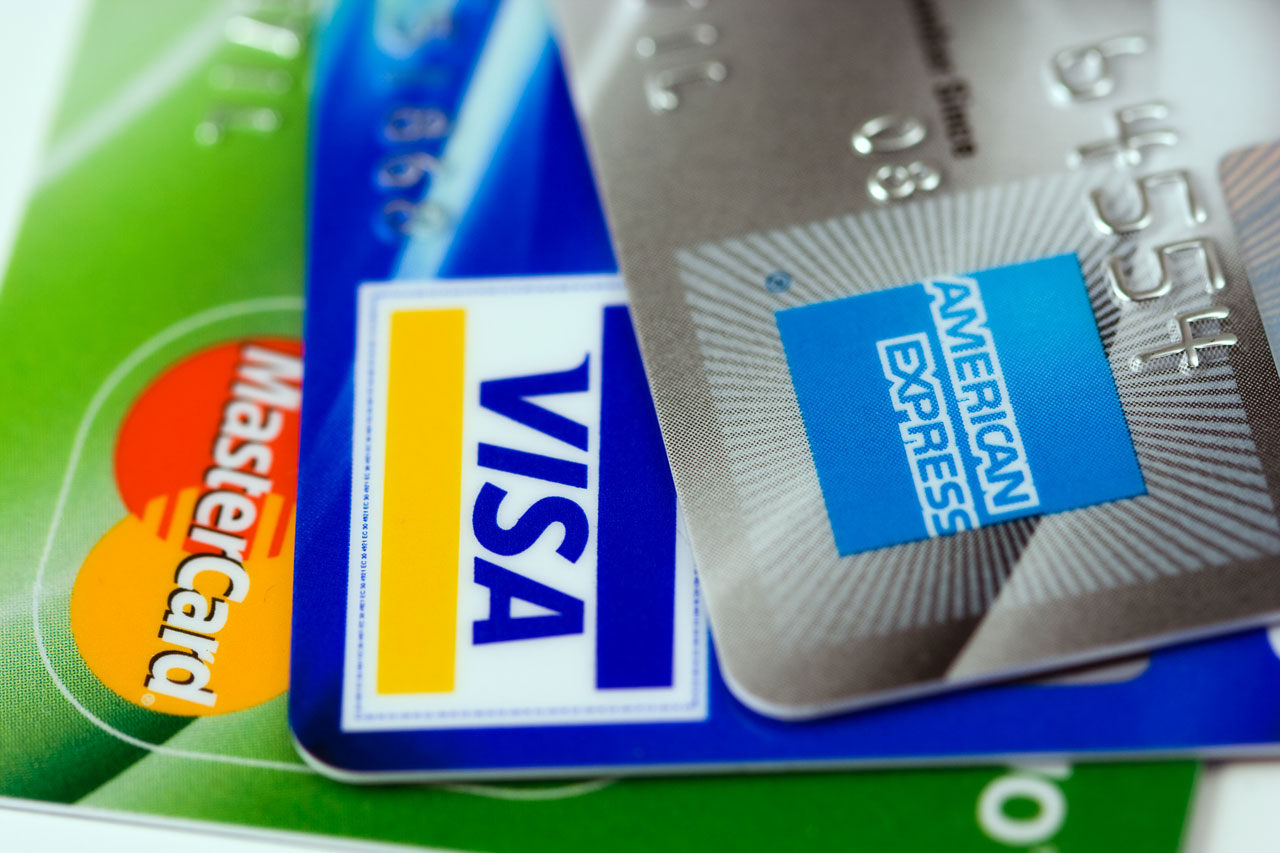
At the heart of the debate is the symbiotic relationship between credit card interchange fees, bank profitability, and airline revenue. Interchange fees—typically ranging from 1.5% to 3% per transaction—fund the vast majority of the rewards programs that have become staples of the American consumer experience. Points, miles, cash-back, and travel perks are not merely marketing expenses; they are products purchased by banks from airlines and other partners using the revenue generated by these fees.
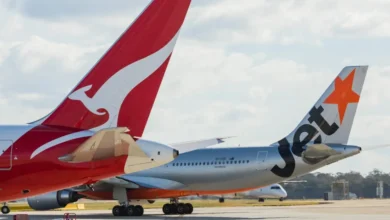
The airline industry, represented by trade groups such as Airlines for America (A4A), has been vocal about the existential threat the CCCA poses to their business models. During a recent episode of the Airlines Confidential podcast, A4A CEO Chris Sununu warned that government interference in interchange rates would effectively dismantle the infrastructure that funds modern air travel rewards. The data supports this concern: major carriers have become increasingly reliant on their loyalty programs as a primary source of profit. For instance, in recent quarterly reports, Delta Air Lines revealed that its partnership with American Express was a critical engine for its bottom-line performance. Similarly, American Airlines maintains its financial stability in large part due to multi-billion-dollar annual agreements with financial institutions like Citibank.
If the CCCA were to become law, the resulting compression of margins would likely force banks to devalue rewards programs. History in other markets, such as the European Union and Australia, has shown that when governments impose caps on interchange fees, the market response is almost immediate: banks reduce or eliminate rewards to compensate for the loss in fee revenue.
Fact-Checking the "Consumer Savings" Narrative
A central pillar of the argument for the CCCA is that it will save the average American family $1,200 annually by reducing retail prices. However, economic analysts have frequently disputed this figure, noting that it is largely untethered from the actual mechanics of the bill. There is little historical evidence to suggest that savings from reduced interchange fees are passed down to the consumer at the point of sale. Instead, such regulations often lead to higher annual fees on credit cards, the removal of consumer protections like purchase and travel insurance, and a reduction in access to credit for subprime borrowers.

Furthermore, the current system provides significant value beyond simple payment processing. Interchange revenue funds sophisticated fraud detection systems, instant dispute resolution, extended warranties, and return protection—services that provide tangible, albeit often invisible, security to the average consumer.
The "Threat" as a Financial Instrument
Political analysts have increasingly suggested that the CCCA is more valuable as a persistent legislative threat than as a finished law. The bill serves as a perennial catalyst for campaign contributions from two of the most powerful lobbying blocks in Washington: the retail sector and the financial services industry.
Retailers, seeking to reduce their overhead costs, have poured millions into lobbying efforts to see the bill passed. Conversely, banks, payment networks, and the travel industry have invested equally vast sums to protect the current fee structure. As long as the bill remains "under consideration," both sides have a powerful incentive to fund the campaigns of those who hold the power to advance or block the legislation. With Durbin and Marshall stepping down, the fundraising landscape may shift, but the underlying financial motivations of the donors remain unchanged.
Looking Ahead: A Changing Landscape
The transition in the Senate, combined with the incoming administration’s expressed interest in the bill, creates a volatile environment for financial services. If the CCCA is passed, the ripple effects will be felt across the consumer economy:

- Rewards Devaluation: Consumers should expect a sharp decline in the value of credit card points and miles as issuers scramble to maintain margins.
- Increased Fees: To recover lost interchange revenue, banks will likely shift toward higher annual card fees and interest rates.
- Service Reductions: Airlines, particularly those servicing lower-volume or aspirational routes, may be forced to reduce flight capacity if the subsidy provided by credit card partnerships evaporates.
- Security Impacts: A potential degradation of fraud protection and consumer-friendly dispute resolution services could occur as banks trim costs to account for lower fee income.
Conclusion
As the 119th Congress takes shape, the Credit Card Competition Act remains a "zombie" bill—politically potent, heavily lobbied, and potentially transformative. Whether or not it ultimately reaches the President’s desk, its existence has already forced a profound re-evaluation of the American payment ecosystem. For the average consumer, the convenience and luxury of travel rewards remain secure for the moment, but the shifting political winds suggest that the era of "free" travel funded by swipe fees may be approaching an inflection point. The departure of Durbin and Marshall marks the end of a chapter, but for the banks, retailers, and airlines involved, the legislative tug-of-war is far from over.