Nothing CEO Carl Pei Teases Screenless AI-Native Productivity Tool Set for December Release

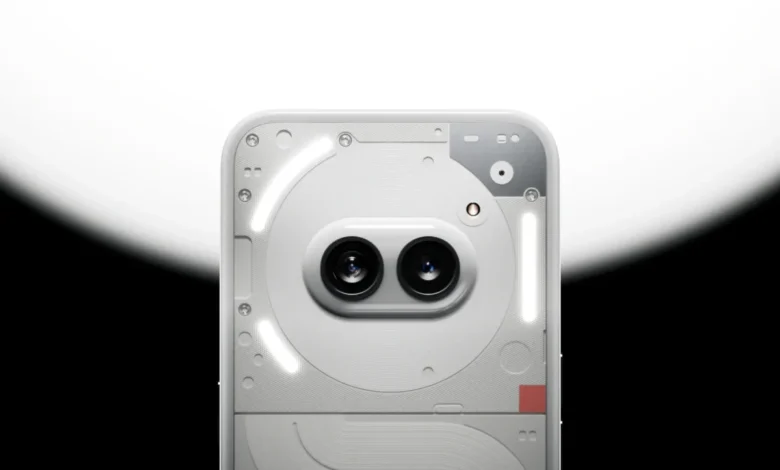
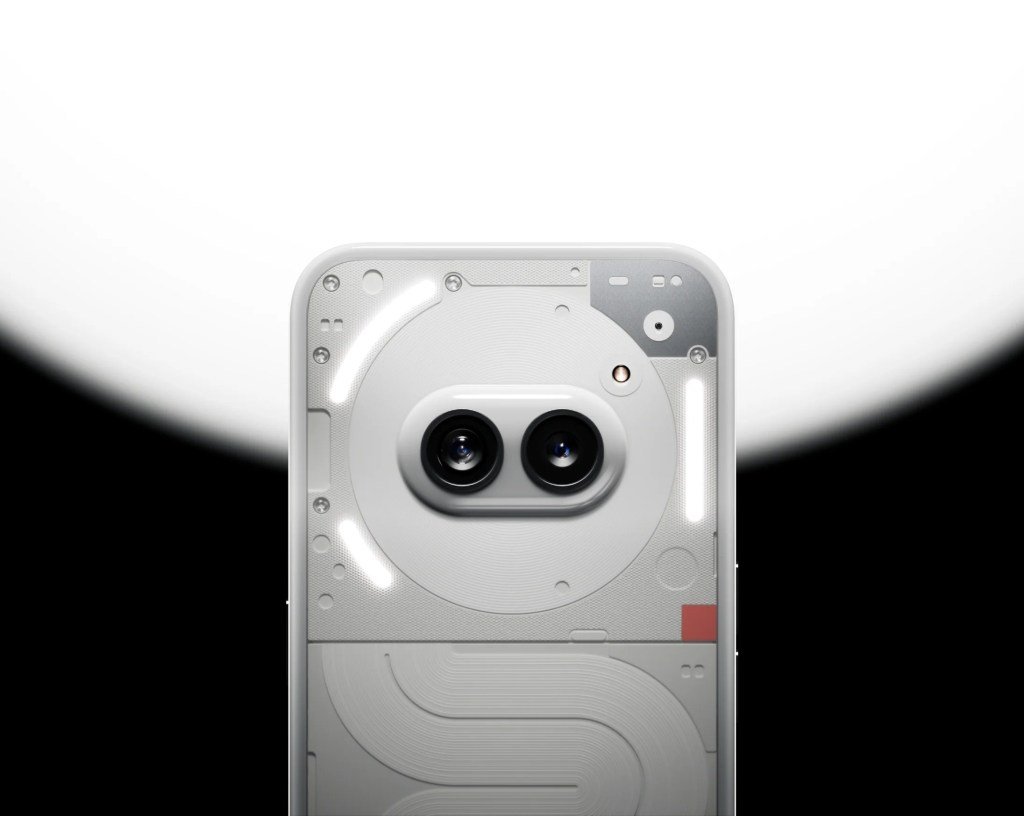
London-based consumer technology startup Nothing is once again generating significant industry buzz as it prepares to unveil its first "AI-native product." Known for its distinctive transparent hardware designs and minimalist aesthetic, the company has positioned itself as an ambitious alternative in a smartphone market increasingly saturated with incremental upgrades. Company leadership has confirmed that the upcoming device will ship in December, sparking intense speculation across the tech sector regarding its form factor, functionality, and potential to disrupt traditional software ecosystems.
The announcement, initially shared via social media by CEO and co-founder Carl Pei, describes a tool characterized by the unique personality and design philosophy associated with Nothing’s hardware portfolio. However, Pei’s cryptic remarks have left analysts and consumers guessing about what the physical device will actually look like and how it will function in daily life.
Main Facts and the December Launch
According to statements released by Carl Pei on X (formerly Twitter), Nothing’s inaugural AI-native product is scheduled to reach consumers this coming December. While a precise launch date and pricing details remain under wraps, the company has provided a handful of intriguing design constraints.
Pei explicitly stated that the device features no new screen and cannot be classified as a traditional mobile application. Instead, it is being billed as a "productivity tool" infused with the distinctive design care that has come to define Nothing’s product ecosystem, which includes the Nothing Phone series and various audio accessories.
The deliberate choice to avoid a screen-based interface distinguishes Nothing’s upcoming device from standard smartphone apps and conventional hardware accessories. By bypassing a dedicated display, the company is signaling a departure from visual-first interactions, opting instead for a streamlined, ambient, or audio-driven user experience. Industry observers note that this approach mirrors a broader industry movement toward ambient computing, where technology recedes into the background rather than demanding constant visual attention.
Chronology of Nothing’s AI Strategy
Nothing’s journey toward an AI-integrated ecosystem has evolved rapidly over the past few years, marked by strategic hints, software rollouts, and hardware developments.
In early 2024, the company deepened its integration with artificial intelligence by embedding advanced features into its smartphone interface, allowing users to interact seamlessly with popular AI models directly from their home screens. Throughout 2025, reviews of the Nothing Phone series consistently highlighted the brand’s focus on streamlined software experiences, stripping away bloatware in favor of clean, functional interfaces.
By March 2026, Carl Pei publicly articulated a bold vision for the future of personal technology, predicting that traditional smartphone applications would eventually disappear as autonomous AI agents take their place. Pei argued that users grow fatigued by managing dozens of discrete apps, and that intelligent agents will soon act as a unified intermediary between users and digital services.
In April 2026, reports surfaced detailing Nothing’s broader multi-device hardware roadmap, which reportedly included plans for AI-linked smart glasses and advanced earbuds equipped with deep artificial intelligence integrations. These revelations cemented the perception that Nothing was actively exploring ways to transition beyond traditional slabs of glass and metal. However, Pei’s recent statements downplaying direct comparisons to standard AI wearables suggest that the December product may occupy an entirely different category.
Industry Context and the "iPhone Moment" Search
The race to redefine consumer hardware for the artificial intelligence era is currently a defining theme across the global technology sector. Numerous startups and established giants have spent the past several years attempting to capture what many in Silicon Valley refer to as AI’s "iPhone moment"—the creation of a revolutionary consumer device that integrates artificial intelligence seamlessly into everyday life.
Over the past two years, the market has seen a wave of alternative form factors designed to decouple AI from traditional smartphones. These experiments have yielded a variety of dedicated hardware concepts, including AI-powered lapel pins, smart pendants, smart rings, and specialized eyewear. While some of these products garnered significant initial media attention, many struggled with commercial adoption, software reliability, and battery constraints, leaving consumers unconvinced of their necessity over existing smartphones.
Addressing this industry-wide phenomenon, Pei offered a nuanced perspective on social media, writing: "The whole industry is hunting for its iPhone moment: the pendant, the pin, the glasses, the companion, some magical consumer device that makes AI part of everyone’s life. I admire the boldness, but I read this moment differently."
This commentary suggests that Nothing is intentionally avoiding the trap of gimmicky hardware. Rather than building a dedicated gadget simply to house an AI logo, the company appears to be focusing on practical utility and contextual awareness.
Official Statements and Speculation
While official details regarding the December release remain tightly controlled, the tech community has engaged in rigorous analysis of Pei’s public statements. The phrase "it has no new screen, and it couldn’t have been an app" has served as the primary anchor for all forecasting.
If the product is not an app and has no screen, skeptics and enthusiasts alike have questioned how users will interface with it. Voice commands, haptic feedback, gesture control, or deep integration with existing Nothing audio products are among the leading hypotheses. Furthermore, describing the device as a "productivity tool" implies that it is engineered to streamline workflows, manage information, or reduce cognitive load, rather than serve as purely entertainment-focused hardware.
Nothing’s communications strategy has historically relied on controlled leaks, minimalist teaser campaigns, and direct engagement from its leadership team to build anticipation. This playbook proved successful during the rollout of the original Nothing Phone, turning an unknown startup into a recognizable global brand with a dedicated consumer base. Observers expect the company to release a series of incremental teasers throughout November leading up to the official December unveiling.
Broader Impact and Market Implications
The launch of Nothing’s first AI-native product carries notable implications for the broader consumer electronics landscape. As major smartphone manufacturers like Apple, Google, and Samsung increasingly build proprietary AI assistants directly into their flagship operating systems, hardware startups face immense pressure to differentiate themselves.
Developing a screenless productivity tool allows Nothing to carve out a distinct niche without competing directly with multi-billion-dollar corporations on the traditional smartphone battleground. If the product successfully redefines how users interact with productivity tools through AI, it could validate a new wave of ambient computing devices that prioritize utility over screen time. Conversely, if the device proves too abstract or fails to offer a compelling value proposition over existing smartphone features, it risks getting lost in the crowded ecosystem of niche AI gadgets.
For now, consumers and technology analysts will be watching closely as December approaches. As Nothing prepares to pull back the curtain on its latest creation, the industry will soon learn whether the startup’s unique reading of the current technological landscape translates into a genuine breakthrough for AI hardware.