The Gatekeeper of Gastronomy: How Geoffrey Wu Became the Architect of Hong Kong’s Most Exclusive Tables

Operating a restaurant in Hong Kong is an exercise in high-stakes survival. The city is a hyper-competitive, high-density, and notoriously expensive culinary theater where shifting consumer trends can shutter a legacy establishment overnight and where the cost of real estate often dictates the feasibility of a business model before the first table is ever set. In this unforgiving ecosystem, success is rarely organic; it is engineered. Standing at the epicenter of this industry, orchestrating the fortunes of the city’s most coveted dining rooms, is Geoffrey Wu, the founder of the boutique consultancy firm The Forks and Spoons.
For the past decade, Wu has served as the silent hand behind many of Hong Kong’s most decorated and sought-after dining destinations, including two-Michelin-starred institutions like TATE Dining Room and the reservation-defying Ando. His influence is not rooted in traditional public relations but in an operational, coaching-style intervention that forces restaurants to evolve or face obsolescence.
The Evolution of a Culinary Strategist
Wu’s path to becoming the city’s premier F&B publicist was unconventional. Following his departure from the Hong Kong University of Science and Technology—a move prompted by a self-admitted penchant for playing cards at McDonald’s rather than attending lectures—he found his footing in the high-pressure environment of fine dining. In 2005, he joined the operations team at Amber, the landmark French restaurant led by executive chef Richard Ekkebus. This tenure served as his crucible, exposing him to the rigorous standards of global gastronomy and the logistical complexities of maintaining a world-class venue.
By 2012, after navigating various marketing roles within the sector, Wu formalized his expertise by launching The Forks and Spoons. His philosophy, however, is distinct from the industry standard. Wu is not a “yes-man.” He is known for his abrasive candor, frequently challenging chefs and restaurateurs on their operational shortcomings. He describes his approach with the intensity of a head coach: “I wouldn’t say we’re better at our job than other people. I’d say we’re different. We aren’t here to massage your ego. We are here for the results. We are here to win.”
The Cutthroat Economics of Hong Kong Dining
To understand why Wu’s aggressive consultancy style is in high demand, one must analyze the economic landscape of Hong Kong. Consistently ranked as one of the world’s most expensive real estate markets, the city’s commercial rents place immense pressure on restaurateurs to maintain high seat turnover and average check values.

Data from the Hong Kong Census and Statistics Department highlights the city’s unique dining culture. In the 2019-2020 fiscal year, despite the headwinds of social unrest and the onset of the global pandemic, local households spent an average of HKD 60,539 (approximately USD 7,761) annually on meals out and takeaway. This figure is double the average expenditure of households in the New York metropolitan area for the same period. In such a condensed and wealthy market, the threshold for error is nonexistent. If a restaurant fails to captivate its audience at launch, the likelihood of a second chance is slim, given the sheer saturation of choice.
“It’s such a condensed market,” Wu explains. “People always talk. Hong Kong customers are very knowledgeable. If you don’t get it right from the get-go, you have to revamp many things. The question is—will the customers give you a second chance? There are so many choices that chances are they’d go somewhere else.”
The Operational Blueprint: Beyond PR
Wu’s methodology involves a deep, hands-on immersion into the day-to-day operations of his clients. His work extends well beyond drafting press releases; he is often found on-site, sampling dishes, evaluating furniture ergonomics, refining workflow, and even translating menus to ensure the intended narrative reaches the customer.

A prime example of this strategy is the recent opening of Bluhouse at the Rosewood Hong Kong. As a new casual Italian dining concept, the pressure to perform was immense. Wu’s involvement included exhaustive trial runs where he examined every variable: the temperature of the food, the pace of the service, and the flow of the dining room. As of late 2022, the efficacy of this approach was evident, with dinner reservations fully booked months in advance.
The Shift in Chef Identity: The Era of the Celebrity Chef
The last decade has seen a radical shift in the role of the chef in Hong Kong. The 2009 introduction of the Michelin Guide to the city elevated the prestige of professional cooking, but it also changed the expectations placed upon the kitchen staff. According to Wu, the era of the reclusive chef is over.
“Some 20 years ago, chefs mostly just cooked and served food,” says Wu. “Now in 2022, there is also this thing called relationship building. Chefs have to show their faces. They have to touch the tables and take pictures with guests. The job of a chef is much bigger than before.”

This shift toward human connection is essential for customer retention. Guests are significantly more likely to return to a venue where they feel a personal connection to the culinary team. For chefs who are naturally introverted, this transition can be daunting. Wu serves as the bridge, encouraging chefs like Manav Tuli of the Michelin-starred restaurant Chaat to engage with the public, host collaborative dinners, and share the narrative behind their plates. Under this guidance, Chaat transformed from a new concept into one of the most beloved and difficult-to-book venues in the city, with Tuli himself becoming a recognized culinary figure in the region.
The Art of the Collaboration
On his days off, Wu maintains his professional momentum by organizing private lunches that serve as a bridge between the media, industry critics, and the chefs he represents. These gatherings are not merely social; they are tactical. By bringing together influential voices in a private setting—often at high-end venues like the three-Michelin-starred Forum Restaurant—Wu facilitates a cross-pollination of ideas.
During one such lunch, the executive chef of Forum and a visiting peer discussed a potential collaboration, a deal that likely would not have crystallized without Wu’s intervention. These events allow for off-menu testing of new concepts, such as the demonstration of a traditional Northern Chinese dessert by Forum’s management, allowing for immediate, high-level feedback from industry experts.

The Shelf Life of Success
Wu remains acutely aware that the industry is governed by a “shelf life” of relevance. He argues that even the most successful establishments must continue to evolve or risk fading into obscurity. This belief led to his recent work with Yong Fu, a Michelin-starred destination specializing in Ningbo cuisine.
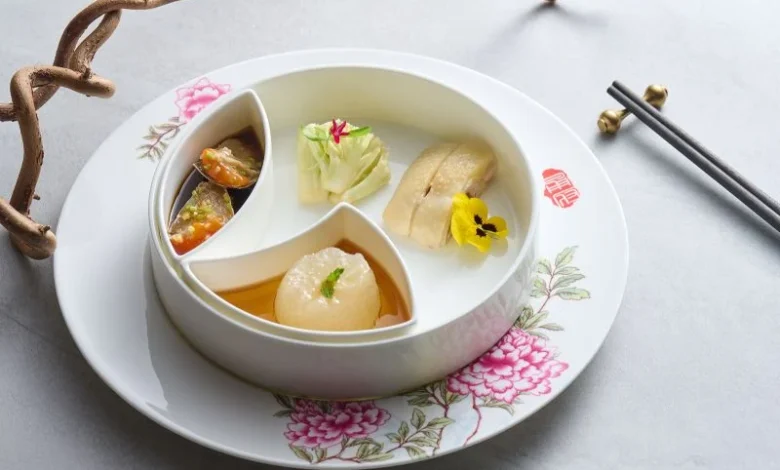
Ningbo cuisine is often misunderstood or conflated with Shanghai cuisine in Hong Kong, creating a barrier to entry for the average diner. Wu’s solution was to move away from the restaurant’s original, exhaustive menu—a physical book over an inch thick—and introduce a curated tasting menu. This move was designed to guide the diner through the nuances of the cuisine, such as the signature “savory, umami, and sticky” profile of yellow croaker fish and boiled wax gourd.
By simplifying the choice, Wu aimed to reduce decision fatigue and ensure that the guest experiences the restaurant’s strengths as the chef intended. This reflects his broader mantra for success: "Keep refining. Keep pushing. My belief is, just don’t stop until you are at the finishing line."

The Philosophy of the Disciplined Professional
The intensity that defines Wu’s professional life is mirrored in his personal habits. An avid runner, he begins most days at 5:45 a.m., using the quiet, empty streets of pre-dawn Hong Kong to process his strategies and reflect on his goals. For Wu, the city is a living, breathing entity that requires constant attention.
His blunt honesty and refusal to sugarcoat failures have earned him a reputation as the “chief entertainment officer” of the Hong Kong food scene—a title he embraces as he juggles the competing needs of clients, media, and the fickle, high-spending public. While he acknowledges the necessity of occasional profanity and the strain of his high-pressure career, he remains dedicated to the grind. As he looks toward the future of the industry, his focus remains on the fundamentals: flavor, consistency, and the relentless pursuit of improvement. In a city where the only constant is change, Geoffrey Wu has positioned himself not just as a consultant, but as the essential architect of the modern Hong Kong dining experience.