British Airways Passenger Faces Hygiene Nightmare After Discovering Urine-Soaked Seat on Transatlantic Flight

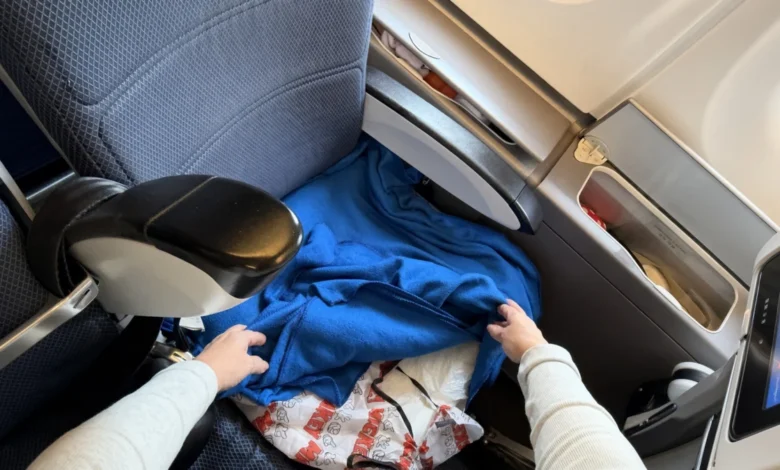
A transatlantic journey from Miami to London Heathrow turned into a harrowing ordeal for a British Airways passenger, who discovered upon boarding that her assigned seat was saturated with urine. The incident, which occurred in early November 2026, has ignited a firestorm of criticism regarding airline hygiene standards and the adequacy of cabin crew protocols when addressing unsanitary conditions during boarding. The passenger, who documented the experience on social media, described a scene of neglect that left her with no recourse but to attempt to mitigate the mess herself using rudimentary supplies.
Chronology of the Incident
The situation unfolded during the boarding process for an eight-hour flight. Upon arriving at her seat, the passenger immediately detected a pungent odor, which she initially misidentified as food. As she sat down, the reality of the situation became apparent: her pants were instantly dampened by the moisture on the upholstery.
According to the passenger’s account, she promptly alerted the cabin crew to the state of the seat. Despite the obvious unsanitary nature of the situation, the flight attendant reportedly informed her that the aircraft was fully booked and no alternative seating was available. Rather than offering a solution such as replacing the seat cushion or upgrading the passenger to an unoccupied seat in a different cabin, the crew provided a 15ml bottle of antibacterial cleaning spray and a stack of paper towels, effectively tasking the passenger with cleaning the biological waste herself. The request for an additional blanket to place over the seat was denied, forcing the traveler to use her own personal items to create a barrier between herself and the contaminated fabric.
The passenger took to social media platform X (formerly Twitter) on November 1 to voice her grievances, providing photographic evidence of the spray bottle and the surrounding environment. The post gained significant traction, garnering over 1.6 million views within 24 hours, as users expressed shock at the airline’s failure to address the matter with appropriate gravity.
Official Response and Corporate Protocol
The initial response from British Airways was widely criticized for its perceived detachment and bureaucratic nature. It took five hours and 23 minutes for the airline’s official support account to respond to the public complaint. The response directed the passenger to a standardized online complaint form, a move that many commentators noted was an attempt to shift the discourse away from the public eye.
A secondary response occurred the following day, wherein a company representative requested the passenger’s booking details and instructed her to navigate a private chat menu to reach an agent. By steering the conversation toward private channels, the airline appeared to be attempting to mitigate the reputational damage caused by the viral nature of the post, though the initial lack of on-board support remained a central point of contention for observers.
Historical Precedents and Operational Failures
This incident is not an isolated occurrence for British Airways; rather, it appears to be part of a recurring pattern of cabin sanitation issues that have plagued the carrier over the last decade. Investigations into similar reports reveal a systemic difficulty in handling biological hazards at the gate and in the air.
In 2017, a passenger traveling from London to Cape Town reported a similar experience, finding his seat soaked in urine and being instructed to clean it himself with wipes. That incident resulted in a protracted dispute, with the airline initially offering 5,000 Avios points as compensation, only increasing the offer to a £435 voucher or a cabin upgrade after significant pushback.
In 2018, a business-class passenger en route to Jamaica discovered that his seat, pillow, and clothing had been contaminated by urine. In that instance, the passenger was separated from his traveling companion and compensated with 40,000 Avios. Furthermore, in 2023, reports surfaced regarding a Boston to London flight where a passenger urinated in her premium economy seat, forcing those in proximity to endure the conditions for the duration of the seven-hour journey. These cases underscore a long-standing challenge regarding aircraft turnaround times and the limitations of cleaning crews during quick-turn operations.
Analysis of Airline Sanitation Standards
The recurrence of these incidents raises critical questions regarding the "quick-turn" operational model used by major airlines. In the aviation industry, aircraft are often turned around in under an hour to maximize utilization. During this window, cleaning staff are responsible for vacuuming, removing trash, and refreshing amenities. However, deep cleaning of seat fabrics is rarely feasible between flights.
Industry experts argue that if a seat is contaminated with biological fluids, the standard protocol should mandate that the seat be marked as "out of service" or "inoperative." Under current aviation regulations, if a passenger cannot be accommodated in an equivalent or better seat, the airline is often liable for involuntary denied boarding compensation. By encouraging passengers to remain in contaminated seats, airlines may be prioritizing operational continuity over the health, safety, and dignity of their customers.
The logistical challenge of swapping a seat cushion—which is usually secured via Velcro or specialized fasteners—is minimal. A well-trained ground crew or cabin supervisor should have the capability to replace a cushion in minutes. The failure to do so suggests either a breakdown in communication between the cleaning crew and the cabin staff, or a lack of training on how to handle biohazardous materials.
Broader Implications for Passenger Rights
The incident highlights a disconnect between the premium pricing of transatlantic flights and the basic expectation of a sanitary environment. When a passenger pays for a service, the implied contract includes the provision of a seat that is free from biological hazards. When this expectation is violated, the airline’s response must move beyond automated apology forms and towards substantive restitution.
The psychological impact of being forced to sit in another person’s waste for eight hours cannot be understated. Passengers in these situations report feelings of humiliation, helplessness, and long-term anxiety regarding future travel. Moreover, from a health perspective, exposure to bodily fluids in a confined cabin environment poses potential risks that are often dismissed by corporate customer service departments.
Future Outlook and Regulatory Scrutiny
As social media continues to provide a platform for passengers to hold airlines accountable, the "hidden" problems of the cabin interior are becoming increasingly visible to the public. Airlines that rely on opaque complaint resolution processes may find that their traditional methods of handling PR crises are no longer sufficient.
For British Airways, the persistent nature of these complaints suggests a need for a comprehensive review of their cabin maintenance and cleaning protocols. Moving forward, the airline may face increased pressure from regulatory bodies, such as the Civil Aviation Authority (CAA) in the UK, to provide clearer guidelines on how staff should manage biohazards. Until such policies are formalized and enforced, the risk remains that travelers will continue to find themselves in untenable positions, forced to choose between abandoning their travel plans or enduring conditions that fall far below the standards expected of a modern, international carrier.
The current situation serves as a stark reminder that the efficiency of the aviation industry should never come at the expense of basic human hygiene. As the passenger in the latest incident continues to seek a formal resolution, her experience remains a focal point for a wider discussion on the responsibilities of airlines to ensure that every passenger, regardless of their cabin class, is treated with the respect and cleanliness they are owed.
Related posts: