The Secret of the Limone Gene: How a Tiny Italian Village Holds the Key to Cardiovascular Health

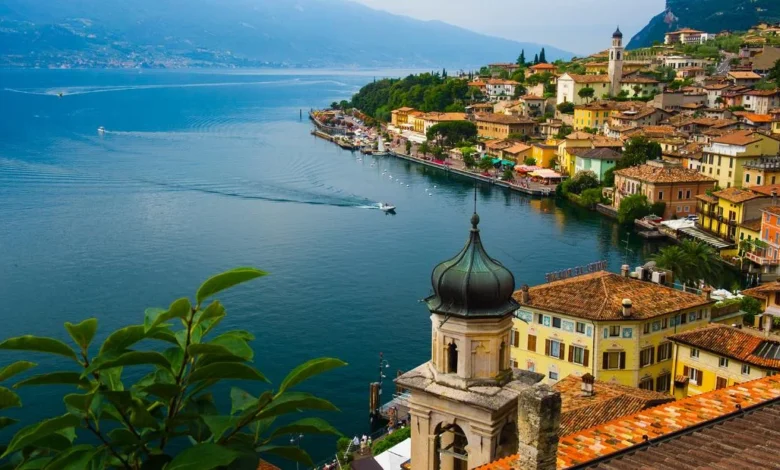
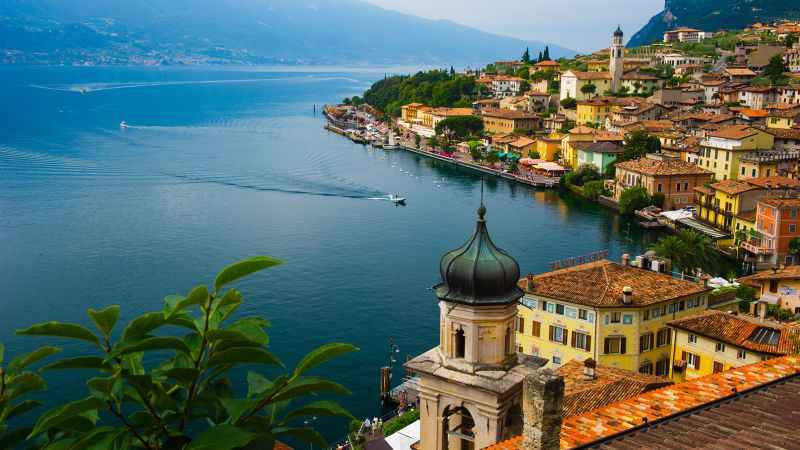
Nestled between the jagged, snow-capped peaks of the Alps and the tranquil, shimmering waters of Lake Garda lies Limone sul Garda, a village that defies conventional biological expectations. While the rest of the world grapples with the rising global prevalence of cardiovascular disease—often linked to sedentary lifestyles and high-fat diets—this picturesque Italian enclave of barely 1,000 residents harbors a medical anomaly. A select group of approximately 60 villagers possesses a unique genetic mutation, colloquially dubbed the "Limone gene," which appears to confer a remarkable resistance to atherosclerosis, heart attacks, and strokes, regardless of their dietary habits.
The Discovery of the A-1 Milano Protein
The scientific intrigue surrounding Limone sul Garda began in the late 1970s, though the discovery was purely accidental. It started with a routine medical examination of a local train driver who had been involved in a traffic accident in Milan. Upon reviewing his blood work, physicians were stunned by the results: the patient’s high-density lipoprotein (HDL) cholesterol levels were drastically lower than the clinical norm. While standard medical literature dictates that low HDL—often termed "good" cholesterol—is a primary risk factor for vascular disease, this patient exhibited no signs of arterial blockage or heart disease.
This discovery led to the identification of a specific protein variant, later classified by Professor Cesare Sirtori and his team at the Università degli Studi di Milano as the "A-1 Milano" protein. This mutation acts as a biological shield, effectively neutralizing fats and keeping the blood fluid even in the presence of a diet rich in saturated fats and lipids.
A Four-Decade Scientific Longitudinal Study
Since the early 1980s, the village has served as a living laboratory. Over the past 40 years, researchers have conducted longitudinal studies on the carriers of this gene. The methodology has been rigorous, involving repeated blood sampling and metabolic monitoring of the carriers—a process local residents often jokingly describe as being "bled dry" for science.
The testing protocol often involved extreme dietary challenges to observe how the body reacted to rapid fat intake. In one documented instance, subjects were administered high-calorie doses of whipped cream and fatty substances to monitor how quickly the body processed the lipids. Results consistently showed that the A-1 Milano protein facilitates a near-instantaneous destruction of fats, preventing them from accumulating in the bloodstream. Unlike the general population, for whom such a diet would inevitably lead to weight gain and vascular strain, the carriers of the Limone gene remain remarkably resilient.
Genetic Dominance and Transmission
Genetic mapping has confirmed that the A-1 Milano mutation is a dominant gene. This means that a child only needs to inherit the variant from one parent to benefit from its protective effects. Researchers have traced the lineage of the carriers back to the 18th century, suggesting that the gene has persisted within the small, relatively isolated community for generations.
While the mutation is present in children as young as five, the implications for the future are profound. Professor Sirtori’s team has successfully lab-synthesized the protein and conducted trials on animal models, specifically rabbits. The results, published in high-impact medical journals, showed a statistically significant reduction in arterial plaque formation. This has positioned the Limone gene at the forefront of pharmaceutical research aimed at developing new therapies for atherosclerosis and ischemic heart disease.
The Intersection of Nature and Lifestyle
While geneticists focus on the molecular mechanics of the A-1 Milano protein, local historians and residents believe the village’s unique environment contributes to the overall longevity and health of the population. Limone sul Garda is geographically protected by steep mountains that act as a natural windbreak, creating a microclimate that is famously mild year-round. This has allowed lemon groves to flourish at the most northern latitude in the world, a phenomenon that has defined the village’s identity for centuries.
Local hotelier Antonio Girardi, who maintains detailed genealogical records of the carriers, suggests that the "Limone lifestyle" is a multifaceted contributor to health. The traditional diet, heavily reliant on fresh lake fish, high-quality extra virgin olive oil, and minimal processed sugars, complements the genetic advantage. Furthermore, the village’s topography requires significant physical activity, with many residents navigating steep, stepped pathways daily.

"The mountains protect us from the harsh northern winds," Girardi notes. "Combined with the diet and the air, we are essentially living in a protected environment."
Medical Implications for Global Health
The global medical community views the Limone case not just as a local curiosity, but as a potential breakthrough in preventive cardiology. Atherosclerosis, the hardening of arteries due to plaque buildup, remains the leading cause of death globally. Current pharmacological interventions primarily focus on statins to lower LDL (bad) cholesterol. However, the discovery of the A-1 Milano protein offers a different path: the potential for "protein therapy" that mimics the natural, highly efficient lipid-clearing mechanism found in the villagers.
Despite the excitement, scientists urge caution. The mutation is unique to this specific lineage, and it is not currently understood how the gene interacts with other environmental factors or if there are long-term downsides to having such drastically low HDL levels. Furthermore, the researchers have yet to conduct a study on what occurs if two carriers were to conceive, leaving questions about the long-term hereditary impact of the mutation.
Life as a "Super Human"
For the carriers themselves, the reality is far more mundane than the "superhero" narrative might suggest. Gianni Segala, a local shopkeeper and carrier, reflects on his experience as a research subject with a mix of humor and pride. "I am no Superman," he asserts. "I live a normal life, I eat the same food as my neighbors, and I work hard. But it is a comfort to know that my children have this insurance against the heart problems that plague so many others."
Giuliano Segala, Gianni’s son, echoes this sentiment. He maintains an active lifestyle, hiking the mountains around Lake Garda, and sees the genetic inheritance as a form of biological protection. "I feel shielded," he says. "It allows me to enjoy life without the constant anxiety regarding heart health that so many people carry."

Future Research and Ethics
As scientific interest in the Limone gene continues to grow, so too do the ethical considerations. The village has become a case study in the balance between scientific advancement and community privacy. While the residents have been remarkably cooperative over four decades, the future of the research will likely involve more complex genetic editing and synthesis.
Professor Sirtori remains committed to unlocking the full potential of the A-1 Milano protein. His focus has shifted from mere observation to the development of synthetic equivalents that could be administered to the broader population. The challenge, however, lies in replicating the delicate balance of the body’s natural systems.
Conclusion: A Legacy of Longevity
Limone sul Garda stands as a testament to the power of genetic adaptation and the mysteries that still reside in isolated populations. Whether the secret to their health is purely the result of a singular, fortuitous mutation, or a synergy between that gene and the unique Alpine microclimate, remains a subject of intense scientific inquiry.
For the time being, the villagers continue to live their lives, passing down their history—and their biology—from one generation to the next. As medical science advances, the small fishing village on the shores of Lake Garda may provide the world with the tools necessary to fight the modern scourge of heart disease, proving that sometimes, the most profound answers to global health crises are hidden in the most unexpected of places.
Related posts: