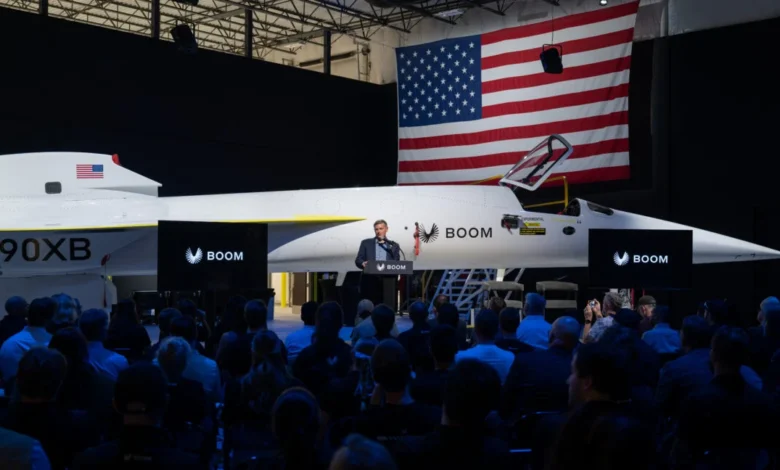
The ambitious vision of a supersonic renaissance, spearheaded by Colorado-based Boom Supersonic, is currently facing a dual-front challenge that has cast a shadow over both its flagship aviation program and its pivot into the energy sector. As the company attempts to balance the development of the Overture supersonic airliner with the manufacturing of natural gas turbines for AI data centers, recent developments suggest that the path to commercialization is proving more arduous than initially forecasted.
At the heart of the uncertainty is the Overture airliner, a project that has long been touted as the successor to the Concorde. While Boom has secured conditional agreements and non-refundable deposits from major carriers including United Airlines, American Airlines, and Japan Airlines, the delivery timeline has been met with increasing skepticism. During an October 28, 2026, episode of the podcast Office Hours: Business Edition, United Airlines CEO Scott Kirby offered a blunt assessment of the project’s trajectory. Addressing the company’s stated goal of entering service by 2029, Kirby stated clearly that such a deadline is unlikely to be met. His commentary reinforces a growing consensus among industry analysts that the regulatory and engineering hurdles associated with supersonic flight—particularly in a modern era with stringent environmental and noise standards—remain significant obstacles.
The Engineering and Regulatory Landscape
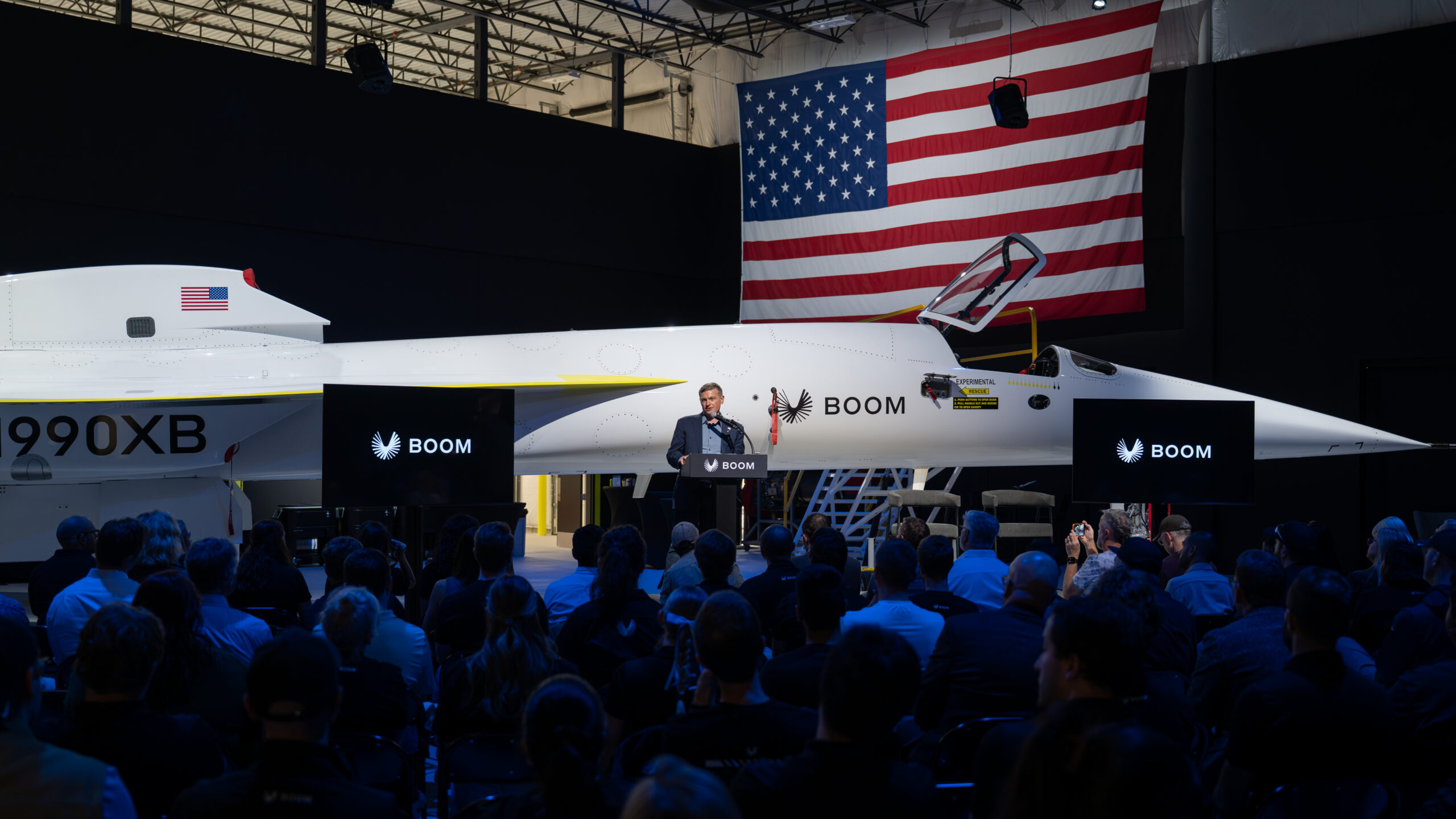
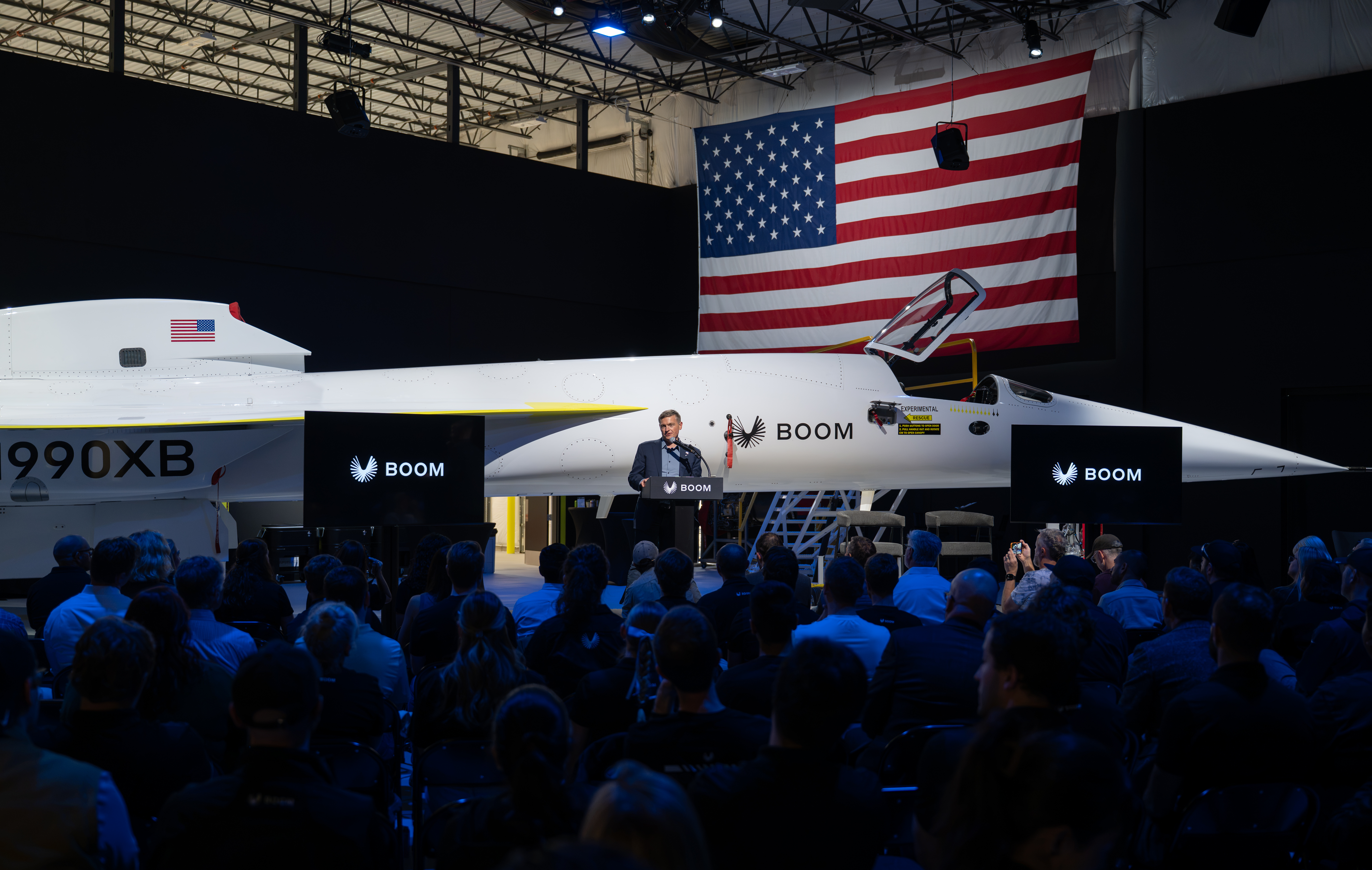
Boom’s technical strategy has centered on the "boomless cruise" concept, which leverages the Mach cutoff phenomenon. By flying at specific altitudes and speeds where atmospheric conditions refract shockwaves away from the ground, the company hopes to bypass the traditional sonic boom limitations that once relegated supersonic travel to oceanic routes. This technology was tested during the 2024 and 2025 flight campaigns of the XB-1, a one-third scale demonstrator that served as the primary proof-of-concept for the Overture’s design.
The regulatory environment, however, remains in flux. In June 2026, the Federal Aviation Administration (FAA) proposed rules that would effectively overturn the long-standing ban on commercial supersonic flights over land in the United States. This move followed an executive order by President Donald Trump, signaling a federal commitment to re-establishing American leadership in high-speed aviation. While the easing of these restrictions provides a path forward, the certification process for an entirely new class of supersonic transport is historically time-consuming and prone to delays. The FAA’s rigorous safety standards require years of flight testing and validation, a reality that complicates any aggressive 2029 delivery schedule.
Infrastructure Stagnation and Public Oversight
The pressure on Boom is not merely confined to technical development. In Greensboro, North Carolina, the "Overture Superfactory"—a massive production facility completed in 2024—has become a point of contention for state legislators. Built with the assistance of over $50 million in taxpayer funding, the facility has remained largely inactive, leading to questions regarding the return on investment and the company’s ability to meet its production ramp-up milestones.
State officials, who viewed the factory as a cornerstone of the region’s high-tech manufacturing future, are now monitoring the facility’s output closely. The contrast between the grandeur of the facility’s unveiling and its current dormant state has fueled concerns that the capital-intensive nature of aircraft manufacturing may be straining the company’s resources.
The Pivot to Energy and the AI Data Center Market
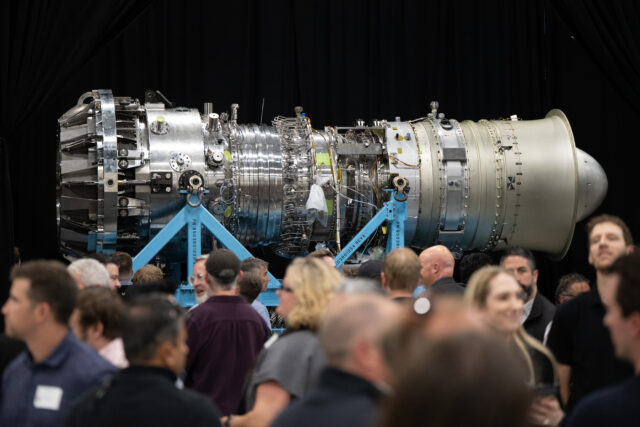
In a strategic attempt to diversify revenue streams, Boom Supersonic recently launched a new venture: the manufacturing of 42-megawatt natural gas turbines specifically designed for AI data centers. Unveiled on October 22, 2026, in Centennial, Colorado, the initiative aims to capitalize on the insatiable electricity demand of modern artificial intelligence infrastructure. The event featured high-profile support from U.S. Secretary of Energy Chris Wright and Colorado Governor Jared Polis, underscoring the political importance placed on energy independence and AI infrastructure.
The company’s plan involves a modular approach, where the "Sprint Core"—a proprietary turbine core—serves as the foundational technology for both the data center turbines and the eventual engines intended for the Overture airliner. By leveraging the same core architecture, Boom hopes to achieve economies of scale and technical synergy. The company has stated ambitious targets for this energy division, aiming to deliver the first turbines by mid-2027 and ramping up to an annual production rate of 50 units by 2029.
Market Volatility and Customer Retention
Despite the enthusiasm surrounding the "Superpower" turbine line, the energy sector has proven as volatile as the aerospace industry. In September 2026, the company suffered a notable setback when a $1.25 billion deal with data center developer Crusoe was abandoned. This contract would have seen the procurement of 29 gas turbines. Crusoe, a major player in the infrastructure space, has been instrumental in developing high-capacity data centers for tech giants such as Google, Microsoft, and Oracle.
The loss of such a significant partner highlights the competitive nature of the data center power market. Tech companies are increasingly looking for diverse energy solutions, including modular nuclear, grid-scale renewables, and varied gas-generation technologies. Boom’s CEO, Blake Scholl, has attempted to maintain investor confidence by pointing toward other potential clients, claiming that the company is on track to deliver approximately 250 megawatts of power to undisclosed sites in 2027. However, the lack of transparency regarding these alternative customers has left some analysts questioning the stability of the order book.
Comparative Analysis: The X-59 Factor
It is important to distinguish Boom’s efforts from other ongoing government-backed initiatives. Since October 2025, NASA has been conducting a series of test flights with the X-59 "QueSST" (Quiet SuperSonic Technology) aircraft. Unlike Boom’s reliance on atmospheric refraction, the X-59 utilizes a distinctive, elongated airframe to physically reshape shockwaves, theoretically resulting in a "thump" that is barely audible on the ground. NASA’s program is a research-focused endeavor intended to provide data to international regulators for potential standard-setting. While the technologies differ, both represent a broader global movement to reintroduce supersonic flight, yet both face the same skepticism regarding economic viability and public acceptance.

Strategic Implications and Future Outlook
The next twelve months will be critical for Boom Supersonic. The company’s planned testing of the Sprint Core at the Colorado Air & Space Port before the end of the year is expected to be a pivotal "make-or-break" moment. Success in firing the turbine would provide the empirical data necessary to silence critics who argue that the company’s dual-track approach is spread too thin.
Conversely, should testing results fall short of expectations, or if additional delivery delays emerge for either the Overture or the Superpower turbine, the company may face an existential liquidity challenge. The skepticism expressed by partners like United Airlines is not merely an inconvenience; it represents a fundamental questioning of the project’s underlying timeline.
For the aviation industry, the success of the Overture would represent a paradigm shift in long-haul travel. However, the history of aerospace development is littered with ambitious projects that succumbed to the "valley of death"—the period where development costs spiral while revenue remains years away. Boom is currently navigating this exact phase. As it attempts to bridge the gap between prototype and production, the company must now prove that it can manage the immense complexity of two disparate, highly regulated industries simultaneously. The coming year will determine whether Boom Supersonic is the architect of a new era of flight or a cautionary tale of overextension in the high-stakes world of deep tech.