
The United States Department of War announced a monumental milestone in national defense on Tuesday, awarding aerospace giant Boeing a contract valued at over $20 billion for the full-scale development of the F/A-XX. This sixth-generation carrier-based strike fighter represents a generational leap forward in naval aviation. Designed to operate from the flight decks of America’s nuclear-powered aircraft carriers, the stealth platform will secure undisputed maritime and air dominance for the U.S. Navy well into the latter half of the 21st century.
The multi-billion-dollar deal comes at a pivotal crossroads for the U.S. military, which faces increasingly sophisticated peer and near-peer adversaries, most notably China. As the Pentagon accelerates its push toward next-generation warfare, the F/A-XX program—part of the broader Next Generation Air Dominance (NGAD) initiative—serves as a crucial piece in a rapidly evolving geopolitical puzzle. With China rapidly modernizing its own naval fleet and expanding its anti-access/area-denial (A2/AD) capabilities, American defense planners are racing to ensure that U.S. pilots maintain technological superiority, enabling them to project unmatched power across contested global waters.
The Anatomy of a Sixth-Generation Leap
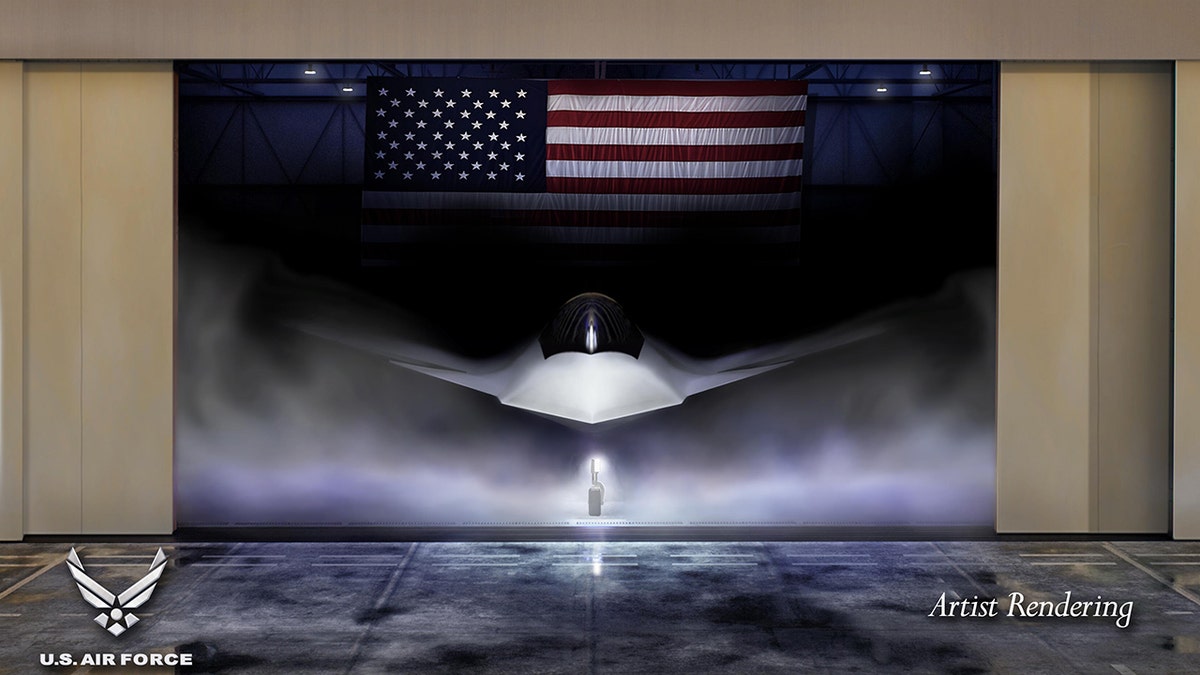
The F/A-XX is not merely an incremental upgrade over existing platforms; it is a fundamental reimagining of carrier air wing operations. While technical specifics remain strictly classified under national security and export control laws, defense officials have confirmed that the aircraft will incorporate revolutionary advancements in stealth materials, advanced sensor fusion, next-generation mission systems, and extended operational reach.
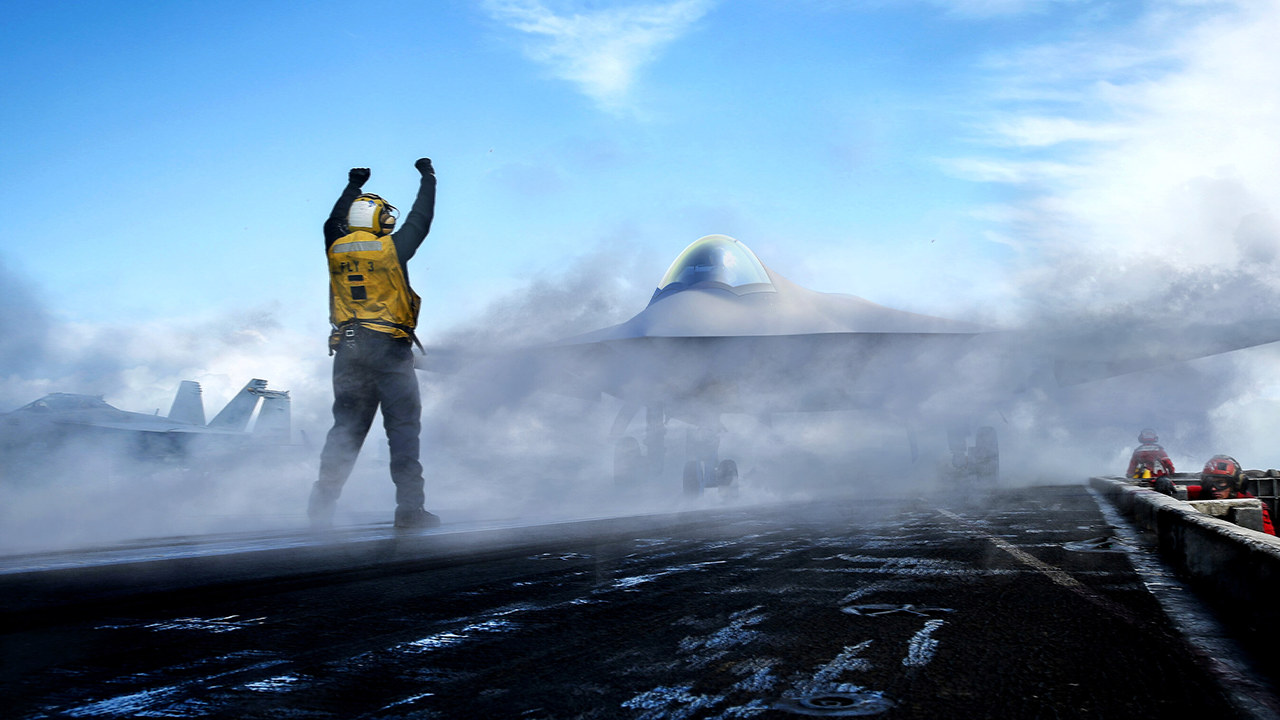
Furthermore, the fighter is engineered for manned-unmanned teaming. It will operate seamlessly alongside Collaborative Combat Aircraft (CCAs)—advanced autonomous drones designed to act as force multipliers. These unmanned wingmen will be capable of carrying additional munitions, conducting high-risk reconnaissance, and drawing enemy fire, all while being controlled or coordinated by the pilot of the F/A-XX. This symbiotic relationship will drastically increase the survivability of naval aviators while exponentially expanding the combat capacity of every aircraft carrier strike group.
The contract awarded to Boeing covers the construction and testing of multiple prototype aircraft. These test vehicles will be subjected to rigorous ground testing, structural airworthiness evaluations, and complex systems and weapons integration trials to ensure the platform can withstand the punishing environment of carrier-based operations, including catapult launches and arrested landings in salt-water-laden, high-stress maritime conditions.
Boeing Secures Dual Dominance in Next-Gen Fighters
For Boeing, this contract marks a monumental victory and cements the company’s manufacturing dominance in the next-generation combat aircraft sector. This is the aerospace manufacturer’s second major sixth-generation fighter program award, following its selection in 2025 to build the U.S. Air Force’s F-47 stealth fighter.
Steve Parker, president and CEO of Boeing Defense, Space & Security, highlighted the historic nature of the dual wins in a statement following the announcement.
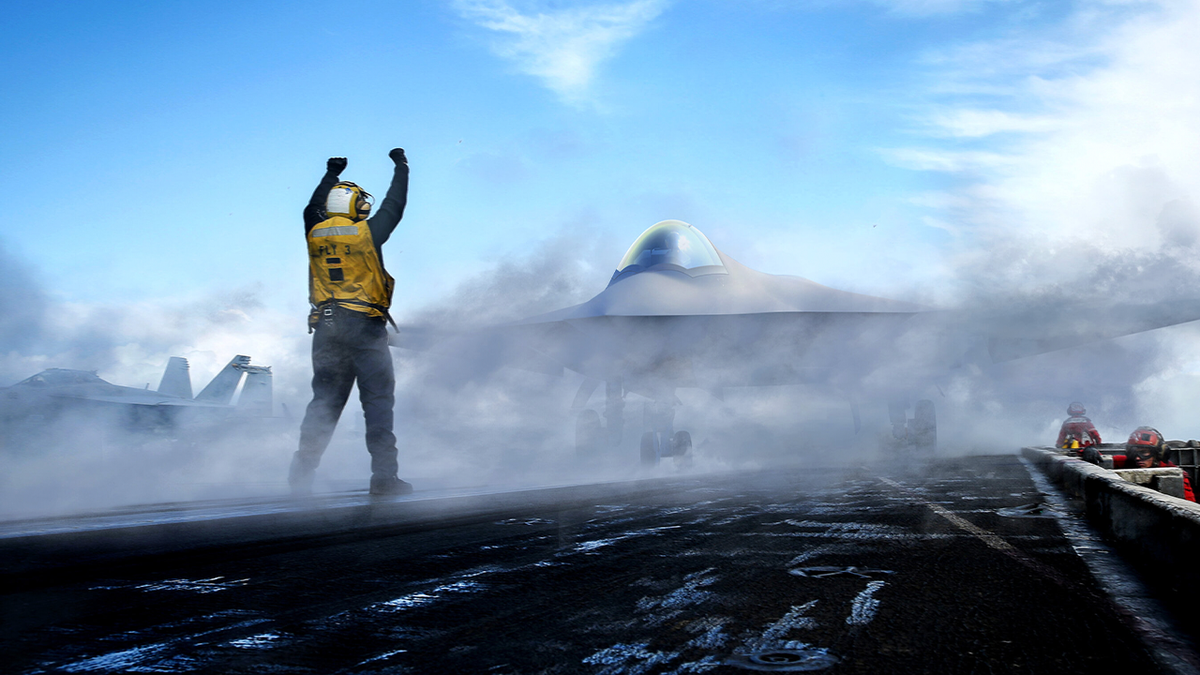
"Delivering two advanced fighters in parallel was always our plan, and we invested accordingly," Parker said. "We are ready and able to build multiple concurrent future combat aircraft franchise programs. It’s an honor to be selected to produce the Navy’s first sixth-generation platform, and our team is ready to execute this critical program."
To prepare for the unprecedented manufacturing demands of building two distinct sixth-generation stealth fighters simultaneously, Boeing has made massive capital investments. The company is actively continuing construction on a state-of-the-art, highly secure manufacturing facility in St. Louis, Missouri. This facility is engineered specifically to handle the complex assembly requirements of advanced low-observable (stealth) aircraft, utilizing cutting-edge digital engineering, robotics, and advanced composite manufacturing techniques.
Local leadership in Missouri has embraced the economic and strategic windfall associated with the defense giant’s expansion. Missouri Gov. Mike Kehoe took to social media to celebrate the announcement, proclaiming on the platform X: "St. Louis is Fighterland, USA! Proud of this incredible win that further cements Missouri as a critical leader in the future of America’s air dominance, innovation, and national defense."
Strategic Context: Rebuilding the Arsenal from Air to Sea
The rollout of the F/A-XX program does not happen in a vacuum. It is part of a broader, aggressive overhaul of America’s military industrial base spearheaded by the Trump administration to address critical vulnerabilities in national defense arsenals.
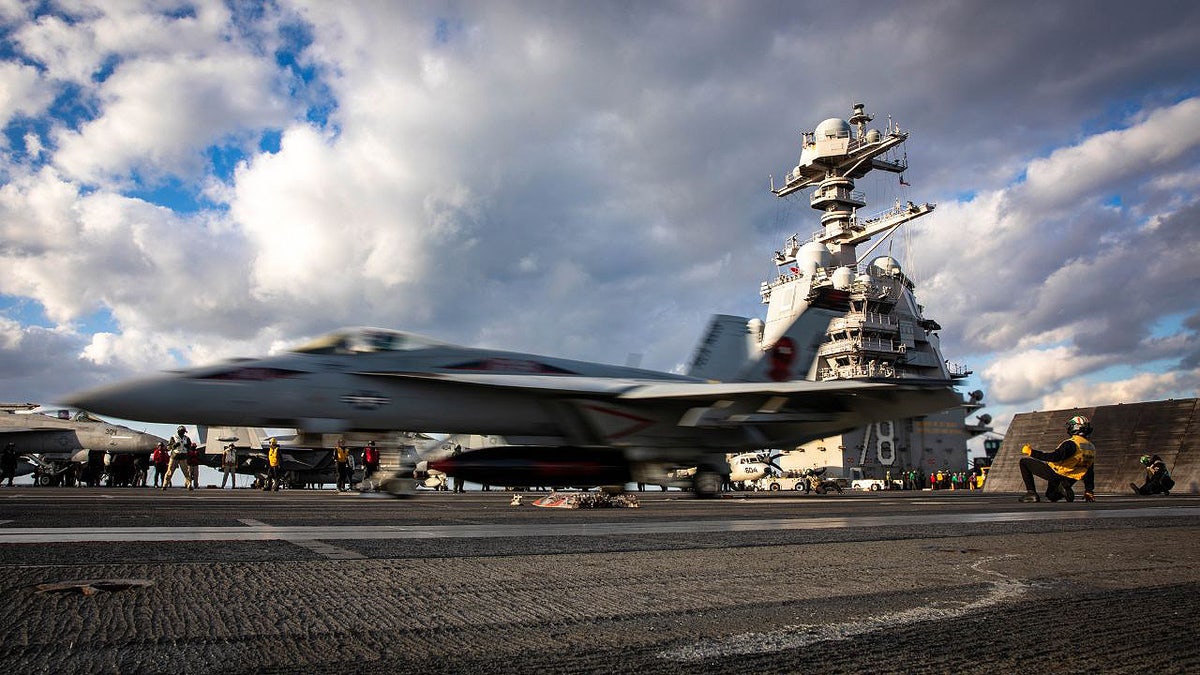
Defense experts and military leaders have warned for years that decades of defense budget fluctuations, supply chain bottlenecks, and bureaucratic delays have left the U.S. military stretched thin. Former U.S. Navy Lieutenant Commander Tom Sauer has frequently emphasized the urgent need to revitalize not only American aviation but also U.S. shipbuilding. Sauer has pointed to the stark and growing disparity in naval ship counts between the United States and China, warning that Beijing’s expanding naval capacity poses a direct threat to global trade routes and regional stability.
To counter these maritime challenges, the administration has championed massive legislative and financial initiatives, including proposed investments totaling $210 billion in loan authorizations to modernize and expand domestic shipyards. Simultaneously, the Pentagon is pivoting heavily toward unmanned warfare—consolidating drone oversight and fast-tracking autonomous systems for both sea and air operations.
While unmanned systems are vital for future engagements, the Department of War maintains that manned platforms like the F/A-XX remain irreplaceable when it comes to split-second tactical decision-making, complex command-and-control in contested electromagnetic environments, and political signaling during international crises.
Official Reactions and the Path to the 2030s
Top defense officials have underscored the vital importance of the F/A-XX program to America’s long-term geopolitical posture.
Michael P. Duffey, under secretary of war for acquisition and sustainment, labeled the program a "crucial, non-negotiable investment" in national security.
"The F/A-XX is a critical pillar in our commitment to maintaining peace through strength," Duffey stated. "F/A-XX will dominate contested airspace, extend operational reach, and deliver a decisive combat advantage for the warfighter. We are joining forces with Boeing to field these capabilities rapidly, ensuring our warfighters possess the lethal and highly networked systems required to deter aggression, project undisputed power, and secure absolute air superiority."
Acting Navy Secretary Hung Cao, whom President Trump tapped as a "true warrior" to lead the naval branch after four months as its acting leader, echoed those sentiments. Cao hailed the agreement as the dawn of a new era for naval aviation.
"The Sixth-Generation fighter is a generational leap in air superiority and will provide the world’s best aviators with unparalleled capabilities to fight, win, and come home safe," Cao said. "We are excited to partner with Boeing, and for our warfighters to continue to dominate the skies and defeat our nation’s enemies."
Timeline and Fleet Integration
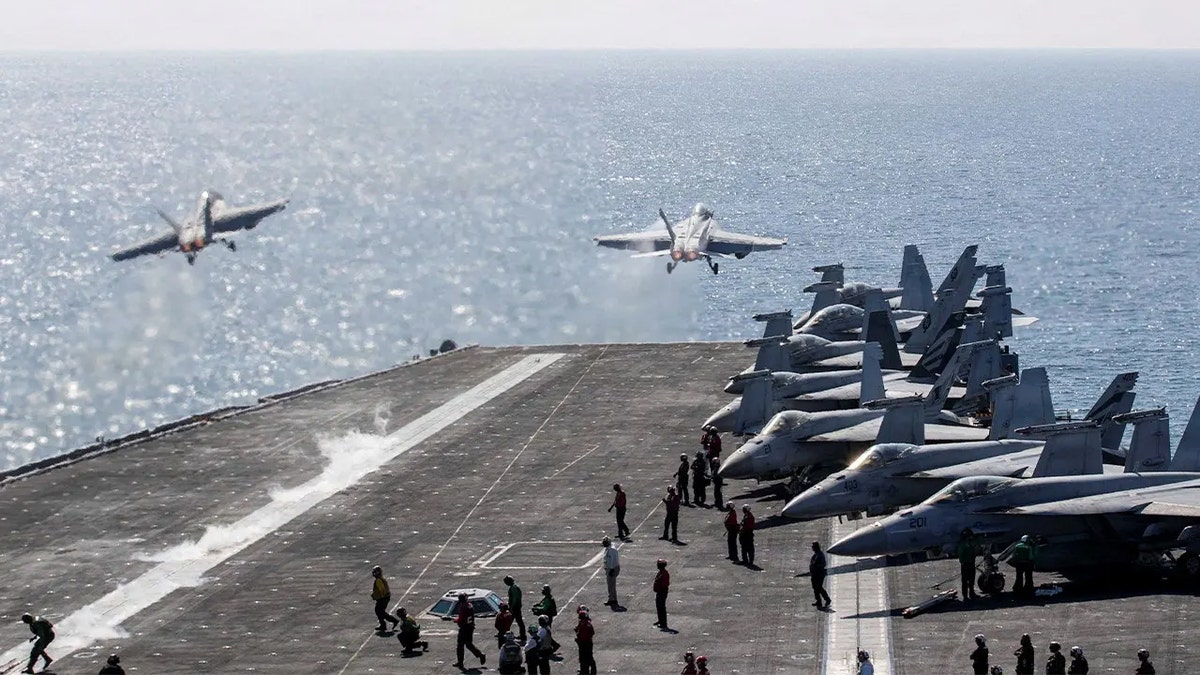
The integration of the F/A-XX into the active fleet is scheduled to begin in the 2030s. When operational, the aircraft will serve as the premier strike fighter of the Navy’s carrier air wings, gradually augmenting and eventually replacing the service’s aging legacy fleet of Boeing F/A-18E/F Super Hornets and EA-18G Growlers.
The F/A-XX will not operate alone; it will form a formidable tripartite air combat triad alongside the fifth-generation Lockheed Martin F-35C Lightning II and advanced autonomous collaborative combat aircraft. This blend of fifth- and sixth-generation manned platforms, backed by swarms of intelligent drones, will ensure that U.S. aircraft carriers remain the preeminent symbols of American power projection across the globe.
As Boeing breaks ground on its new manufacturing spaces and engineers race to build the first flight-ready test articles, the F/A-XX stands as a testament to the nation’s enduring commitment to technological superiority. In an era defined by intensifying great-power competition, this multi-billion-dollar investment signals a clear message to adversaries: America’s skies and seas will remain defended by the most advanced military technology on Earth.
Related posts: