As the countdown to the midterm elections accelerates, Capitol Hill has found itself unexpectedly anchored to Washington, D.C., rather than scattered across the country on the campaign trail. What was initially projected to be a swift departure from the capital for lawmakers seeking reelection has morphed into a high-stakes legislative showdown. At the center of this battle are skyrocketing utility bills, the surging energy demands of artificial intelligence (AI) data centers, and a fierce partisan clash over economic affordability that could sway key battleground states.
The legislative friction point centers on how the rapid proliferation of artificial intelligence data centers is impacting local electricity grids. As tech giants race to construct massive facilities to power complex computing models, these data centers consume vast amounts of electrical power, often straining regional grids. The immediate downstream effect has been a noticeable spike in monthly utility bills for everyday consumers—a pocketbook issue that has alarmed voters across the political spectrum.
Recognizing a significant vulnerability regarding public anxiety over household costs, House Republicans advanced the Ratepayer Protection Act prior to leaving Washington. The bill passed overwhelmingly with a rare 417-3 bipartisan margin, designed to shield ordinary ratepayers from footing the bill for energy spikes driven by commercial data hubs. Instead, the legislation forces major tech and data center operators to shoulder the financial burden of the infrastructure and power demands they create.
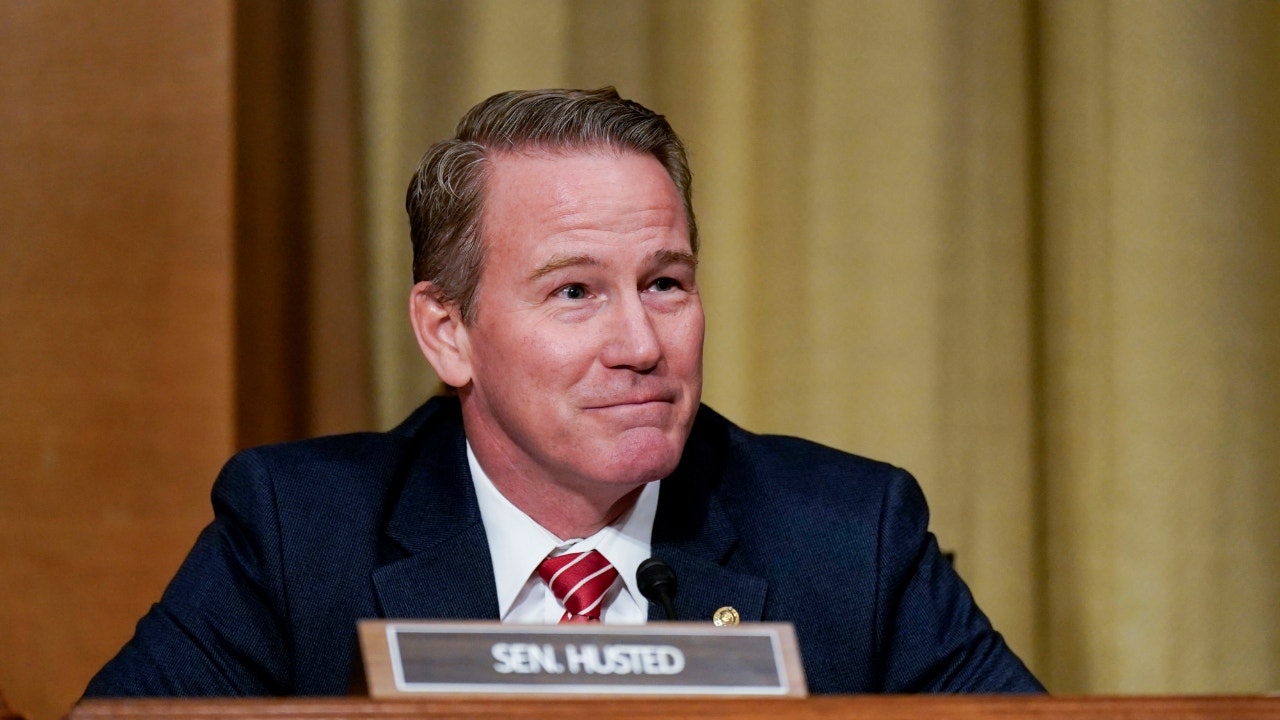
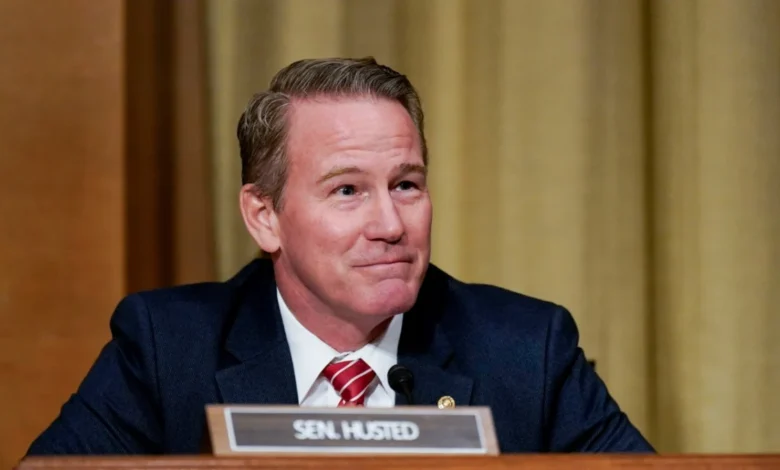
However, translating this momentum to the upper chamber proved far more contentious. In the Senate, vulnerable incumbents and candidates are feeling the intense heat of public frustration over economic pressures. Among them is Senator Jon Husted, R-Ohio, who faces one of the most fiercely contested and expensive Senate races in the country against former Senator Sherrod Brown, D-Ohio. Seeking to deliver a concrete legislative win to his home state constituents—where data center expansion has sparked fierce debates over prime agricultural land and spiking utility costs—Husted took to the Senate floor to demand immediate, unanimous passage of the House-passed Ratepayer Protection Act.
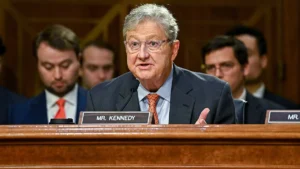
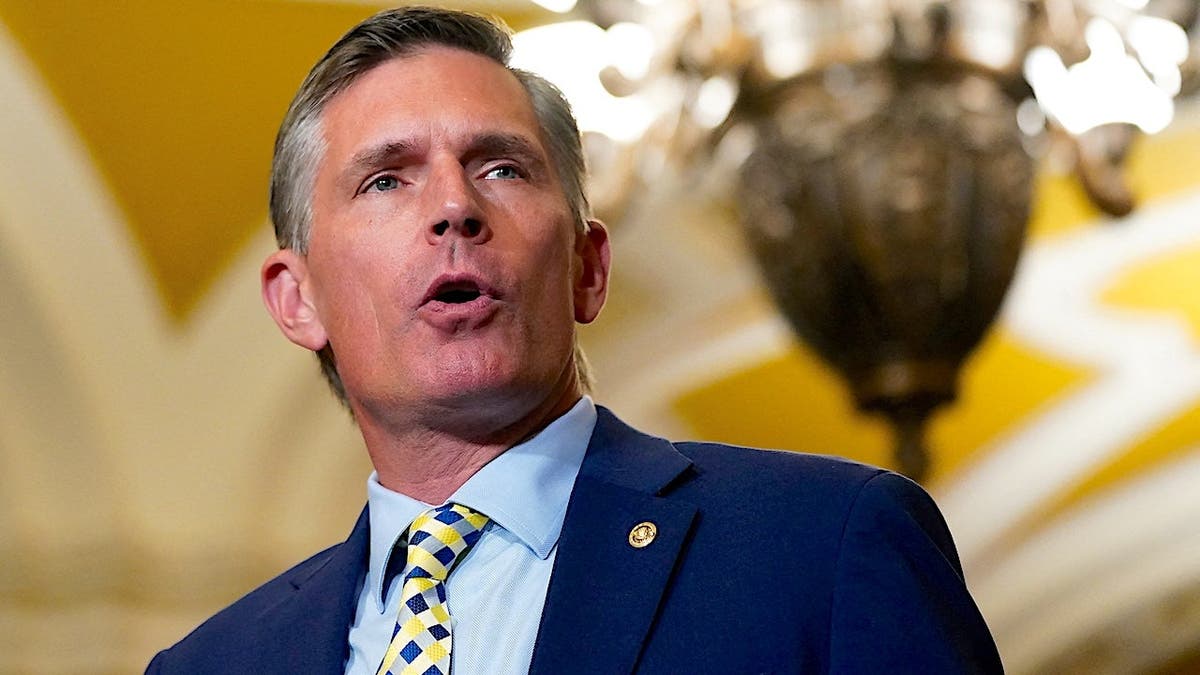
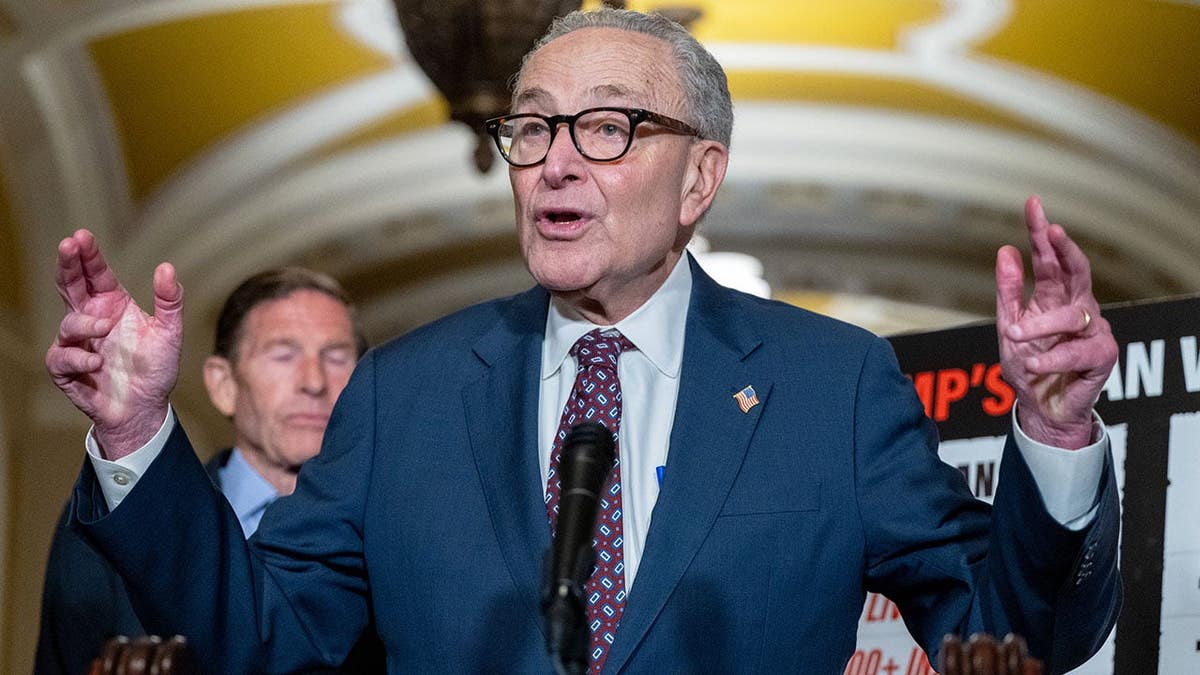
That effort was swiftly checked when Senator Martin Heinrich, D-N.N., raised an objection, blocking the fast-track maneuver. Senate Democrats argued that the House version of the legislation was legally deficient, characterizing it as voluntary and lacking the regulatory teeth necessary to truly protect consumers. Senate Minority Leader Chuck Schumer, D-N.Y., dismissed the Republican proposal as a superficial fix, asserting that public utility regulators would merely be encouraged to consider a standard rather than mandated enforcement, leaving loopholes for major technology firms.
The political calculus behind the Democratic blockade, however, did not escape the notice of Senate Republicans. GOP leadership quickly pivoted, viewing the Democratic resistance not merely as a policy disagreement, but as a strategic opening. By standing in the way of a bill styled around consumer affordability that enjoyed near-universal bipartisan support in the House, Democrats handed Republicans a powerful messaging tool just weeks before voters head to the polls.
Senate Majority Leader John Thune, R-S.D., responded to the impasse by scheduling a high-stakes test vote to force the issue onto the floor. Requiring the standard 60-vote threshold to break potential filibusters and advance debate, the move dares Democrats to either cooperate on the measure or block it once again. While legislative success remains uncertain given deep partisan divides, the procedural maneuver guarantees that the debate over data centers and energy costs will remain front and center in the closing weeks of the campaign cycle.

The Battlegrounds and the Broader Economic Landscape
The legislative battle over utility costs and AI infrastructure is not happening in a vacuum; it is reflective of a broader scramble across more than a dozen competitive Senate battleground states. With control of the upper chamber hanging in the balance, both parties are desperately searching for wedge issues that resonate beyond traditional party lines.
For Republicans, the affordability argument has become a central pillar of their midterm strategy. Following economic anxieties tied to previous legislative packages passed earlier in the congressional cycle, GOP strategists have increasingly focused on localized economic pain points. The rapid growth of AI infrastructure provides a tangible, highly visible flashpoint. In states like Missouri, Ohio, and beyond, voters have expressed deep-seated concerns regarding the conversion of prime agricultural land into sprawling server farms, compounded by the fear of compounding utility rates. Senator Josh Hawley, R-Mo., echoed these concerns on the Senate floor, warning that unchecked data center expansion threatens both local farming communities and working-class families already strained by inflation.
Conversely, Democrats maintain that their opposition is rooted in a commitment to stronger, more enforceable consumer protections. Senators such as Chris Van Hollen, D-Md., argued that while the Republican-backed bill represents a nominal step forward, it fundamentally fails to "meet the moment" or hold the wealthiest corporations accountable. Democrats argue that any genuine reform must impose mandatory obligations rather than voluntary guidelines, ensuring that tech conglomerates—not local taxpayers—fund the grid enhancements necessitated by their operations.
Despite these policy arguments, Republicans maintain that the Democratic pushback is primarily politically motivated. GOP leaders argue that Schumer and his caucus are intentionally denying Husted a legislative victory in order to safeguard Brown’s electoral prospects in Ohio. The state has emerged as a premier battleground, characterized by heavy advertising spending and intense voter scrutiny. By blocking the bill, Democrats risk painting themselves as defenders of big tech over everyday ratepayers—a narrative that Republican campaign arms are eager to amplify across the airwaves.
Implications for the Legislative Calendar and the Midterms
The decision by Senate leadership to keep the chamber in session rather than dispersing for final campaign sprints underscores the acute anxiety surrounding economic messaging. While leadership on both sides of the aisle acknowledges the universal desire of senators facing tough reelection bids to return home, the strategic imperative of controlling the narrative on affordability ultimately prevailed.
As the Senate prepares for its upcoming procedural votes, the immediate outcome remains fluid. If Democrats choose to block the measure again, Republicans intend to use the procedural wall as proof that their opponents are out of touch with the pocketbook concerns of working Americans. If some moderate Democrats break ranks to support moving the bill to the floor, the legislation will enter an open amendment process, setting the stage for a frantic debate over regulatory stringency, corporate welfare, and the future of energy policy.
Regardless of the legislative mechanics, the episode highlights a fundamental shift in modern political campaigns. As artificial intelligence and advanced technology industries rapidly expand their physical footprints across the American landscape, the intersection of local energy grids, corporate responsibility, and consumer costs has transformed from a niche regulatory concern into a front-line electoral battleground. For lawmakers in Washington, the ability to successfully navigate this tension may very well determine the balance of power in the United States Senate for the remainder of the decade.