The debate over the future of American energy is increasingly playing out not in Washington boardrooms, but in rural courthouses where local officials weigh the immediate financial pressures of climate change against concerns over changing landscapes. In Bannock County, Idaho, a three-person county commission is preparing to vote on a revised land-use ordinance that could reverse a sweeping 2024 ban on utility-scale wind and solar development. The upcoming vote serves as a critical test case for rural American communities grappling with regional power deficits, shifting agricultural economies, and a surge in local ordinances restricting clean energy installations nationwide.
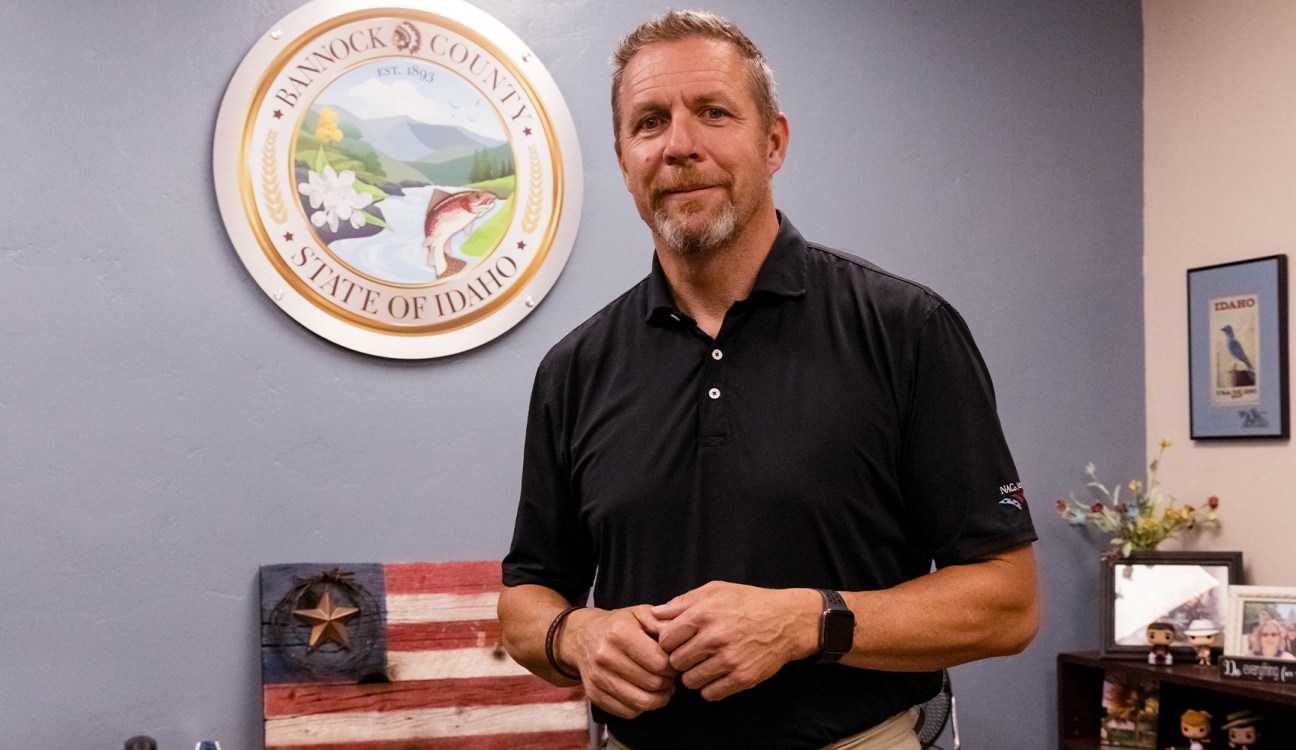
The proposed code changes, slated for consideration this fall, would establish a framework permitting the development of solar, wind, and nuclear energy generation facilities within the county boundaries. This legislative pivot is spearheaded primarily by County Commission Chair Jeff Hough. Hough, a Republican who cast the lone dissenting vote against the initial moratorium in March 2024, has argued that blanket prohibitions on renewable infrastructure infringe upon fundamental private property rights and isolate the county from vital economic development opportunities.
The National Landscape of Clean Energy Impediments
Bannock County’s legislative trajectory reflects a broader nationwide friction point between rural preservation and energy infrastructure expansion. Data compiled from analyses by The Daily Yonder, Canary Media, USA Today, and the Sabin Center for Climate Change Law at Columbia University indicate that nearly one in four U.S. counties implemented a ban, moratorium, or significant impediment to clean energy development by 2025, up from roughly 15 percent in 2023. More than 60 percent of these restrictive counties are classified as rural under criteria established by the U.S. Office of Management and Budget.
This wave of local restrictions often collides with surging regional electricity demand. In Idaho, the state’s largest utility, Idaho Power, projects that electricity consumption will increase by approximately 1 gigawatt by 2030, representing a 26 percent leap from current baselines. Proponents of renewable energy infrastructure argue that rural counties cannot afford to reject potential generation capacity. Renewable Northwest policy manager Aaron Menenberg noted that regional economic futures depend heavily on immediate infrastructure deployment, emphasizing that the grid faces a severe supply constraint.
Strategic Geography and Agricultural Pressures
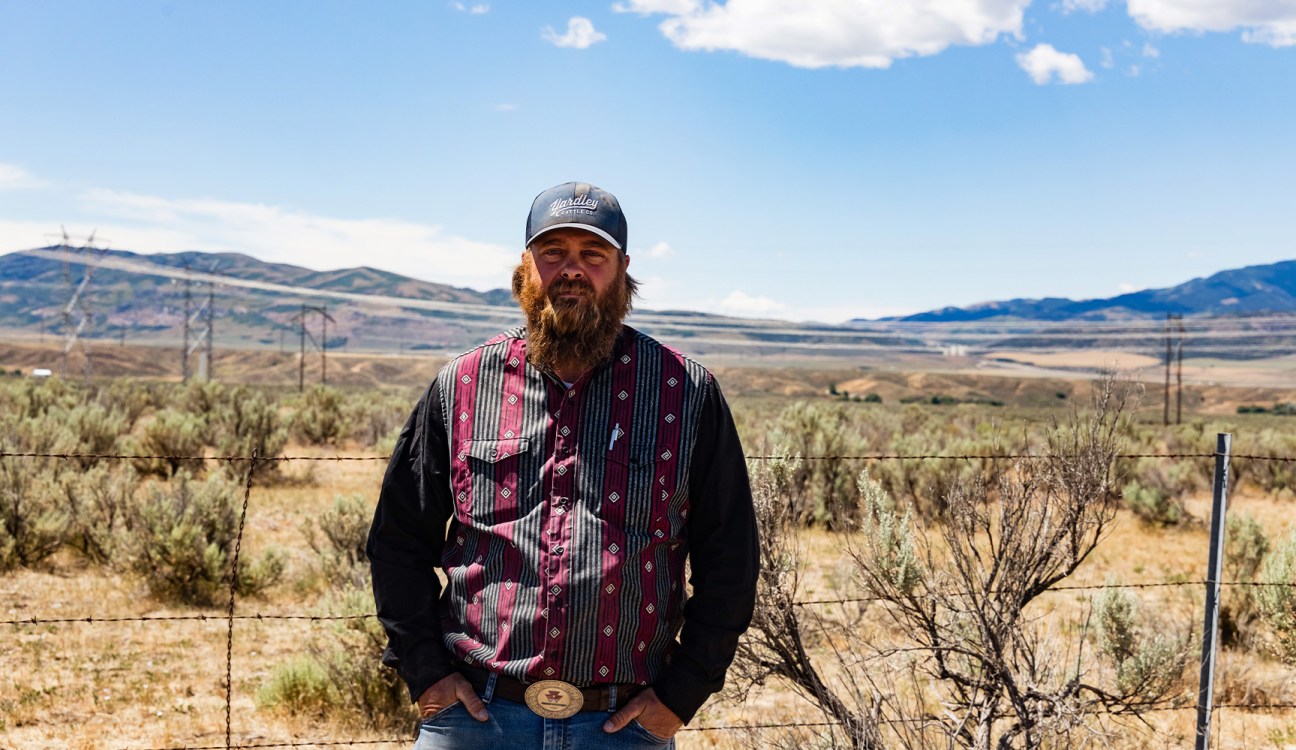
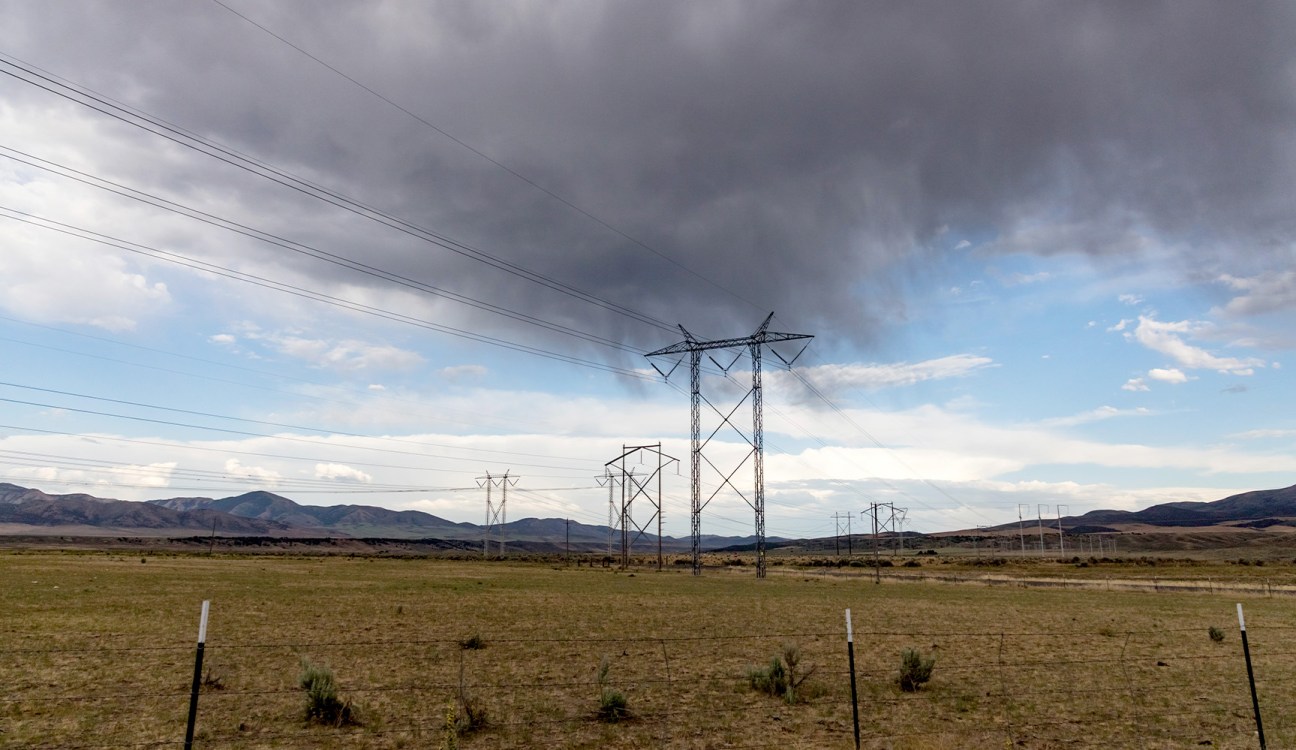
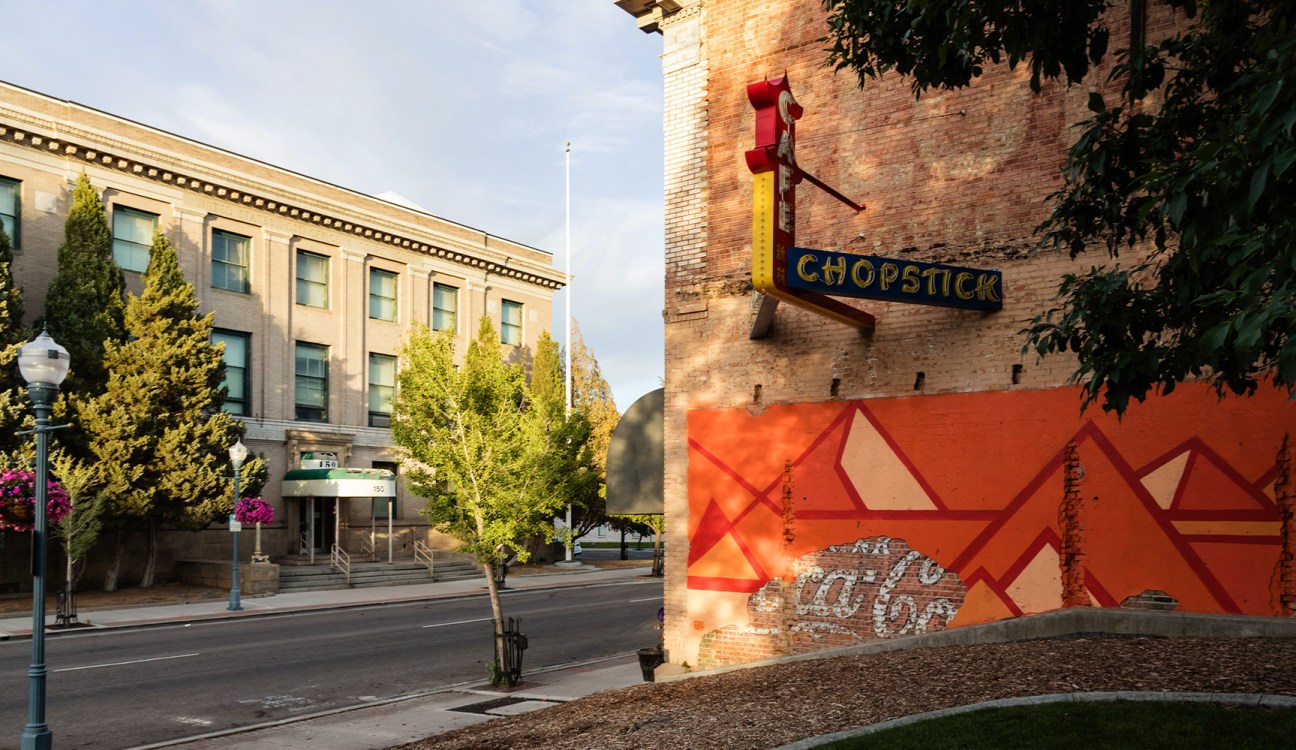
Nestled in southeastern Idaho just north of Salt Lake City, Bannock County occupies a strategic geographic position for energy transmission. The region houses the Populus substation, a critical juncture for moving electricity onto high-voltage lines that feed into Idaho, Utah, Wyoming, and the broader Pacific Northwest. Proximity to established substations significantly reduces the transmission interconnection costs for new power plants, savings that can ultimately moderate utility bills for end consumers.
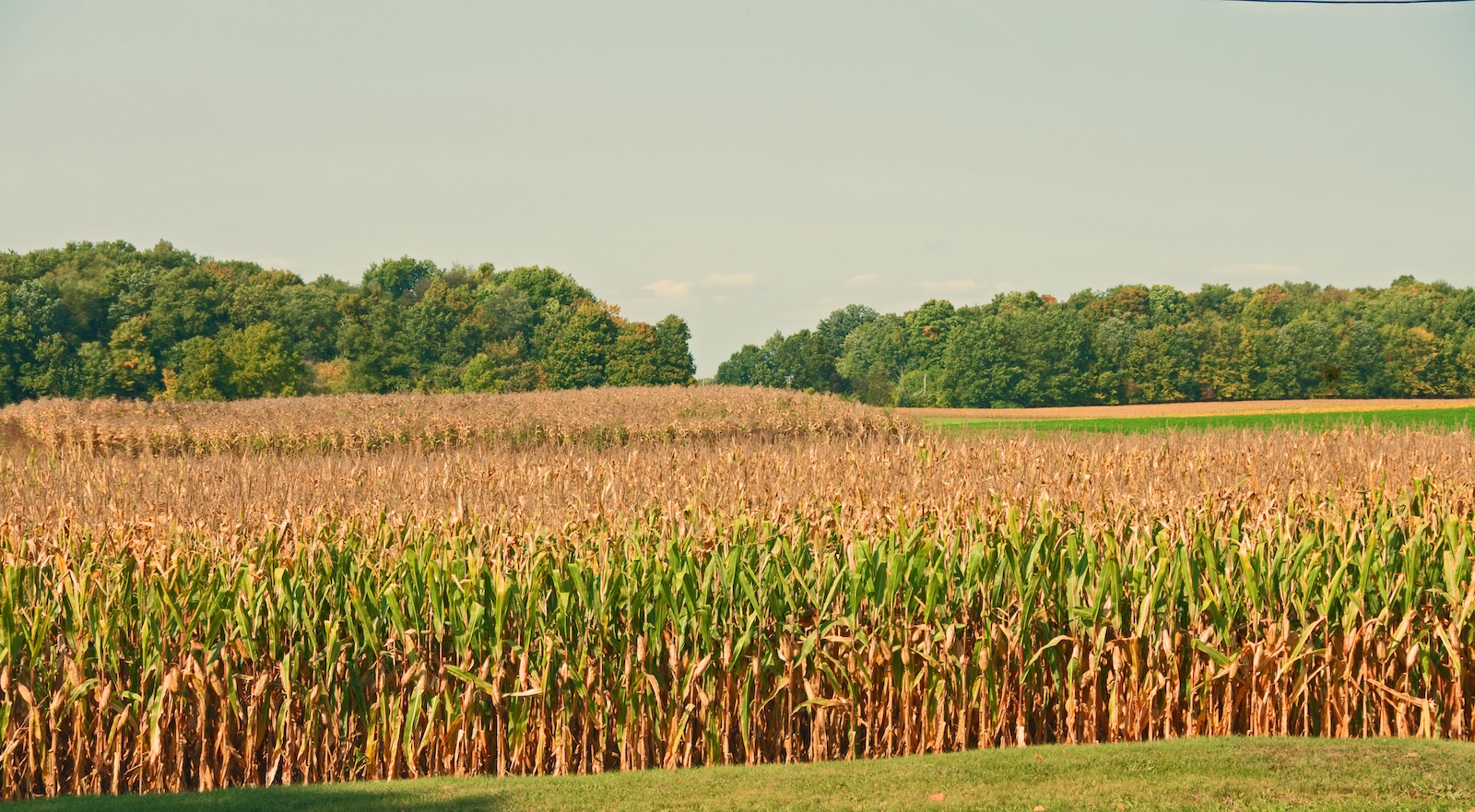
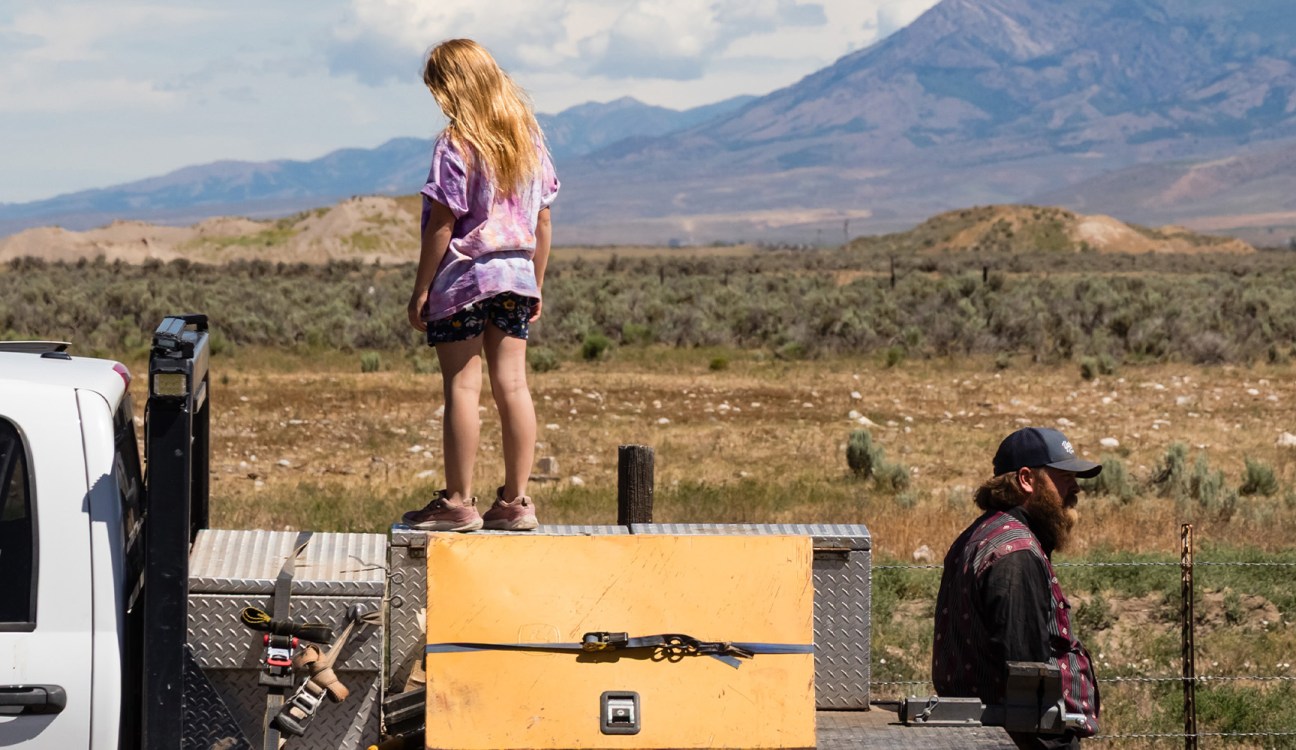
For local farmers, however, the debate is intimately tied to the viability of family farms amid worsening environmental conditions. Southeastern Idaho has experienced severe drought exacerbated by shifting climate patterns, leaving more than 87 percent of Bannock County under extreme drought classifications following a winter of record-low snowfall. Generations of grain farmers who traditionally relied on dryland wheat farming or cattle grazing report diminishing yields, forcing many to seek alternative revenue streams to retain their acreage.
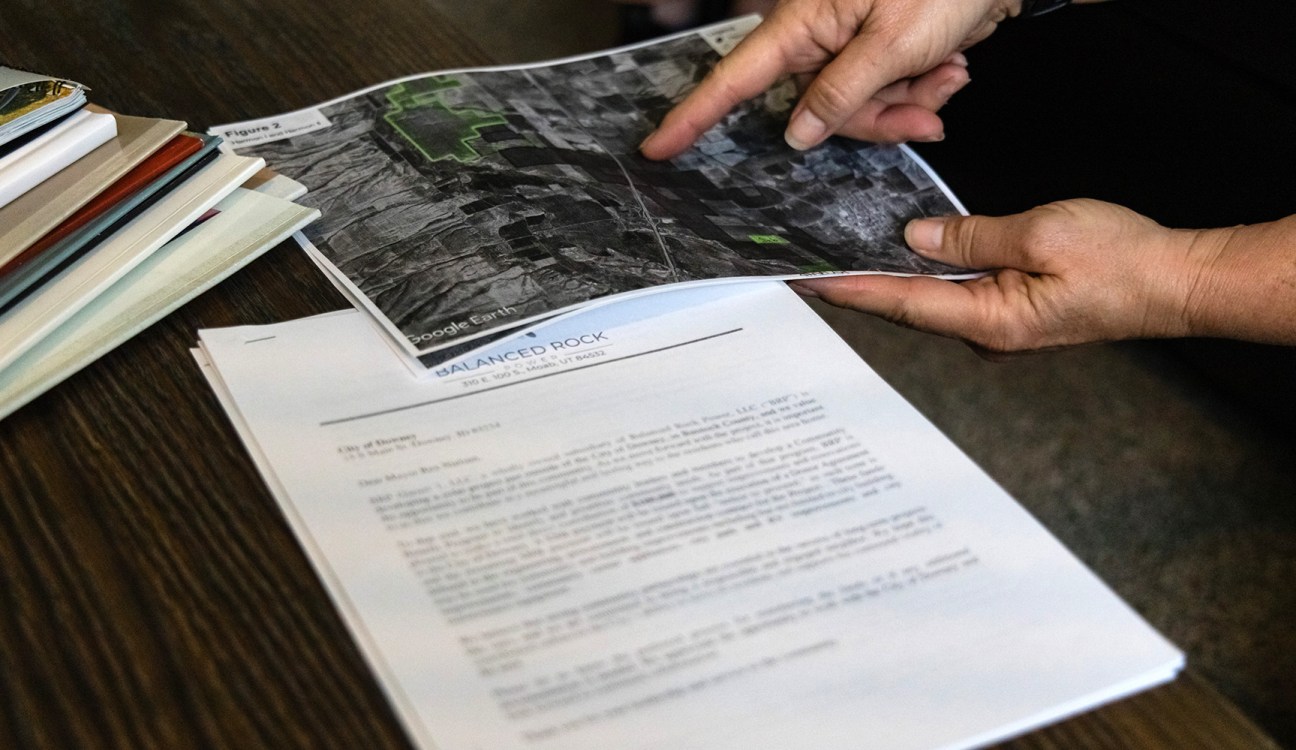
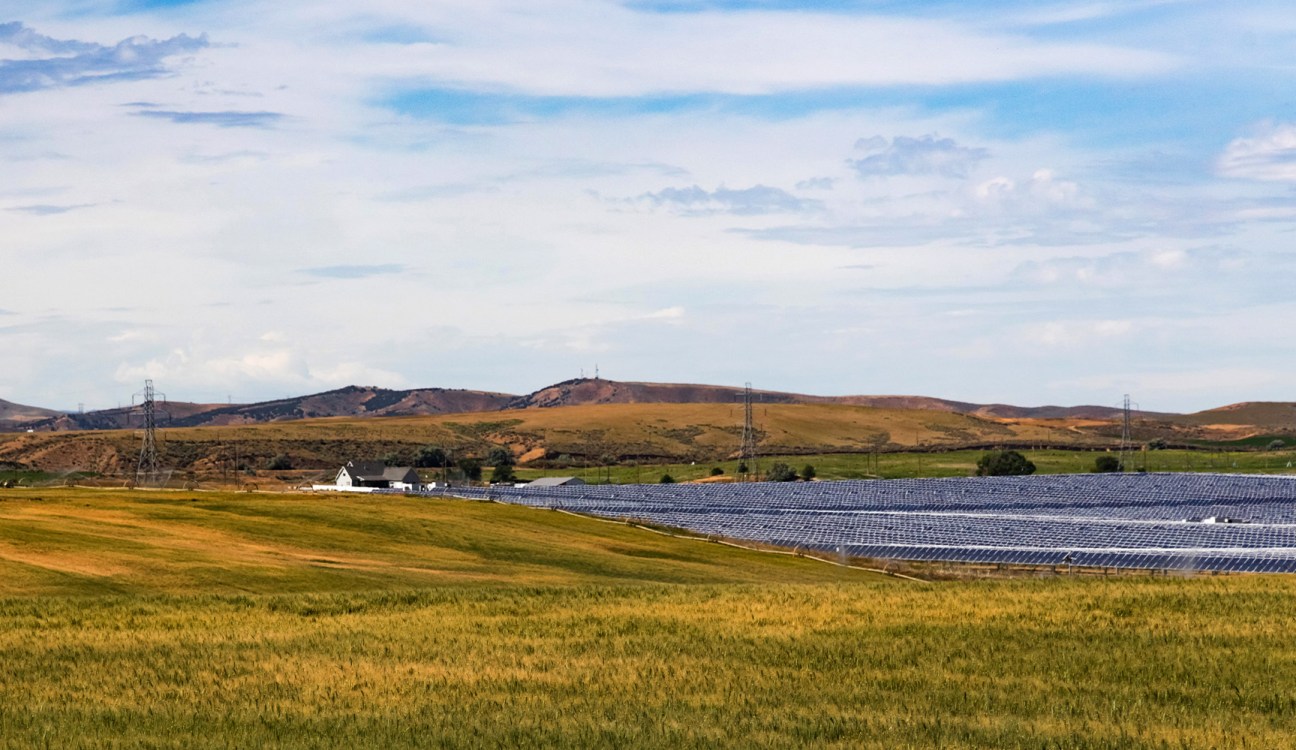
Proponents of solar leases argue that utility-scale projects offer a lifeline. Local farmers who considered lease options with developers like Hecate Energy and Balanced Rock Power noted that per-acre income projections from solar agreements can vastly outpace traditional agricultural yields. Neighboring Power and Bingham counties provide local economic proof, having generated hundreds of thousands of dollars in tax revenue from clean energy installations in 2024 alone.
Chronology of the Ban and Community Divisions
The regulatory conflict in Bannock County unfolded rapidly over a multi-year period:
- Fall 2023: Following the Idaho Association of Counties conference in Boise—where large-scale regional proposals like the now-canceled Lava Ridge Wind Project dominated discussions—Commissioner Jeff Hough recognized that Bannock County lacked comprehensive zoning ordinances for energy generation. On October 12, 2023, the commission enacted a six-month moratorium on large-scale energy projects to draft regulations.
- February 2024: Public interest surged as developers approached local landowners. A pivotal public hearing was relocated to a high-school auditorium in south Bannock County to accommodate crowds, with local residents sharply divided over property rights versus landscape preservation.
- March 2024: The three-person commission voted 2–1 to pass an ordinance banning utility-scale solar and wind development, with Hough casting the sole dissenting vote.
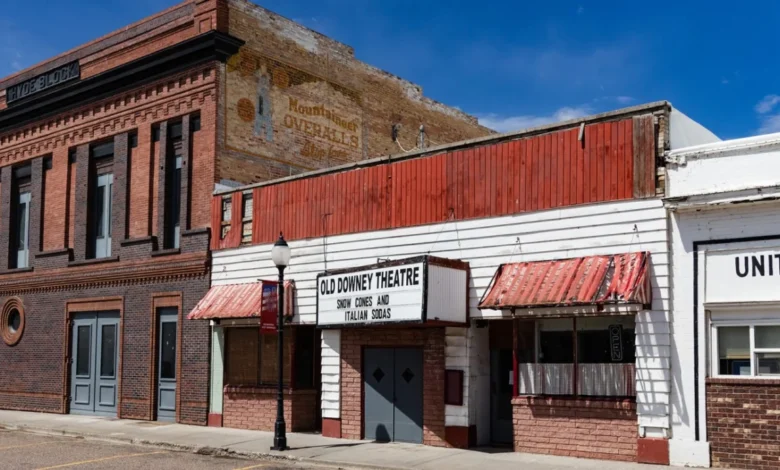
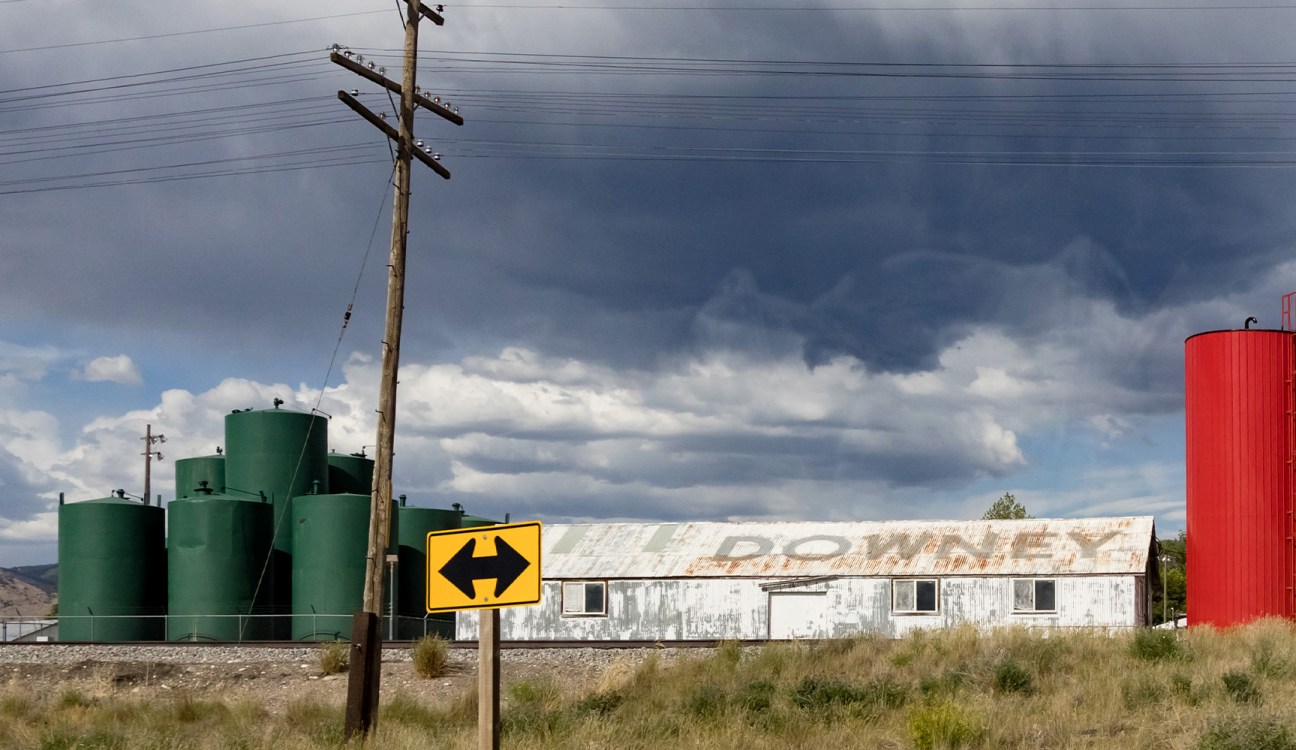
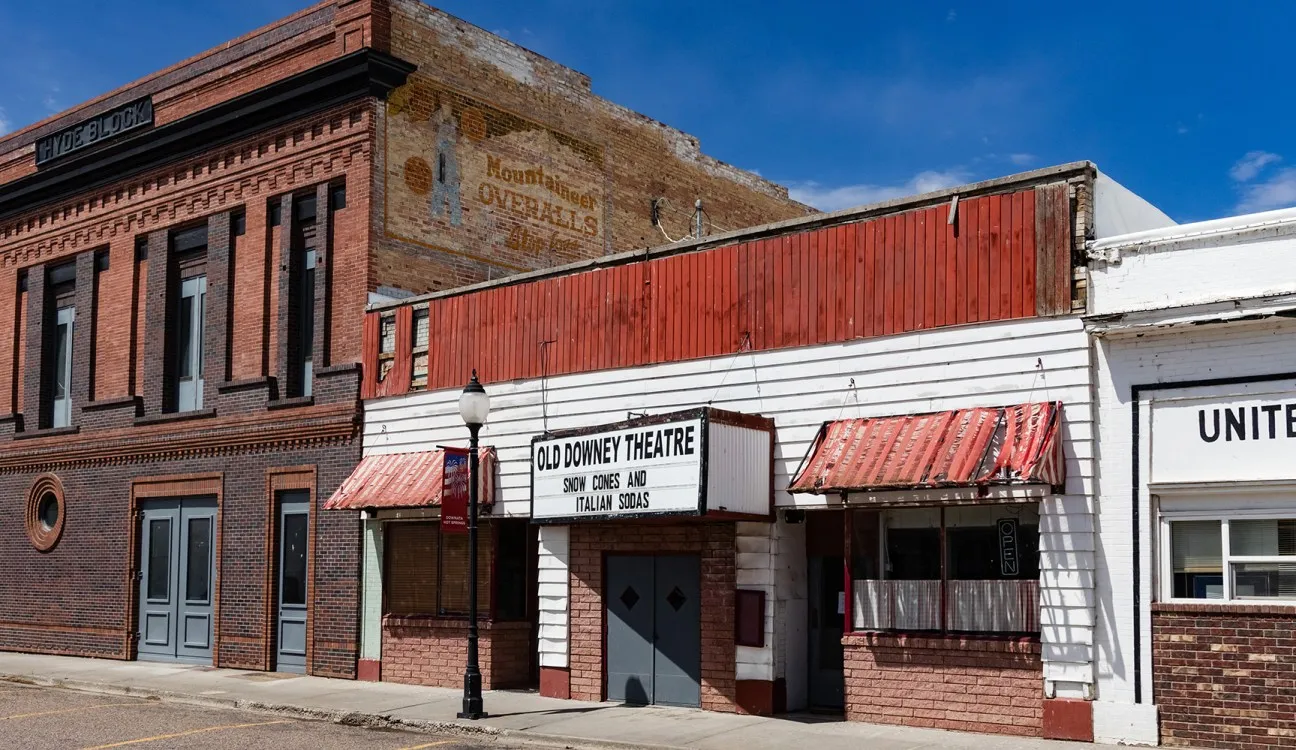
- May 2024–2025: Local elections and public forums exposed deep geographic polarization. While urban centers like Pocatello leaned more favorably toward clean energy, rural enclaves like Downey registered overwhelming opposition. Developers subsequently withdrew active projects, including Hecate Energy terminating land options.
- 2026: Commission leadership shifted as Hough became chair. The county surveyed residents regarding advanced nuclear energy, revealing broad support, and began drafting a new unified land-use code to integrate wind, solar, and nuclear options.
The Divide Over Landscape and Legacy
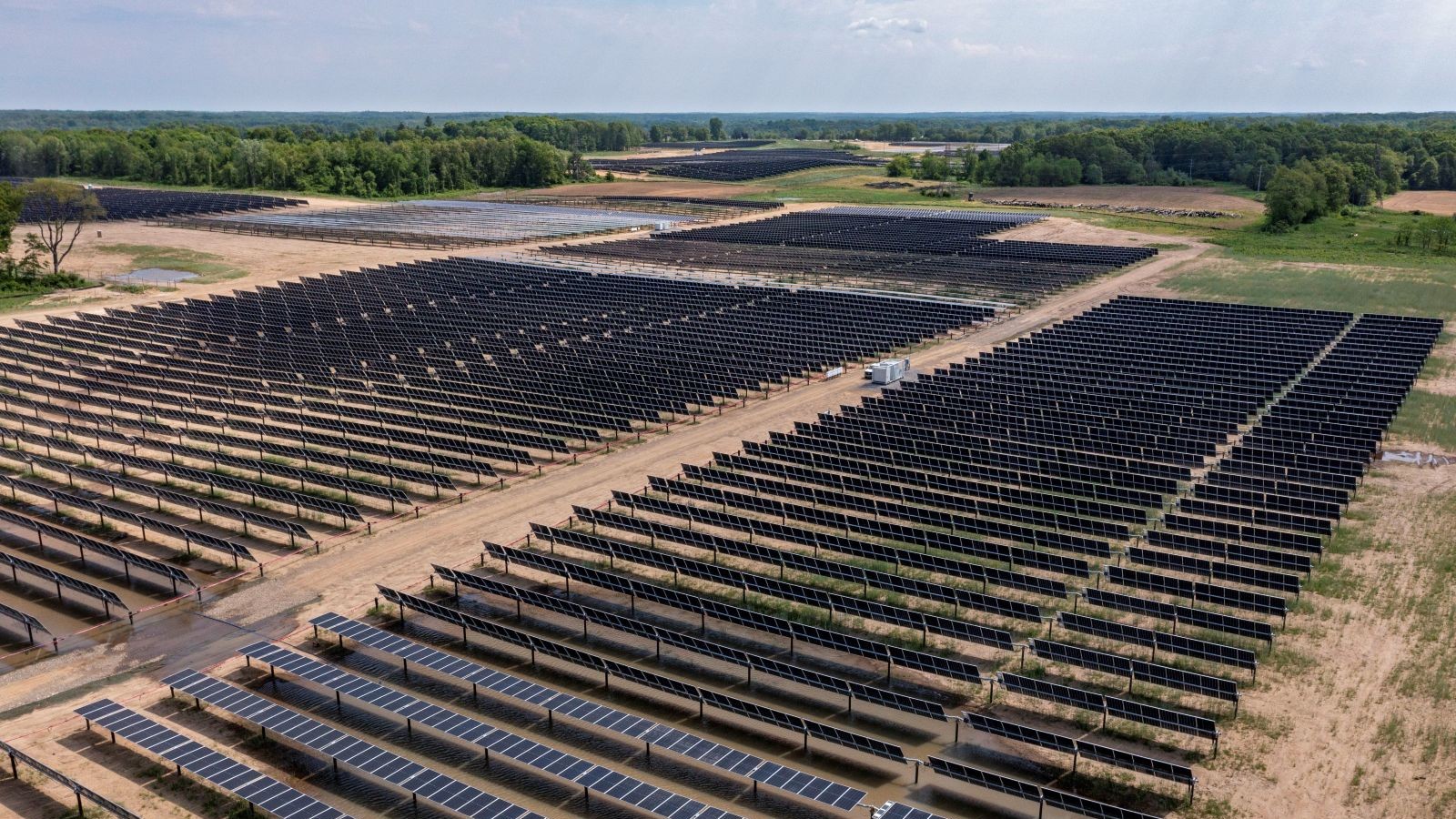
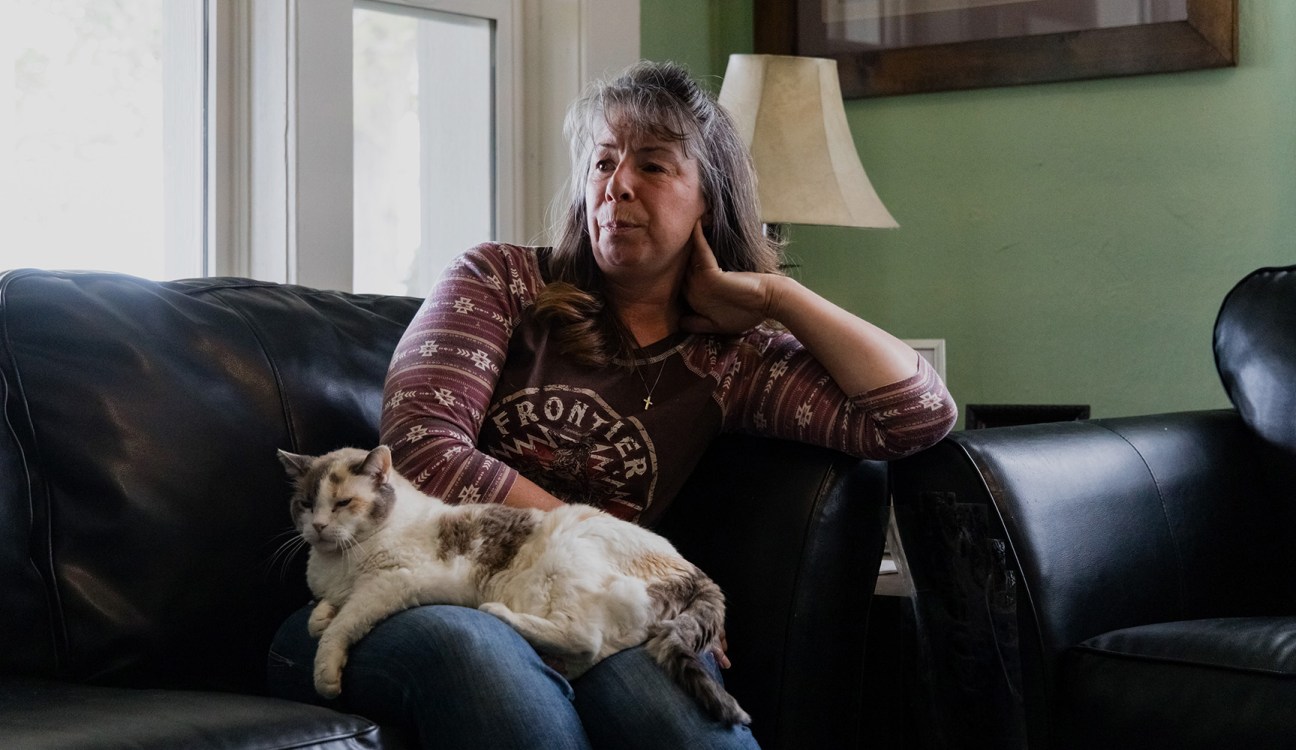
Opposition to renewable energy development in south Bannock County remains anchored by long-standing residents who fear permanent alterations to the rural aesthetic and express skepticism regarding long-term land stewardship. Community organizers such as Rebecca Falcon and Dez Hauser have led grassroots opposition, filing public records requests and organizing neighborhood networks against utility-scale projects. Critics frequently cite concerns over land footprint, potential battery storage fire risks, and the long-term enforceability of decommissioning bonds required to return agricultural land to its pre-construction state.
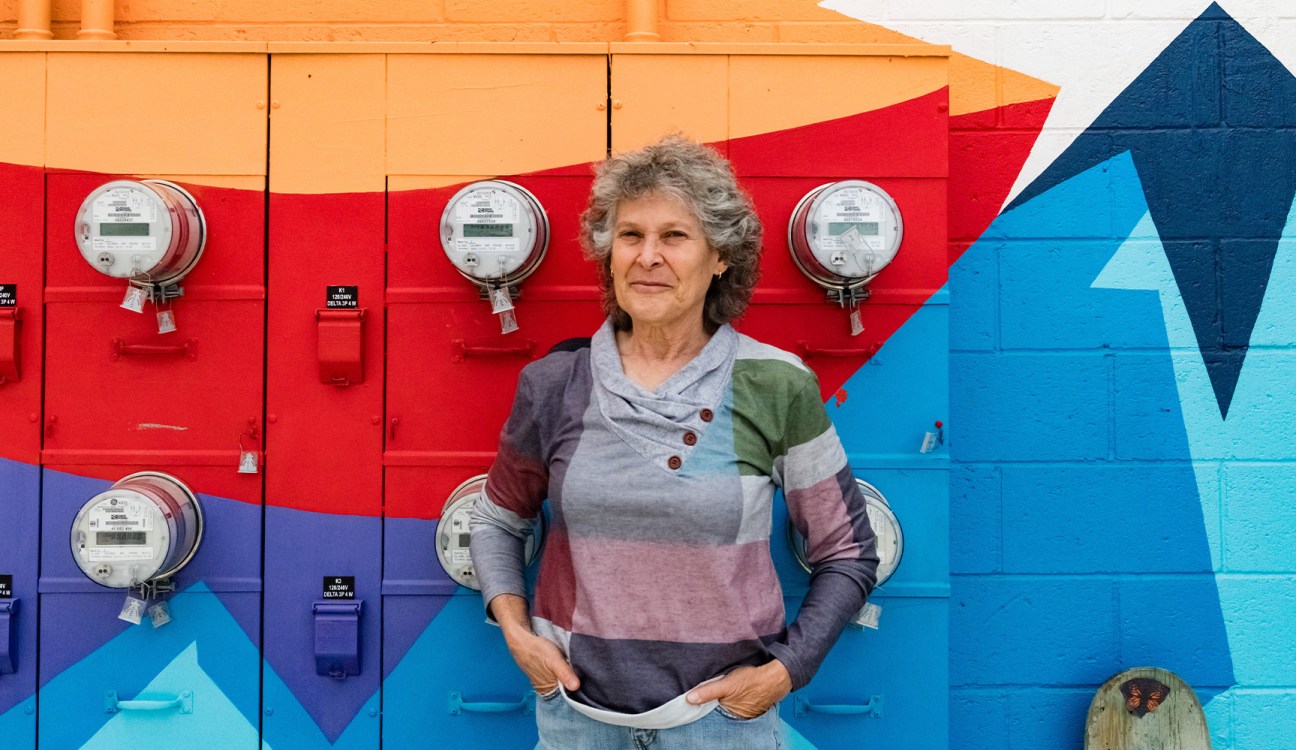
Conversely, developers and supporting landowners contend that modern draft ordinances incorporate strict regulatory guardrails. Under the proposed 2026 code revisions, developers would be legally mandated to pay into performance bonds and submit detailed decommissioning and site-restoration plans, alongside provisions requiring financial and logistical support for local volunteer fire departments.
The Nuclear Consensus as a Catalyst
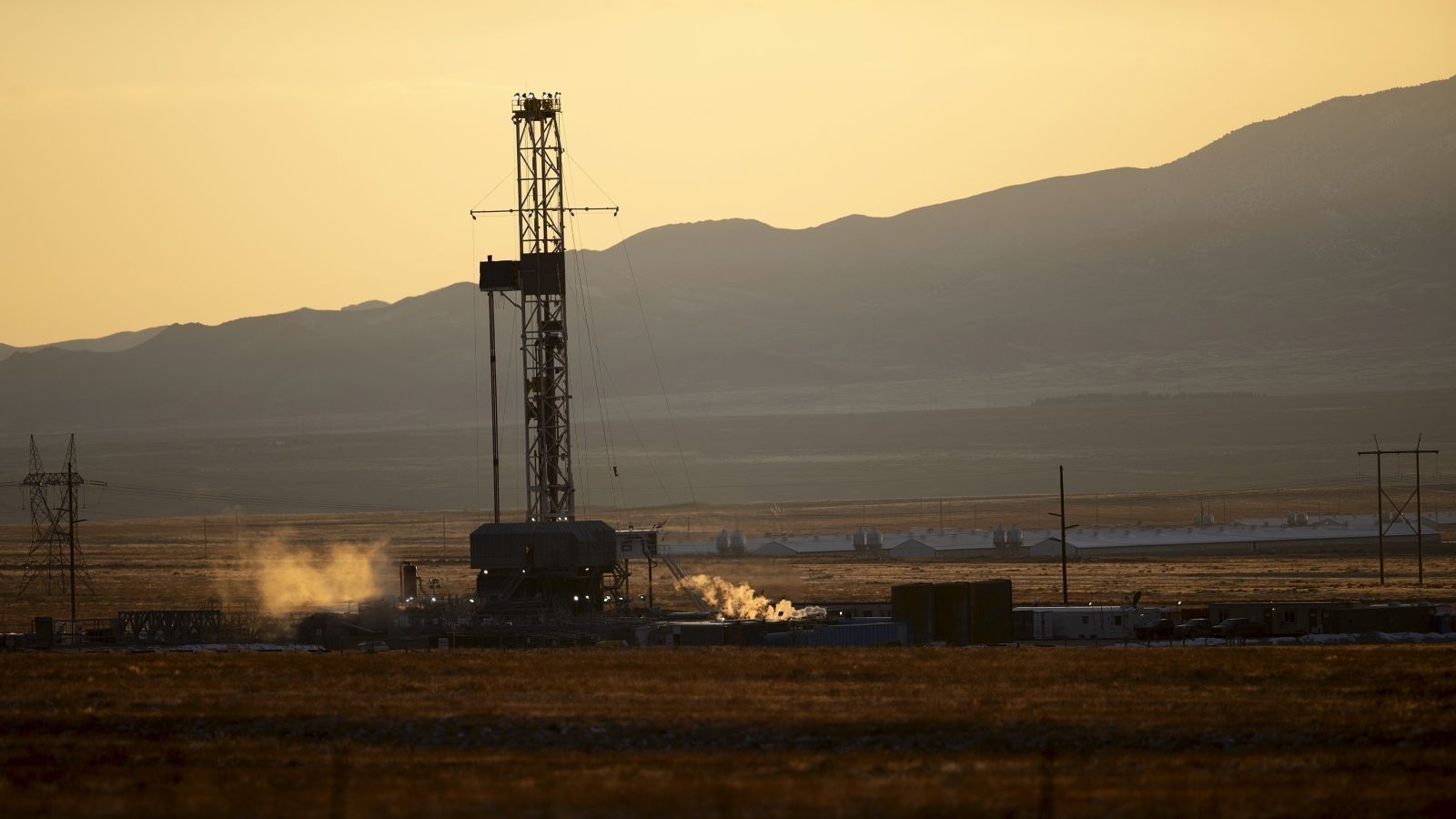
An unexpected factor influencing the current policy reversal is community sentiment toward nuclear energy. In January surveys conducted by Bannock County, roughly 90 percent of more than 700 respondents expressed favorable views toward nuclear development. Proximity to the Idaho National Laboratory (INL)—a premier federal center for advanced nuclear research—coupled with regional initiatives like Bill Gates-backed TerraPower’s construction project in nearby Kemmerer, Wyoming, has fostered local enthusiasm for advanced nuclear technologies.
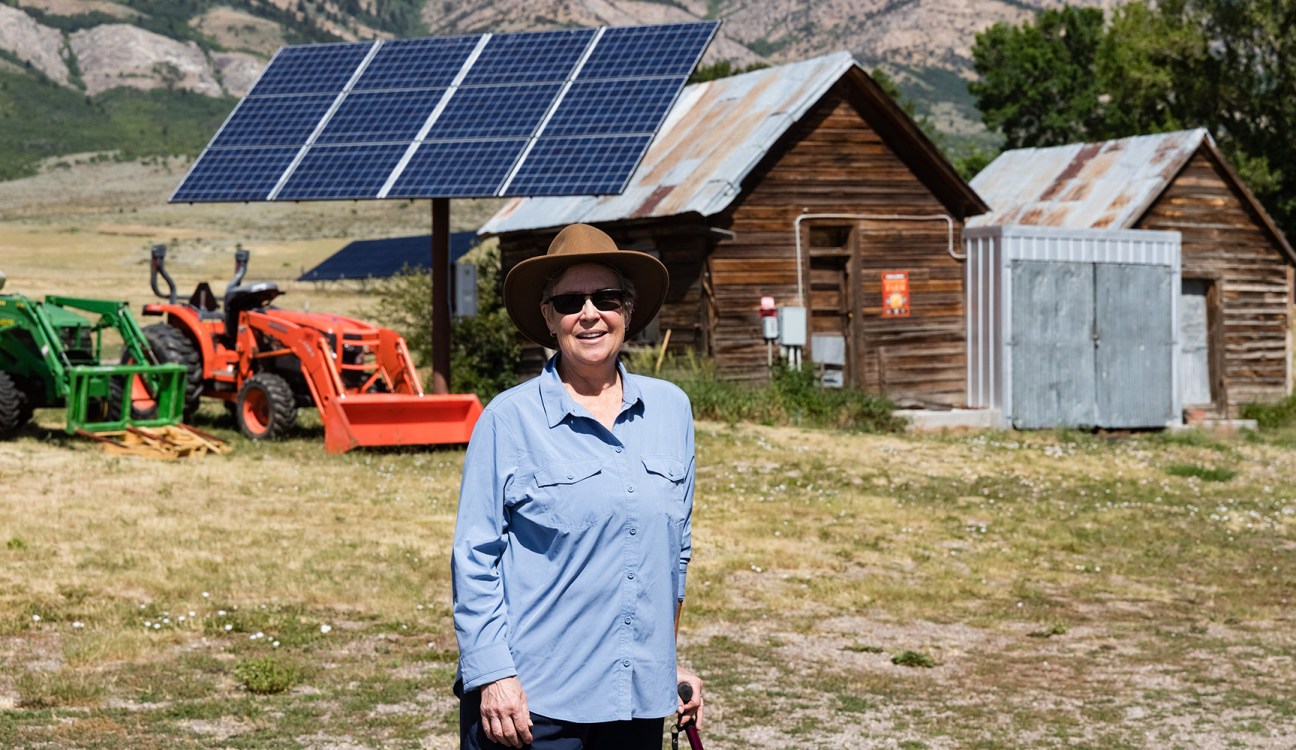
Local officials and environmental advocates suggest that widespread support for nuclear energy may pave the way for a broader reconsideration of all clean energy sources. While advanced nuclear reactors and small modular reactors face significant engineering, fuel supply chain, and regulatory timelines stretching years into the future, county leaders argue that interim renewable sources are essential to bridge the energy gap.
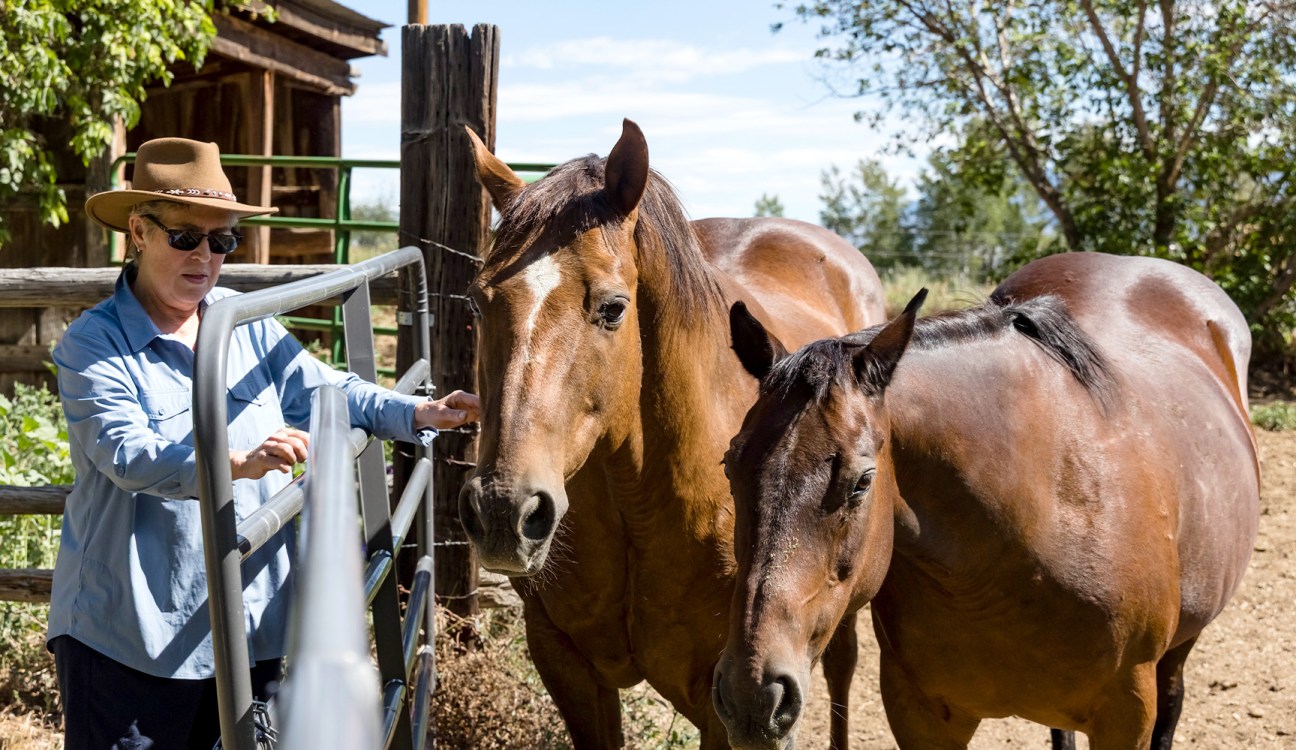
As the Bannock County Commission prepares to vote on the revised land-use ordinance this fall, the outcome will serve as an indicator for rural municipalities nationwide navigating the complex intersection of private property rights, local conservation, and the expanding demands of the modern electrical grid.