Trump Details Staggering Casualty Toll in Russia-Ukraine War and Pushes for Negotiated Settlement Ahead of Winter

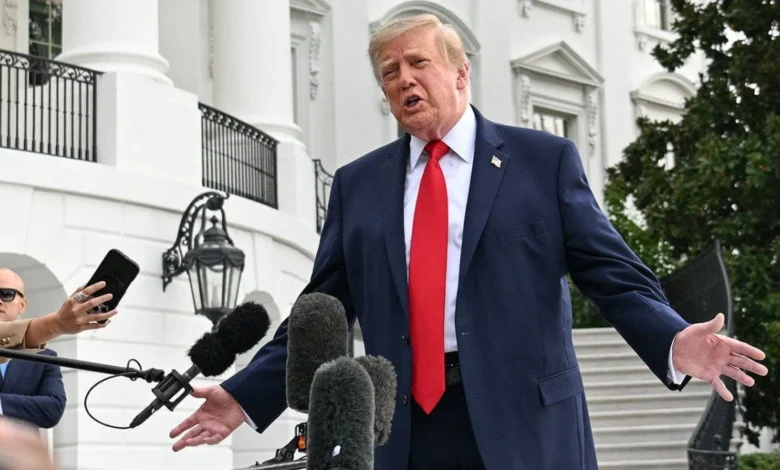
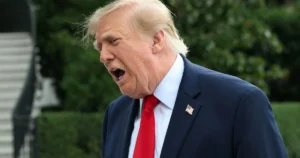
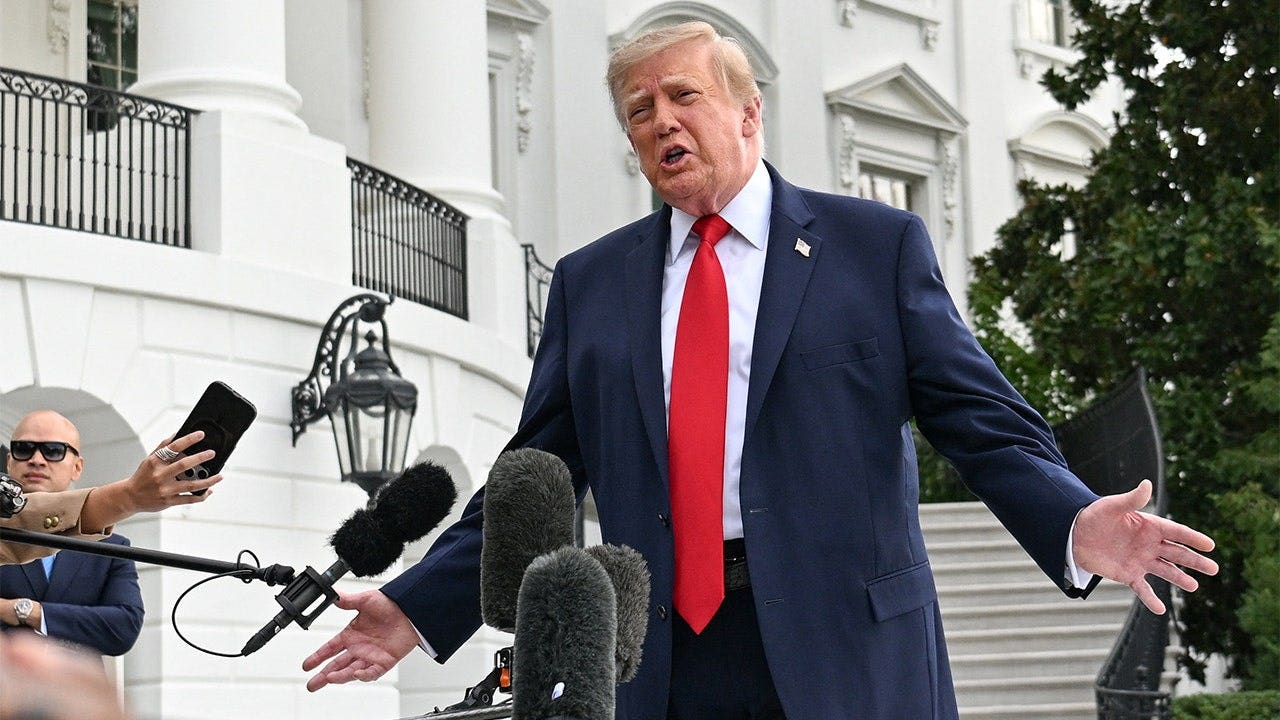
WASHINGTON — Speaking to reporters on the South Lawn of the White House, President Donald Trump addressed the immense human cost of the ongoing war between Russia and Ukraine, citing staggering casualty figures from recent months and intensifying pressure on both Kyiv and Moscow to negotiate a swift end to the conflict.
The President’s remarks arrive amid a flurry of diplomatic engagement by U.S. representatives and a significant policy shift regarding military production agreements between Washington and Kyiv. As the conflict approaches another brutal winter, international observers, humanitarian organizations, and foreign policy experts are closely evaluating the potential trajectories of peace talks, shifting military aid paradigms, and the sheer sustainability of the ongoing hostilities.
Alarming Casualty Figures Highlight the War’s Toll
Addressing the press prior to his departure from the White House, President Trump laid bare the devastating human attrition characterizing the frontline battles between Russian and Ukrainian forces. According to the President, approximately 25,000 individuals lost their lives in the conflict last month, following an estimated 32,000 fatalities the month prior.
"Last month, 25,000 people died in the Ukraine-Russia war, okay? 25,000," Trump told reporters. "The month before that, 32,000 people died — mostly soldiers, 97% soldiers. But whether they’re soldiers or civilians, think of it: 32,000. Two months ago, 33,000 people; this month, 25,000 people died. What a shame."
While independent verification of monthly casualty rates during active high-intensity warfare remains exceptionally difficult due to operational security and propaganda management by both belligerents, international monitors and defense think tanks have consistently reported catastrophic losses. Data compiled by institutions such as the Center for Strategic and International Studies (CSIS) indicates that the Russian military alone has suffered as many as 450,000 casualties—including both killed and wounded—since the full-scale invasion was launched in February 2022. Ukrainian losses, while heavily guarded by Kyiv’s military command, are similarly understood to be immense, compounded by the rising toll of civilian casualties resulting from relentless missile and drone barrages targeting urban centers and critical national infrastructure.
Diplomatic Pressures and the Push for a Negotiated Settlement
President Trump reiterated his desire to see a cessation of hostilities before the onset of severe winter weather, revealing that he has maintained extensive dialogue with Ukrainian President Volodymyr Zelenskyy regarding potential diplomatic off-ramps. The American leader emphasized that both Zelenskyy and Russian President Vladimir Putin must ultimately compromise to bring an end to the bloodshed.
"I spoke to him a lot, and he’s going along and Putin’s going along. And someday, hopefully in the not too distant future, maybe before the heavy winter, they’ll make a deal," Trump stated.
The White House has increasingly utilized diplomatic envoys to test the waters for peace talks. Recent strategic movements include high-level delegations led by U.S. negotiators traveling to both Kyiv and Moscow. Notable diplomatic figures, including Jared Kushner and Steve Witkoff, have been engaged in delicate shuttle diplomacy aimed at identifying common ground between the warring capitals.
Despite these overtures, the fundamental divergence in peace terms remains a major stumbling block. Kyiv has consistently demanded the complete restoration of its internationally recognized borders—including Crimea and the Donbas—as well as robust security guarantees to prevent future aggression. Conversely, Moscow has maintained maximalist demands, insisting on the formal cession of Ukrainian territories, the permanent neutralization of Ukraine’s foreign policy orientation, and sweeping sanctions relief.

A Major Policy Shift: Patriot Missile Production in Ukraine
The diplomatic maneuvering occurs concurrently with a watershed moment in military cooperation between the United States and Ukraine. Just days prior to Trump’s White House remarks, Ukrainian President Volodymyr Zelenskyy announced a significant policy reversal from Washington regarding advanced air defense architecture.
According to statements released by Zelenskyy, the U.S. administration has granted formal approval allowing Ukraine to locally license and produce American-designed Patriot missile interceptors. For years, Kyiv’s leadership has lobbied international partners for expanded domestic manufacturing capabilities to offset supply chain bottlenecks and accelerate the deployment of air defense systems capable of intercepting incoming ballistic and hypersonic threats.
"There are concrete agreements regarding Patriot licenses," Zelenskyy posted on social media. "At our meeting, President Trump stressed that he had made his final decision: Ukraine will receive licenses to produce Patriot missiles."
The decision represents a notable departure from previous U.S. hesitation surrounding technology transfers for sensitive, high-end defense systems. The Patriot surface-to-air missile system is widely considered the gold standard in modern air defense, playing a critical role in shielding Ukrainian cities and critical infrastructure from Russian aerial bombardments. Allowing domestic production within Ukraine could drastically reduce reliance on foreign stockpiles, streamline maintenance protocols, and ensure a more sustainable long-term defensive posture against ongoing aerial campaigns.
Chronology of Recent Escalations and Peace Initiatives
The trajectory of the Russia-Ukraine war over the past several months has been defined by a dangerous cycle of tactical escalation matched by intensifying backchannel diplomacy:
- February 2022: Russian forces launch a full-scale invasion of Ukraine, triggering the largest conventional military conflict in Europe since World War II.
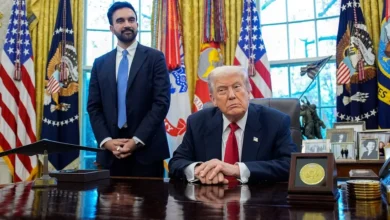
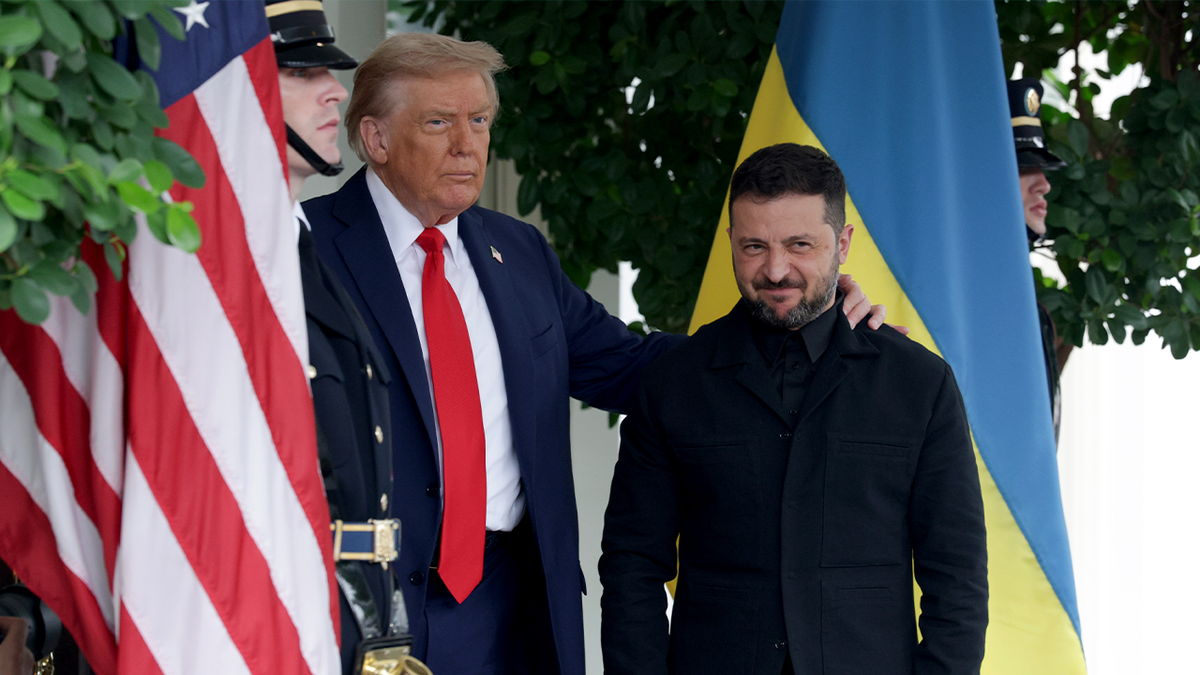
- August 2025: President Trump and President Zelenskyy meet at the White House in Washington, D.C., to discuss future military aid frameworks, security guarantees, and potential pathways toward a negotiated settlement.
- Late 2025/Early 2026: Heavy attrition rates continue across the eastern and southern fronts, with CSIS and allied intelligence agencies estimating cumulative Russian casualties surpassing 450,000 personnel.
- September 2026: U.S. negotiators, including Steve Witkoff and Jared Kushner, travel to Moscow and Kyiv to engage in high-stakes talks aimed at exploring compromise frameworks between Putin and Zelenskyy.
- Late September 2026: President Zelenskyy publicly announces that the U.S. has greenlit the licensing and domestic production of Patriot missile interceptors within Ukraine. President Trump delivers public remarks on the White House lawn, highlighting the devastating monthly death toll and pressing for a peace deal ahead of the winter months.
Broader Implications and Strategic Outlook
As the war enters its fifth calendar year, the statements from Washington point toward an increasingly urgent push by the United States to maneuver both sides toward the negotiating table. The combination of devastating monthly casualty numbers, the immense financial and material cost to Western allies, and the approaching winter season create a volatile environment where strategic decisions carry profound consequences.
For Ukraine, the ability to domestically manufacture Patriot interceptors provides a vital psychological and military boost, offering a measure of self-reliance as international donor fatigue remains a persistent concern. However, bridging the chasm between Kyiv’s insistence on sovereignty and territorial integrity and Moscow’s refusal to relinquish occupied land remains an extraordinarily difficult diplomatic puzzle.
Foreign policy analysts note that while President Trump’s public emphasis on a rapid settlement underscores his administration’s frustration with the protracted nature of the conflict, the ultimate success of any peace initiative will depend heavily on the willingness of Putin and Zelenskyy to accept painful compromises. Until such a diplomatic breakthrough materializes, the humanitarian and demographic cost of the war continues to mount, as evidenced by the tens of thousands of lives lost on the front lines month after month.